

How To Use Bpa Free Lunch Containers For Stress-Free Prep
Does a foldable lunch box really save space?
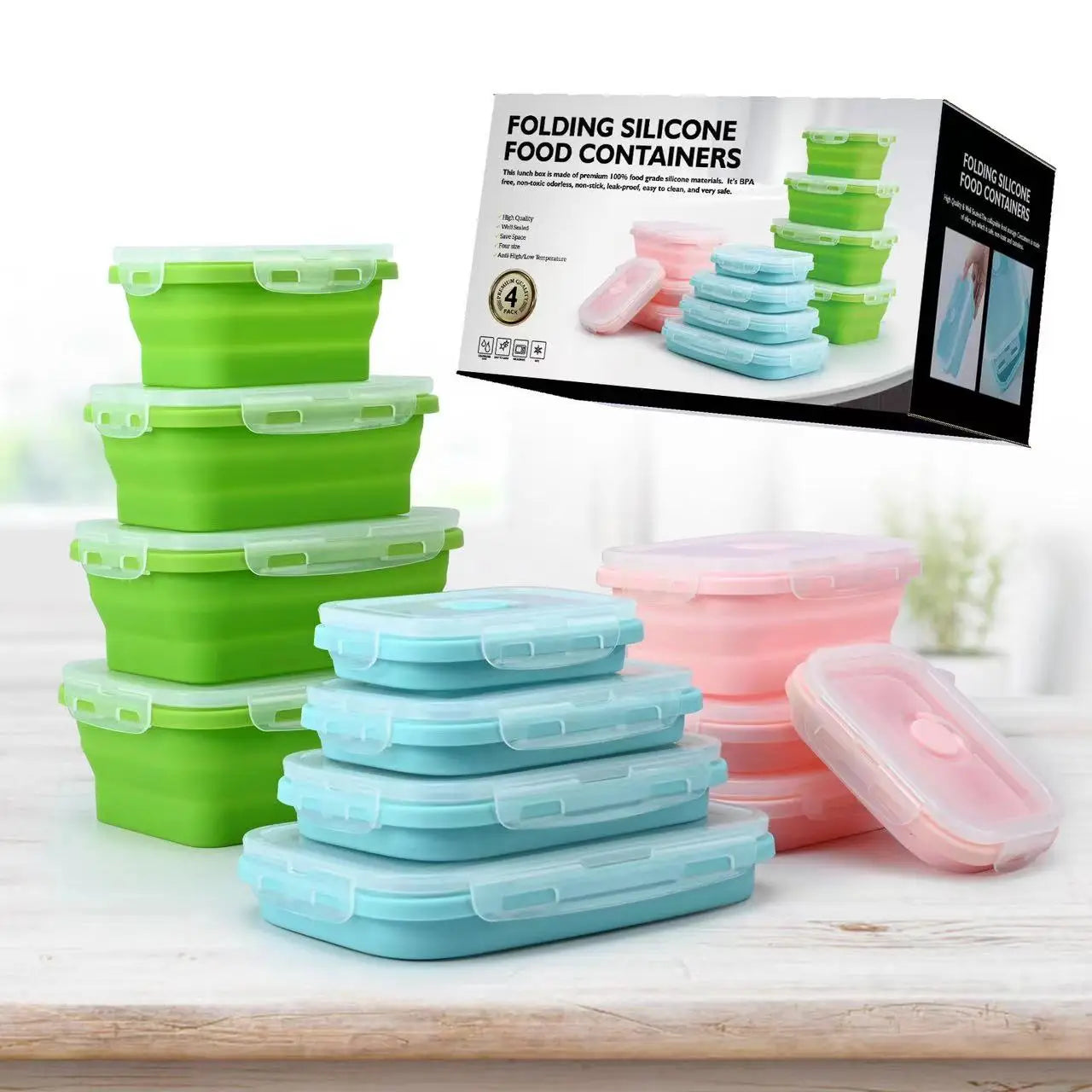
A foldable lunch box is designed to collapse when not in use, reducing its height by up to 50–70% depending on the model. This simple design frees up valuable space in your kitchen, fridge, or bag while still providing full capacity when expanded, making it an efficient solution for daily meal prep and storage.
Foldable Lunch Box Guide: Pack More In Less Space
A foldable lunch box can transform the way you store meals, making crowded kitchens and packed schedules easier to manage. From clever space saving food storage hacks to choosing the best space saving lunch containers for fridge organization, this guide covers practical tips that maximize every inch. You'll also discover the real answer to are collapsible lunch boxes worth it, along with surprising benefits most buyers overlook. The biggest space-saving secret might change how you pack lunch forever...
⏱ 7 min read
Ever opened your fridge and felt like there’s no room for anything else? Or struggled to fit bulky containers into your backpack before a trip?
What if one simple switch could instantly create space without sacrificing convenience?
👉 Discover must-have camping gear
Explore smart storage and outdoor essentials in the Camping & Picnic collection.
💡 See it in action
What Makes a Foldable Lunch Box So Practical
A foldable lunch box is built with flexible materials like silicone, allowing it to collapse flat when empty and expand when needed. Unlike rigid containers, it adapts to your space instead of demanding more of it.
This makes it perfect for:
- Small kitchens with limited cabinet space
- Packed work or school bags
- Outdoor trips where every inch matters
- Minimalist lifestyles
Many users combine them with items from the Food Storage Bags & Containers collection to create a fully optimized storage system.
How Foldable Lunch Boxes Solve Storage Problems
When space is tight, traditional containers quickly become frustrating. Here’s how foldable designs fix that.
- Collapse when empty: Save up to half the storage space instantly
- Stack efficiently: Uniform shapes make fridge organization easier
- Travel-friendly: Perfect for packing in tight spaces
- Multi-purpose use: Store, transport, and reheat in one container
These benefits are especially useful for people using Car Organizers & Storage during road trips or daily commutes.
How to Use a Foldable Lunch Box Step by Step
- Expand fully before use – Ensure it locks into shape for stability
- Add your meal – Ideal for portion-controlled packing
- Seal tightly – Prevent leaks during transport
- Collapse after cleaning – Save space instantly in cabinets or bags
- Store flat or stacked – Maximize every inch of space
Pairing your setup with Compression & Packing Bags can further improve organization when traveling.
👉 Learn how to choose the right hiking gear
Upgrade your storage system with smart solutions from Backpacking & Carry.
Space Saving Lunch Containers for Fridge Organization
Fridge clutter is one of the biggest daily frustrations. Foldable containers help create a cleaner, more efficient layout.
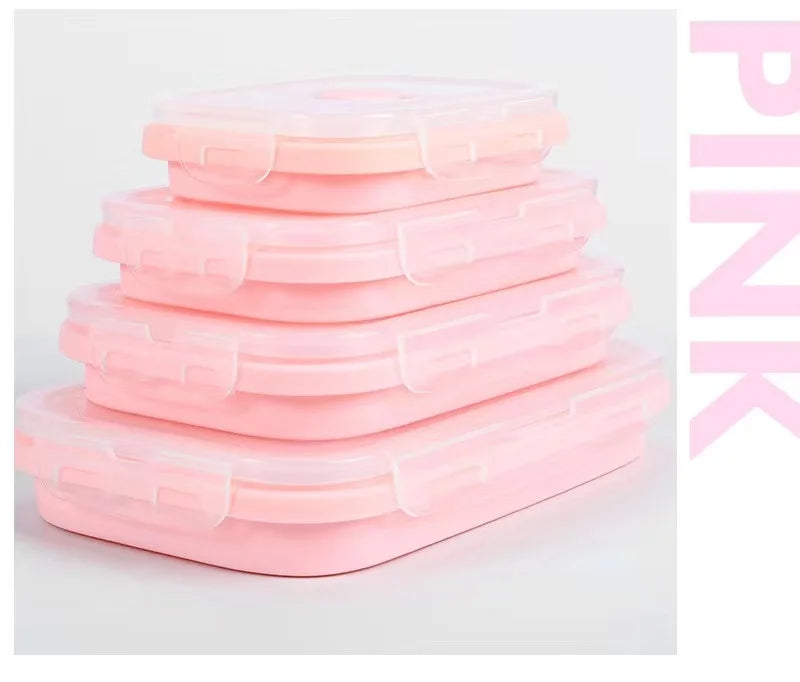
- Use uniform sizes to stack vertically
- Collapse unused containers to free space instantly
- Store prepped meals in layers for easy access
- Combine with Insulated Food Containers for temperature control
Real-life example: A busy parent reduced fridge clutter by 40% simply by switching to collapsible containers for weekly meal prep.
Foldable vs Traditional Containers
| Feature | Foldable Lunch Box | Traditional Container |
|---|---|---|
| Storage Space | Collapses flat | Fixed size |
| Portability | Lightweight & compact | Bulky |
| Fridge Organization | Stackable & flexible | Limited stacking |
| Travel Use | Excellent | Less convenient |
💡 See it in action
Are Collapsible Lunch Boxes Worth It?
A foldable lunch box is worth it for anyone looking to save space without sacrificing functionality. It reduces storage clutter, improves portability, and adapts to different needs, making it ideal for home kitchens, offices, and outdoor trips. Most users find the convenience alone justifies the switch.
-
Pros:
- Major space savings
- Travel-friendly design
- Multi-use versatility
-
Cons:
- Slightly less rigid than hard containers
- Requires proper sealing to avoid leaks
For outdoor enthusiasts, combining these with Camping Storage & Boxes creates a highly efficient packing system.
Pro Packing Tips for Maximum Efficiency
Want to get the most out of your foldable lunch box? Try these proven strategies.
- Pre-plan meals: Avoid overpacking and wasted space
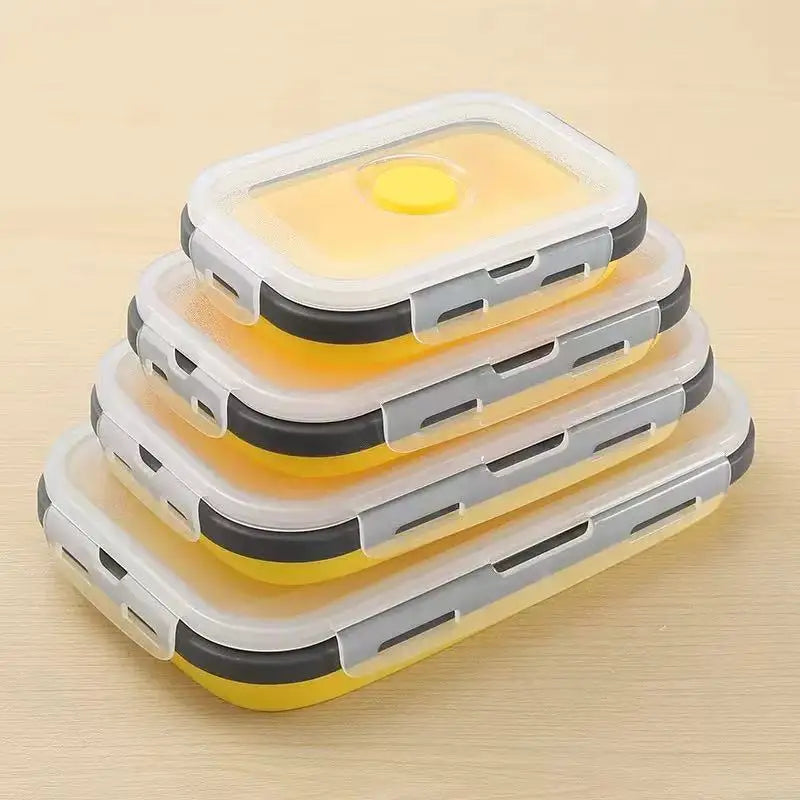
- Use nesting techniques: Store smaller items inside larger containers
- Mix with collapsible gear: Like items from Foldable Travel Gear
- Label meals: Save time during busy days
User insight: Travelers report saving up to 30% more bag space when switching to collapsible storage systems.
👉 Get yours now before your next trip!
Upgrade your storage with this collapsible silicone lunch box and pack smarter today.
💡 See it in action
Quick FAQ
How much space can a foldable lunch box save?
Most models collapse to about half their original height, freeing up significant storage space in cabinets, bags, or refrigerators.
Are foldable lunch boxes safe for food?
Yes, high-quality options are made from food-grade materials like silicone and are safe for storing and reheating meals.
Can I use them for outdoor trips?
Absolutely. They’re ideal for camping, hiking, and road trips, especially when paired with gear from Hydration & Food.
Do they last as long as regular containers?
With proper care, they are durable and long-lasting, though they may feel less rigid than traditional plastic containers.
What’s the biggest advantage?
The ability to save space while maintaining full functionality makes them one of the most practical storage upgrades available.
Related Articles:
- Using Reusable Silicone Lunch Boxes For School Without Mess
- What Size Container For Meal Prep? A Simple Planning Guide
- How To Organize A Meal Prepped Fridge In 5 Easy Steps
- Foldable Lunch Box Guide: Pack More In Less Space
Pillar Articles:





