

How To Organize A Meal Prepped Fridge In 5 Easy Steps
What Is a Meal Prepped Fridge?
A meal prepped fridge is a refrigerator organized to store ready-to-eat meals, ingredients, and snacks in a structured system that maximizes freshness and minimizes clutter. By reducing wasted fridge space meal prep problems and using stackable or collapsible containers, you can save time, reduce food waste, and make daily meals easier to manage.
How To Organize A Meal Prepped Fridge In 5 Easy Steps
⏱ 8 min read
A well-organized meal prepped fridge can transform your week, saving wasted fridge space meal prep headaches and keeping everything fresh and accessible. By using strategies like organizing fridge with collapsible containers and learning how to save fridge space containers, you can maximize every shelf and drawer. Even busy parents will find practical ways to simplify meal planning and make weekday dinners far less stressful.
Do you ever open your refrigerator and wonder where all the space disappeared? A crowded fridge often leads to forgotten leftovers, duplicate grocery purchases, and unnecessary food waste. The good news is that a few simple changes can completely transform how your kitchen functions.
💡 See it in action
Why Fridge Organization Matters
A meal prepped fridge works best when every item has a designated location. Proper organization reduces waste, improves visibility, and helps maintain food safety.
- Find ingredients quickly during busy weekdays.
- Reduce forgotten leftovers.
- Maximize available shelf space.
- Keep prepared meals fresher for longer.
- Simplify grocery shopping and meal planning.
| Common Problem | Organized Solution |
|---|---|
| Overflowing containers | Use collapsible storage options |
| Expired leftovers | Date labels and rotation system |
| Hard-to-find meals | Dedicated storage zones |
| Wasted fridge space meal prep issues | Stackable and foldable containers |
Step 1: Clear and Categorize Everything
A meal prepped fridge becomes easier to manage when similar foods stay together. Removing expired products and grouping items creates a clear overview of available ingredients and prepared meals.
- Remove everything from the refrigerator.
- Discard expired or spoiled items.
- Group foods by category.
- Wipe shelves and drawers thoroughly.
- Return only items that support your weekly meal plan.
Categories may include:
- Breakfast meals
- Lunch containers
- Dinner ingredients
- Fresh produce
- Snacks
- Condiments
Step 2: Use Space-Saving Containers
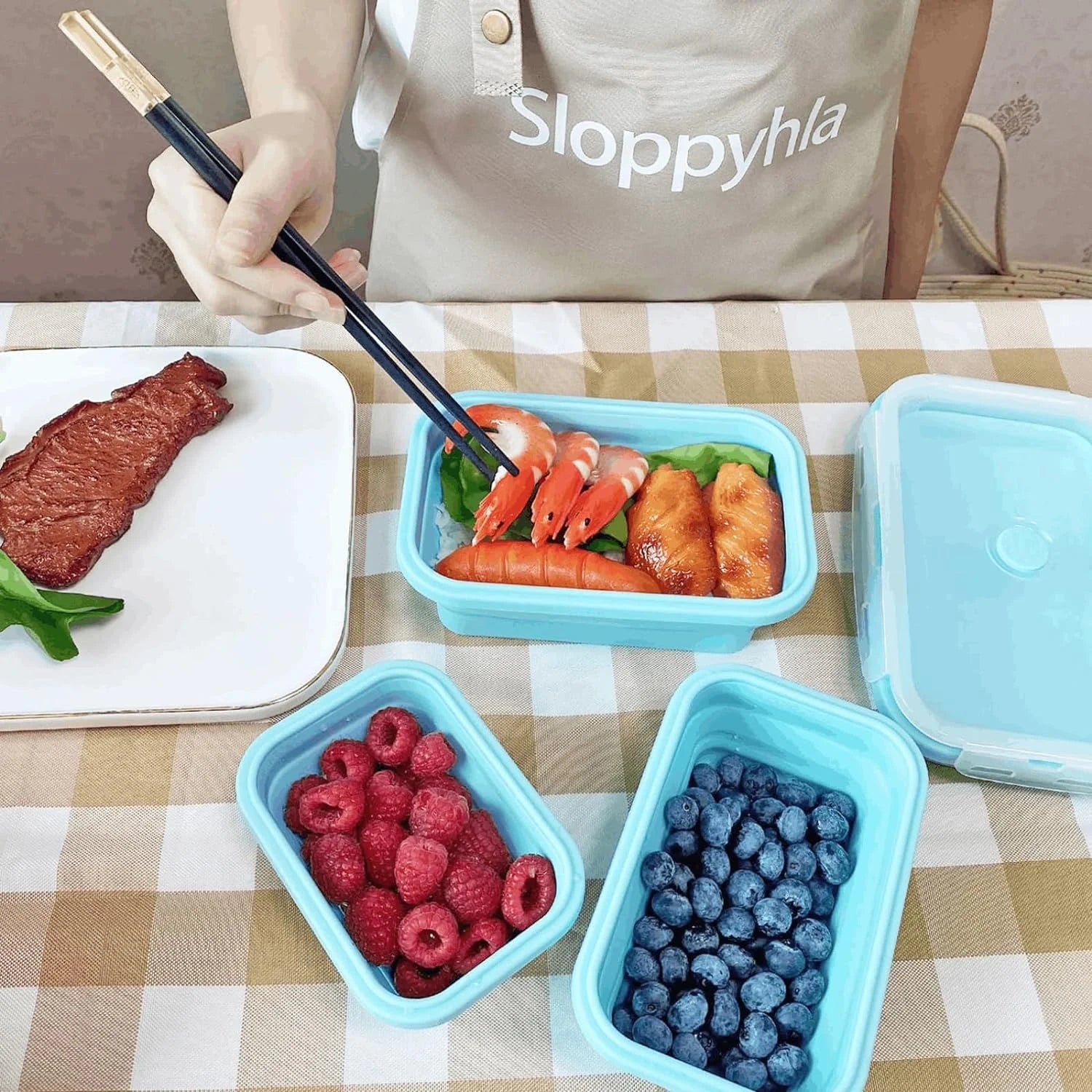
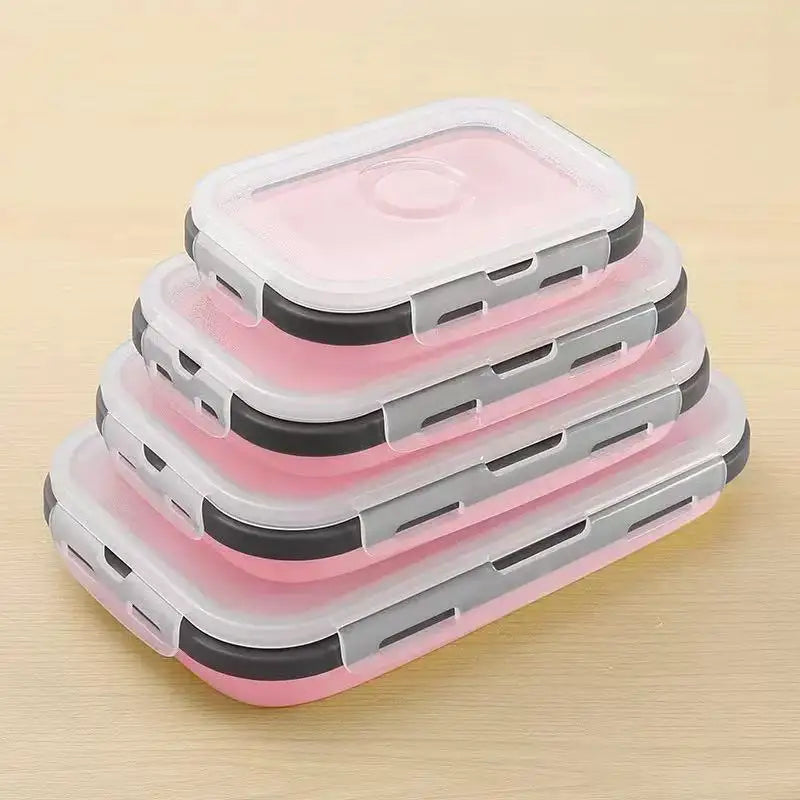
A meal prepped fridge benefits significantly from containers that shrink when not in use. Learning how to save fridge space containers can free up entire shelves while keeping meals organized and accessible.
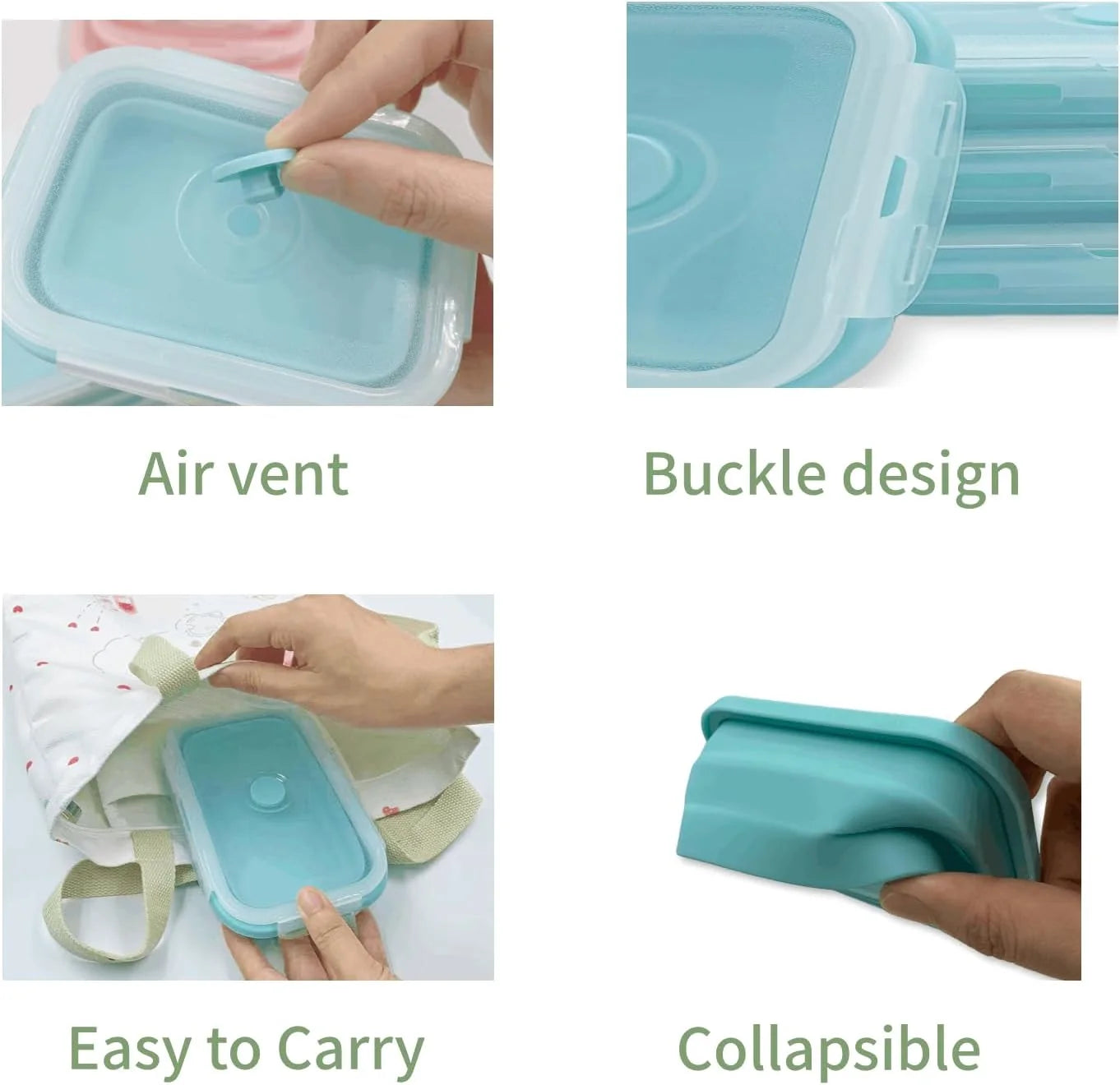
One of the most effective solutions is using collapsible silicone lunch boxes. These containers expand when needed and collapse when empty, helping reduce clutter between meal prep sessions.
Benefits include:
- Compact storage after meals are eaten.
- Better stacking capability.
- Improved shelf visibility.
- Less wasted fridge space meal prep frustration.
- Easy transport for work lunches.
For additional storage ideas, consider exploring Food Storage Bags & Containers and Insulated Food Containers to keep prepared foods organized both at home and on the go.
Step 3: Create Dedicated Fridge Zones
Top Shelf: Ready-to-Eat Meals
Store fully prepared breakfasts, lunches, and snacks where they are easy to grab.
Middle Shelf: Meal Prep Containers
This area should hold your primary meal prep containers and ingredients used throughout the week.
Bottom Shelf: Raw Ingredients
Place raw proteins and ingredients requiring cooking on the lowest shelf for safety.
Drawers: Fruits and Vegetables
Keep produce separated according to humidity requirements.
Organizing fridge with collapsible containers becomes much easier when every category has a dedicated location.
💡 See it in action
Step 4: Label and Rotate Meals
A labeling system prevents confusion and ensures meals are consumed while fresh.
Use labels that include:
- Meal name
- Preparation date
- Recommended consumption date
Follow a simple first-in, first-out approach:
- Place newer meals behind older meals.
- Use older meals first.
- Review contents every few days.
- Remove anything nearing expiration.
This strategy dramatically reduces food waste while maintaining a cleaner meal prepped fridge.
Step 5: Maintain Your System Weekly
A successful meal prepped fridge depends on consistency rather than perfection.
Schedule a quick weekly reset:
- Check expiration dates.
- Wash empty containers.
- Review remaining ingredients.
- Plan upcoming meals.
- Adjust container quantities as needed.
Many meal preppers spend less than 15 minutes each week maintaining their organization system once habits are established.
Meal Prep Storage Comparison
| Storage Type | Space Efficiency | Convenience | Best Use |
|---|---|---|---|
| Rigid Plastic Containers | Moderate | Good | Large batch meals |
| Glass Containers | Moderate | Very Good | Long-term freshness |
| Collapsible Silicone Containers | Excellent | Excellent | Organizing fridge with collapsible containers |
| Storage Bags | Good | Good | Produce and snacks |
Meal Prep Tips for Busy Parents
Parents often face unique scheduling challenges. These meal prep tips for busy parents can make a significant difference.
- Prep ingredients instead of complete meals when time is limited.
- Create grab-and-go snack bins for children.
- Use clear containers for easy visibility.
- Assign family members specific fridge zones.
- Prep two or three versatile proteins each week.
- Keep emergency freezer meals available.
Families frequently report smoother weeknights when meals are visible, labeled, and easy to access.
"Before organizing our fridge, we constantly forgot what we already had. Now dinner decisions take minutes instead of half an hour."
For larger meal prep projects, storage and organization concepts used in Camping Storage & Boxes and Gear Organizers & Pouches can inspire effective compartment-based organization at home.
💡 See it in action
Build a Meal Prepped Fridge That Works for You
A meal prepped fridge doesn't require expensive renovations or complicated systems. By clearing clutter, using collapsible containers, creating zones, labeling meals, and maintaining a simple routine, you can eliminate wasted fridge space meal prep problems and enjoy faster, easier meal preparation throughout the week.
Many households find that switching to collapsible silicone lunch boxes provides one of the quickest improvements because they combine flexibility, organization, and efficient storage in a single solution.
Frequently Asked Questions
How do I organize a meal prepped fridge effectively?
Group foods into categories, create dedicated zones, use stackable or collapsible containers, and label meals with preparation dates.
What causes wasted fridge space meal prep problems?
Oversized containers, poor shelf planning, and storing unrelated items together often create unnecessary clutter and reduce usable storage.
Why are collapsible containers useful for meal prep?
They occupy less space when empty, making organizing fridge with collapsible containers easier while maintaining convenient food storage.
How can busy parents simplify meal prep?
Prepare ingredients in advance, use clear containers, create snack stations, and maintain a consistent weekly organization routine.
How often should I reorganize my meal prepped fridge?
A quick weekly review is usually enough to maintain cleanliness, freshness, and efficient use of available refrigerator space.
Pillar Article: How To Use Bpa Free Lunch Containers For Stress-Free Prep
Other Related Articles:
- Using Reusable Silicone Lunch Boxes For School Without Mess
- What Size Container For Meal Prep? A Simple Planning Guide
- Foldable Lunch Box Guide: Pack More In Less Space
Explore More:





