

Proper Temperature To Brew Coffee: Top Kettles Reviewed
What is the proper temperature to brew coffee?
Proper temperature to brew coffee sits between 195°F and 205°F (90°C–96°C). This range extracts balanced flavors without bitterness or sourness. Brewing below this leads to weak coffee, while hotter water causes over-extraction. Using a controlled kettle helps maintain consistency and improves taste clarity in every cup.
Proper Temperature To Brew Coffee: Top Kettles Reviewed
⏱ 6 min read — Ever packed your gear for a sunrise hike or quiet morning outdoors, only to end up with bitter, disappointing coffee? The problem often isn’t your beans—it’s your water temperature. Understanding the proper temperature to brew coffee transforms your daily ritual into a smooth, flavorful experience, whether you're at home or brewing in the wild.
Picture this: you're camping, the air is crisp, and your coffee tastes off. What gear actually makes coffee better outdoors? It starts with temperature control.
👉 Discover must-have camping gear that makes every outdoor coffee moment smoother and more enjoyable.
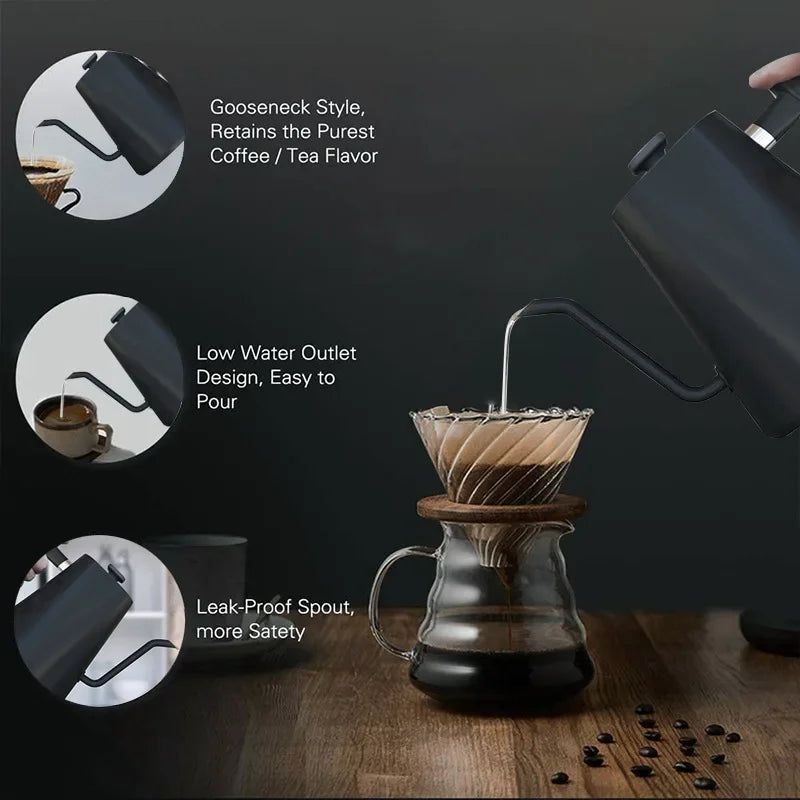
💡 See it in action
Why Temperature Matters for Better Coffee Flavor
Water temperature controls how coffee compounds dissolve. Too cool, and flavors stay locked in. Too hot, and bitter elements dominate.
- 195°F–205°F: Balanced extraction
- Below 190°F: Sour, under-extracted taste
- Above 205°F: Harsh, bitter flavor
Many outdoor brewers struggle because campfires and basic kettles lack control. That’s where precision tools make a difference.
How to Find the Ideal Brew Coffee Temperature
Simple Temperature Guide by Brew Method
| Method | Best Temperature | Result |
|---|---|---|
| Pour Over | 195°F–205°F | Clean, bright flavor |
| French Press | 200°F | Full-bodied richness |
| AeroPress | 175°F–205°F | Flexible taste control |
| Cold Brew (Start) | Room Temp | Smooth, low acidity |
Consistency is key. That’s why many coffee lovers rely on tools from Outdoor Cookware to maintain steady heat during brewing.
Common Mistakes That Make Coffee Too Bitter
- Boiling water directly onto grounds
- Inconsistent heating from camp stoves
- Ignoring thermometer or kettle settings
- Using low-quality kettles without control
Outdoor users often report that switching to temperature-controlled kettles dramatically improved their coffee experience—especially during early morning hikes or cold-weather camping.
Top Kettles Reviewed for Precise Brewing
The right kettle isn’t just convenience—it’s flavor control. Below is a quick comparison of popular options.
| Kettle Type | Pros | Cons | Best For |
|---|---|---|---|
| Electric Gooseneck | Precise control, fast heating | Needs power source | Home & car camping |
| Stovetop Gooseneck | Portable, durable | Less precise | Backpacking |
| Basic Camping Kettle | Lightweight | No temp control | Casual use |
For consistent results, the 1200W Electric Gooseneck Kettle stands out with precise temperature settings and smooth pouring control.
👉 Learn how to choose the right hiking gear and upgrade your coffee setup for better flavor outdoors.
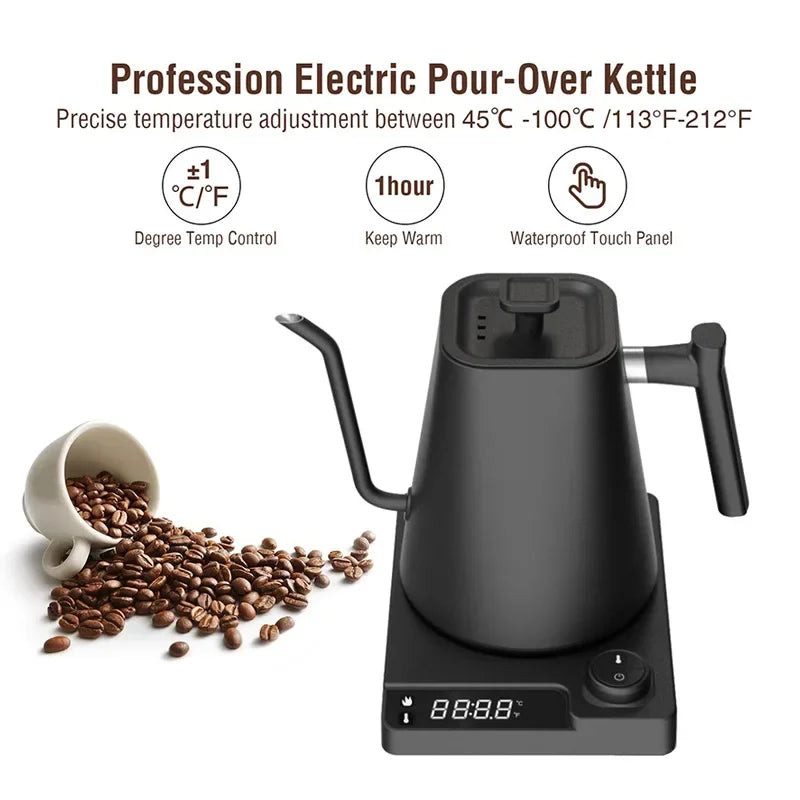
💡 See it in action
How to Brew Coffee with Precise Temperature Anywhere
- Heat water to 195°F–205°F using a controlled kettle
- Pre-wet coffee grounds to release gases
- Pour slowly in circular motion
- Maintain steady temperature throughout brewing
Pair your kettle with essentials from Camping Stoves & Cooking to ensure consistent heat even in remote locations.
Build a Reliable Coffee Setup for Outdoor Adventures
A great outdoor coffee setup goes beyond the kettle. Combine smart tools for the best experience:
- Stable heat source
- Insulated mugs from Insulated Food Containers
- Portable water storage from Collapsible Water Bottles
- Compact storage from Camping Storage & Boxes
Many travelers say upgrading their coffee gear made mornings feel less rushed and more enjoyable—turning a simple cup into a highlight of the trip.
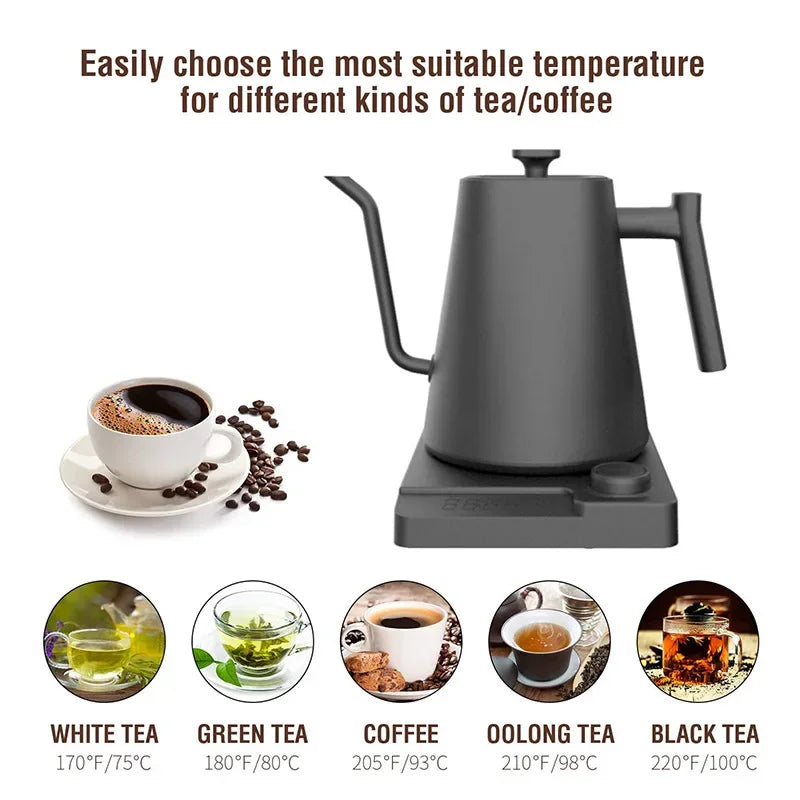
💡 See it in action
Make Every Cup Better with the Right Temperature
Mastering the proper temperature to brew coffee isn’t complicated—but it makes a massive difference. Whether you’re brewing at home or deep in the outdoors, precision turns average coffee into something memorable.
👉 Get yours now before your next trip! Upgrade your brewing setup and enjoy smoother, richer coffee anywhere.
Frequently Asked Questions
What happens if coffee water is too hot?
Water above 205°F over-extracts coffee, pulling out bitter compounds and masking natural sweetness.
Can I brew coffee without a thermometer?
Yes, but letting boiling water sit for 30–45 seconds helps approximate the ideal range.
Why does my coffee taste sour?
Sour coffee often means under-extraction, usually caused by water that’s too cool.
Is a gooseneck kettle necessary?
It’s not required, but it significantly improves control and consistency, especially for pour-over methods.
Pillar Article: Fastest Heating Electric Tea Kettles Compared: Which One Wins
Other Related Articles:
- Small Electric Kettle For Office: Compact And Efficient Options
- Instant Hot Kettle Vs Standard Electric Kettle: Speed And Safety Compared
- Electric Gooseneck Kettle With Temperature Control: Which To Pick
- Best Temperature Controlled Tea Kettle For Perfect Tea Every Time
Explore More:





