

How To Brew Coffee At The Perfect Temperature Every Time
What is the perfect coffee brewing temperature?
The perfect coffee brewing temperature is typically between 195°F and 205°F (90°C–96°C). This range ensures optimal extraction, preventing coffee too bitter from wrong water temperature or weak, sour flavors. Maintaining this precise brew coffee temperature helps balance acidity, sweetness, and body for consistently better cups.
How To Brew Coffee At The Perfect Temperature Every Time
Master the perfect coffee brewing temperature and transform every cup from average to exceptional. This guide shows you how to brew coffee precise temperature control, avoid coffee too bitter from wrong water temperature, and consistently dial in the ideal brew coffee temperature for any method. You’ll uncover simple tweaks that baristas use daily, plus science-backed tips most home brewers miss. Ready to unlock richer flavor, smoother balance, and café-level results at home?
⏱ 6 min read
Ever brewed coffee that tasted too bitter or strangely sour—even when using great beans? The problem might not be your coffee, but your water temperature. Getting the perfect coffee brewing temperature is the fastest way to improve flavor without buying expensive gear.
What if one simple adjustment could instantly upgrade every cup you make?
👉 Discover must-have camping gear
Upgrade your brewing setup anywhere with tools from Camping Stoves & Cooking and enjoy better coffee even outdoors.
💡 See it in action
Why Temperature Matters for Better Coffee Flavor
Water temperature directly controls how coffee extracts. Too hot, and you pull out harsh, bitter compounds. Too cool, and your coffee ends up weak and sour.
- 195°F–205°F: Balanced extraction (ideal)
- Below 195°F: Under-extracted, sour taste
- Above 205°F: Over-extracted, bitter flavor
This is why even premium beans can taste disappointing if your brew coffee temperature is off.
Common Signs Your Temperature Is Wrong
- Bitter, dry aftertaste → water too hot
- Sour, thin flavor → water too cool
- Inconsistent cups → unstable temperature
How to Hit the Perfect Coffee Brewing Temperature
The perfect coffee brewing temperature sits between 195°F and 205°F (90°C–96°C), where water extracts the ideal balance of oils, acids, and sugars. Staying within this range prevents coffee too bitter from wrong water temperature while preserving smoothness, clarity, and full-bodied flavor in every brew.
| Brewing Method | Ideal Temperature | Flavor Outcome |
|---|---|---|
| Pour-over | 200°F (93°C) | Clean, bright, balanced |
| French Press | 195–205°F | Rich, full-bodied |
| Drip Coffee | 195–205°F | Consistent and smooth |
| AeroPress | 175–205°F | Versatile flavor control |
Consistency matters more than precision to the exact degree—but staying in range is critical.
Step-by-Step: How to Brew Coffee Precise Temperature
- Heat water properly – Bring water to a boil, then let it sit 30–60 seconds.
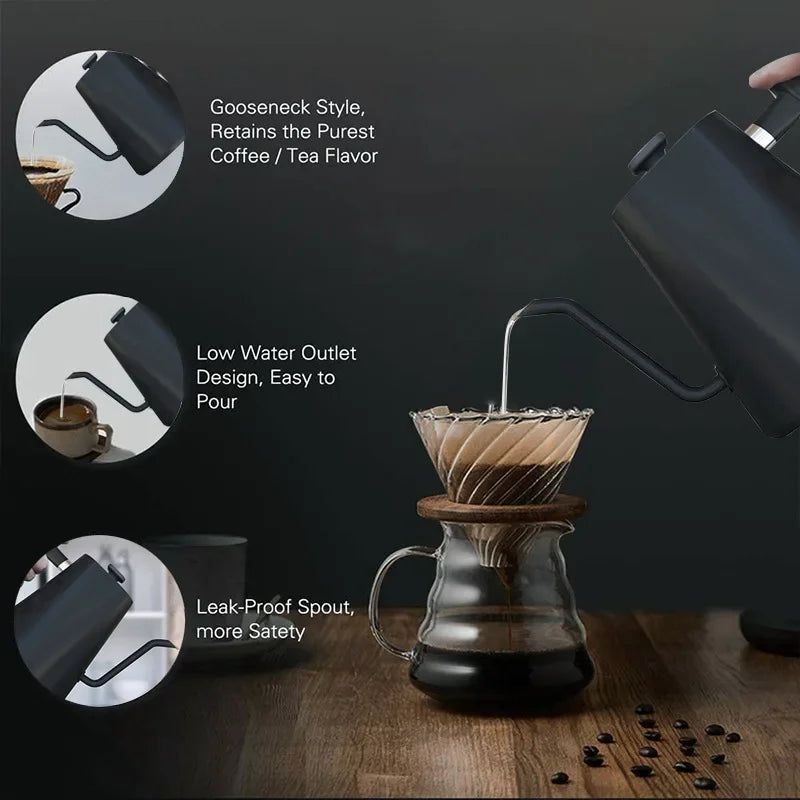
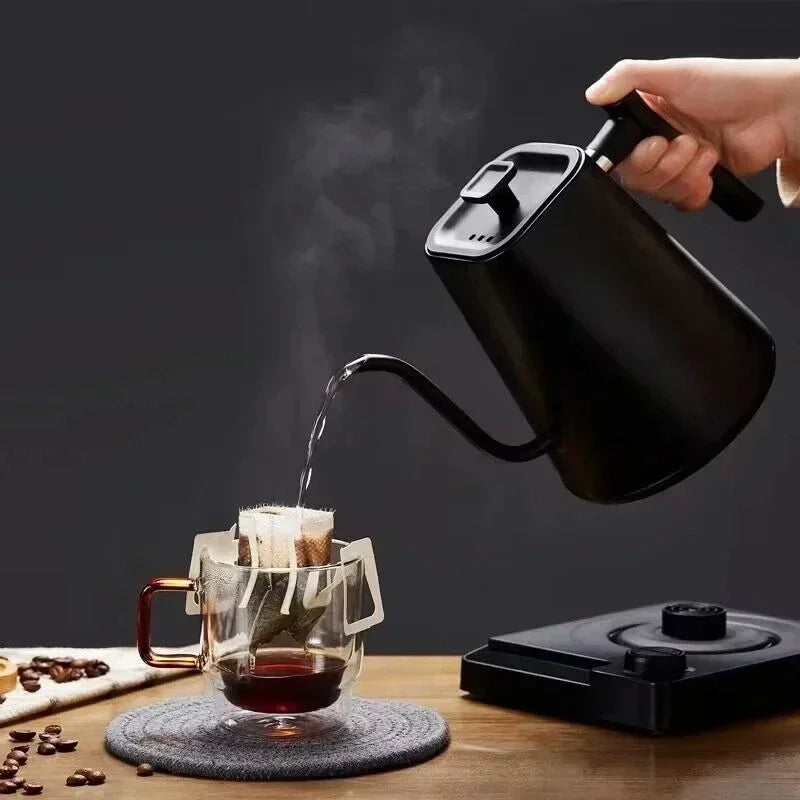
- Use the right kettle – A gooseneck kettle gives better pouring control.
- Preheat your gear – Warm your cup and brewer to maintain stable temperature.
- Monitor brew time – Keep timing consistent to match temperature control.
- Adjust as needed – Taste and tweak slightly hotter or cooler.
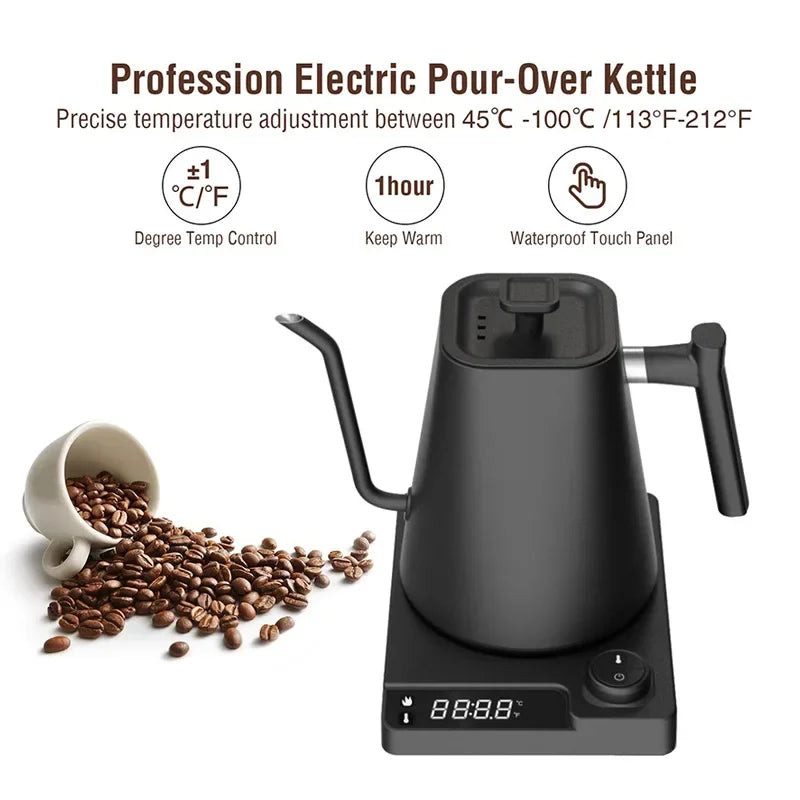
Using tools like a temperature-controlled kettle—such as this precision electric gooseneck kettle—makes this process effortless.
👉 Learn how to choose the right brewing setup
Explore reliable outdoor-friendly options in Outdoor Cookware for consistent results anywhere.
💡 See it in action
How to Fix Coffee Too Bitter from Wrong Water Temperature
If your coffee tastes harsh or unpleasant, temperature is often the culprit.
Quick Fix Checklist
- Let boiling water cool slightly before brewing
- Use filtered water for cleaner taste
- Adjust grind size (too fine can worsen bitterness)
- Shorten brew time if needed
Many home brewers report dramatic improvements just by lowering temperature slightly—no new beans required.
How the Right Gear Makes Temperature Control Effortless
You don’t need a café setup, but the right tools make consistency easier.
- Electric gooseneck kettle: precise temperature control
- Thermometer: budget-friendly accuracy
- Insulated brewer: keeps heat stable
- Portable setup: ideal for travel and camping
Pair your setup with gear from Camping & Picnic for flexible brewing anywhere.
Brewing Coffee Outdoors Without Losing Temperature Control
Love coffee while camping or traveling? Temperature control becomes even more important outdoors.
- Use wind-protected stoves from Camping Stoves & Cooking
- Store hot water in insulated containers
- Brew quickly to minimize heat loss
- Use compact gear for easier control
Whether you’re hiking or car camping, mastering brew coffee temperature ensures every cup still tastes amazing.
💡 See it in action
Brew Better Coffee Every Single Time
Mastering the perfect coffee brewing temperature is the simplest way to upgrade your daily routine. With just a few adjustments, you can eliminate bitterness, balance flavors, and enjoy consistently great coffee—whether at home or outdoors.
👉 Get yours now before your next trip!
Take control of your brewing with this precision gooseneck kettle and enjoy café-quality coffee anywhere.
Frequently Asked Questions
What happens if coffee is brewed too hot?
Water above 205°F over-extracts coffee, pulling out bitter compounds that overpower natural sweetness.
Can I brew coffee without a thermometer?
Yes. Bring water to a boil, then let it sit for 30–60 seconds to reach the ideal temperature range.
Why does my coffee taste sour?
Sour coffee usually means under-extraction, often caused by water that’s too cool.
Is temperature more important than grind size?
Both matter, but temperature is often the fastest fix for major flavor issues.
Pillar Article: How To Use A Gooseneck Electric Water Kettle Like A Pro
Other Related Articles:
- Quick Heating Methods For One Liter Electric Kettle Efficiency
- Master Auto Shut Off Electric Kettles For Safe Morning Routine
- Step-By-Step Guide To Temperature Control Brewing For Beginners
Explore More:





