

Fastest Heating Electric Tea Kettles Compared: Which One Wins
What is the proper temperature to brew coffee?
Proper temperature to brew coffee refers to the optimal water heat range that extracts flavor without causing bitterness or sourness. The ideal brew coffee temperature is generally between 90°C–96°C (195°F–205°F). Staying within this range ensures balanced extraction, smoother taste, and prevents coffee too bitter from wrong water temperature.
Most people unknowingly overheat or underheat water, which directly affects aroma, body, and acidity. Using controlled heat, especially with precision kettles, helps you consistently achieve better flavor in every cup.
Proper Temperature To Brew Coffee: Top Kettles Reviewed
⏱ 6 min read
Brewing coffee at home often feels simple—until the taste tells a different story. Ever poured a cup that tasted harsh, bitter, or strangely flat and wondered what went wrong? The secret usually isn’t the beans, but the proper temperature to brew coffee. In this guide, you’ll learn how to control heat precisely, avoid common brewing mistakes, and choose kettles that make every cup smoother, richer, and more consistent.
Small changes in your setup can completely transform your coffee experience—starting with water temperature control.
💡 See it in action
Why proper temperature to brew coffee matters
Water temperature directly controls how compounds are extracted from coffee grounds. Too hot, and you pull out bitterness and burnt notes. Too cool, and your cup tastes weak and underdeveloped.
The proper temperature to brew coffee ensures balance—highlighting sweetness, acidity, and aroma without overpowering any single element.
- Improves flavor clarity and balance
- Reduces bitterness caused by overheating
- Enhances aroma and sweetness extraction
- Creates consistent results every brew
What surprises most home brewers is how even a 5°C difference can completely change the taste profile.
Ideal brew coffee temperature range
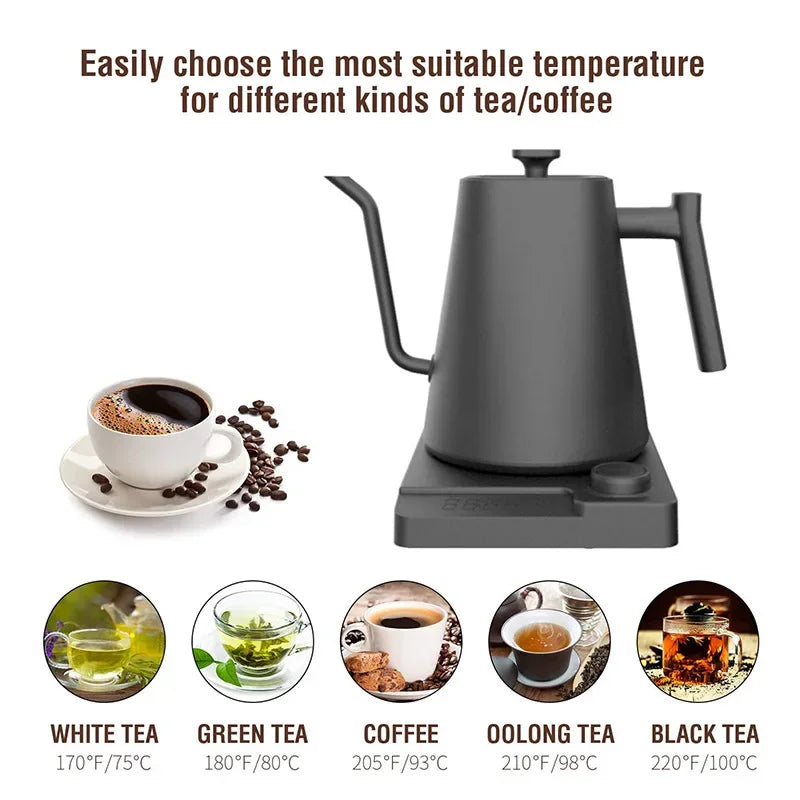
The recommended brew coffee temperature is 90°C–96°C (195°F–205°F). This range works for most brewing methods including pour-over, French press, and drip coffee.
| Temperature Range | Result |
|---|---|
| Below 90°C | Sour, under-extracted coffee |
| 90°C–96°C | Balanced, smooth flavor (ideal) |
| Above 96°C | Bitter, harsh taste |
Understanding this range helps you avoid coffee too bitter from wrong water temperature while improving consistency across different beans.
Precision temperature control is the fastest way to upgrade your daily coffee routine without changing your beans.
How to brew coffee precise temperature
Mastering how to brew coffee precise temperature doesn’t require advanced equipment, but it does require control and awareness of heat stages.
- Boil water and let it rest for 30–60 seconds
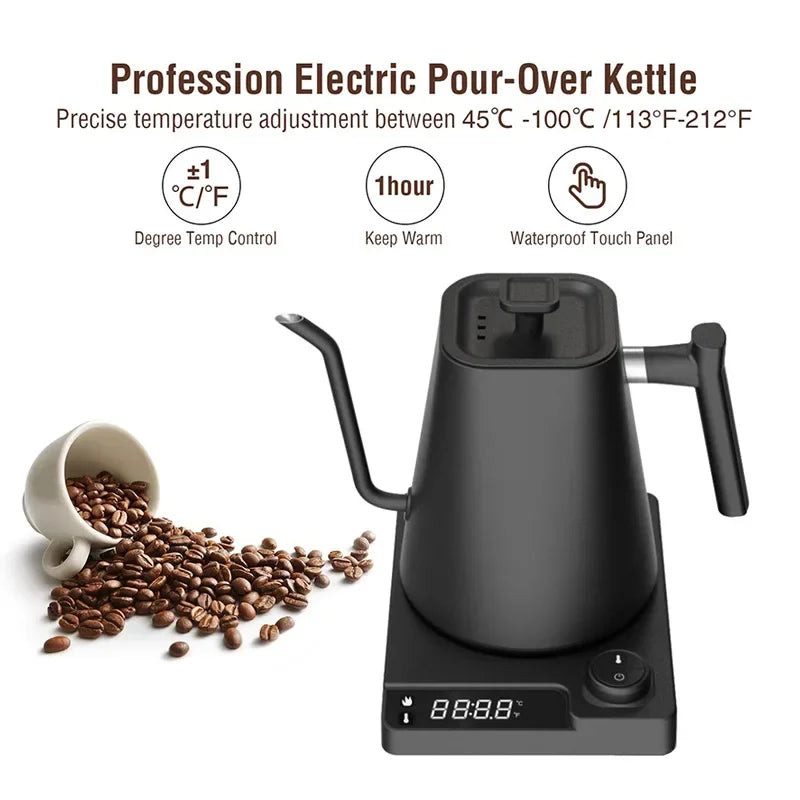
- Use a thermometer or temperature-controlled kettle
- Target 90°C–96°C depending on roast level
- Preheat your brewing device for stability
- Pour slowly and evenly for consistent extraction
Light roasts usually prefer higher temperatures, while dark roasts benefit from slightly lower heat to reduce bitterness.
💡 See it in action
Common mistakes that ruin brew coffee temperature
Even experienced coffee drinkers make simple temperature errors that affect taste. These mistakes often lead to frustration without clear understanding of the cause.
- Pouring boiling water directly onto grounds
- Guessing temperature instead of measuring
- Using inconsistent heating sources
- Ignoring roast level differences
These habits are the main reason people complain about coffee too bitter from wrong water temperature or inconsistent flavor.
Best kettles for proper temperature to brew coffee
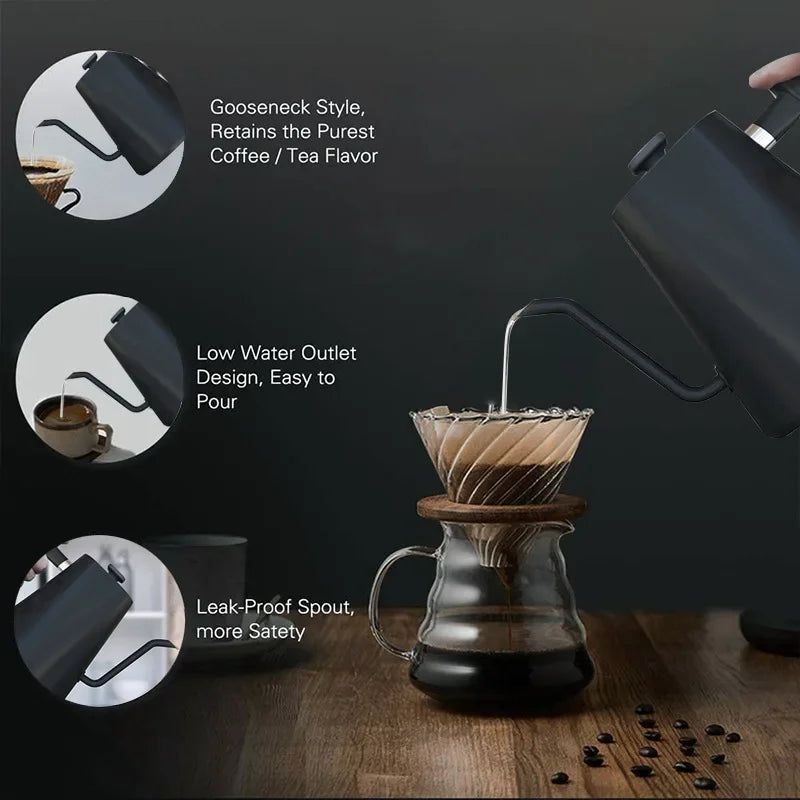
Choosing the right kettle is one of the most effective ways to control brew coffee temperature. Gooseneck kettles with temperature control provide precision, stability, and repeatable results.
One standout option is a precision electric kettle designed for consistent heating:
1200W Electric Gooseneck Kettle – ideal for maintaining stable brew coffee temperature with smooth pour control.
Comparison of kettle types
| Kettle Type | Pros | Cons |
|---|---|---|
| Standard kettle | Fast heating, affordable | Poor temperature control |
| Stovetop gooseneck | Better pouring control | No built-in temperature control |
| Electric temperature kettle | Precise, consistent, beginner-friendly | Higher cost |
For outdoor setups or travel brewing, pairing your kettle with gear from Camping Stoves & Cooking or Outdoor Cookware helps maintain consistency even outside the kitchen.
Why precision kettles improve flavor
- Eliminate guesswork in water heating
- Maintain stable brew coffee temperature
- Improve pour-over accuracy
- Reduce risk of over-extraction
Once you experience controlled brewing, it becomes difficult to go back to traditional boiling methods.
Upgrade your setup and take control of every cup with precision heating and smoother extraction.
Real brewing scenarios: what changes with temperature?
Imagine preparing coffee on a quiet morning. One day it tastes smooth and sweet. Another day it feels harsh and unbalanced. The only difference? Water temperature.
Even small inconsistencies can affect extraction speed, acidity, and bitterness levels. That’s why mastering proper temperature to brew coffee is essential for repeatable quality.
- Cold mornings: water cools faster → weaker extraction
- Hot summer kitchens: faster boiling → risk of overheating
- Outdoor brewing: environmental changes affect timing
For travel or outdoor setups, combining brewing gear with Camping & Picnic Essentials can help maintain consistency anywhere.
FAQ: Proper temperature to brew coffee
What is the best temperature for brewing coffee?
The ideal brew coffee temperature is 90°C–96°C. This range ensures balanced extraction, smooth flavor, and avoids bitterness caused by overheating.
Why does my coffee taste bitter?
Most bitterness comes from using water that is too hot. Coffee too bitter from wrong water temperature usually happens above 96°C or when brewing too long.
Do all coffee methods use the same temperature?
Most brewing methods fall within the same range, but slight adjustments are made depending on roast level and grind size.
Is a temperature-controlled kettle worth it?
Yes, especially if you want consistent results. It removes guesswork and helps maintain proper temperature to brew coffee every time.
Can I brew coffee without a thermometer?
Yes, by letting boiled water rest for about 30–60 seconds, but it is less precise compared to controlled kettles.
Final thoughts on brew coffee temperature
💡 See it in action
Mastering the proper temperature to brew coffee is one of the simplest yet most powerful ways to improve your daily cup. Once you control heat accurately, every sip becomes more balanced, aromatic, and satisfying—no guesswork, just consistency.
From understanding how to brew coffee precise temperature to choosing the right kettle, small changes lead to noticeable improvements. Whether you're brewing at home or outdoors, temperature control is the key to unlocking better coffee every time.
Take control of your coffee temperature and transform every cup into a smoother, richer experience.
Related Articles:
- Small Electric Kettle For Office: Compact And Efficient Options
- Instant Hot Kettle Vs Standard Electric Kettle: Speed And Safety Compared
- Electric Gooseneck Kettle With Temperature Control: Which To Pick
- Best Temperature Controlled Tea Kettle For Perfect Tea Every Time
- Proper Temperature To Brew Coffee: Top Kettles Reviewed
Pillar Articles:





