

Sleeping Bags Extra Long: Best Picks Compared For Tall Campers
Sleeping Bags Extra Long: Best Picks Compared For Tall Campers
⏱ 11 min read
Are sleeping bags extra long worth it for tall campers?
Sleeping bags extra long give taller campers better warmth retention, improved leg comfort, and less restricted sleep during cold outdoor trips. They also reduce pressure points caused by cramped designs while making it easier to layer clothing in winter conditions. Choosing lightweight models can also solve bulky sleeping bags hard backpacking trips without sacrificing insulation or pack efficiency.
Sleeping bags extra long can completely change how tall campers sleep outdoors, especially when bulky sleeping bags hard backpacking trips become exhausting and a sleeping bag not warm enough winter ruins recovery. This guide compares roomy, lightweight options while also explaining how to compress sleeping bag for travel without damaging insulation or wasting pack space. From cold-weather comfort to backpack-friendly designs, you’ll discover which oversized models are actually worth carrying into the wild and which hidden features matter most.
Have you ever reached the campsite exhausted, crawled into your sleeping bag, and realized your feet are pressing against the bottom all night? Tall campers know this frustration too well.
Finding sleeping bags extra long that balance warmth, portability, and comfort can feel impossible. Some models are roomy but incredibly heavy. Others pack small but fail during freezing nights.
👉 Explore lightweight outdoor sleep essentials before your next trip.
💡 See it in action
Why Tall Campers Struggle With Standard Sleeping Bags
Most standard sleeping bags are designed for campers under six feet tall. Once taller hikers enter the equation, warmth and comfort drop quickly.
- Compressed insulation around the feet reduces warmth
- Tight shoulders restrict movement during sleep
- Cold air leaks through overstretched fabric
- Poor fit creates condensation and discomfort
- Heavy oversized bags become difficult for backpacking
Many outdoor travelers dealing with bulky sleeping bags hard backpacking trips eventually realize that fit matters just as much as temperature rating.
One Colorado backpacker shared that switching to an extra long mummy bag improved sleep quality so much that recovery hikes became easier the next morning. More space allowed layered clothing without compressing insulation.
Best Types of Sleeping Bags Extra Long for Different Trips
Sleeping bags extra long work best when matched to the right adventure style. Car camping, alpine hiking, and minimalist backpacking all require different priorities.
Extra Long Mummy Bags for Cold Weather
Mummy bags maximize warmth by reducing empty air space. Taller winter campers usually benefit from extra-long tapered designs that trap body heat efficiently.
These are ideal for:
- Winter camping
- High-altitude hikes
- Cold shoulder-season trips
- Snow camping
Pairing them with gear from Wind & Cold Protection can dramatically improve overnight comfort.
Rectangular Oversized Bags for Car Camping
If comfort matters more than weight, oversized rectangular sleeping bags provide room to stretch naturally.
These work well for:
- Family camping
- Road trips
- Campgrounds
- RV travel
Tall campers often prefer these because side sleeping feels less restrictive.
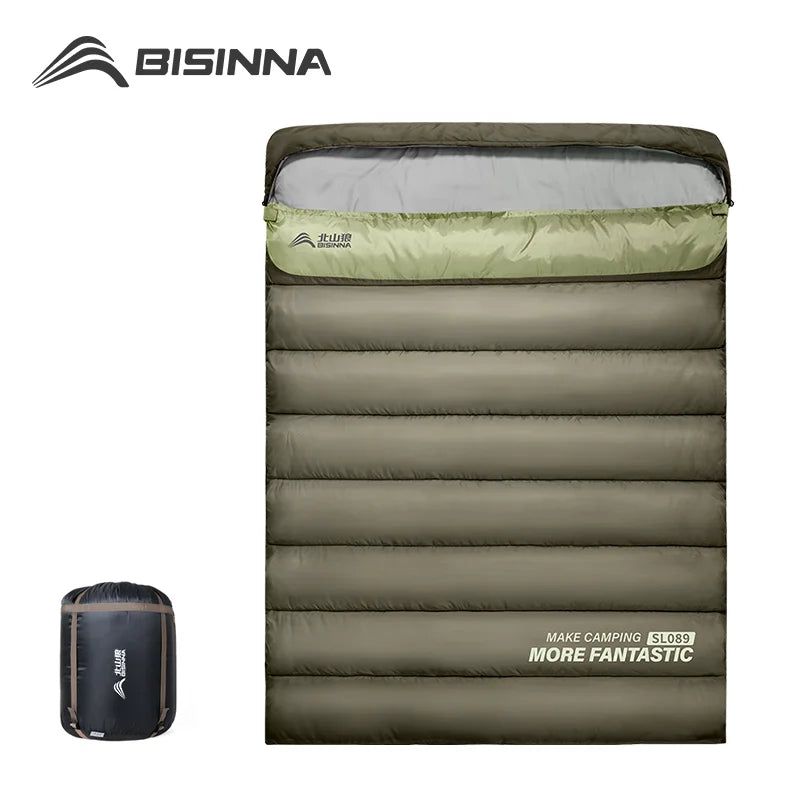
Double Sleeping Bags for Couples
Some tall campers prefer wider two-person bags because extra shoulder room improves movement and warmth management.
This two-person camping sleeping bag is especially useful for couples or taller campers needing additional leg room during cold-weather trips.
Quick Comparison Table for Tall Campers
| Sleeping Bag Type | Best Use | Main Advantage | Main Drawback |
|---|---|---|---|
| Extra Long Mummy | Winter backpacking | Excellent warmth retention | Less movement space |
| Oversized Rectangular | Car camping | Maximum comfort | Bulky to carry |
| Lightweight Hybrid | Multi-day hiking | Balanced weight and warmth | Higher cost |
| Double Sleeping Bag | Couples camping | Extra width and versatility | Larger packed size |
How Lightweight Designs Reduce Backpacking Frustration
Bulky sleeping bags hard backpacking trips because every extra pound affects endurance, balance, and pack organization.
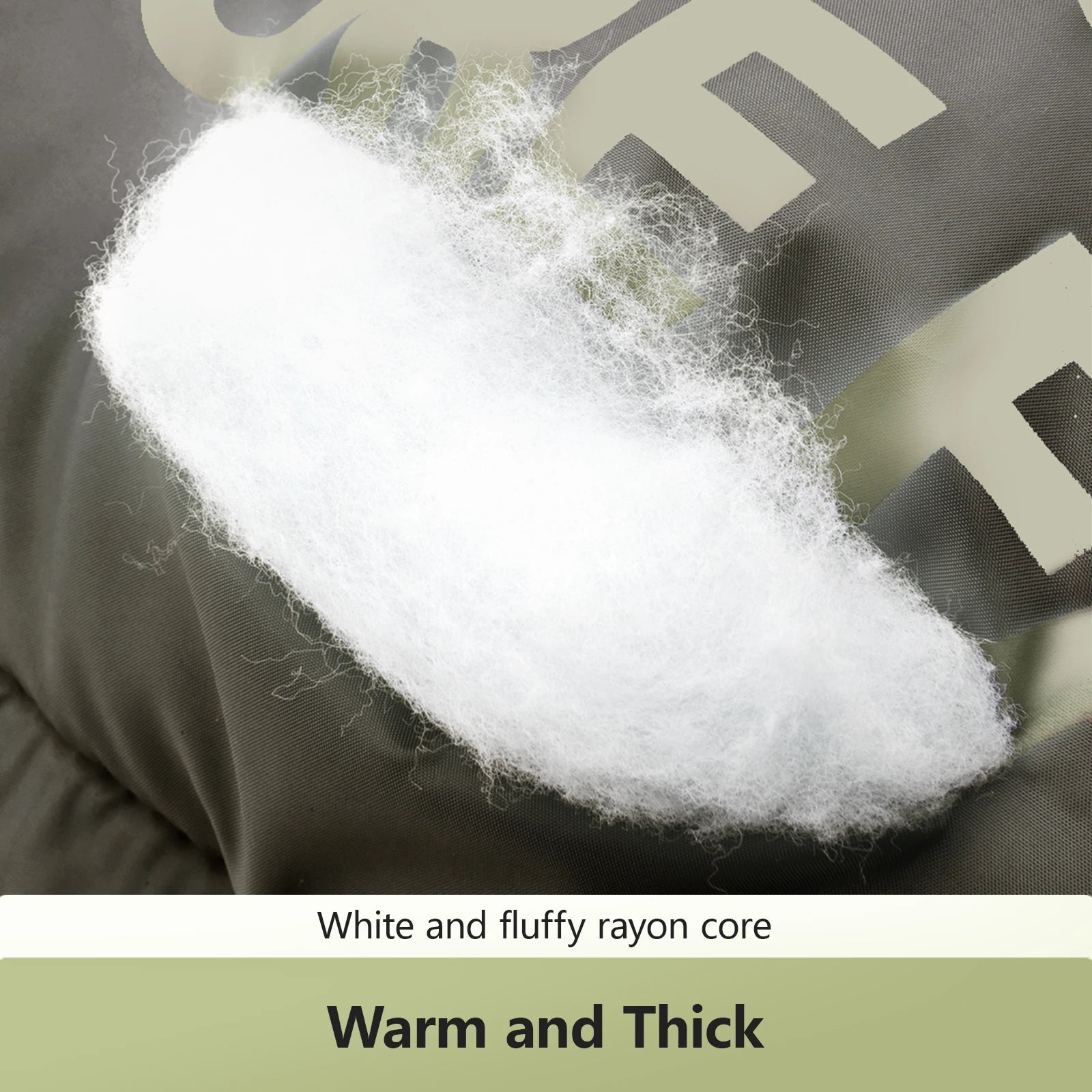
Modern insulation technology has changed this dramatically. Many lightweight extra-long bags now use advanced synthetic fills or high-loft down that compress far smaller than older designs.
What gear actually makes camping easier? Usually the gear you barely notice while hiking.
Look for these features:
- Compression sack compatibility
- Lightweight shell materials
- Draft collars for heat retention
- Water-resistant outer fabric
- Compact packed dimensions
👉 Upgrade your backpack organization for longer outdoor trips.
Backpacking & Carry | Lightweight Daypacks | Waterproof & Dry Bags
Campers hiking through wet environments also benefit from pairing their sleep system with Ground Sheets & Tarps to prevent moisture from reducing insulation performance.
💡 See it in action
How to Compress Sleeping Bag for Travel Without Damage
Knowing how to compress sleeping bag for travel correctly helps preserve insulation while saving critical pack space.
Many campers over-tighten straps or store bags compressed for months, which damages loft and reduces long-term warmth.
- Loosely stuff the sleeping bag into the sack instead of rolling tightly
- Tighten compression straps gradually from opposite sides
- Avoid storing the bag compressed after the trip
- Dry the sleeping bag fully before packing
- Use waterproof storage during rainy hikes
Compression sacks from Compression & Packing Bags help reduce wasted pack volume while keeping larger sleeping systems manageable.
Experienced backpackers often recommend stuffing rather than rolling because random stuffing prevents repeated stress on the same insulation folds.
Common Compression Mistakes
- Over-compressing down insulation for weeks
- Packing wet sleeping bags
- Using damaged compression straps
- Ignoring waterproof storage protection
Combining your bag with Gear Organizers & Pouches also makes campsite setup faster and less chaotic.
How to Fix a Sleeping Bag Not Warm Enough Winter Problem
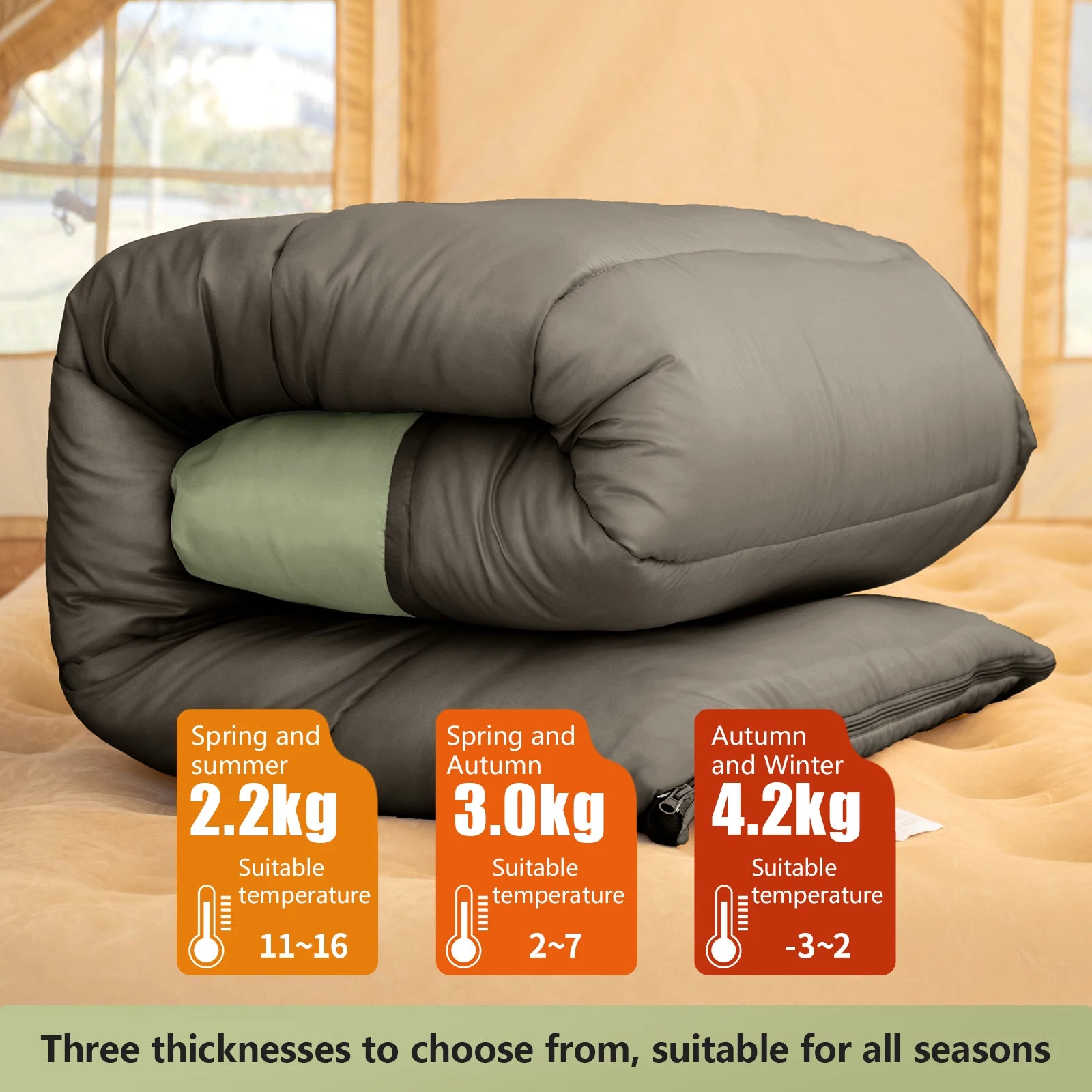
A sleeping bag not warm enough winter situation usually comes from insulation compression, poor layering, or an incorrect temperature rating rather than bag length alone.
Tall campers face extra challenges because longer interiors contain more air space that must be heated by body warmth.
Ways to Increase Warmth Without Buying a New Bag
- Use an insulated sleeping pad underneath
- Wear dry thermal base layers
- Add a sleeping bag liner
- Block tent drafts effectively
- Eat high-calorie food before bed
Cold-weather campers also benefit from layering gear from Blankets & Sleeping Comfort for additional insulation during freezing nights.
One backpacker in Montana reported that adding a reflective ground layer under the sleeping pad improved overnight warmth more than upgrading the sleeping bag itself.
Signs Your Sleeping Bag Is Too Cold for the Conditions
| Symptom | Likely Cause |
|---|---|
| Cold feet overnight | Compressed insulation at footbox |
| Shivering despite layers | Incorrect temperature rating |
| Damp interior | Poor ventilation or moisture buildup |
| Heat escaping near shoulders | Loose collar or oversized opening |
Features That Actually Matter for Tall Campers
Not every premium feature improves real-world comfort. Tall campers should focus on performance details that directly affect warmth, recovery, and portability.
Footbox Design
A properly shaped footbox prevents insulation from flattening around the toes. This is critical for winter trips.
Shoulder Width
Extra shoulder room helps side sleepers move naturally without creating cold spots.
Zipper Quality
Nothing ruins cold-weather camping faster than snagged zippers at midnight.
Water Resistance
Condensation inside tents can quickly reduce warmth performance. Pairing your setup with Weather Protection & Environment gear can help maintain dryness overnight.
Packability
Lightweight packed size matters during multi-day hikes where every inch of backpack space counts.
Campers carrying photography gear, cooking systems, or extra winter layers especially benefit from streamlined sleep systems.
Build a Better Backpacking Sleep System
Sleeping bags extra long work best when combined with supporting gear that improves warmth, organization, and recovery.
- Inflatable Pillows improve neck alignment for taller sleepers
- Headlamps & Wearable Lights make nighttime campsite setup easier
- Portable Power Banks help keep navigation devices charged during winter trips
- Car Camping Accessories simplify larger outdoor setups
- First Aid Kits add safety during remote camping adventures
Campers who combine efficient packing with quality sleep gear usually recover faster and enjoy longer hiking days with less fatigue.
💡 See it in action
Which Extra Long Sleeping Bag Fits Your Camping Style?
Sleeping bags extra long are most effective when matched to the environment, trip length, and temperature conditions you actually face outdoors.
For winter backpacking, lightweight mummy designs usually provide the best warmth-to-weight ratio. Car campers often prefer oversized rectangular bags for comfort. Couples or taller side sleepers may benefit from roomier shared systems.
The key is balancing warmth, portability, and realistic trail conditions instead of choosing the biggest or warmest model available.
👉 Prepare for your next cold-weather adventure before supplies run low.
Frequently Asked Questions
Are sleeping bags extra long warmer than regular bags?
Not automatically. Extra-long sleeping bags improve comfort for taller campers, but warmth depends more on insulation quality, fit, and temperature rating. A properly fitted extra-long bag usually performs better than a cramped standard-size bag because insulation stays lofted.
How tall should you be for an extra-long sleeping bag?
Most campers over six feet tall benefit from extra-long sleeping bags. These designs provide additional leg room and prevent feet from compressing insulation at the bottom of the bag.
What causes bulky sleeping bags hard backpacking trips?
Heavy insulation materials, oversized shapes, and poor compression systems often create bulky sleeping bags hard backpacking trips. Lightweight insulation and compression sacks can dramatically reduce packed size.
How do you store a sleeping bag after camping?
Store sleeping bags loosely in a large breathable sack instead of keeping them compressed. Long-term compression damages insulation loft and reduces warmth performance over time.
How can you make a sleeping bag warmer in winter?
You can improve warmth by adding an insulated sleeping pad, wearing dry thermal layers, using a sleeping bag liner, and reducing tent drafts. Keeping insulation dry is also critical during winter camping.
Pillar Article: Sleeping Bag Recommendations: Best 0 Degree & Winter Picks Compared
Other Related Articles:
- Sleeping Bag En Rating Explained: How To Choose Right Warmth
- Backpacking 0 Degree Sleeping Bag: Best Warm Options Reviewed
- Sleeping Bag Heavy Duty: Top Durable Models Compared
- Double Sleeping Bag Down Vs Synthetic: Which Is Warmer?
Explore More:





