

Sleeping Bag Zero Degrees: How To Stay Warm In Freezing Nights
Sleeping Bag Zero Degrees: How To Stay Warm In Freezing Nights
⏱ 9 min read
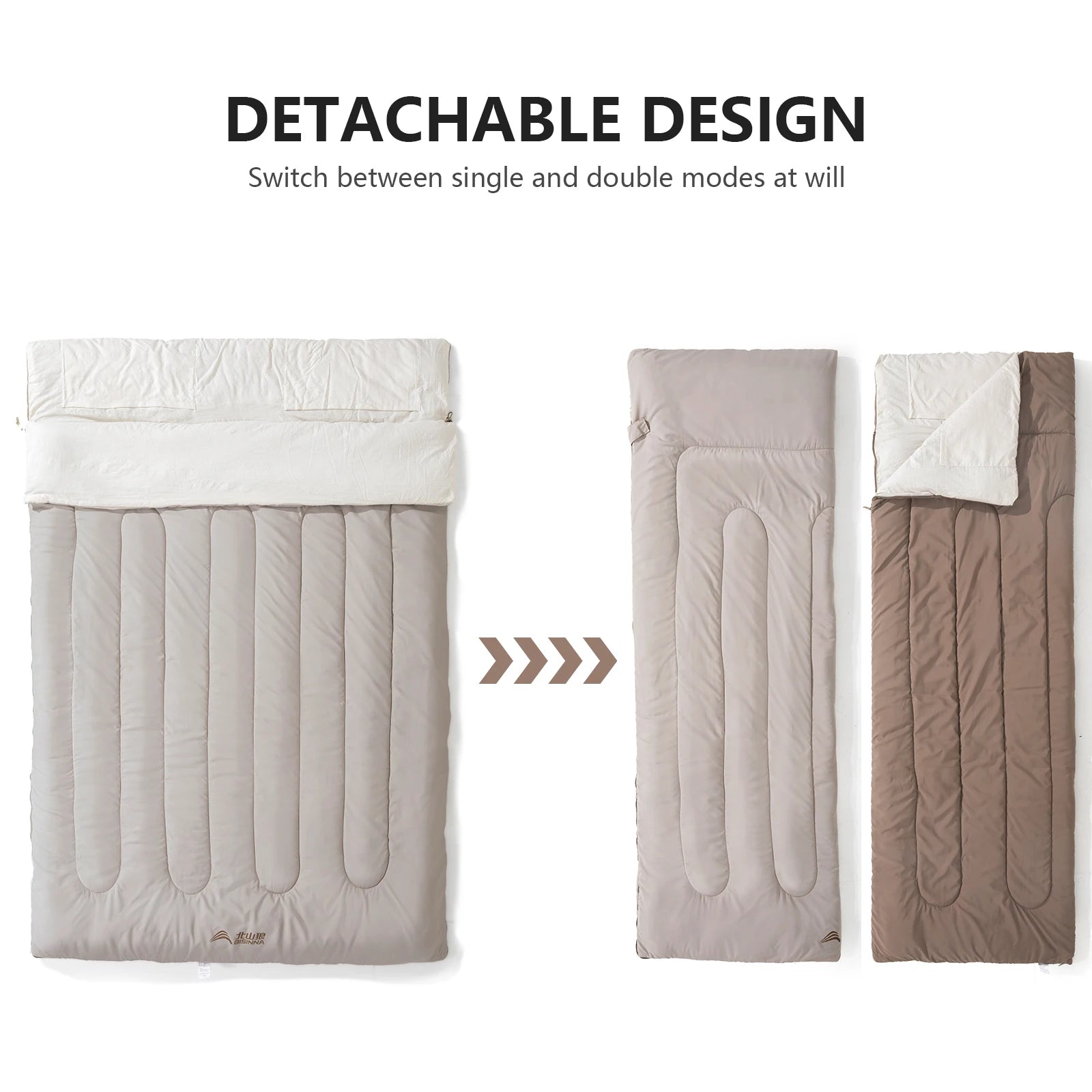
Does a sleeping bag zero degrees really keep you warm?
A sleeping bag zero degrees can keep most campers warm in freezing conditions when paired with proper layering, dry insulation, and ground protection. The biggest mistakes happen when campers ignore moisture buildup, compressed insulation, or poor campsite setup, all of which reduce warmth faster than outdoor temperatures alone.
Sleeping bag zero degrees performance can make or break your winter camping trip when temperatures suddenly drop overnight. Learn how to stay warm camping sleeping bag systems really work, avoid wet cold nights camping comfort disasters, and discover practical ways to improve warmth in camping sleeping bag setups without carrying extra bulk. From layering tricks to hidden heat-loss mistakes, these cold-weather strategies could completely change how you sleep outdoors this season.
Ever wake up shivering at 3 a.m. even though your sleeping bag was rated for freezing temperatures? Many campers assume temperature ratings guarantee comfort. In reality, warmth depends on your entire sleep system, campsite setup, clothing, and moisture control.
The good news is that small adjustments can dramatically improve comfort. Better layering, insulation beneath your body, and smarter ventilation often matter more than buying heavier gear.
👉 Planning cold-weather adventures? Explore reliable gear from Sleeping Bags & Sleeping Pads and build a warmer sleep setup before your next overnight trip.
💡 See it in action
Why Campers Still Feel Cold in a Zero Degree Sleeping Bag
A sleeping bag zero degrees rating does not always mean comfortable sleep at zero degrees. Most ratings are survival-based, not comfort-based. Wind exposure, damp clothing, and compressed insulation can make a camper feel cold long before temperatures hit the rating limit.
One of the biggest hidden problems is heat loss to the ground. Even premium insulation underneath your body compresses when you lie down, reducing trapped air and warmth.
Top Reasons Campers Get Cold Overnight
- Sleeping directly on frozen ground without insulation
- Wearing damp socks or sweaty base layers
- Breathing moisture into the sleeping bag
- Using oversized sleeping bags with extra air space
- Skipping nighttime calories and hydration
- Poor tent ventilation causing condensation
| Problem | Effect on Warmth | Easy Fix |
|---|---|---|
| Cold ground | Rapid body heat loss | Add insulated sleeping pad |
| Wet clothing | Reduces insulation performance | Change into dry layers |
| Condensation | Creates damp sleeping bag lining | Ventilate tent properly |
| Poor nutrition | Lower body heat production | Eat warm calorie-rich meals |
Campers who improve these basics often sleep warmer without adding bulky gear.
How to Stay Warm Camping Sleeping Bag Systems
A complete sleep system works better than relying on a sleeping bag alone. Combining insulated pads, dry clothing, weather protection, and heat-retaining accessories helps your body maintain warmth throughout the night.
- Use an insulated sleeping pad under your sleeping bag.
- Keep base layers dry before bed.
- Block wind with proper tent positioning.
- Eat a warm meal before sleeping.
- Store wet gear away from your sleeping area.
- Seal drafts around your neck and shoulders.
Many experienced winter campers also carry backup insulation from Blankets & Sleeping Comfort for unexpected weather changes.
Why Ground Insulation Matters More Than You Think
What gear actually makes camping easier during freezing nights? Surprisingly, an insulated sleeping pad often matters more than adding a thicker sleeping bag.
The ground constantly absorbs body heat. Snow, frozen dirt, and damp soil can pull warmth away for hours. Pairing your sleeping bag with gear from Ground Sheets & Tarps creates another protective barrier against cold surfaces.
One winter camper in Colorado reported feeling warmer after upgrading only their sleeping pad instead of buying a more expensive bag. Better insulation underneath made the biggest difference.
Best Layering Strategies for Freezing Nights
Layering correctly can improve warmth in camping sleeping bag setups without adding significant weight. The goal is trapping warm air while preventing sweat buildup.
Smart Clothing Layers for Winter Camping
- Moisture-wicking thermal base layer
- Light fleece or insulated mid-layer
- Dry wool socks reserved for sleeping
- Warm beanie or insulated hood
- Light gloves if temperatures drop below freezing
Avoid wearing heavy jackets inside your sleeping bag. Bulky layers compress insulation and reduce efficiency.
Keeping extra dry clothing inside Waterproof & Dry Bags also prevents unexpected moisture problems during snow or rain.
👉 Want a warmer and more organized campsite? Explore practical cold-weather essentials from Camping & Picnic and simplify your next freezing-night setup.
How to Avoid Wet Cold Nights Camping Comfort Problems
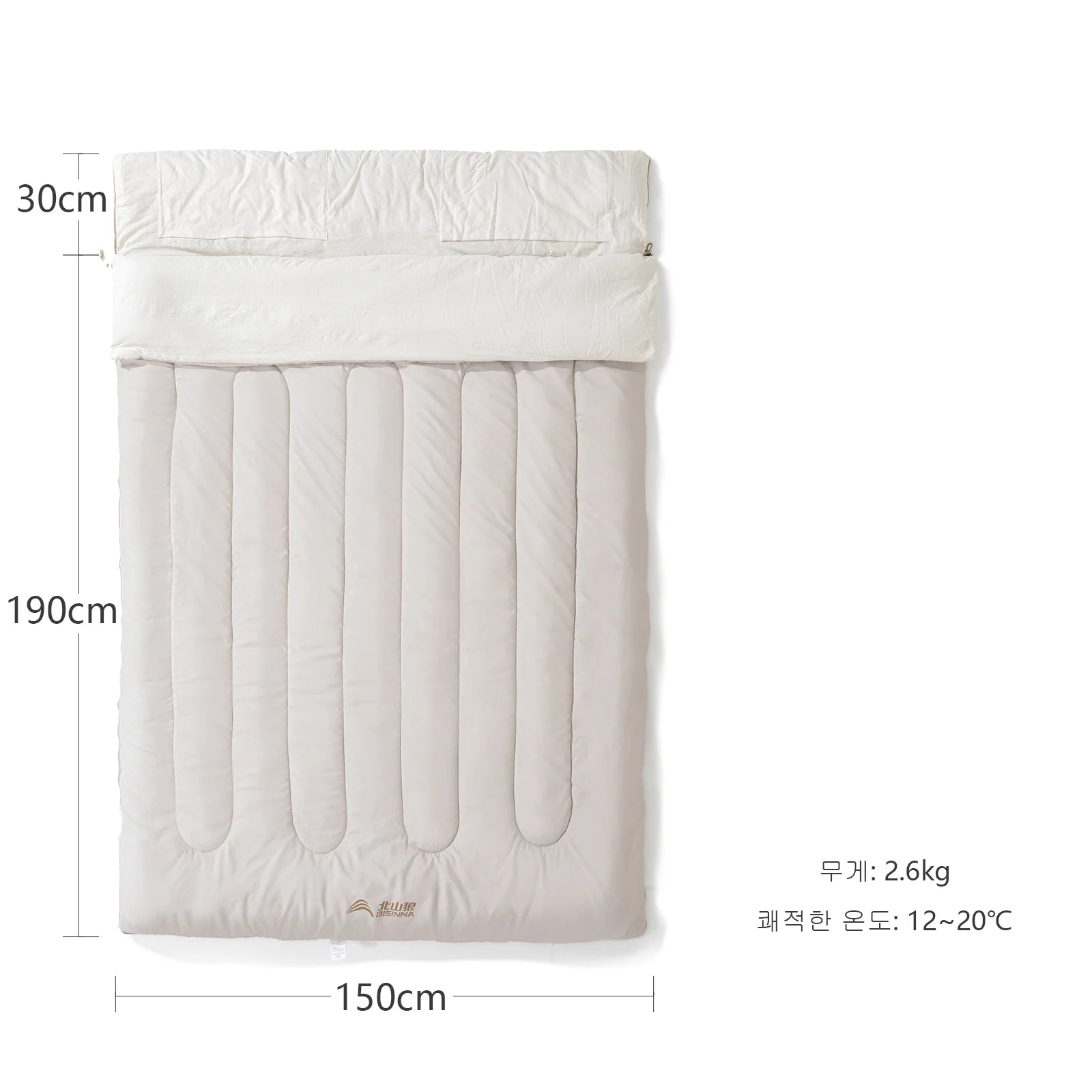
Wet cold nights camping comfort issues usually begin with trapped moisture. Even your own breath can create condensation inside tents and sleeping bags during freezing weather.
Damp insulation loses effectiveness quickly. That is why moisture management matters as much as insulation thickness.
💡 See it in action
Easy Ways to Reduce Moisture Overnight
- Vent your tent slightly even in cold weather.
- Keep wet boots outside the sleeping area.
- Use dry socks and gloves before bed.
- Avoid breathing fully inside the sleeping bag.
- Store electronics and water bottles carefully to reduce frost.
Campers using gear from Weather Protection & Environment often notice less condensation and more consistent overnight warmth.
| Moisture Source | Common Result | Prevention Tip |
|---|---|---|
| Breathing inside bag | Wet insulation near face | Keep mouth outside hood |
| Snow-covered boots | Tent humidity increase | Store in vestibule |
| Sweaty base layers | Cold sleeping conditions | Change clothes before bed |
| Poor ventilation | Heavy condensation | Open tent vents slightly |
Cold Weather Camping Gear Checklist
Winter campers stay more comfortable when they prepare for heat retention instead of reacting to cold after it happens.
Essential Gear for Freezing Nights
- Zero-degree sleeping bag
- Insulated sleeping pad
- Ground tarp
- Dry thermal clothing
- Warm hat and gloves
- Emergency blanket
- Portable lantern
- Hot food container
- Backup fire starter
Reliable lighting from Tent & Camping Lanterns also helps campers manage gear efficiently during dark winter evenings.
For hot meals that help your body produce warmth overnight, many campers rely on gear from Camping Stoves & Cooking.
Ways to Improve Warmth in Camping Sleeping Bag Setups
Improve warmth in camping sleeping bag systems by maximizing heat retention instead of simply adding layers. Strategic upgrades can increase comfort dramatically while keeping packs lightweight.
Small Changes That Make a Big Difference
- Fill empty water bottles with warm water before bed
- Wear a beanie to reduce heat loss
- Place tomorrow’s clothes inside the bag overnight
- Tighten hood and neck baffles properly
- Use compression storage only during travel, not overnight
Storage matters too. Constantly compressed insulation loses loft over time. Products from
Pillar Article: Camping In Cold Weather Tips: How To Stay Warm All Night
Other Related Articles:
- Camping Quilt Vs Sleeping Bag: How To Choose The Right One
- Lightweight Camping Sleeping Bags: How To Pack For Trips
- X Large Sleeping Bag: How To Choose And Use It Right
Explore More:





