

Camping Quilt Vs Sleeping Bag: How To Choose The Right One
Camping Quilt Vs Sleeping Bag: How To Choose The Right One
⏱ 9 min read
Camping Quilt Vs Sleeping Bag: Which Is Better for Outdoor Comfort?
Camping quilt vs sleeping bag comes down to warmth, weight, comfort, and ventilation. Sleeping bags trap more heat for cold weather camping, while quilts reduce overheating in sleeping bag camping by allowing better airflow and flexible layering. The best choice depends on your climate, sleep style, and how light you want to pack.
Trying to sleep outdoors with the wrong gear can turn an exciting trip into a restless night. Some campers wake up sweaty and uncomfortable, while others shiver despite packing bulky insulation. So what gear actually makes camping easier? Understanding the difference between a camping quilt vs sleeping bag can completely change your comfort level, especially during backpacking trips, car camping weekends, or unpredictable mountain weather.
Upgrade your outdoor setup with lightweight sleep systems, weather-ready shelter, and comfort-focused accessories before your next adventure. Explore Sleeping Bags & Sleeping Pads and Camping & Picnic.
💡 See it in action
What Is the Difference Between a Camping Quilt and Sleeping Bag?
Camping quilt vs sleeping bag comparisons usually focus on warmth and weight, but comfort matters just as much. Sleeping bags fully wrap around the body with a hood and zipper, while camping quilts remove the underside insulation and open like a blanket. Quilts save weight and improve airflow, while sleeping bags maximize heat retention during colder nights.
An insulated sleeping bag vs quilt camping setup changes how your body regulates heat overnight. Since insulation underneath your body compresses and loses efficiency anyway, many backpackers prefer quilts for lighter packing and less restriction.
Key Differences Campers Notice Immediately
- Sleeping bags trap body heat more effectively
- Quilts feel roomier and less restrictive
- Quilts usually pack smaller and lighter
- Sleeping bags perform better in freezing temperatures
- Quilts help reduce overheating in sleeping bag camping
| Feature | Camping Quilt | Sleeping Bag |
|---|---|---|
| Weight | Lighter | Heavier |
| Warmth | Moderate to high | Excellent |
| Ventilation | Very breathable | Limited airflow |
| Cold Weather Use | Best with layering | Ideal for freezing conditions |
| Movement | Flexible | Restrictive |
Campers pairing quilts with insulated pads often browse Blankets & Sleeping Comfort and Compression & Packing Bags to build a lighter and more organized sleep system.
Why More Campers Are Switching to Quilts
Backpackers and minimalist campers increasingly prefer quilts because they eliminate unnecessary bulk. Carrying less weight matters when hiking long distances or packing small vehicles.
How Quilts Help Reduce Overheating
One of the biggest complaints about traditional sleep systems is overheating. Quilts allow airflow around the shoulders and feet, making temperature regulation easier during humid or mild-weather camping.
- Open the quilt partially during warmer nights
- Layer clothing underneath instead of trapping excess heat
- Use insulated sleeping pads for balanced warmth
- Adjust airflow without fully exposing yourself to cold air
Campers in warmer regions often combine quilts with gear from Lightweight Daypacks and Weather Protection & Environment collections for easier travel and temperature management.
Benefits Backpackers Love
- Less pack weight during long hikes
- Smaller packed size
- Better comfort for side sleepers
- Improved airflow during summer camping
- Easier layering with insulated clothing
Compare lightweight sleep systems, insulation accessories, and camping essentials for your next trail adventure. Explore Backpacking & Carry and Outdoor Comfort & Recovery.
When a Sleeping Bag Is the Better Choice
Although quilts are gaining popularity, sleeping bags remain the top option for harsh weather. If temperatures drop below freezing, a full sleeping bag provides more reliable warmth and wind protection.
Cold-weather campers often prioritize heat retention over weight savings. A mummy-style sleeping bag keeps warm air close to the body and protects the head and shoulders.
Best Situations for Sleeping Bags
- Winter camping trips
- High-altitude backpacking
- Cold and windy environments
- Beginner campers unfamiliar with layering
- Family camping in unpredictable weather
Pairing your sleep system with Ground Sheets & Tarps and Wind & Cold Protection gear can dramatically improve overnight warmth.
💡 See it in action
How to Reduce Overheating in Sleeping Bag Camping
Many campers assume they need thicker insulation, but overheating is often caused by poor ventilation and overdressing. Learning how to regulate warmth can improve sleep quality immediately.
Practical Ways to Stay Comfortable Overnight
- Wear moisture-wicking base layers instead of heavy clothing
- Vent the sleeping bag zipper partially
- Use a lower temperature-rated sleeping bag during warmer seasons
- Add breathable sleeping pads underneath
- Avoid trapping damp air inside your tent
Adding airflow with accessories from Tent & Camping Lanterns and Car Camping Accessories can help create a cooler and more comfortable sleep environment.
Signs Your Sleep System Is Too Warm
- Waking up sweaty overnight
- Condensation inside the tent
- Difficulty falling asleep
- Constantly opening and closing the sleeping bag
- Restless sleep despite cool temperatures
Best Ways to Insulate Sleeping Bag for Cold Nights
The best ways to insulate sleeping bag setups involve layering and ground protection instead of simply choosing thicker bags. Heat loss often happens underneath the body through the ground.
Simple Upgrades That Add Warmth Fast
- Use insulated sleeping pads
- Add fleece liners inside the sleeping bag
- Sleep with dry socks and thermal layers
- Place reflective blankets under pads
- Block wind with tarps or shelter walls
Many experienced campers also carry accessories from Inflatable Pillows and Survival Accessories collections to improve comfort and emergency readiness.
Layering Example for Cold Weather
| Layer | Purpose |
|---|---|
| Ground tarp | Blocks moisture and cold transfer |
| Insulated sleeping pad | Prevents heat loss to ground |
| Sleeping bag or quilt | Main insulation layer |
| Thermal clothing | Adds body warmth retention |
| Blanket or liner | Extra warmth during freezing nights |
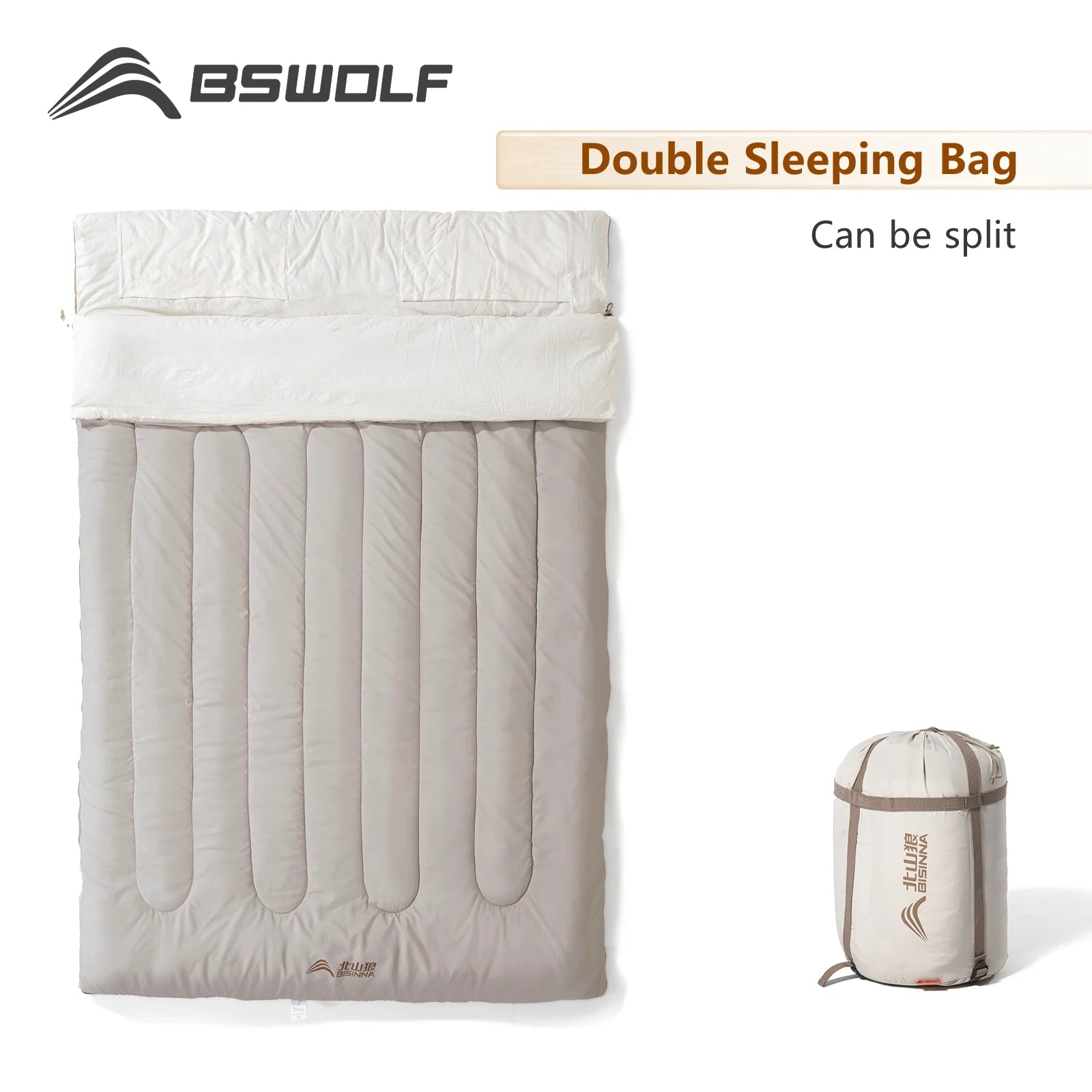
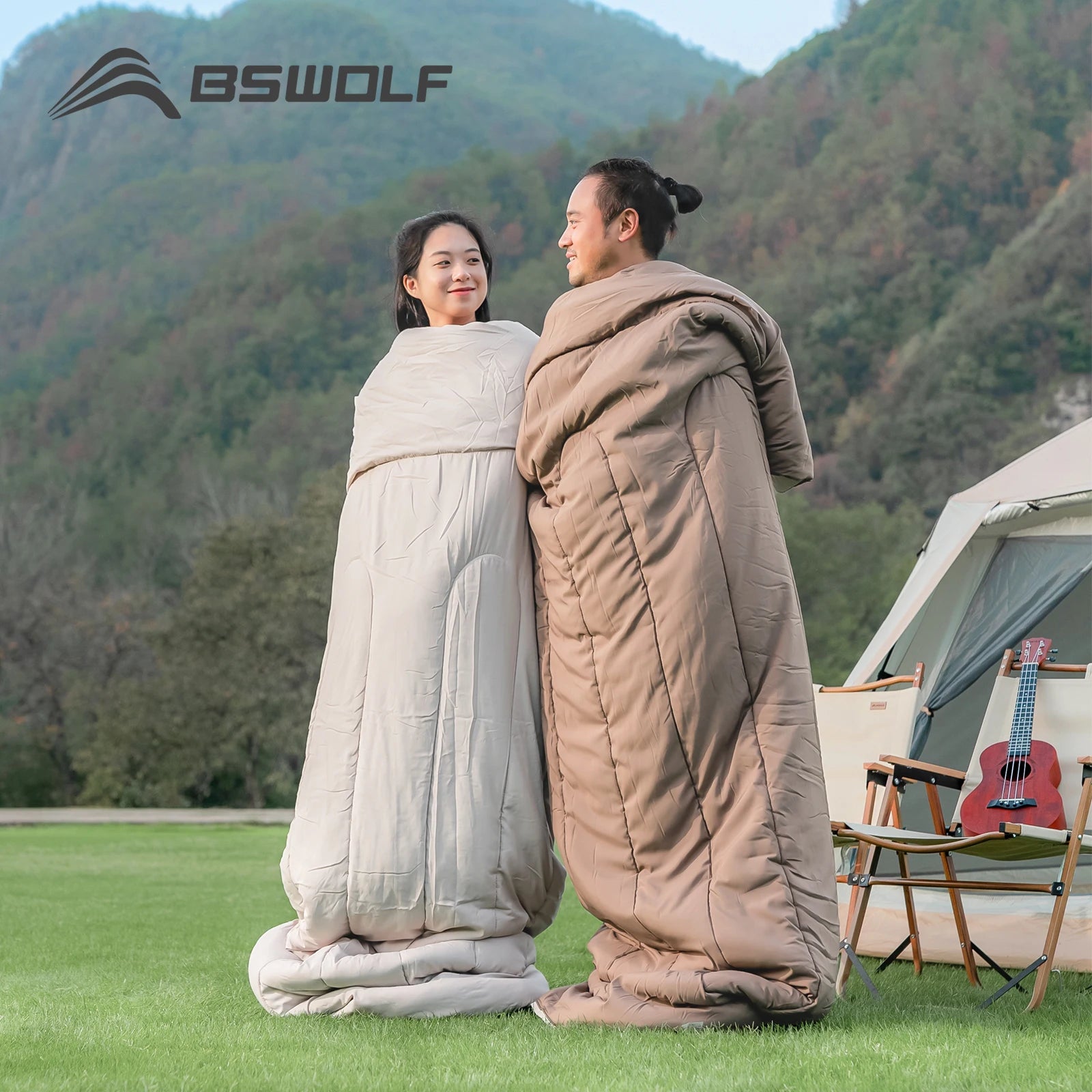
For versatile setups, many campers choose the 2 Person Camping Sleeping Bag Detachable because it can separate into individual layers while still offering cold-weather coverage.
Camping Quilt vs Sleeping Bag Comparison Table
| Camping Style | Best Choice | Reason |
|---|---|---|
| Summer backpacking | Quilt | Lightweight and breathable |
| Winter camping | Sleeping bag | Maximum heat retention |
| Car camping | Either | Weight matters less |
| Side sleepers | Quilt | More movement freedom |
| First-time campers | Sleeping bag | Easier temperature control |
How to Choose the Right Outdoor Sleep System
The right sleep setup depends on where you camp, how warm you naturally sleep, and how much gear you want to carry.
Ask Yourself These Questions
- Do you camp mostly in warm or cold weather?
- Do you overheat easily while sleeping?
- Are you backpacking long distances?
- Do you sleep on your side or move frequently?
- Will you share your sleep setup with a partner?
Couples often prefer adaptable sleep systems like the 2 Person Camping Sleeping Bag Detachable because it offers both shared warmth and flexible separation.
Adding storage gear from Gear Organizers & Pouches and Waterproof & Dry Bags also helps keep bedding dry and organized during longer trips.
Build a warmer, lighter, and more comfortable campsite with adaptable sleep systems and weather-ready accessories. Browse Sleeping Bags & Sleeping Pads today.
Essential Camping Sleep Setup Checklist
- Sleeping bag or camping quilt
- Insulated sleeping pad
- Ground tarp
- Thermal base layers
- Dry socks
- Inflatable pillow
- Compact lantern or headlamp
- Compression bag for storage
Keeping your campsite organized with Camping Storage & Boxes and Hooks, Clips & Carabiners can make setup easier after long travel days.
Real Camper Experiences
“I switched from a mummy bag to a quilt during summer backpacking trips and finally stopped waking up sweaty every night.” — Ryan, Colorado
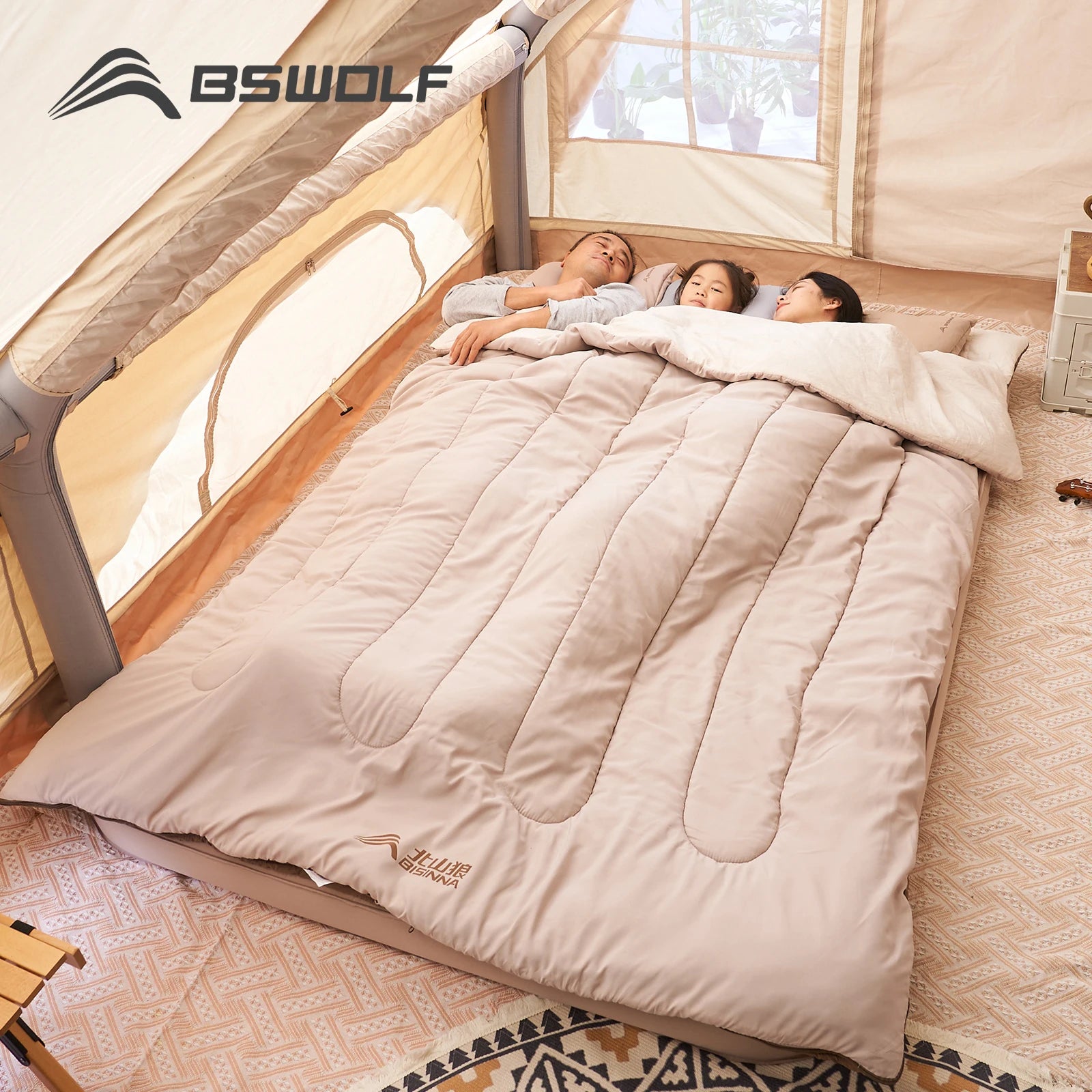
“Our detachable double sleeping bag made family camping so much easier because we could zip apart when temperatures changed.” — Melissa, Oregon
“Using a sleeping pad underneath my quilt made a huge difference during mountain camping.” — Jake, Utah
💡 See it in action
Conclusion: Which Sleep System Should You Choose?
If you prioritize warmth during freezing conditions, a sleeping bag remains the safest option. But if you value lighter packing, flexibility, and improved airflow, a camping quilt may completely change your outdoor comfort.
The good news is that modern outdoor sleep systems offer far more versatility than before. Whether you choose a quilt, a sleeping bag, or a hybrid setup, the key is matching your insulation to your environment and sleeping habits.
For campers wanting adaptable comfort in changing conditions, the 2 Person Camping Sleeping Bag Detachable provides flexibility for solo adventures, couples trips, and family camping weekends alike.
FAQ
Is a camping quilt warmer than a sleeping bag?
Sleeping bags are generally warmer because they fully enclose the body and trap heat more effectively. Quilts rely more heavily on insulated sleeping pads and layering.
How do I reduce overheating in sleeping bag camping?
Choose breathable layers, partially unzip the bag, improve tent ventilation, and avoid overdressing before sleep.
What is the best insulation setup for cold weather camping?
Use a layered system including a ground tarp, insulated sleeping pad, quality sleeping bag or quilt, and dry thermal clothing.
Are quilts good for backpacking?
Yes. Quilts are popular for backpacking because they weigh less, pack smaller, and allow better airflow during warm-weather trips.
What should beginners choose: camping quilt vs sleeping bag?
Most beginners find sleeping bags easier because they provide simple warmth management and full-body insulation during unpredictable weather.
Pillar Article: Camping In Cold Weather Tips: How To Stay Warm All Night
Other Related Articles:
- Sleeping Bag Zero Degrees: How To Stay Warm In Freezing Nights
- Lightweight Camping Sleeping Bags: How To Pack For Trips
- X Large Sleeping Bag: How To Choose And Use It Right
Explore More:





