

Propane Vs Butane Camp Stove: Which Should You Choose?
Propane Vs Butane Camp Stove: Which Should You Choose?
Is a propane or butane camp stove better for outdoor cooking?
Propane vs butane camp stove choices depend on where and how you camp. Propane performs better in cold weather and windy conditions, while butane is lighter and easier to pack for short trips. The best option comes down to temperature, cooking power, portability, and fuel availability during your outdoor adventures.
⏱ 9 min read
Choosing between propane and butane can feel confusing when you’re packing for a weekend camping trip or planning a longer outdoor adventure. One fuel works better in freezing mountain conditions, while the other shines for lightweight travel and quick cooking. So which stove actually makes camping easier? This guide breaks down the real-world pros, cons, fuel performance, and cooking experience to help you choose the right setup for your next trip.
Camping Stoves & Cooking | Outdoor Cookware | Explore high power stove options
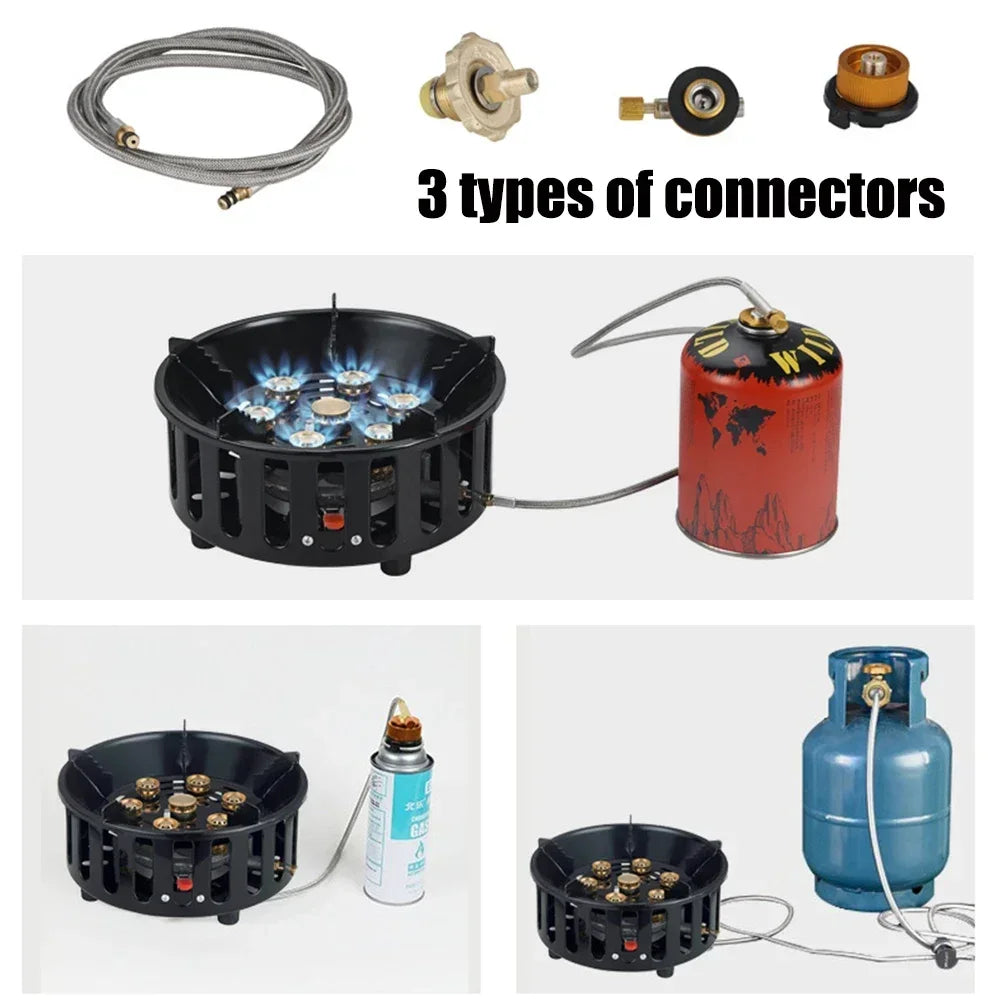
💡 See it in action
Quick Comparison: Propane Vs Butane Camp Stove
When comparing a portable camping stove versus propane stove setup, the biggest differences come down to temperature performance, fuel storage, and cooking power. Many outdoor cooks choose propane for versatility, while backpackers often prefer butane for compact travel.
| Feature | Propane Stove | Butane Stove |
|---|---|---|
| Cold Weather Use | Excellent | Limited in freezing temperatures |
| Wind Resistance | Better flame stability | Can struggle in strong wind |
| Portability | Slightly bulkier fuel canisters | Compact and lightweight |
| Cooking Power | Higher average BTU output | Moderate power |
| Fuel Availability | Widely available | May be harder to find remotely |
| Best Use | Car camping, cold trips | Short lightweight trips |
Why many campers still choose propane
- Reliable ignition during cold mornings
- Handles windy weather better
- Supports larger cookware setups
- Works well for group meals and long cooking sessions
Why butane remains popular
- Smaller fuel canisters fit easily into packs
- Compact stove designs save space
- Simple ignition systems
- Ideal for mild-weather weekend camping
Many experienced campers actually keep both systems depending on the season. One hiker from Colorado shared that switching from butane to propane during fall mountain trips reduced cooking time dramatically once temperatures dropped below freezing.
Why Propane Wins in Cold Weather
Propane maintains strong pressure even in freezing conditions, making it the preferred option for winter camping and high-altitude cooking. Butane struggles when temperatures drop because the fuel vaporizes poorly in cold air, often leading to weak flames or failed ignition.
If you’ve ever tried boiling water on a cold mountain morning with a weak stove flame, you already know how frustrating fuel performance can become.
Common cold-weather problems with butane
- Longer boil times
- Weak flame output
- Difficulty igniting
- Reduced fuel efficiency
For campers exploring snowy trails or windy lakeside campsites, propane usually provides a safer and more reliable cooking experience.
Pairing your stove setup with gear from Wind & Cold Protection can also help maintain heat efficiency during freezing overnight trips.
How Butane Makes Portable Cooking Easier
Despite its cold-weather limitations, butane still offers excellent convenience for lightweight travel. A butane stove often weighs less, packs smaller, and feels simpler for quick outdoor meals.
For solo campers or road-trippers cooking basic meals, portability matters just as much as raw cooking power.
Situations where butane works best
- Summer camping trips
- Short weekend adventures
- Picnic cooking setups
- Ultralight gear systems
Compact butane stoves also pair nicely with gear from Foldable Travel Gear and Lightweight Daypacks when every inch of space matters.
One traveler described switching to butane during a coastal road trip simply because the smaller canisters fit more neatly inside limited trunk storage.
Best Camping Stove for Windy Weather
Strong wind can ruin outdoor cooking faster than almost any other weather condition. Even powerful stoves lose efficiency when flames are exposed directly to moving air.
So what’s the best camping stove for windy weather?
In most cases, propane stoves perform better because they maintain higher pressure and stronger flame output. Many high power portable camping stove models also include built-in wind guards or wider burner heads for added stability.
Weather Protection & Environment | Camping & Picnic | View high-output camping stove
Features that improve wind resistance
| Feature | Benefit |
|---|---|
| Wide burner design | More stable flame distribution |
| Integrated wind guard | Blocks crosswinds |
| Higher BTU output | Faster cooking in harsh weather |
| Low center of gravity | Better pot stability outdoors |
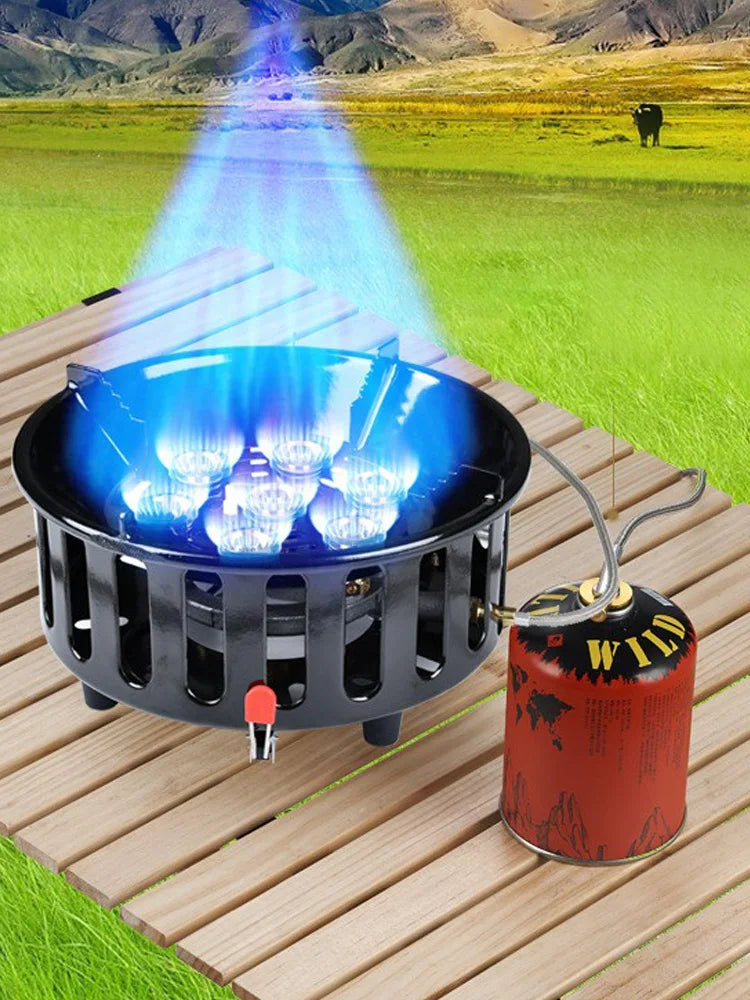
💡 See it in action
Campers cooking near beaches, open desert areas, or mountain ridges usually notice the difference immediately. Faster boil times mean less fuel waste and less frustration after a long hiking day.
Fuel Efficiency and Cooking Time Compared
Fuel efficiency becomes important during longer trips where carrying extra canisters adds weight and cost.
Propane typically burns hotter, which helps reduce cooking time. However, butane often burns slightly cleaner and can feel more efficient during mild weather conditions.
How to maximize fuel efficiency outdoors
- Use lids while boiling water
- Cook behind natural wind barriers
- Keep fuel canisters warm in cold weather
- Choose cookware designed for outdoor heat transfer
Combining your stove with equipment from Outdoor Cookware and Food Storage Bags & Containers can help simplify meal prep and reduce wasted fuel.
Some campers report cutting meal prep time nearly in half after upgrading from basic compact stoves to higher-output burners with better flame control.
How High Power Portable Camping Stoves Improve Outdoor Cooking
A high power portable camping stove can dramatically improve outdoor cooking speed, especially for families, group trips, or larger cookware setups.
Instead of waiting endlessly for water to boil, stronger burners help maintain consistent cooking temperatures even in rough weather.
Benefits of high-output camping stoves
- Faster boiling for coffee and meals
- Better heat control for real cooking
- Improved performance at elevation
- Reliable flame during windy weather
Campers preparing full breakfasts, grilled meals, or larger dinners often prefer more powerful burners because they feel closer to home kitchen performance.
For larger campsites, many outdoor cooks also combine stove setups with products from Folding Chairs & Tables and Car Camping Accessories to create more comfortable outdoor kitchens.
Which Stove Fits Different Camping Styles?
Best for backpacking trips
Butane stoves are usually easier to carry because of their compact fuel canisters and lightweight design.
Best for family camping
Propane stoves provide better cooking power for larger meals and group cooking setups.
Best for winter adventures
Propane remains the clear winner thanks to reliable cold-weather pressure and ignition.
Best for quick roadside meals
Butane stoves often feel faster and simpler for quick setup during road trips.
| Camping Style | Recommended Stove |
|---|---|
| Backpacking | Butane |
| Winter Camping | Propane |
| Family Camping | Propane |
| Weekend Picnics | Butane |
| Windy Conditions | Propane |
Outdoor enthusiasts who regularly switch environments sometimes keep both fuel systems ready depending on the season and trip length.
Smart Packing Checklist for Camp Cooking
Choosing the right stove matters, but smart organization also improves the entire outdoor cooking experience.
Helpful gear to pack with your stove
- Fuel canisters and backup ignition
- Compact cookware set
- Water storage system
- Weather protection tarp
- Portable lighting for night cooking
Useful companion gear can be found in:
- Fire Starters & Ignition
- Camping Storage & Boxes
- Tent & Camping Lanterns
- Collapsible Water Bottles
- Ground Sheets & Tarps
Small upgrades often create the biggest comfort improvements during camping trips. Better organization, reliable cooking, and faster setup can completely change the outdoor experience.
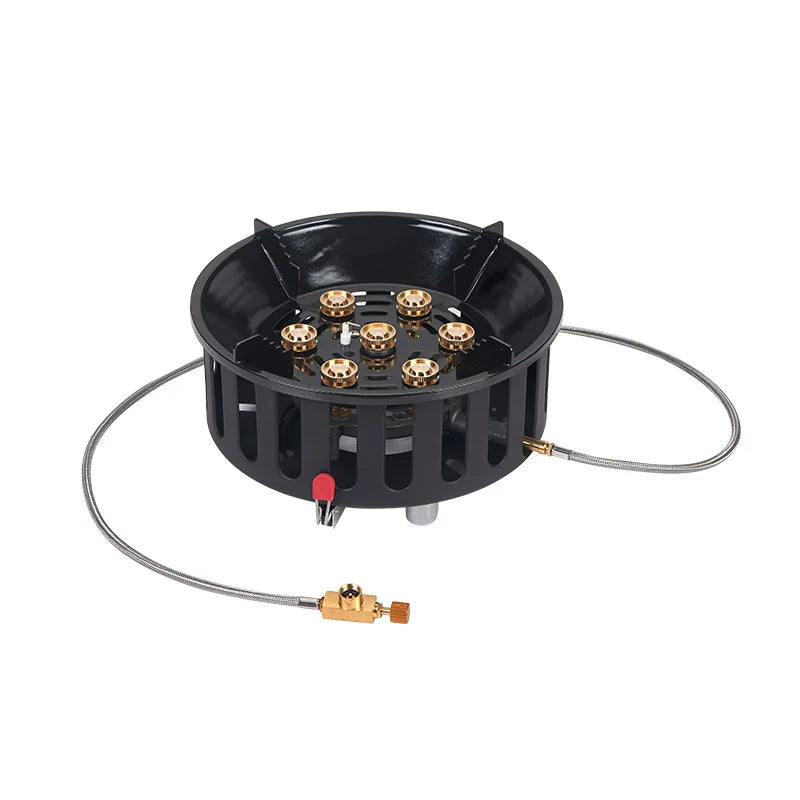
💡 See it in action
Final Thoughts on Propane Vs Butane Camp Stove Choices
If you camp year-round, cook in cold weather, or regularly deal with wind, propane usually offers the best reliability and cooking performance. But if lightweight packing and convenience matter most, butane remains an excellent option for casual outdoor cooking.
The right stove depends less on brand names and more on how you actually travel, cook, and camp.
Shop the high power camping stove
Camping Stoves & Cooking | Hydration & Food | Camping & Picnic
Frequently Asked Questions
Is propane better than butane for camping?
Propane is generally better for cold weather, windy conditions, and higher cooking power. Butane is lighter and more compact, making it ideal for mild-weather camping and shorter trips.
Can butane stoves work in winter?
Butane struggles in freezing temperatures because the fuel vaporizes poorly in cold air. Performance often drops significantly below 32°F.
What is the best camping stove for windy weather?
High-output propane stoves with wind guards usually perform best in windy outdoor environments because they maintain stronger flame stability.
Are propane stoves safe for camping?
Yes, propane stoves are safe when used outdoors with proper ventilation and stable setup. Always inspect fuel connections before use.
Which fuel lasts longer
Pillar Article: Best Portable Camping Stoves: 2026 Comparison Guide
Other Related Articles:
- Butane Camping Stove: Review And Top Models Compared
- Best Propane Camping Stove: Top Picks Compared 2026
- Compact Backpacking Stove: Best Lightweight Options Compared
- Camping Stove Butane Vs Propane: Key Differences Explained
Explore More:





