

Compact Backpacking Stove: Best Lightweight Options Compared
Propane Vs Butane Camp Stove: Which Should You Choose?
⏱ 8 min read
Which fuel is better in a propane vs butane camp stove comparison?
In a propane vs butane camp stove comparison, propane performs better in cold weather and windy conditions, while butane is lighter, more compact, and easier to pack for casual camping trips. The best choice depends on your climate, cooking style, fuel availability, and how much portability matters during outdoor adventures.
Propane vs butane camp stove choices can completely change how you cook outdoors, especially when fuel efficiency, cold-weather performance, and portability matter most. Whether you're planning a quick weekend picnic, a mountain backpacking trip, or a windy coastal campsite, choosing the right fuel system helps you cook faster, pack smarter, and avoid frustrating outdoor cooking problems.
Have you ever tried boiling water at camp while strong wind keeps blowing out your flame? Or discovered your stove struggling in freezing temperatures right when you needed a hot meal most?
This guide breaks down the portable camping stove versus propane stove debate with practical comparisons, real camping scenarios, and easy tips for choosing the best camping stove for windy weather and outdoor reliability.
👉 Discover must-have camping gear before your next outdoor trip.
Camping Stoves & Cooking | Outdoor Cookware | 19800W High Power Camping Stove
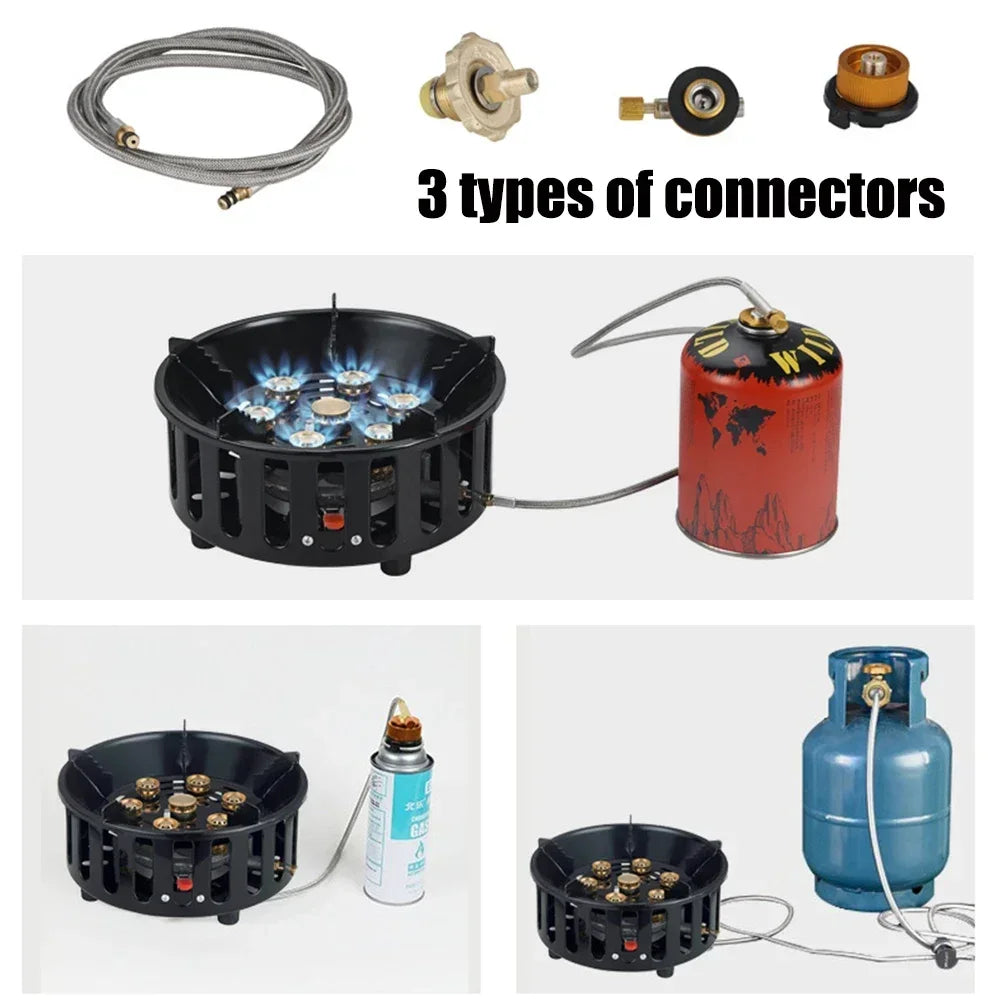
💡 See it in action
Quick Comparison: Propane vs Butane Camp Stove
The biggest difference between propane and butane camp stoves comes down to temperature performance, fuel storage, and portability. Propane handles colder environments and stronger winds more effectively, while butane offers lighter canisters and a more compact cooking setup for casual campers and short outdoor trips.
| Feature | Propane Stove | Butane Stove |
|---|---|---|
| Cold Weather Use | Excellent | Limited below freezing |
| Wind Resistance | Better flame strength | Less stable in wind |
| Portability | Bulkier fuel canisters | Compact and lightweight |
| Fuel Availability | Widely available | Common in urban/outdoor stores |
| Cooking Power | Higher average BTU output | Efficient for lighter cooking |
| Best Use | Cold-weather camping | Weekend trips and picnics |
Why Propane Works Better in Cold Weather
If you're camping in the mountains, late fall, or early spring, propane becomes the more dependable option. Propane vaporizes at much lower temperatures than butane, which means your stove keeps producing steady heat even when temperatures drop below freezing.
This matters more than many campers expect. Cold weather can slow cooking times dramatically, especially during breakfast or late-night meals.
Benefits of propane in cold conditions
- Maintains flame strength in freezing temperatures
- Boils water faster during windy conditions
- Works reliably at higher elevations
- Better for snow camping and winter road trips
Campers using propane often report fewer ignition issues during cold mornings. That reliability can make outdoor cooking less stressful when weather conditions change suddenly.
For winter-ready setups, pairing your stove with Wind & Cold Protection gear can improve cooking efficiency even more.
How Butane Makes Packing Easier
Butane camp stoves shine when portability matters most. Their smaller fuel canisters and slim stove designs fit neatly into compact storage bins, picnic kits, and lightweight daypacks.
If you're heading to a beach campsite, festival, fishing trip, or short overnight adventure, butane often feels more convenient.
Why casual campers prefer butane
- Compact canisters reduce pack weight
- Easy ignition systems
- Cleaner storage inside vehicles
- Ideal for short cooking sessions
Families traveling with organized cooking kits often combine butane stoves with Camping Storage & Boxes and Foldable Travel Gear for easier setup at roadside campsites.
Choosing the Best Camping Stove for Windy Weather
The best camping stove for windy weather usually uses propane or a high-output burner system with strong flame control. Wind reduces heating efficiency quickly, especially when using smaller burners with low BTU output.
A strong burner combined with a wind-resistant design helps conserve fuel and shortens cooking times significantly.
Features that improve windy-weather cooking
- Wide burner heads for stable flames
- Integrated wind guards
- Higher BTU output
- Low-profile stove construction
- Stable fuel connections
Many outdoor travelers upgrade to a 19800W High Power Camping Stove because the stronger burner reduces cooking frustration during unpredictable weather.
👉 Learn how to choose the right hiking and cooking gear for changing outdoor conditions.
Camping & Picnic | Weather Protection & Environment | Car Camping Accessories
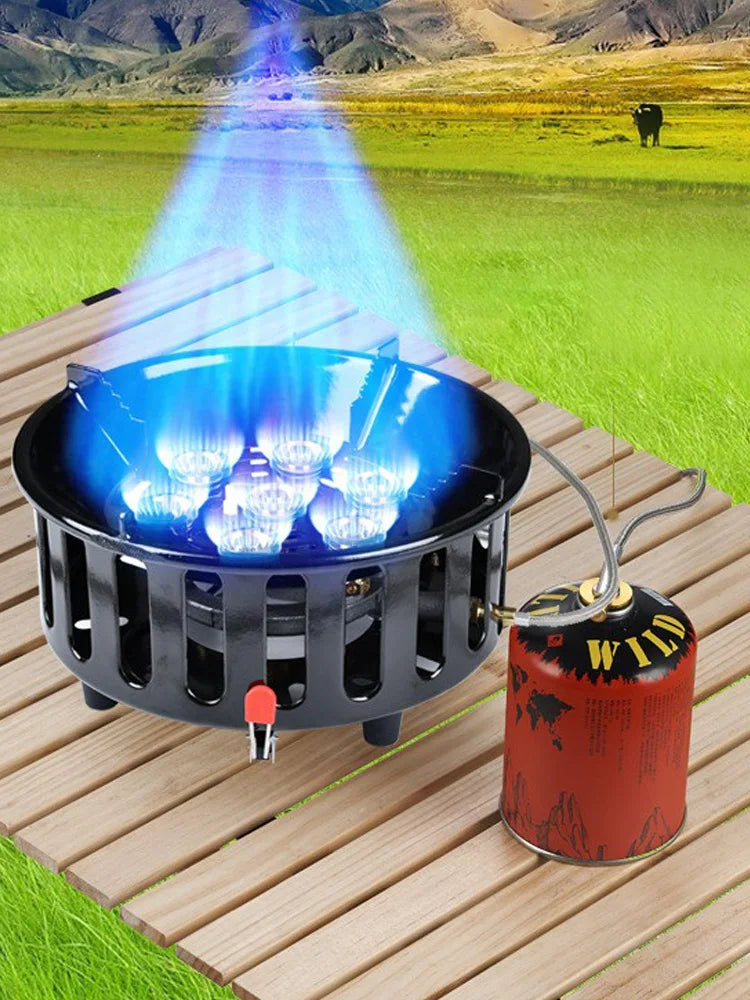
💡 See it in action
Fuel Efficiency and Burn Time Explained
Fuel efficiency depends on more than just the fuel type. Burner design, cookware size, wind exposure, and cooking habits all affect how long your fuel lasts.
Still, propane generally offers better performance during extended cooking sessions because it maintains pressure more consistently in colder environments.
| Cooking Scenario | Better Fuel Choice | Reason |
|---|---|---|
| Cold mountain camping | Propane | Reliable pressure and heat |
| Quick weekend picnic | Butane | Compact and lightweight |
| Family campsite cooking | Propane | Longer cooking stability |
| Urban car camping | Butane | Easy storage and portability |
| Windy coastal camping | Propane | Stronger flame output |
Using proper cookware also improves efficiency. Pairing a stove with gear from Outdoor Cookware and Food Storage Bags & Containers helps reduce wasted heat and simplifies cleanup after meals.
When You Need a High Power Portable Camping Stove
A high power portable camping stove becomes especially valuable when cooking for groups, handling large pots, or preparing meals in rough weather.
Lower-powered burners may work for boiling coffee or heating soup, but larger meals often require stronger heat output.
Signs you should upgrade to a higher-output stove
- You regularly cook for 3+ people
- Your campsite experiences strong wind
- You need faster boiling times
- You camp during colder seasons
- You use larger cookware outdoors
Outdoor travelers frequently mention how powerful burners reduce meal prep stress after long hikes or late campsite arrivals.
"Our old stove struggled every windy night. Switching to a high-output propane setup cut our cooking time nearly in half during mountain trips."
For organized camp kitchens, many campers also use Folding Chairs & Tables and Camping Lights & Lanterns to create a more comfortable outdoor cooking space.
Best Stove Choice for Different Camping Styles
Backpacking and lightweight hiking
Butane usually wins for ultralight travel because smaller fuel canisters save space and weight. Pairing compact stoves with Lightweight Daypacks and Compression & Packing Bags keeps gear manageable on longer hikes.
Car camping and family trips
Propane becomes more practical for family cooking setups because fuel lasts longer and handles larger cooking loads more efficiently.
Families often combine stove systems with Group Picnic Accessories and Family Outdoor Bundles for easier campsite organization.
Emergency preparedness and road trips
Propane is often preferred for emergency cooking kits due to its reliable cold-weather performance and broad fuel availability.
Many road trippers store stoves alongside Emergency Road Kits and Portable Power Banks for backup preparedness during longer drives.
Camp Cooking Packing Checklist
A good stove setup works best when paired with organized gear. Here’s a practical checklist many experienced campers follow:
- Portable stove and backup fuel
- Windshield or cooking shelter
- Ignition tools from Fire Starters & Ignition
- Compact cookware and utensils
- Water storage from Collapsible Water Bottles
- Lighting from Lighting & Power
- Meal storage containers
- Ground protection tarp
Planning ahead reduces campsite stress and helps avoid common outdoor cooking problems like unstable surfaces, missing tools, or fuel shortages.
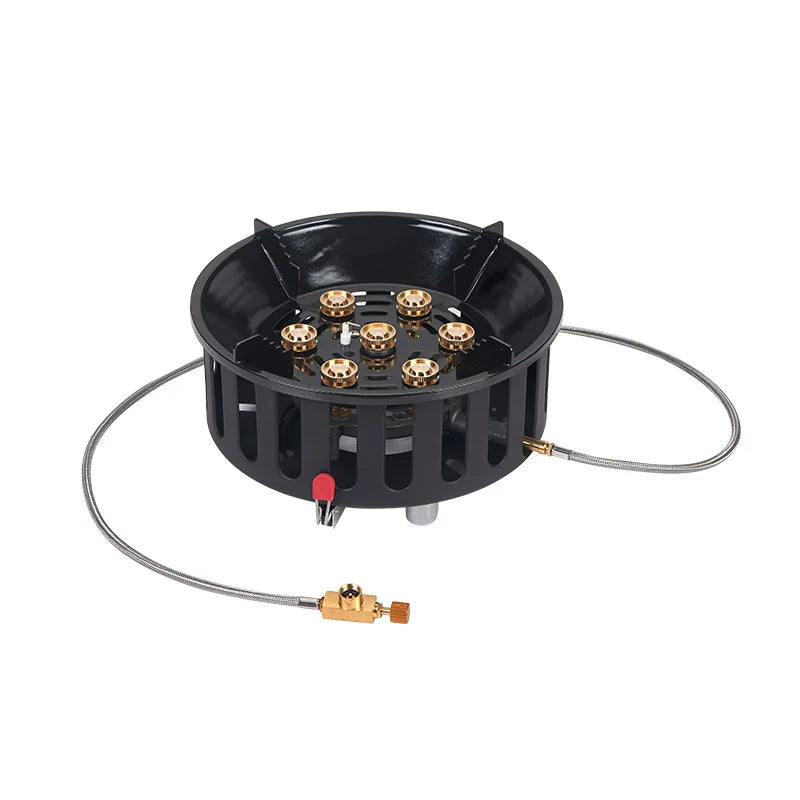
💡 See it in action
So, Which Camp Stove Fuel Should You Choose?
The best propane vs butane camp stove choice depends on how and where you camp most often.
- Choose propane for cold weather, strong wind, larger meals, and reliable power.
- Choose butane for lightweight trips, compact storage, and short outdoor cooking sessions.
- Choose a high-output burner if weather conditions are unpredictable or group cooking is common.
For many outdoor travelers, having the right stove turns campsite cooking from a frustrating chore into one of the best parts of the adventure.
👉 Get yours now before your next trip and cook outdoors with more confidence.
Shop the 19800W High Power Camping Stove
Camping Stoves & Cooking | Outdoor Cookware | Travel, Car & Road Trip
FAQ
Is propane or butane better for winter camping?
Propane is better for winter camping because it continues vaporizing efficiently in freezing temperatures, allowing the stove to maintain stronger and more reliable heat output.
What is the best camping stove for windy weather?
A high-output propane stove with built-in wind resistance typically performs best in windy weather because stronger burners maintain stable flames and faster cooking times outdoors.
Are butane camp stoves safe for car camping?
Yes, butane camp stoves are commonly used for car camping and short outdoor trips because they are compact, portable, and easy to store when handled properly.
Do high power portable camping stoves use more fuel?
Higher-output stoves can consume fuel faster at maximum power, but they often reduce total cooking time, which may improve overall efficiency during outdoor cooking.
Can I use propane and butane interchangeably?
Some dual-fuel stoves support both propane and butane canisters, but compatibility depends on the stove design and connector system.
Pillar Article: Best Portable Camping Stoves: 2026 Comparison Guide
Other Related Articles:
- Butane Camping Stove: Review And Top Models Compared
- Best Propane Camping Stove: Top Picks Compared 2026
- Propane Vs Butane Camp Stove: Which Should You Choose?
- Camping Stove Butane Vs Propane: Key Differences Explained
Explore More:





