

Camping Stove Butane Vs Propane: Key Differences Explained
Camping Stove Butane Vs Propane: Key Differences Explained
What Is the Difference Between Butane and Propane Camping Stoves?
Camping stove butane vs propane comparisons usually come down to cold-weather performance, fuel efficiency, portability, and convenience. Butane stoves are lighter and compact for mild-weather trips, while propane stoves perform better in freezing temperatures and windy environments. Choosing the right fuel depends on where, when, and how you camp.
Quick Comparison:
| Feature | Butane Stove | Propane Stove |
|---|---|---|
| Cold Weather Performance | Moderate | Excellent |
| Portability | Very Compact | Bulkier Tanks |
| Wind Resistance | Average | Better Heat Output |
| Fuel Cost | Usually Lower | Slightly Higher |
| Best Use | Short Trips & Backpacking | Cold Weather & Family Camping |
⏱ 11 min read
Best portable camping stoves can completely change your outdoor cooking experience when changing weather, limited pack space, and fuel efficiency become real concerns. Whether you are planning a weekend hiking trip, a family campsite setup, or emergency backup cooking, understanding the differences between butane and propane helps you avoid frustrating meal prep situations outdoors. What gear actually makes camping easier when the wind picks up or temperatures suddenly drop?
👉 Discover must-have camping gear for easier outdoor cooking and campsite setup with Camping Stoves & Cooking and Outdoor Cookware.
💡 See it in action
Why Fuel Choice Matters Outdoors
Many campers only think about burner size or cooking speed when buying a stove. But fuel type often has a bigger impact on real-world performance.
Imagine arriving at a windy mountain campsite after sunset. Temperatures are dropping, everyone is hungry, and your stove struggles to stay lit. That situation usually exposes the biggest weakness of the wrong fuel choice.
Fuel affects:
- Cooking speed
- Cold-weather reliability
- Total pack weight
- Refueling convenience
- Cooking stability
- Emergency preparedness
Campers building a complete outdoor setup often pair their stove systems with Weather Protection & Environment, Car Camping Accessories, and Camping Storage & Boxes to improve cooking comfort in unpredictable weather.
Camping Stove Butane Vs Propane: Side-by-Side Comparison
Camping stove butane vs propane decisions become easier when you compare how each system performs in realistic outdoor conditions. Butane works best for lightweight portability and warm-weather convenience, while propane delivers stronger heat output and dependable performance in cold or windy campsites.
1. Cold Weather Performance
Propane clearly wins in freezing temperatures.
Butane struggles when temperatures approach 32°F because the gas pressure drops significantly. Many campers discover this problem too late during fall or winter trips.
Propane continues vaporizing efficiently in colder environments, making it the preferred choice for:
- Mountain camping
- Winter camping
- Rainy conditions
- High-altitude cooking
- Emergency blackout cooking
Campers using propane during cold seasons often combine their setup with Wind & Cold Protection and Ground Sheets & Tarps for better campsite efficiency.
2. Portability and Pack Weight
Butane stoves are usually more compact.
Small single-burner butane systems fit easily into compact camping kits and lightweight backpacks. This makes them popular for:
- Weekend hikers
- Solo campers
- Picnic cooking
- Road trip meal prep
- Minimalist travel setups
A compact butane stove paired with Lightweight Daypacks and Compression & Packing Bags creates a much easier loadout for long-distance travel.
3. Cooking Power and Heat Output
Propane generally produces stronger heat output.
This becomes important when:
- Boiling large pots quickly
- Cooking for groups
- Preparing meals in strong wind
- Using oversized cookware
Families using larger campsite kitchens often prefer propane because it handles heavy-duty cooking more consistently.
| Cooking Situation | Best Fuel Choice |
|---|---|
| Solo Backpacking | Butane |
| Family Camping | Propane |
| Cold Weather | Propane |
| Fast Travel | Butane |
| Stormy Conditions | Propane |
Which Stove Works Best For Windy Weather?
The best camping stove for windy weather is usually a propane system with strong burner output and stable flame control. Propane maintains pressure better in harsh conditions, helping flames stay stronger during gusts. Wind-resistant stove designs paired with proper shielding improve cooking reliability significantly.
Wind can dramatically increase cooking time and fuel waste.
Many experienced campers now prioritize windproof burner designs over raw burner size alone.
Helpful ways to improve stove performance outdoors include:
- Use natural wind barriers
- Cook near vehicles or rocks safely
- Choose wide-base stoves
- Use compact cookware with lids
- Keep fuel canisters warm in cold conditions
Reliable outdoor cooking setups often include Outdoor Cookware, Folding Chairs & Tables, and Fire Starters & Ignition for backup meal preparation.
👉 Learn how to choose the right hiking gear before your next trip with lightweight cooking systems, compact storage solutions, and reliable outdoor essentials from Backpacking & Carry.
💡 See it in action
How Portable Stoves Improve Travel Packing
One reason portable stove reviews continue growing in popularity is simple: campsite organization matters more than people expect.
Poorly packed gear creates stress, wasted time, and frustrating setup delays after long drives or hikes.
A compact cooking system helps simplify:
- Vehicle organization
- Meal prep timing
- Fuel storage
- Camp cleanup
- Emergency cooking access
Many travelers now build modular camp kitchens using:
- Camping Storage & Boxes
- Food Storage Bags & Containers
- Collapsible Water Bottles
- Gear Organizers & Pouches
- Car Organizers & Storage
Campers who switched from bulky multi-burner setups to compact portable systems frequently report faster campsite setup and easier cleanup during weekend adventures.
Recommended High-Power Stove Setup
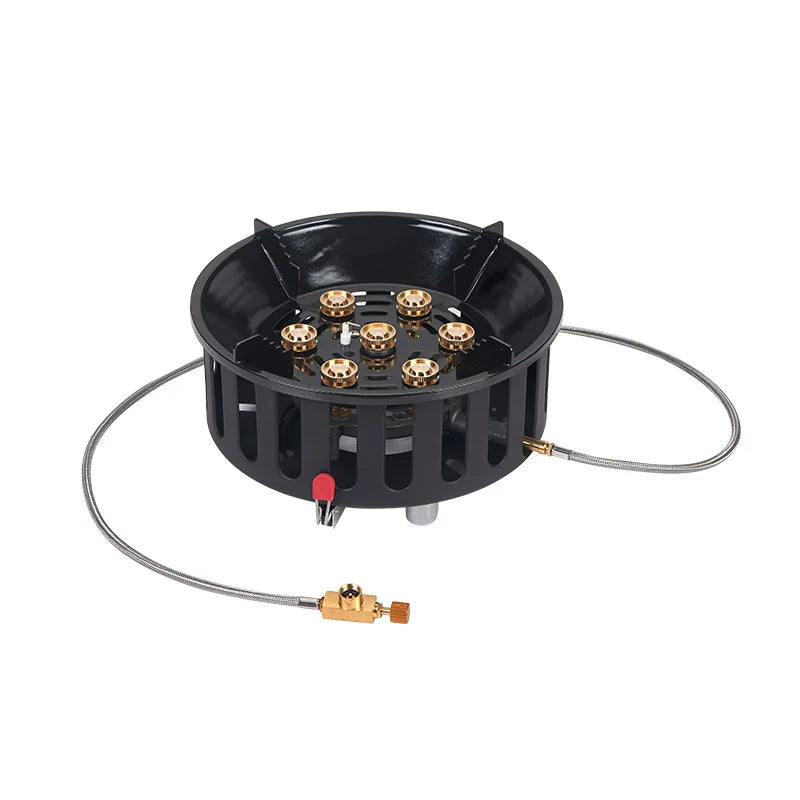
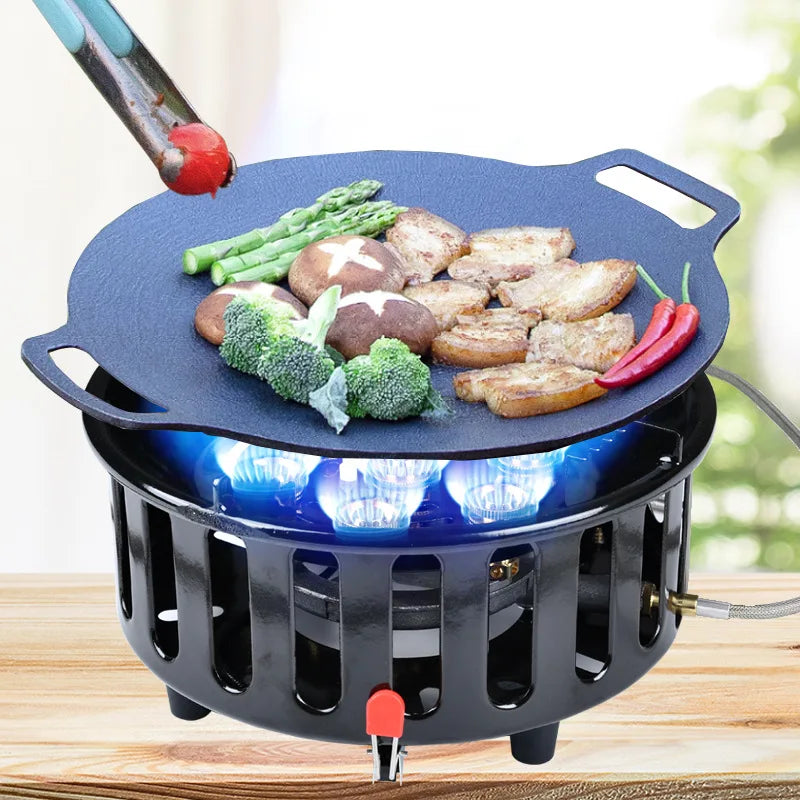
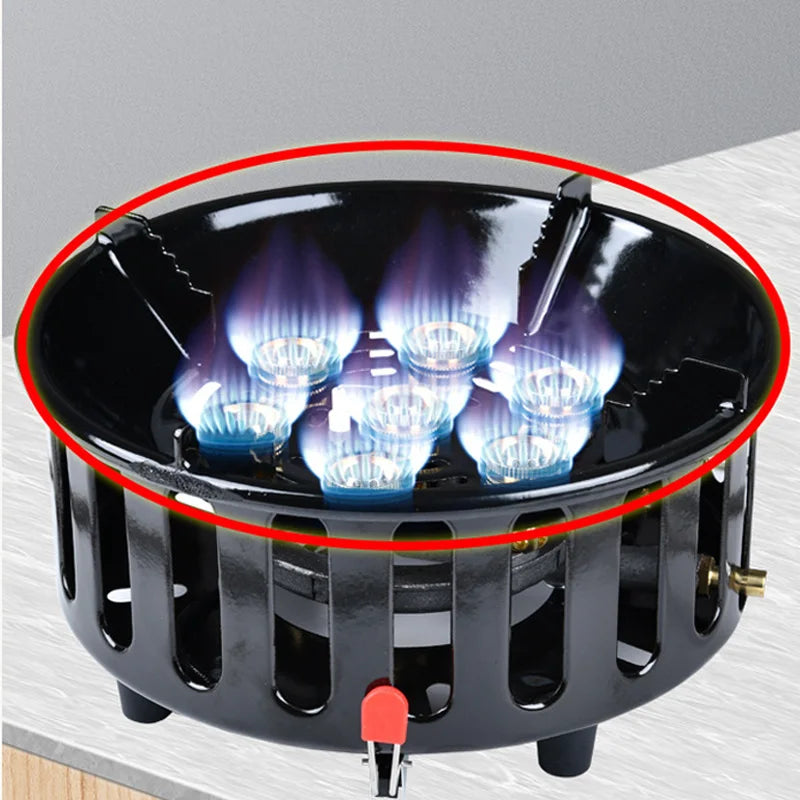
For campers needing stronger cooking performance, larger cookware support, and better heat output during windy conditions, the 19800W Camping Stove High Power Gas Burner offers a practical solution for car camping, group cooking, and emergency outdoor use.
Popular features campers appreciate include:
- High heat output for fast boiling
- Stable burner base
- Portable travel-friendly design
- Suitable for outdoor cookware
- Useful for camping and backup cooking
Tips For Safe Outdoor Stove Use
Tips for safe outdoor stove use are essential regardless of fuel type. Always operate stoves in ventilated outdoor areas, keep fuel canisters away from open flames, and inspect connections before cooking. Stable placement and proper storage reduce fire risk and improve cooking reliability during camping trips.
Even experienced campers occasionally overlook stove safety basics.
Safe habits help prevent accidents and fuel waste.
Essential Stove Safety Checklist
- Never cook inside sealed tents
- Inspect fuel connections before ignition
- Keep spare fuel away from heat
- Use stable ground surfaces
- Carry backup ignition tools
- Allow stoves to cool before packing
- Store fuel upright whenever possible
Emergency preparation gear also matters. Many campers add:
Outdoor travelers often mention that the biggest campsite improvements come from preparation rather than expensive gear alone.
Who Should Choose a Butane Camping Stove?
A butane camping stove buying guide 2026 recommendation usually fits campers who prioritize lightweight packing, portability, and quick setup for warm-weather trips. Butane stoves are ideal for solo travelers, casual weekend campers, and road trips where compact gear matters more than extreme cold performance.
Butane is often the better option if you:
- Camp mainly in spring or summer
- Prefer compact backpack setups
- Need lightweight portability
- Cook simple meals occasionally
- Want easier storage during travel
Minimalist outdoor kits pair especially well with Foldable Travel Gear, Picnic Mats & Blankets, and Hydration & Food.
Who Should Choose a Propane Camping Stove?
Propane remains the stronger all-around choice for demanding conditions.
It is especially useful for:
- Family campsites
- Longer outdoor stays
- Cold climates
- Windy environments
- Large meal preparation
- Emergency preparedness kits
Travelers preparing for unpredictable weather often combine propane cooking systems with Tent & Camping Lanterns, Rain Ponchos & Capes, and Sun Shades & Canopies.
| Camper Type | Recommended Fuel |
|---|---|
| Weekend Hiker | Butane |
| Winter Camper | Propane |
| Family Camper | Propane |
| Minimalist Backpacker | Butane |
| Road Trip Traveler | Either Depends On Space |
Camping Gear That Complements Your Stove Setup
A reliable stove performs even better when supported by smart campsite gear.
Useful additions include:
- Camping & Picnic
- Camping Tents & Shelter
- Sleeping Bags & Sleeping Pads
- Waterproof & Dry Bags
- Multi-tools & Knives
- Family Outdoor Bundles
Many campers discover that organized gear systems reduce setup time dramatically, especially after dark or during bad weather.
💡 See it in action
Which Camping Stove Fuel Is Best Overall?
The best choice depends on how you camp.
If you value portability, lightweight travel, and simple weekend cooking, butane stoves remain a practical option. If you regularly face cold weather, stronger wind, or group cooking demands, propane delivers better all-around reliability.
For campers wanting stronger outdoor cooking performance with reliable heat output, the 19800W Camping Stove High Power Gas Burner provides a versatile option designed for outdoor adventures, emergency preparedness, and campsite convenience.
👉 Get yours now before your next trip! Explore dependable cooking systems and outdoor essentials through Camping Stoves & Cooking and complete your campsite setup before weather conditions become unpredictable.
Frequently Asked Questions
Is butane or propane better for camping?
Propane is better for cold weather, wind resistance, and larger cooking setups. Butane is better for lightweight portability and mild-weather camping trips.
Can you use butane stoves in winter?
Butane stoves can struggle near freezing temperatures because lower temperatures reduce gas pressure. Propane performs more reliably in winter conditions.
What is the best camping stove for windy weather?
Propane stoves with strong burner output and wind-resistant designs usually perform best during windy outdoor cooking conditions.
Are portable camping stoves safe indoors?
Portable camping stoves should only be used in well-ventilated outdoor spaces unless specifically designed and certified for indoor emergency use.
How do I store camping fuel safely?
Store fuel canisters upright in cool, dry environments away from direct sunlight, open flames, or excessive heat sources.
Pillar Article: Best Portable Camping Stoves: 2026 Comparison Guide
Other Related Articles:
- Butane Camping Stove: Review And Top Models Compared
- Best Propane Camping Stove: Top Picks Compared 2026
- Compact Backpacking Stove: Best Lightweight Options Compared
- Propane Vs Butane Camp Stove: Which Should You Choose?
Explore More:





