

How To Stay Cool While Camping On Hot Summer Nights
How To Stay Cool While Camping On Hot Summer Nights
How To Stay Cool While Camping During Hot Summer Nights?
How to stay cool while camping starts with improving airflow, reducing trapped heat, and choosing the right sleeping setup. Campers sleep more comfortably by positioning tents in shaded areas, improving ventilation, limiting single layer tent heat buildup, and preventing camping tent condensation in summer with breathable gear and strategic airflow management.
⏱ 9 min read
Hot summer camping sounds relaxing until your tent turns into a heat trap at midnight. Sweaty sleeping bags, sticky humidity, and poor airflow can ruin an otherwise perfect outdoor trip. The good news? A few smart setup adjustments can dramatically improve comfort. From campsite positioning to airflow hacks and cooling gear, this guide breaks down practical ways to stay cool while camping without overpacking or overspending.
Have you ever zipped your tent closed and instantly felt the temperature rise by ten degrees?
👉 Discover must-have camping gear for better summer sleep and airflow comfort before your next trip.
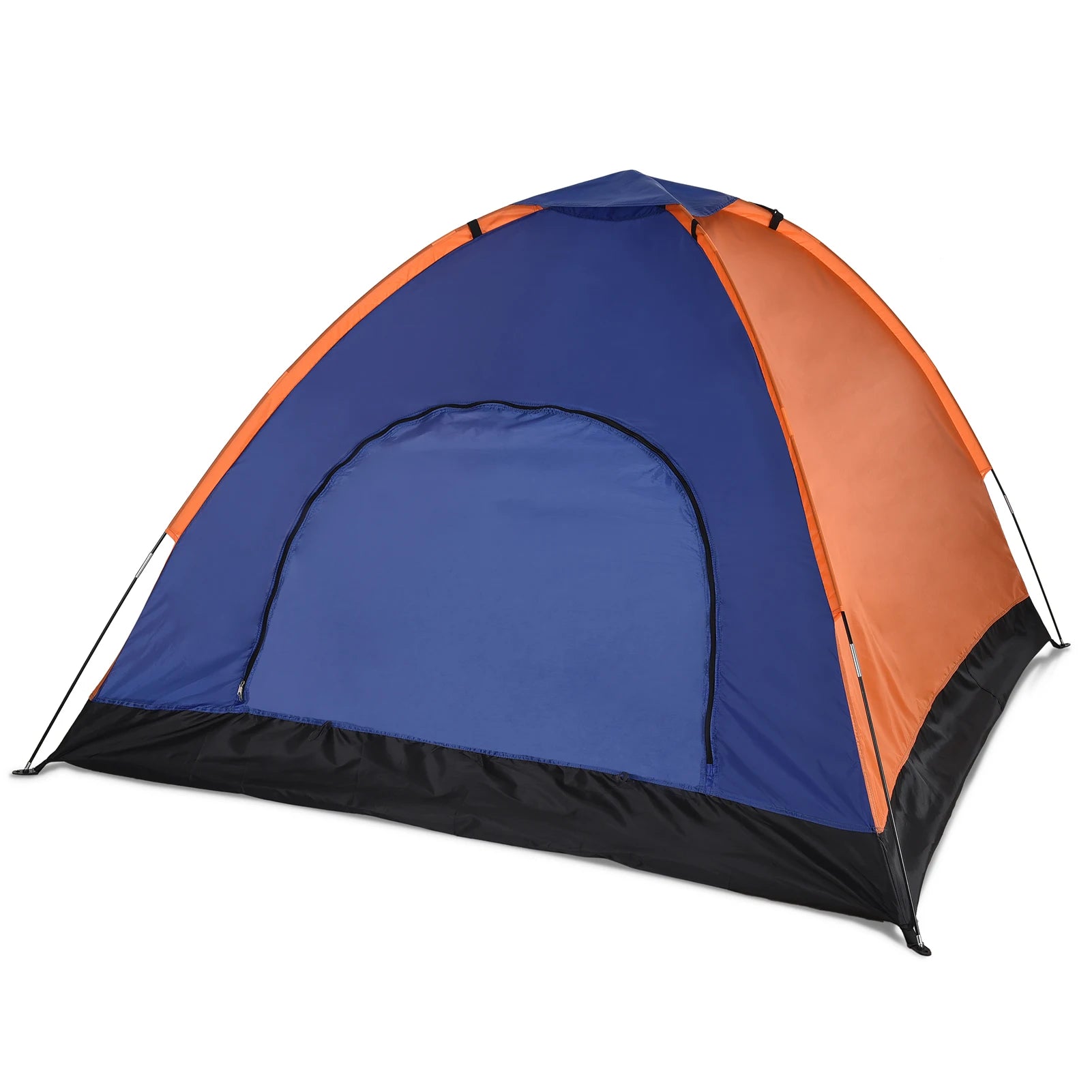
💡 See it in action
Why Do Camping Tents Get So Hot At Night?
Many campers expect temperatures to cool down after sunset, but tents often trap heat long after the sun disappears. Warm ground, humid air, and poor ventilation create a heat pocket that lingers inside the shelter.
Single layer tent heat buildup becomes even worse because warm air has nowhere to escape. Without airflow, moisture from breathing and sweating also increases humidity inside the tent.
| Heat Problem | What Causes It | How To Reduce It |
|---|---|---|
| Trapped warm air | Poor ventilation | Open vents and doors strategically |
| Hot sleeping surface | Ground retains daytime heat | Use elevated pads or breathable mats |
| Camping tent condensation in summer | Humidity and poor airflow | Increase cross-ventilation |
| Single layer tent heat buildup | No airflow barrier | Use shade and reflective covers |
Campers using breathable shelters from Camping Tents & Shelter often notice better overnight comfort compared to fully sealed designs.
Step-By-Step Ways To Stay Cool While Camping
How to stay cool while camping becomes much easier when you focus on airflow, shade, hydration, and sleeping setup together. Small changes can lower tent temperatures noticeably and help prevent restless sleep during humid summer nights.
-
Choose a shaded campsite early.
Morning sun can heat your tent rapidly. Set up beneath tree cover or near natural shade whenever possible.
-
Face the tent toward natural wind.
Align doors and mesh panels with the breeze to improve airflow throughout the night.
-
Use breathable sleeping layers.
Heavy sleeping bags trap unnecessary heat during summer. Lightweight blankets from Blankets & Sleeping Comfort work much better in warm weather.
-
Hydrate before sleeping.
Dehydration increases body heat retention. Cold water stored in gear from Collapsible Water Bottles helps regulate body temperature overnight.
-
Keep electronics and lights minimal.
Lanterns and chargers can increase tent warmth. Use low-heat lighting from Tent & Camping Lanterns.
- Wear moisture-wicking clothing instead of cotton
- Keep rainfly sections partially open when weather allows
- Avoid cooking directly beside the tent
- Use cooling towels before bed
One family camper from Arizona shared that simply repositioning their tent toward evening wind reduced nighttime discomfort enough for their kids to finally sleep through the night.
Best Ventilation Tips For Camping Tents
The best ventilation tips for camping tents focus on creating constant airflow instead of trapping warm humid air inside. Even small ventilation adjustments can reduce condensation, improve comfort, and help campers sleep cooler during extremely warm summer nights.
Ventilation matters more than most campers realize. Airflow removes heat, humidity, and stale air simultaneously.
Use Cross-Ventilation Whenever Possible
Open two opposite sides of the tent to allow air to move naturally through the shelter.
Mesh windows and dual-door tents improve airflow significantly, especially in humid environments.
Raise The Rainfly Slightly
Many campers seal rainflies too tightly, blocking all ventilation.
If weather conditions are dry, create a small airflow gap between the tent body and fly.
Improve Ground Airflow
Ground heat radiates upward throughout the evening.
Using elevated sleeping pads from Sleeping Bags & Sleeping Pads helps separate your body from trapped heat.
Create Shade Above The Tent
A tarp or canopy positioned above the tent reduces direct heat absorption dramatically.
Many campers use lightweight covers from Sun Shades & Canopies to block afternoon sunlight before temperatures rise.
👉 Learn how to choose the right camping setup for cooler airflow, lighter sleep systems, and more comfortable summer adventures.
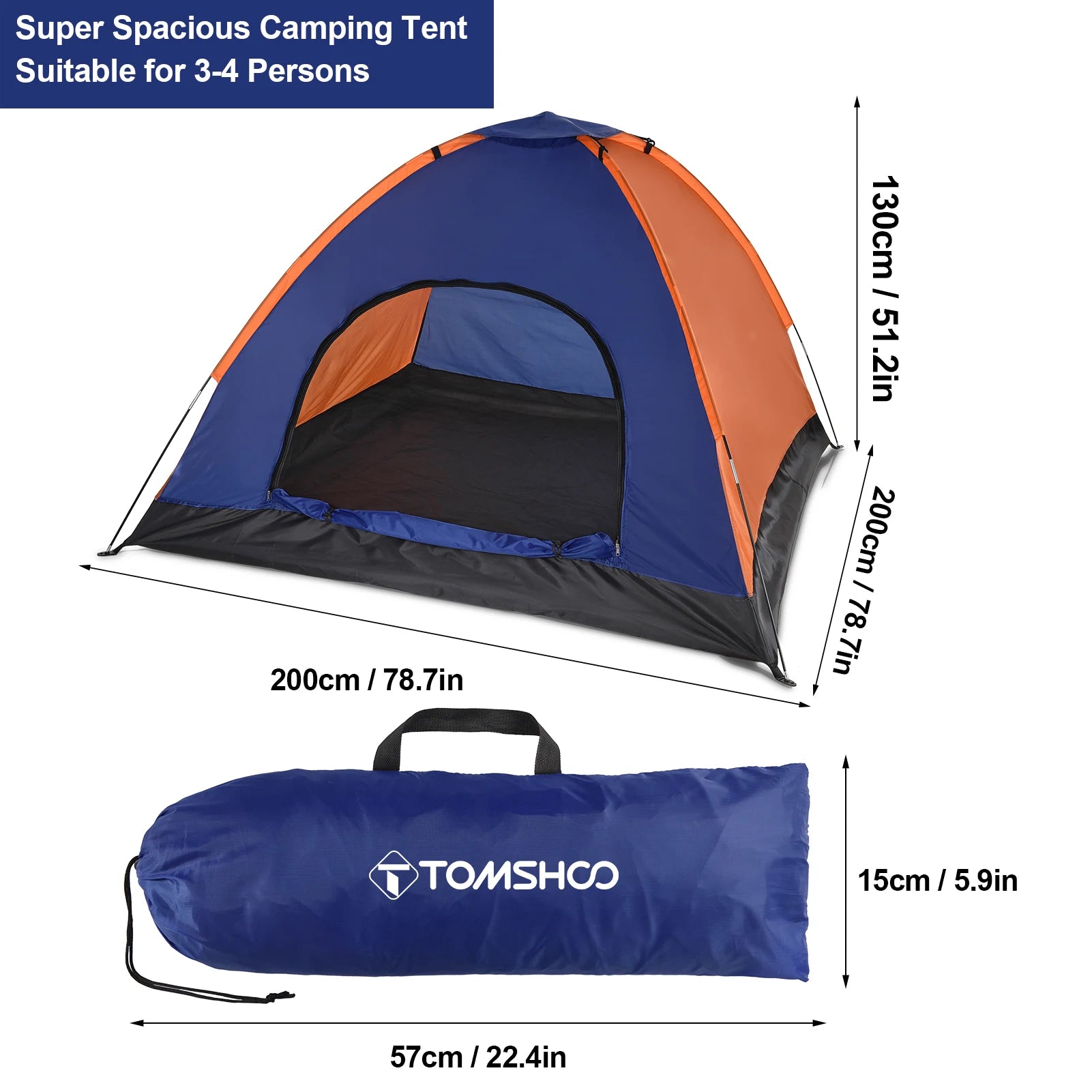
💡 See it in action
How To Prevent Camping Tent Condensation In Summer
Camping tent condensation in summer happens when warm humid air meets cooler tent surfaces. Moisture from breathing, sweating, and damp gear collects inside the shelter and creates an uncomfortable sticky environment overnight.
Condensation can make tents feel even hotter because moisture prevents sweat from evaporating efficiently.
Keep Wet Gear Outside
Wet towels, swimsuits, and shoes add unnecessary humidity inside the shelter.
Store damp items in organizers from Gear Organizers & Pouches outside the sleeping area.
Ventilate Before Sleeping
Open vents fully before bedtime to release trapped daytime heat.
Closing everything too early traps moisture immediately.
Avoid Breathing Into Sleeping Bags
Breathing into insulated fabric adds moisture fast.
Even lightweight summer blankets perform better when airflow remains unrestricted.
| Condensation Cause | Result | Better Solution |
|---|---|---|
| Closed vents | Humidity buildup | Maintain airflow overnight |
| Wet clothing inside | Sticky sleeping conditions | Dry gear outside tent |
| Poor campsite location | Damp overnight air | Choose breezy elevated ground |
| Overcrowded tent | Excess body heat | Use proper tent sizing |
Campers preparing meals farther from their sleeping area also reduce moisture buildup. Organizing cooking supplies with Outdoor Cookware and Camping Stoves & Cooking keeps heat and steam away from the tent.
Why Single Layer Tent Heat Buildup Happens Faster
Single layer tent heat buildup happens because these tents lack a separate insulating barrier between outdoor heat and the sleeping area. Sunlight warms the tent fabric directly, while trapped air inside struggles to escape through limited ventilation openings.
Single-wall shelters are lightweight and convenient, but they require smarter campsite positioning during summer.
Choose Shade Over Open Ground
Direct sun exposure turns single layer tents into heat chambers quickly.
Even partial shade lowers interior temperatures noticeably.
Use Ground Sheets Carefully
Ground covers help reduce moisture, but oversized tarps can trap heat underneath the tent.
Use fitted options from Ground Sheets & Tarps for better airflow.
Prioritize Air Movement
Portable fans and battery-powered airflow systems can help during extremely humid nights.
Campers often pair these with charging solutions from Portable Power Banks.
- Mesh-heavy tents perform better in summer
- Light-colored tents absorb less heat
- Avoid pitching near reflective rock surfaces
- Open upper vents first to release rising heat
One experienced car camper in Texas reported lowering interior tent temperatures simply by placing a reflective tarp overhead and opening upper vents before sunset.
Cooling Gear That Makes Summer Camping Easier
The right gear can dramatically improve sleep quality during warm-weather camping.
Many campers overpack insulation but forget airflow and cooling accessories.
Lightweight Sleeping Systems
Breathable pads and blankets reduce heat retention.
Gear from Sleeping Bags & Sleeping Pads can help campers avoid overheating overnight.
Portable Shade Solutions
Portable canopy systems improve campsite comfort throughout the day.
Many travelers rely on Weather Protection & Environment gear for flexible shade setups.
Pillar Article: Camping Tent Set Up Made Easy For First-Time Campers
Other Related Articles:
- Lightweight Camping Gear Checklist For Easier Hiking Trips
- Camping Rain Fly Tips To Stay Dry In Wind And Storms
- How To Seal A Tent Seam Before Your Next Rainy Trip
Explore More:





