

Camping Rain Fly Tips To Stay Dry In Wind And Storms
Camping Rain Fly Tips To Stay Dry In Wind And Storms
⏱ 9 min read
Does a camping rain fly really keep you dry during storms?
A properly installed camping rain fly can dramatically reduce leaks, condensation, and wind exposure during rough weather. The key is understanding tent ventilation, correct fly tension, ground protection, and the difference between water resistant versus waterproof camping tents before storms arrive.
Camping during heavy rain sounds relaxing until water starts dripping through your tent ceiling at 2 a.m. Many campers assume their shelter is waterproof, only to discover light rain leaking through tent fabric when wind shifts or condensation builds overnight. Learning how to use a camping rain fly correctly can completely change your outdoor experience. This guide explains practical storm setup strategies, common mistakes, and gear choices that help you stay dry, comfortable, and prepared during unpredictable weather.
Have you ever woken up inside a damp tent and wondered whether the problem was your shelter or your setup technique?
Explore dependable shelter solutions and weather-ready accessories for your next outdoor trip with Camping Tents & Shelter and Weather Protection & Environment.
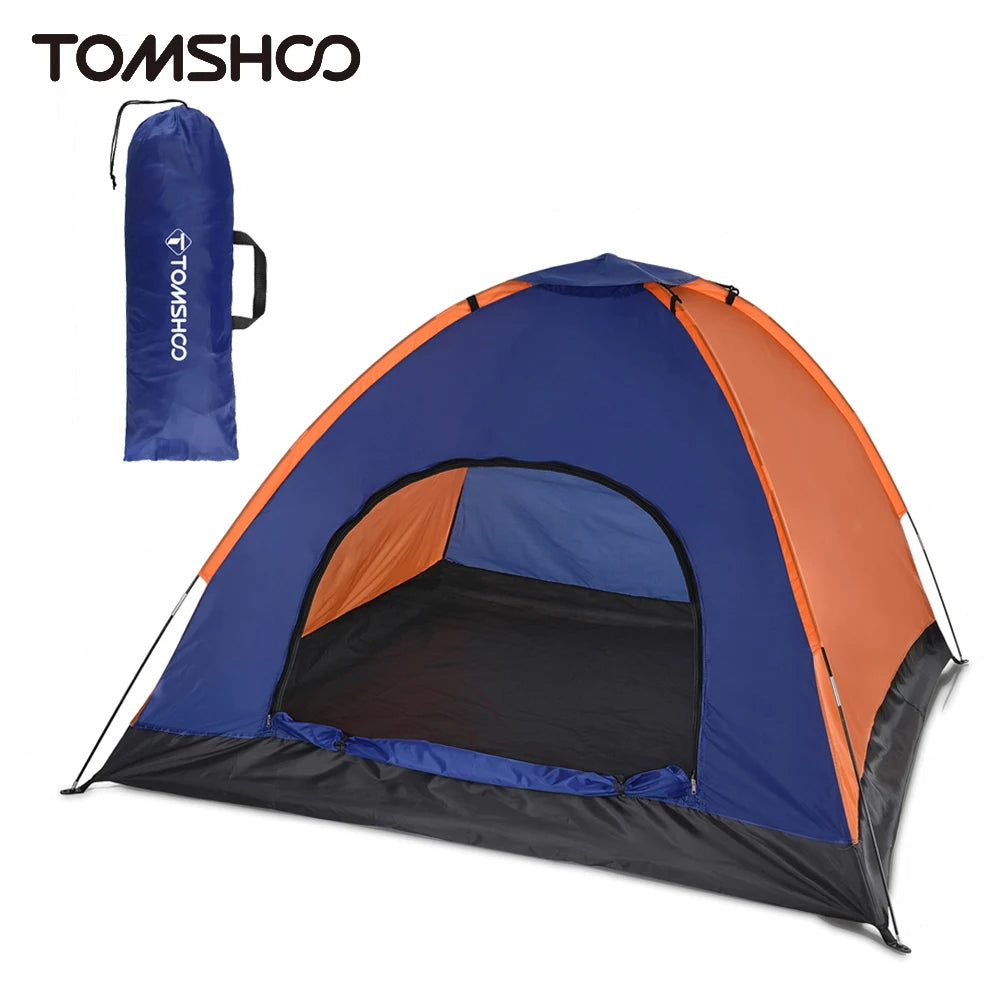
💡 See it in action
Why Rain Fly Setups Fail During Storms
A camping rain fly works best when it creates a protective barrier that channels water away from your tent while allowing airflow underneath. Problems usually happen because the fly is loose, touching the tent walls, or positioned incorrectly against the wind.
Many campers also overlook campsite selection. Even the best rain fly cannot prevent flooding if your tent sits in a low spot where rainwater collects overnight.
Most common reasons tents leak during rain
- Rain fly not tightened properly
- Tent walls touching wet fly fabric
- Poor airflow causing condensation buildup
- Worn waterproof coatings
- Groundsheet extending beyond tent edges
- Wind blowing rain under exposed sides
Experienced campers often carry extra protection from Ground Sheets & Tarps to improve drainage and shield gear from muddy surfaces.
| Problem | Likely Cause | Quick Fix |
|---|---|---|
| Dripping ceiling | Condensation buildup | Increase airflow and ventilation |
| Wet sleeping bag | Fly touching tent wall | Retighten guy lines |
| Floor flooding | Poor campsite drainage | Move to higher ground |
| Rain entering doorway | Door facing wind direction | Rotate tent setup |
Water Resistant Versus Waterproof Camping Tents Explained
A camping rain fly performs differently depending on whether your shelter is water resistant or fully waterproof. Water resistant tents can handle short rain showers, while waterproof camping tents use sealed seams, coated fabrics, and stronger rain fly systems designed for prolonged exposure.
Understanding water resistant versus waterproof camping tents helps prevent false expectations. Some breathable summer tents prioritize airflow over storm resistance.
How to tell the difference
- Check seam sealing around doors and corners
- Look for higher waterproof ratings on rain fly fabric
- Inspect whether the floor uses reinforced coatings
- Test zipper protection during rain exposure
- Review ventilation design for condensation control
Campers heading into unpredictable weather often combine tents with accessories from Wind & Cold Protection and Waterproof & Dry Bags for extra protection.
One weekend camper shared that switching from a basic summer shelter to a fully sealed portable rain fly camping tent stopped recurring leaks during mountain storms. Instead of waking up to wet clothing and soaked electronics, their gear stayed dry despite six hours of rain.
How To Set Up A Camping Rain Fly Correctly
A good camping rain fly setup starts before the first drop of rain falls. Proper tension, wind positioning, and drainage angles are what separate comfortable campers from miserable ones.
Step-by-step rain fly setup guide
- Choose elevated ground with natural drainage
- Point the narrow side of the tent toward wind direction
- Stake the tent corners tightly first
- Attach the rain fly evenly across all sides
- Use guy lines to create airflow gaps
- Check that the fly never touches inner tent walls
- Secure loose fabric to reduce flapping in strong wind
Many campers also keep emergency lighting nearby from Emergency Lighting because nighttime storms often require quick adjustments outside the tent.
Planning windy or rainy trips? Browse Camping & Picnic, Backpacking & Carry, and the lightweight portable camping tent designed for easier setup and weather protection.
Why tension matters during storms
A loose rain fly traps water and allows fabric contact against the tent body. Tight tension helps water roll away quickly and reduces noisy flapping that keeps campers awake during strong wind.
Small accessories from Hooks, Clips & Carabiners can help stabilize rain fly corners and improve wind resistance.
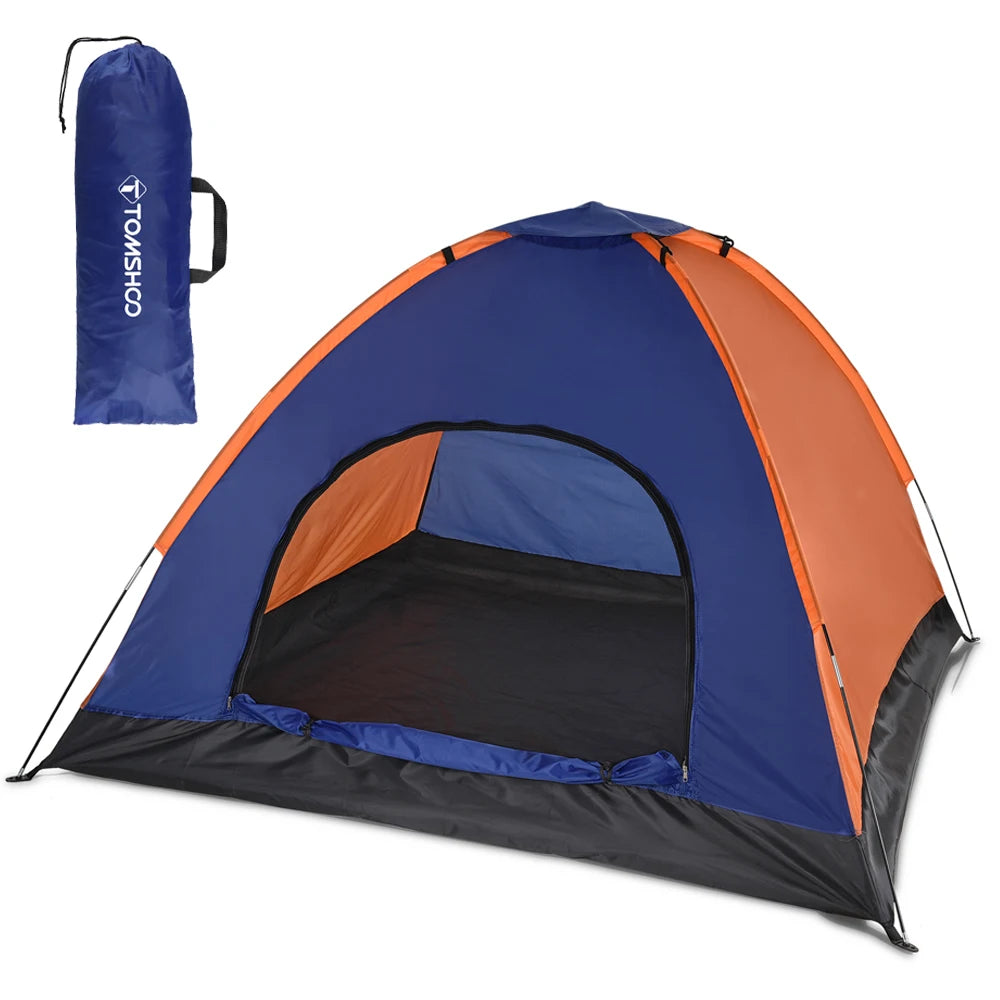
💡 See it in action
How To Stop Light Rain Leaking Through Tent Fabric
Light rain leaking through tent surfaces is often caused by condensation rather than actual material failure. Warm air inside the tent creates moisture that collects on cooler surfaces and drips back down.
Ways to reduce tent condensation
- Open roof vents whenever possible
- Avoid drying wet clothes inside the tent
- Leave small airflow gaps beneath the rain fly
- Use breathable sleeping gear
- Keep muddy boots outside the sleeping area
For humid summer camping, breathable bedding from Blankets & Sleeping Comfort and moisture-control accessories from Sleeping Bags & Sleeping Pads can improve overnight comfort significantly.
How waterproof sprays help older tents
Over time, tent coatings wear down from UV exposure and repeated folding. Applying waterproof treatment to the rain fly restores water beading and helps prevent seepage during prolonged storms.
Campers who frequently travel during wet seasons often store treated shelters inside protective organizers from Camping Storage & Boxes.
Why A Portable Rain Fly Camping Tent Helps In Bad Weather
A portable rain fly camping tent offers faster setup, easier transport, and more flexible protection during changing weather conditions. Compact shelters with detachable rain flies adapt better to shifting temperatures and sudden storms.
Many weekend travelers prefer portable systems because they reduce setup stress after dark or during unexpected rainfall.
| Feature | Portable Rain Fly Tent | Basic Summer Tent |
|---|---|---|
| Storm protection | Higher | Moderate |
| Ventilation control | Adjustable | Limited |
| Wind resistance | Improved with guy lines | Often weaker |
| Packing size | Compact | Varies |
Travelers heading into mixed weather often pair their tent with backup gear from Rain Ponchos & Capes and power options from Portable Power Banks.
The lightweight portable camping tent is especially useful for campers who need quicker setup during windy evenings or unstable weather conditions.
How The Best Breathable Camping Tents For Summer Handle Storms
The best breathable camping tents for summer balance airflow with weather protection. Large mesh panels improve cooling, but poorly designed ventilation can allow rain intrusion during sideways storms.
Modern camping rain fly designs solve this problem by extending coverage farther down the tent walls while still maintaining airflow channels.
What to look for in breathable storm-ready tents
- Adjustable vent positioning
- Extended rain fly coverage
- Multiple guy line attachment points
- Fast-drying materials
- Sealed seams around stress areas
Many campers combine breathable shelters with shade solutions from Sun Shades & Canopies for better daytime comfort in hot climates.
A family camper in Colorado reported that switching to a better ventilated tent reduced interior moisture dramatically during humid summer nights. Even after overnight rain, bedding stayed dry and airflow remained comfortable.
Storm Camping Checklist For Staying Dry
Preparing for storms before leaving home can prevent most campsite emergencies.
Essential rain protection checklist
- Fully sealed camping rain fly
- Extra stakes and guy lines
- Ground tarp smaller than tent footprint
- Dry clothing packed separately
- Waterproof storage bags
- Backup headlamp
- Portable repair tape
- Emergency shelter layer
Helpful additions from Safety, Survival & Emergency and Weather Accessories can make storm camping safer and less stressful.
Common Camping Rain Fly Mistakes
Even experienced campers occasionally overlook simple details that lead to wet gear and poor sleep.
Top mistakes campers make
- Setting camp too close to rivers or low ground
- Ignoring wind direction
- Leaving tent vents completely closed
- Using damaged stakes during storms
- Allowing rain fly fabric to sag
- Skipping weather forecasts
Reliable lighting from Headlamps & Wearable Lights helps campers make fast nighttime adjustments without struggling in darkness.
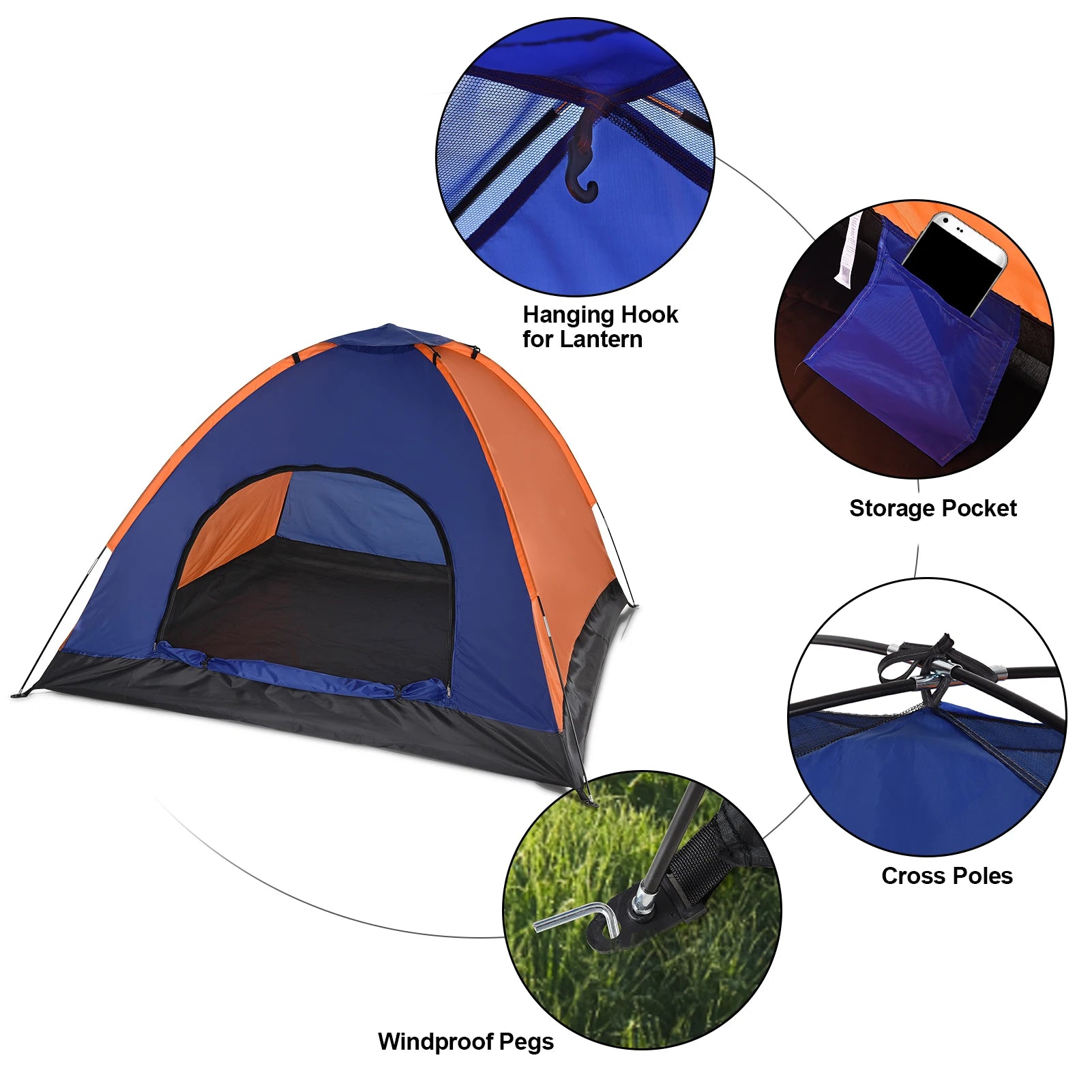
💡 See it in action
Helpful Gear For Windy And Wet Campsites
Weather protection works best when your full campsite setup supports your shelter system.
Recommended support gear
- Ground Sheets & Tarps for flood prevention
- Tent & Camping Lanterns for storm visibility
- Compression & Packing Bags for dry clothing storage
- Car Camping Accessories for backup shelter organization
- Fire Starters & Ignition for wet-weather recovery
Campers looking for a compact shelter solution before their next trip can also explore the lightweight portable camping tent for easier packing and faster storm setup.
Heavy rain and strong wind can turn a relaxing trip into a difficult night fast. Upgrade your shelter setup with dependable gear from Weather Protection & Environment and lightweight solutions from Foldable Travel Gear.
Camping Rain Fly FAQ
Why does my tent leak even with a rain fly?
Most tent leaks come from condensation, loose rain fly tension, poor drainage, or fabric contact between the rain fly and inner tent wall. Proper ventilation and setup usually solve the issue.
What is the difference between water resistant and waterproof camping tents?
Water resistant tents handle light rain for short periods, while waterproof camping tents use sealed seams, coated fabrics, and stronger rain fly coverage for prolonged storms.
Can breathable summer tents still work during storms?
Yes, but the best breathable camping tents for summer use extended rain fly coverage and adjustable vents to balance airflow with weather protection.
How tight should a camping rain fly be?
A rain fly should be tight enough to prevent sagging while leaving airflow space between the fly and the tent body. Loose fabric increases leaks and wind noise.
What extra gear helps during heavy rain camping?
Ground tarps, waterproof storage bags, emergency lighting, dry clothing organizers, and backup stakes all improve campsite comfort and storm protection.
Pillar Article: Camping Tent Set Up Made Easy For First-Time Campers
Other Related Articles:
- Lightweight Camping Gear Checklist For Easier Hiking Trips
- How To Stay Cool While Camping On Hot Summer Nights
- How To Seal A Tent Seam Before Your Next Rainy Trip
Explore More:





