

How To Seal A Tent Seam Before Your Next Rainy Trip
Camping Rain Fly Tips To Stay Dry In Wind And Storms
⏱ 11 min read
How Does A Camping Rain Fly Keep You Dry During Storms?
A camping rain fly creates a protective barrier between your tent and harsh weather. Proper rain fly setup blocks wind-driven rain, reduces condensation buildup, improves airflow, and helps prevent light rain leaking through tent fabric. Even the best breathable camping tents for summer need a correctly installed rain fly to stay dry during overnight storms.
Camping in heavy rain can turn relaxing outdoor trips into stressful nights filled with dripping ceilings, soaked sleeping bags, and muddy gear. Have you ever woken up to water pooling inside your tent even though the forecast only predicted light rain? Many campers discover too late that water resistant versus waterproof camping tents perform very differently when storms hit unexpectedly.
The good news is that most tent leaks are preventable. A properly installed camping rain fly improves airflow, blocks wind-driven rain, and protects your sleeping space without trapping heat. Whether you use a portable rain fly camping tent for weekend trips or a larger shelter for family camping, smart setup techniques make a huge difference.
This guide explains how experienced campers stay dry in rough weather, avoid common setup mistakes, and choose practical gear for windy campsites, humid summers, and unpredictable storms.
👉 Planning a wet-weather camping trip? Explore reliable shelter options in Camping Tents & Shelter before your next stormy adventure.
💡 See it in action
Common Camping Rain Fly Mistakes That Cause Leaks
A camping rain fly only works well when it is tensioned correctly, positioned away from tent walls, and secured against wind. Loose fabric allows water pooling, while poor ventilation traps condensation that feels like leaks. Small setup mistakes often cause more water problems than the tent material itself.
Many campers assume tent leaks mean defective gear. In reality, setup errors are usually responsible.
1. Letting The Rain Fly Touch The Tent Body
When the fly presses directly against mesh or fabric walls, water transfers inside through contact pressure. This is especially common during windy storms.
- Keep the fly taut
- Adjust guy lines evenly
- Use all corner stakes
- Check spacing before sleeping
2. Ignoring Wind Direction
Strong gusts can force rain underneath open vestibules. Position the narrowest side of your tent toward incoming wind whenever possible.
Experienced campers often arrive early to evaluate:
- Tree protection
- Ground slope
- Drainage flow
- Wind exposure
3. Skipping Ground Protection
Rainwater can rise underneath your shelter even if the rain fly works perfectly.
Using products from Ground Sheets & Tarps helps create an extra moisture barrier between wet soil and your sleeping area.
| Setup Mistake | What Happens | Quick Fix |
|---|---|---|
| Loose rain fly | Water pooling | Tighten guy lines |
| Poor campsite location | Flooding | Choose elevated ground |
| No ventilation | Condensation buildup | Open vents partially |
| Fly touching tent wall | Interior moisture transfer | Create airflow gap |
Water Resistant Versus Waterproof Camping Tents Explained
Water resistant versus waterproof camping tents differ in how long they withstand sustained rain. Water resistant tents handle light moisture briefly, while waterproof tents use sealed seams, coated fabrics, and stronger rain flies for extended storm protection. Knowing the difference prevents unpleasant surprises during overnight rain.
Many shoppers misunderstand tent labels.
A water resistant tent may survive short drizzles but struggle during hours of heavy rain. Waterproof camping tents use:
- Higher hydrostatic head ratings
- Fully taped seams
- Stronger rain fly coverage
- Reinforced corners
- Weatherproof floor construction
Campers often complain about “leaks” when condensation forms inside low-ventilation tents. This becomes common in humid environments where airflow is restricted.
The best setups combine weather protection with ventilation.
How To Read Tent Weather Ratings
| Feature | Water Resistant | Waterproof |
|---|---|---|
| Light drizzle | Good | Excellent |
| Heavy storms | Limited | Reliable |
| Sealed seams | Sometimes | Usually included |
| Wind protection | Moderate | Better structure |
For unpredictable conditions, many campers prefer a portable rain fly camping tent with extended vestibules and adjustable ventilation panels.
One weekend camper shared that upgrading from a basic water resistant tent to a full rain fly system completely changed rainy trips: “We stopped waking up with damp sleeping bags and muddy backpacks after the first storm test.”
👉 Want more reliable storm protection? Browse practical wet-weather gear in Weather Protection & Environment and improve your campsite setup.
How To Stop Light Rain Leaking Through Tent Fabric
Light rain leaking through tent walls often happens because of worn coatings, condensation confusion, or improper rain fly tension. Reapplying waterproof treatment, improving ventilation, and preventing fabric contact are simple fixes that keep interiors dry during overnight rain.
What gear actually makes camping easier when storms arrive at midnight?
- Inspect your rain fly before every trip
- Seal worn seams with waterproof sealant
- Avoid touching tent walls from inside
- Improve airflow using roof vents
- Keep wet gear outside the sleeping area
Use Dry Storage For Essential Gear
Even small leaks become frustrating when clothing and electronics get soaked.
Many campers keep valuables protected using products from Waterproof & Dry Bags.
Keep Moisture Under Control
Cooking inside tents creates extra humidity that increases condensation. Instead, use sheltered cooking setups with products from Camping Stoves & Cooking.
Good airflow matters more than many beginners realize.
💡 See it in action
Portable Rain Fly Camping Tent Setup Tips
A portable rain fly camping tent performs best when pitched with balanced tension, elevated airflow, and proper stake placement. Lightweight rain fly systems save packing space while still protecting campers from wind-driven rain and sudden weather changes.
Portable shelters are popular because they pack easily and work well for road trips, hiking, and family weekends.
Step-By-Step Portable Rain Fly Setup
- Lay the footprint on slightly elevated ground
- Assemble tent poles fully before attaching fly
- Secure corners tightly first
- Attach rain fly evenly across the frame
- Tension guy lines away from tent walls
- Adjust vents for airflow
Why Tension Matters In Wind
Loose fabric flaps loudly at night and increases stress on poles. Tight rain fly tension improves both weather resistance and sleep quality.
Helpful accessories from Hooks, Clips & Carabiners can make fast adjustments easier during storms.
Smart Campsite Positioning
- Avoid low valleys where water pools
- Use natural windbreaks carefully
- Face vestibules away from direct gusts
- Check trees for weak branches
Campers traveling through mountain regions often prioritize fast setup shelters because storms arrive quickly and visibility drops fast after sunset.
Why Best Breathable Camping Tents For Summer Still Leak
The best breathable camping tents for summer improve airflow and reduce heat buildup, but they may leak during severe storms if ventilation openings are exposed or rain flies are undersized. Breathability alone does not guarantee weather protection.
Summer campers often choose mesh-heavy tents for comfort. Unfortunately, some designs prioritize airflow over storm durability.
Common Summer Tent Problems
| Problem | Cause | Fix |
|---|---|---|
| Rain entering vents | Wind direction shift | Reposition fly panels |
| Interior condensation | Poor airflow balance | Partially open vents |
| Wet sleeping gear | Touching tent walls | Create spacing |
| Overheating | No ventilation | Use breathable fly setup |
Reliable airflow matters most during humid nights near lakes, forests, and coastal campsites.
Many families also improve comfort using products from Tent & Camping Lanterns and Blankets & Sleeping Comfort for better overnight organization.
Real-World Summer Storm Example
A group camping near a lakeside park experienced sudden overnight wind gusts after a hot day. Their mesh-heavy summer tent handled heat well earlier but failed once sideways rain hit exposed vents. After adjusting guy lines and lowering fly angles, the interior finally stayed dry.
👉 Upgrade your camping comfort before your next trip. Check practical outdoor gear in Camping & Picnic for better storm preparation.
Storm Camping Checklist Before Bed
A quick weather preparation routine before sleeping helps prevent most overnight camping disasters.
- Retighten rain fly straps
- Store shoes under vestibules
- Move electronics into dry bags
- Check stake depth
- Keep headlamps accessible
- Inspect nearby drainage flow
- Secure loose gear outside
Reliable lighting from Headlamps & Wearable Lights becomes especially useful during late-night weather adjustments.
How To Secure A Rain Fly In High Wind
A camping rain fly handles wind better when supported by multiple guy points, strong stakes, and balanced tension. Windproof setups reduce flapping noise, protect tent poles, and improve waterproof performance during rough weather.
Strong wind often causes more tent failures than rain itself.
Best Wind Protection Techniques
- Use angled stakes for stronger hold
- Add extra guy lines during storms
- Keep fly tension balanced on all sides
- Lower rain fly edges closer to ground
- Replace weak factory stakes if needed
Many experienced campers carry emergency repair supplies from Safety, Survival & Emergency for unexpected weather damage.
Protecting Gear During Storms
Wet clothing creates discomfort long after the rain stops. Organized storage systems from Camping Storage & Boxes help separate dry and wet items efficiently.
💡 See it in action
Helpful Gear That Makes Wet Camping Easier
Small gear upgrades often improve rainy camping trips more than replacing your entire tent.
Recommended Essentials
- Extra tarp layers
- Portable lighting
- Dry storage bags
- Compact repair kits
- Portable power backup
- Weatherproof seating
Campers managing longer road trips also benefit from products in Car Camping Accessories and Portable Power Banks.
Reliable Shelter Option For Weekend Trips
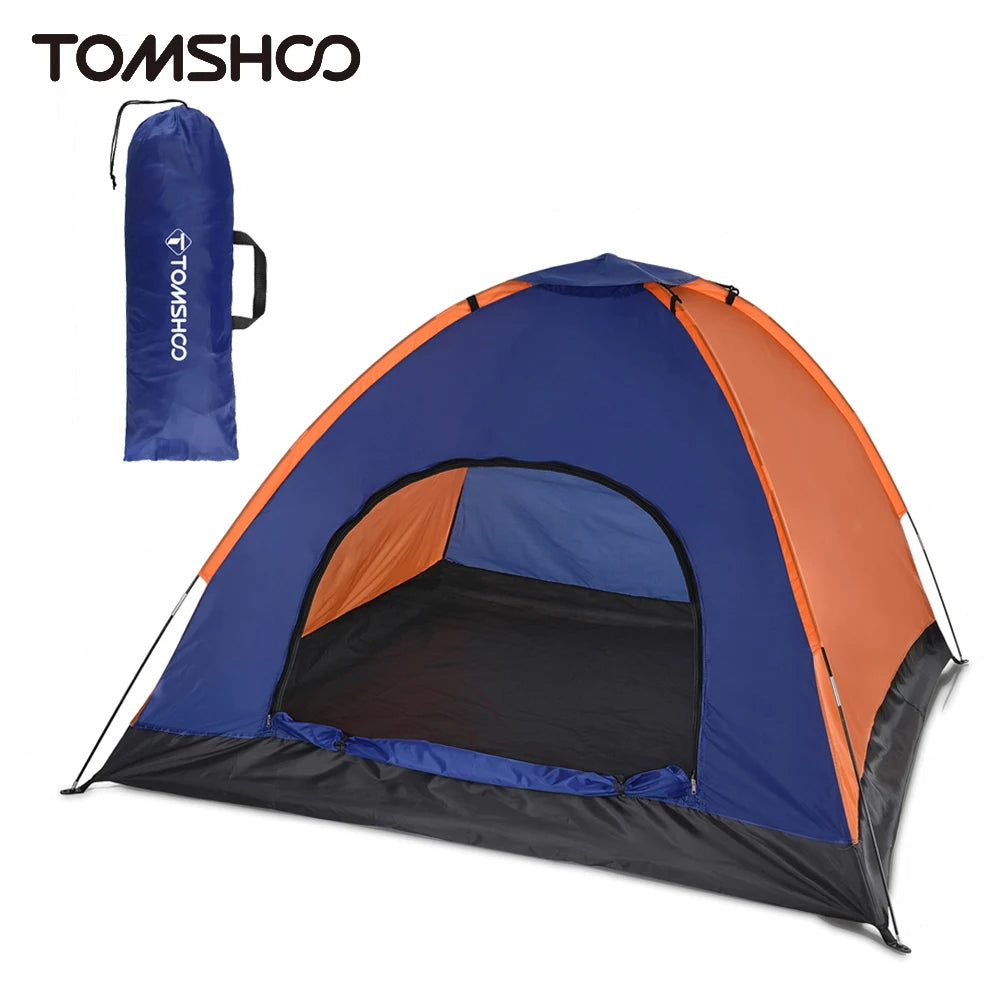
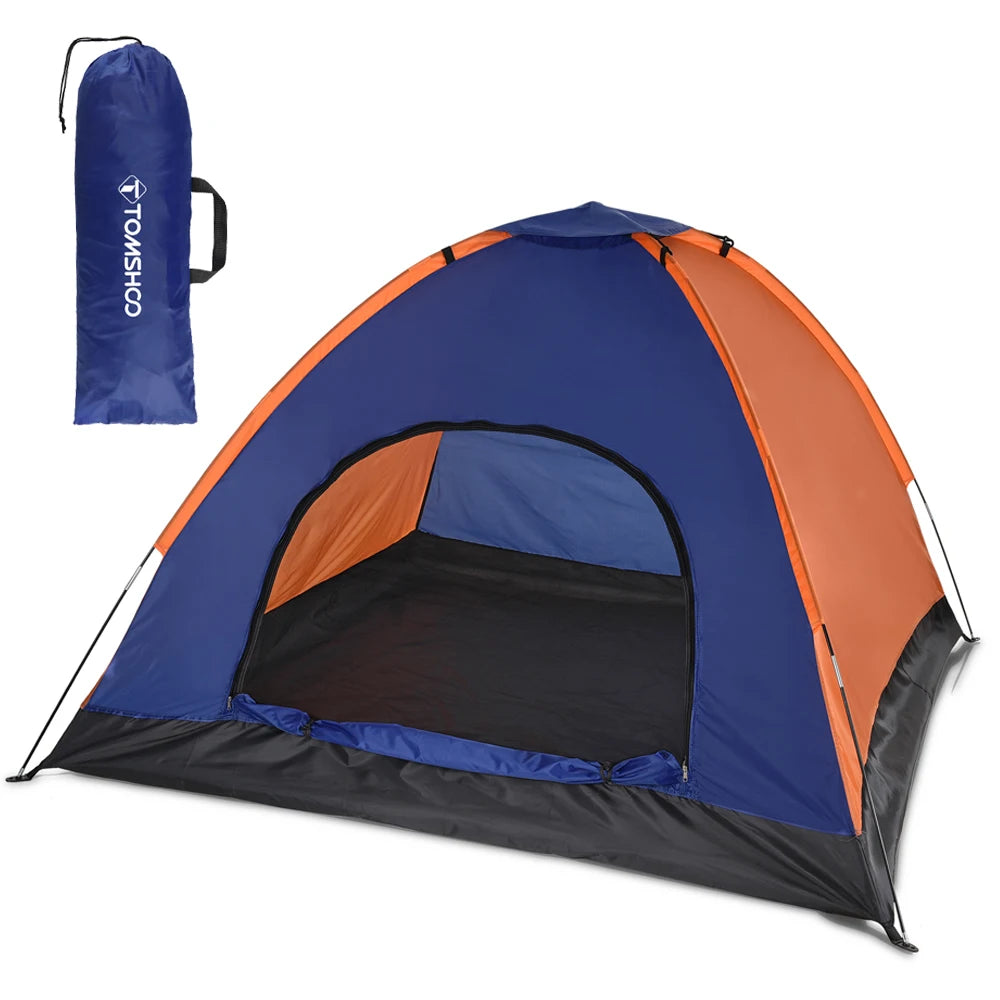
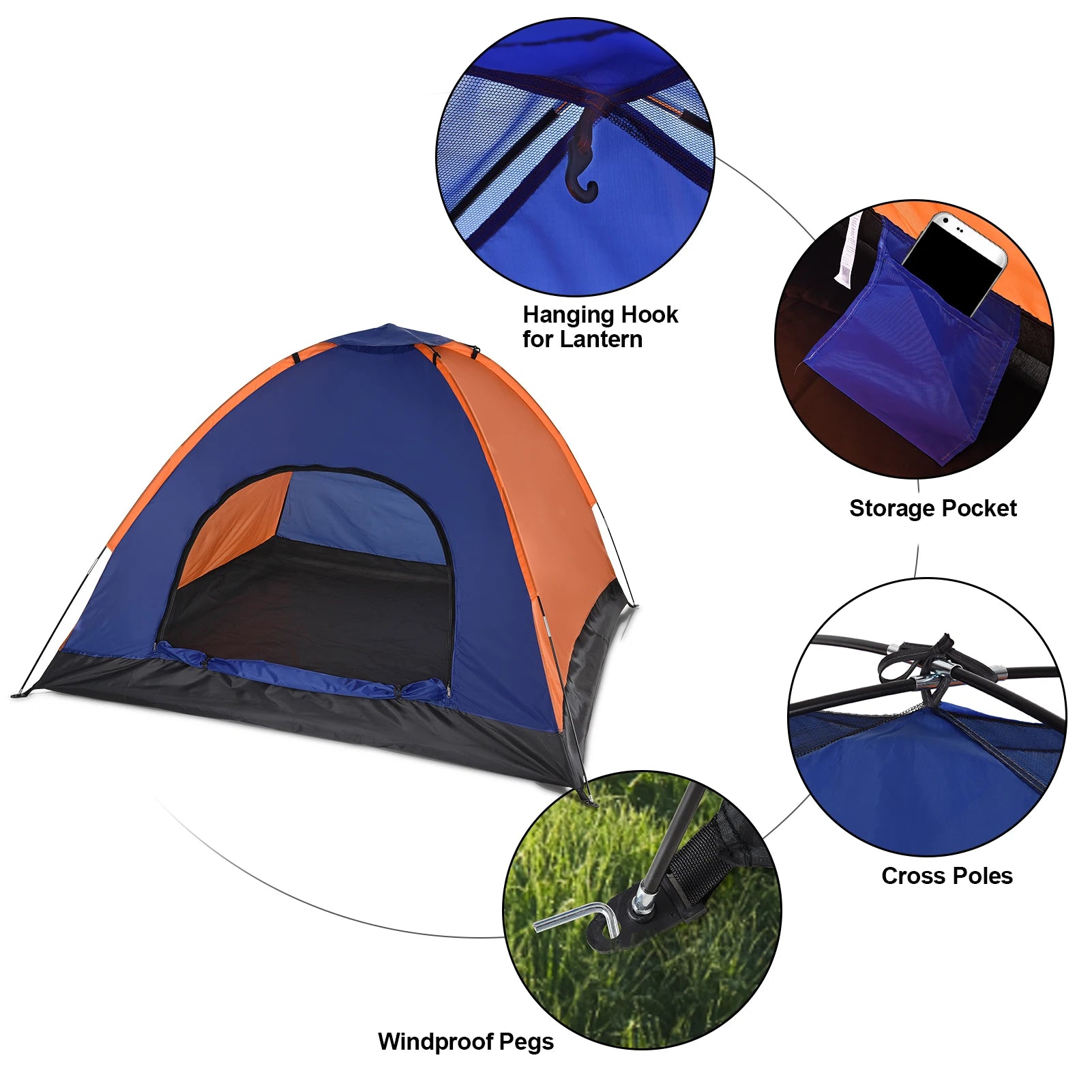
If you want a practical shelter for changing weather conditions, the portable camping tent offers lightweight portability with useful rain protection features for family trips and road adventures.
Stay Dry And Sleep Better During Rough Weather
Storm camping becomes far less stressful when your camping rain fly is installed correctly and supported by smart campsite choices. Understanding water resistant versus waterproof camping tents, improving airflow, and fixing light rain leaking through tent walls can completely change your outdoor experience.
The best campers are not the ones with the most expensive gear. They are the ones who prepare early, monitor weather carefully, and adjust setups before storms arrive.
With the right rain fly setup, reliable airflow, and smart storage solutions, even windy overnight storms can become manageable instead of miserable.
👉 Get prepared before your next rainy adventure. Explore dependable gear in Camping Tents & Shelter and build a smarter storm-ready campsite today.
Camping Rain Fly FAQ
Why does my tent leak even with a rain fly?
Most tent leaks happen because the rain fly is loose, touching tent walls, or not properly ventilated. Condensation buildup can also appear like leaks inside the shelter.
What is the difference between water resistant and waterproof camping tents?
Water resistant tents handle light rain briefly, while waterproof tents are designed for heavier storms using sealed seams, stronger coatings, and better rain fly coverage.
Can breathable summer tents handle heavy rain?
Some breathable summer tents struggle during strong storms because mesh-heavy designs prioritize airflow over weather protection. A properly installed rain fly helps improve performance.
How tight should a camping rain fly be?
The rain fly should feel taut without overstressing poles. Balanced tension prevents water pooling and improves wind resistance during overnight storms.
What helps prevent light rain leaking through tent fabric?
Applying waterproof sealant, improving ventilation, tightening the rain fly, and avoiding contact with tent walls are effective ways to reduce light rain leaks.
Pillar Article: Camping Tent Set Up Made Easy For First-Time Campers
Other Related Articles:
- Lightweight Camping Gear Checklist For Easier Hiking Trips
- How To Stay Cool While Camping On Hot Summer Nights
- Camping Rain Fly Tips To Stay Dry In Wind And Storms
Explore More:





