

Rock Climbing Carabiners: Features That Make Them Safer
Are rock climbing carabinders safe?
Rock climbing carabinders are safe when they meet certified strength ratings (often 20–30 kN), use reliable locking systems, and are matched to the correct climbing task. Choosing the right shape, gate type, and material ensures proper load distribution, reduces failure risk, and delivers consistent performance in real climbing conditions.
Rock Climbing Carabiners: Features That Make Them Safer
Rock climbing carabinders may look simple, but the right features can mean the difference between total confidence and hidden risk. In this guide, you’ll learn how to choose strong climbing carabiners, understand D-shaped vs oval carabiner durability, and explore a detailed guide to outdoor carabiner types that most climbers overlook. From gate strength to locking mechanisms, these insights reveal what truly keeps you safe on the wall—but are you using the right one for your climb?
⏱ 5 min read
Ever clipped into an anchor and wondered if your gear is truly holding up under pressure? That moment of doubt is exactly why understanding your carabiners matters.
Whether you're sport climbing, trad climbing, or setting up camp systems, the right carabiner removes uncertainty and replaces it with control.
👉 Discover must-have camping gear
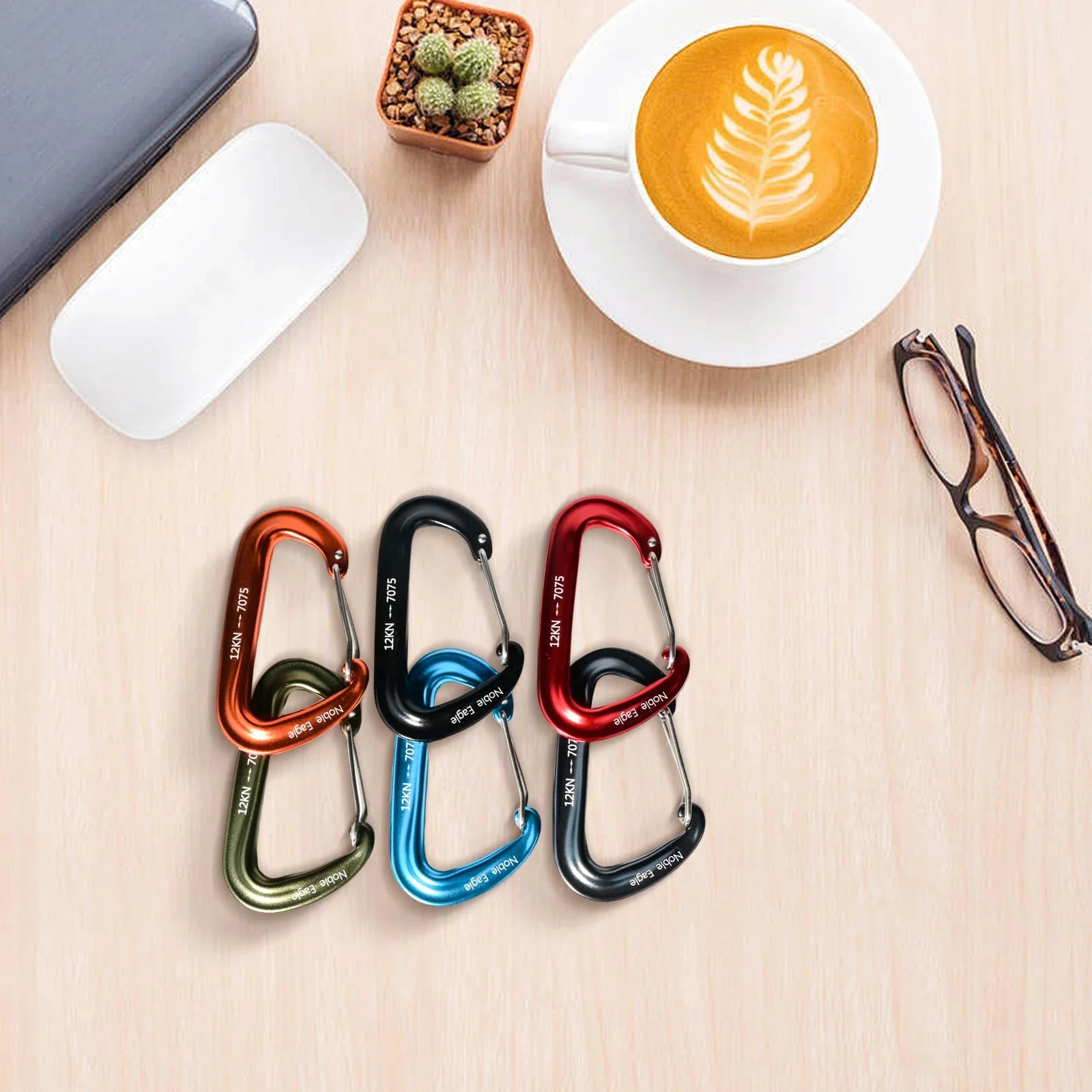
Explore durable essentials like Hooks, Clips & Carabiners designed for reliability in every outdoor scenario.
💡 See it in action
What Are Rock Climbing Carabiners?
Rock climbing carabinders are metal connectors used to secure ropes, harnesses, anchors, and protection systems. They act as the critical link in your safety chain.
Modern designs focus on maximizing strength while minimizing weight, ensuring climbers can move efficiently without sacrificing security.
- Typically made from aluminum or steel
- Rated in kilonewtons (kN) for strength
- Available in multiple shapes and gate types
- Designed for specific climbing tasks
How Advanced Features Improve Safety Instantly
Rock climbing carabinders improve safety through high strength ratings, optimized shapes, and secure locking mechanisms. Features like keylock noses, reinforced gates, and ergonomic designs reduce accidental unclipping, improve load distribution, and ensure reliable performance even under dynamic climbing forces.
1. Strength Ratings (kN)
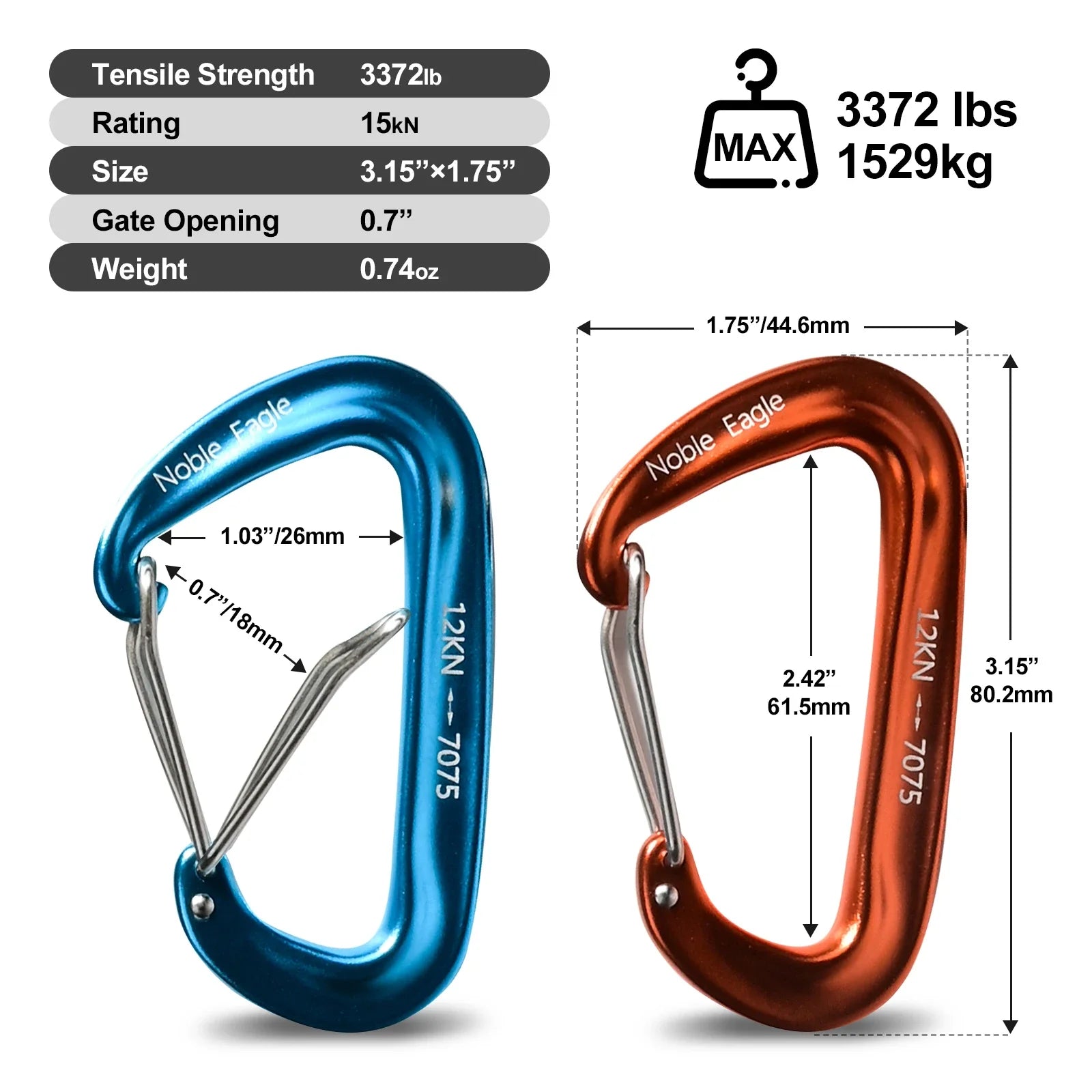
Strength is measured in kilonewtons. Most climbing carabiners range between 20–30 kN along the major axis.
- Major axis: strongest direction
- Minor axis: significantly weaker
- Open gate strength: critical for real-world safety
2. Gate Types and Reliability
Gate design affects ease of use and security:
- Straight gate: simple and strong
- Bent gate: easier rope clipping
- Wire gate: lightweight and reduces gate flutter
- Locking gate: prevents accidental opening
Locking carabiners are essential for anchors and belay systems.
3. Keylock Nose Design
Prevents snagging on ropes or gear, allowing smoother clipping and unclipping.
4. Material Engineering
Aluminum offers lightweight performance, while steel provides unmatched durability for heavy-duty use.
👉 Learn how to choose the right hiking gear
Pair your climbing setup with essentials from Backpacking & Carry for better organization and efficiency.
Why Shape Matters: D-Shaped vs Oval Carabiner Durability
D-Shaped Carabiners
D-shaped designs naturally shift load toward the spine, the strongest part of the carabiner.
- Higher strength-to-weight ratio
- Better load distribution
- Preferred for most climbing scenarios
Oval Carabiners
Oval designs distribute weight evenly, making them ideal for specific gear setups.
- Balanced shape for pulleys and aid climbing
- Slightly lower strength compared to D-shape
- Better for symmetrical loading
Quick Comparison
| Feature | D-Shaped | Oval |
|---|---|---|
| Strength | Higher | Moderate |
| Weight | Lighter | Slightly heavier |
| Best Use | General climbing | Gear organization |
Detailed Guide to Outdoor Carabiner Types
Not all carabiners are built the same. Choosing the right type depends on your climbing style and environment.
💡 See it in action
Non-Locking Carabiners
- Quick to clip and unclip
- Used in quickdraws
- Not suitable for anchors
Locking Carabiners
- Screwgate or auto-locking
- Essential for belaying and anchors
- Provides added security
Specialty Carabiners
- HMS (pear-shaped) for belay devices
- Offset D for optimized strength
- Lightweight models for alpine climbing
For everyday outdoor setups, explore versatile options in Hooks, Clips & Carabiners.
How to Choose Strong Climbing Carabiners for Your Setup
- Check strength rating: Aim for at least 20 kN major axis.
- Match the shape: D-shape for strength, oval for balance.
- Select the right gate: Locking for safety-critical points.
- Consider weight: Lightweight for long climbs, heavier for durability.
- Evaluate handling: Smooth clipping improves efficiency.
Many climbers also organize their gear using Gear Organizers & Pouches to avoid clutter during climbs.
How the Right Carabiner Improves Real Climbing Results
Using the correct carabiner isn’t just about specs—it directly impacts performance.
- Faster clipping reduces fatigue
- Secure locking builds confidence at height
- Better load distribution prevents gear failure
- Lightweight designs improve endurance
Climbers often report smoother ascents and fewer mistakes after upgrading their gear.
Carabiner Feature Comparison for Smarter Decisions
| Feature | Basic Carabiner | Advanced Carabiner |
|---|---|---|
| Strength | 18–20 kN | 22–30 kN |
| Gate Type | Standard | Locking / Wire |
| Durability | Moderate | High |
| Ease of Use | Basic | Ergonomic |
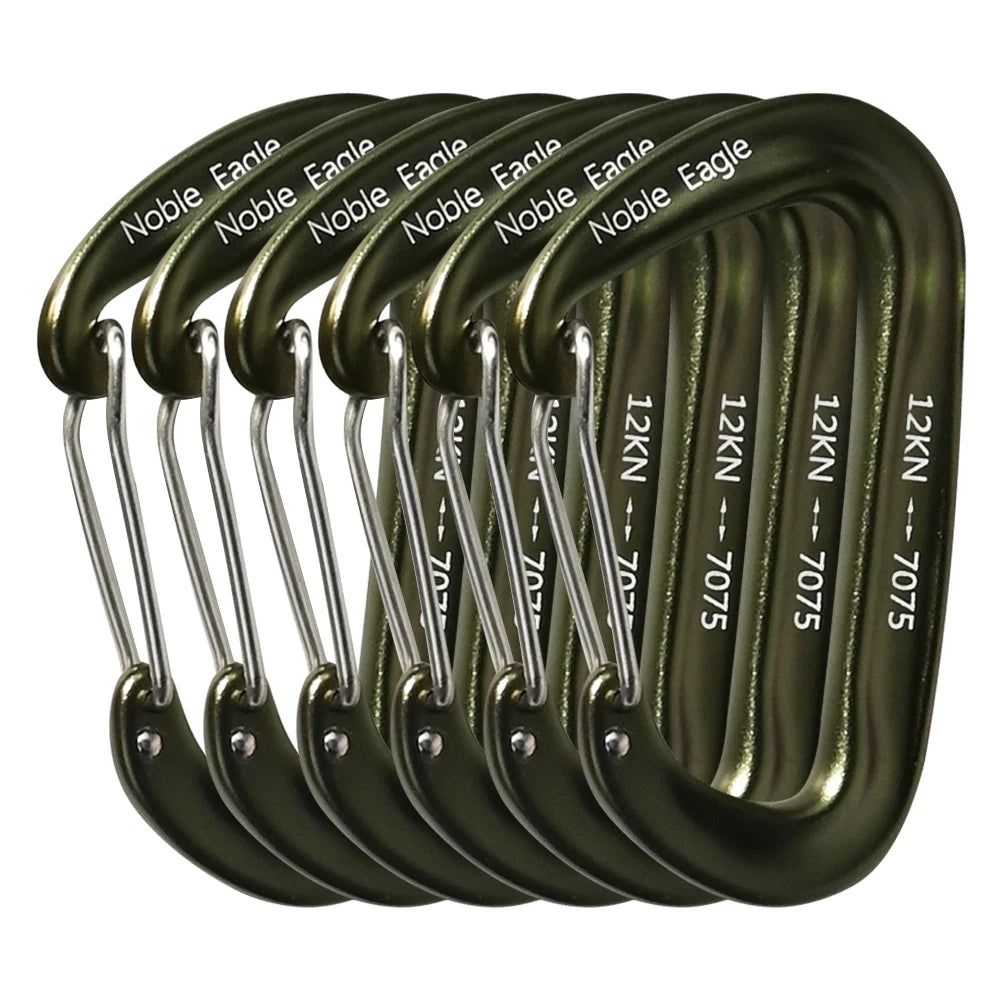
For a reliable upgrade, check out this durable aluminum carabiner set designed for everyday outdoor use.
Pro Tips That Make Every Climb Safer
- Always check gate closure before loading
- Avoid cross-loading the carabiner
- Replace worn or damaged gear immediately
- Use locking carabiners for critical connections
- Keep gear organized with Camping Storage & Boxes
Pairing your climbing gear with reliable lighting like Headlamps & Wearable Lights ensures safety even in low-light conditions.
💡 See it in action
Why the Right Carabiner Is Worth It
Every climb depends on trust—trust in your gear, your technique, and your decisions.
Choosing the right rock climbing carabinders eliminates doubt and lets you focus on the climb itself.
👉 Get yours now before your next trip!
Upgrade your setup with reliable gear from Hooks, Clips & Carabiners and climb with confidence.
Frequently Asked Questions
What is the safest type of carabiner?
Locking carabiners are considered the safest, especially for anchors and belaying. They prevent accidental gate opening and provide added security in critical situations.
How strong should climbing carabiners be?
Most climbing carabiners should have a major axis strength of at least 20 kN. Higher ratings provide better safety margins for dynamic loads.
Are D-shaped carabiners better than oval?
D-shaped carabiners are generally stronger and lighter, making them ideal for most climbing situations, while oval carabiners are better for gear organization and specific setups.
When should you replace a carabiner?
Replace a carabiner if it shows signs of wear, deformation, sharp edges, or gate malfunction. Regular inspection ensures continued safety.
Related Articles:
- Mountain Climbing Carabiner Features You Need To Know
- Aluminum Carabiners For Camping Vs Climbing: Deep Feature Analysis
Pillar Articles:





