

Mountain Climbing Carabiner Features You Need To Know
What is a mountain climbing carabiner?
A mountain climbing carabiner is a strong metal loop with a spring-loaded or locking gate used to connect ropes, harnesses, and anchors during climbing. A mountain climbing carabiner ensures secure attachment points in extreme outdoor conditions, helping distribute load safely and reduce the risk of equipment failure during ascent or descent.
Mountain Climbing Carabiner Features You Need To Know
⏱ 5 min read
When you're halfway up a steep rock face and every piece of gear matters, would you trust a weak clip between you and the ground? A mountain climbing carabiner is not just a connector—it’s a critical safety lifeline that determines stability, confidence, and survival in outdoor environments.
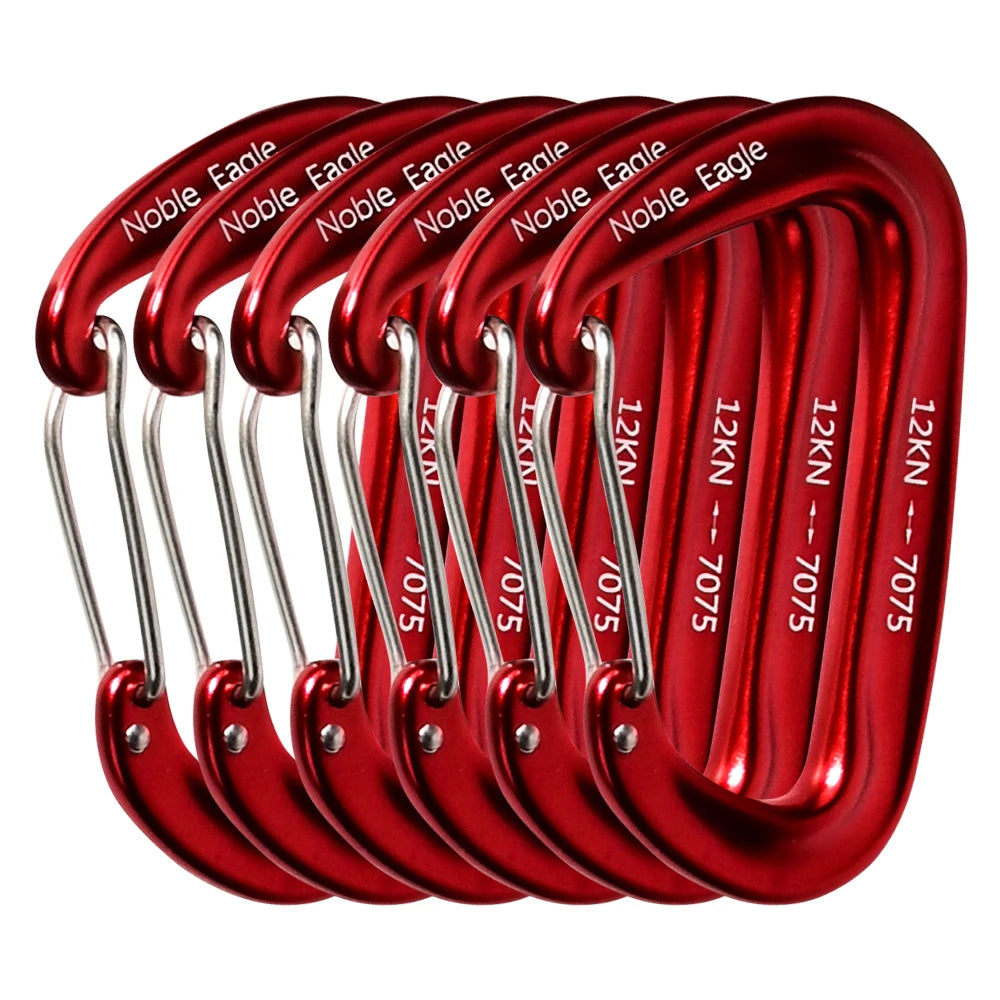
💡 See it in action
👉 Discover must-have climbing gear built for real outdoor conditions
Key Features of a Reliable Carabiner
A high-quality mountain climbing carabiner is designed to handle extreme stress, friction, and unpredictable outdoor conditions. Key features like gate shape, load rating, and locking mechanisms directly influence safety and usability in real climbing scenarios.
- High load strength: Designed for heavy weight support in vertical climbs
- Ergonomic gate design: Enables quick clipping even with gloves
- Anti-slip grip: Prevents accidental drops in wet or icy conditions
- Corrosion resistance: Essential for long-term outdoor exposure
For more reliable setups, explore durable options in Hooks, Clips & Carabiners designed for outdoor adventure stability.
Locking Systems Explained
The locking system is one of the most important elements in a mountain climbing carabiner. It determines how securely the gate stays closed under load, vibration, or sudden movement.
Common locking types:
- Screw-lock: Manual twist lock for controlled safety
- Auto-lock: Self-locking mechanism for faster operation
- Non-locking: Lightweight, used for quick, low-risk attachments
Choosing the right locking style depends on your climbing environment and risk level.
Materials and Strength Ratings
Most mountain climbing carabiners are made from aerospace-grade aluminum or steel alloys. Aluminum is lighter and ideal for long climbs, while steel provides higher durability for heavy-load situations.
Strength ratings are typically measured in kilonewtons (kN), indicating how much force the carabiner can withstand before failure.
| Material | Best Use | Key Benefit |
|---|---|---|
| Aluminum | Hiking & alpine climbing | Lightweight performance |
| Steel | Rescue & heavy-duty use | Maximum strength |
👉 Learn how to choose the right climbing gear for safer outdoor adventures
How to Prevent Carabiner Failure Outdoors
Carabiner failure is rare but usually caused by misuse, wear, or unnoticed damage. Understanding how to inspect and use your gear properly can dramatically reduce risks during climbs.
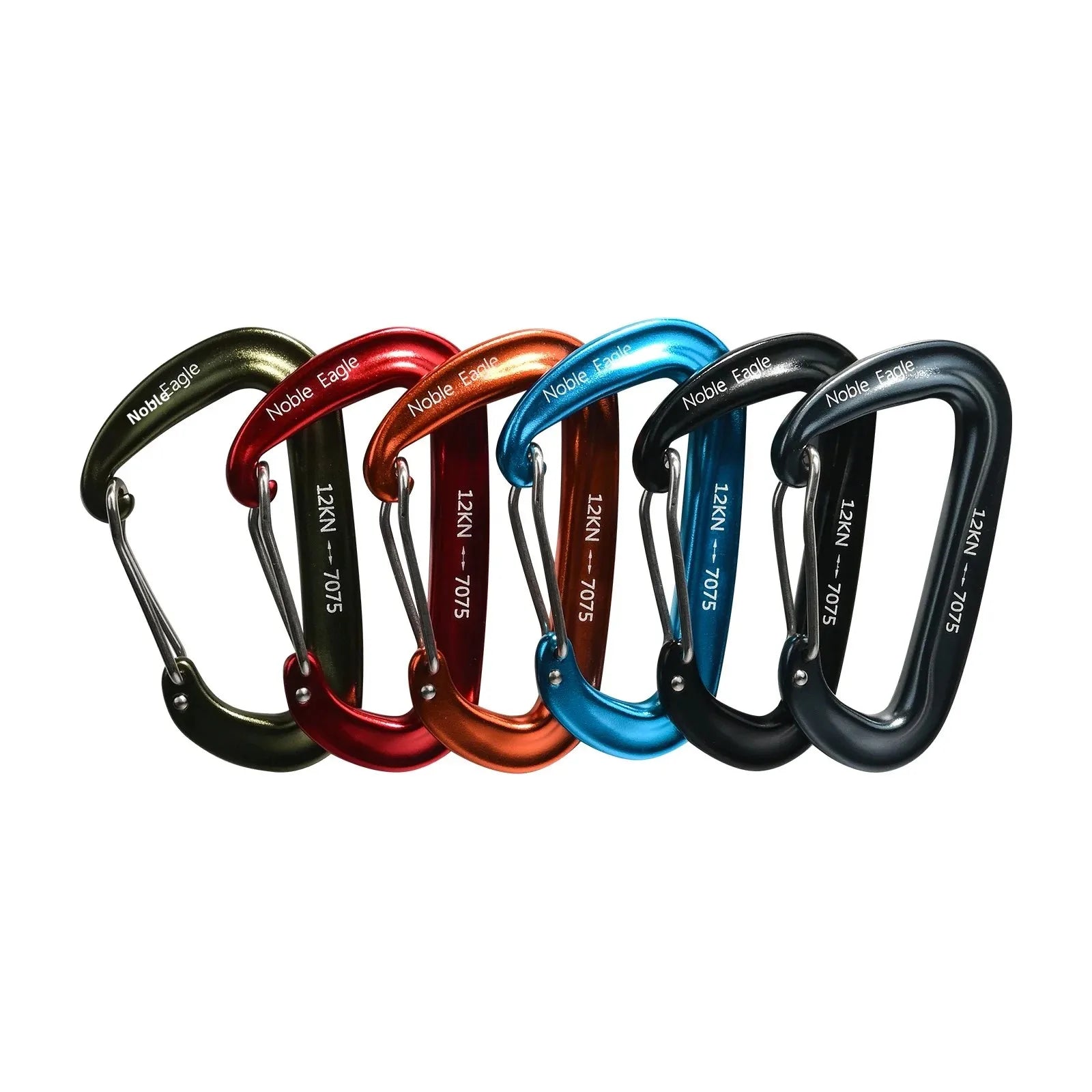
💡 See it in action
- Check for cracks or deformation before every climb
- Avoid cross-loading (side pressure on gate)
- Keep locking mechanisms clean and debris-free
- Replace gear after heavy impact or falls
Many climbers underestimate inspection routines, but consistent checks are what separate safe climbs from dangerous ones.
What Reviews Reveal About Durability
Real-world climbing feedback highlights that not all carabiners perform equally under stress. Many users of high-strength outdoor gear attachment clips report that smoother gate action and reinforced locking systems significantly improve safety and confidence on technical routes.
- Better durability in cold, wet environments
- Reduced gate jamming during repeated use
- Longer lifespan under frequent load cycles
For climbers comparing options, reviews of heavy-duty climbing carabiners consistently emphasize reliability over ultra-lightweight design in demanding conditions.
View a tested climbing carabiner set built for outdoor reliability
How to Choose the Right Carabiner
Choosing the right mountain climbing carabiner depends on your activity type, terrain, and load requirements. A mismatch between gear and environment can reduce safety margins significantly.
Checklist for selection:
- Match strength rating to intended use
- Choose locking system based on speed vs. safety needs
- Prioritize lightweight or heavy-duty depending on route difficulty
- Test gate smoothness before long expeditions
Pairing your carabiner with supportive equipment like Backpacking & Carry systems improves overall load distribution and efficiency.
Maintenance and Safety Checks
Proper maintenance extends the life of your gear and ensures consistent performance in the field. Even the strongest carabiner requires regular care to stay reliable.
- Clean after exposure to sand, salt, or mud
- Lubricate locking mechanism lightly when needed
- Store in dry conditions away from direct sunlight
- Inspect gate tension and alignment regularly
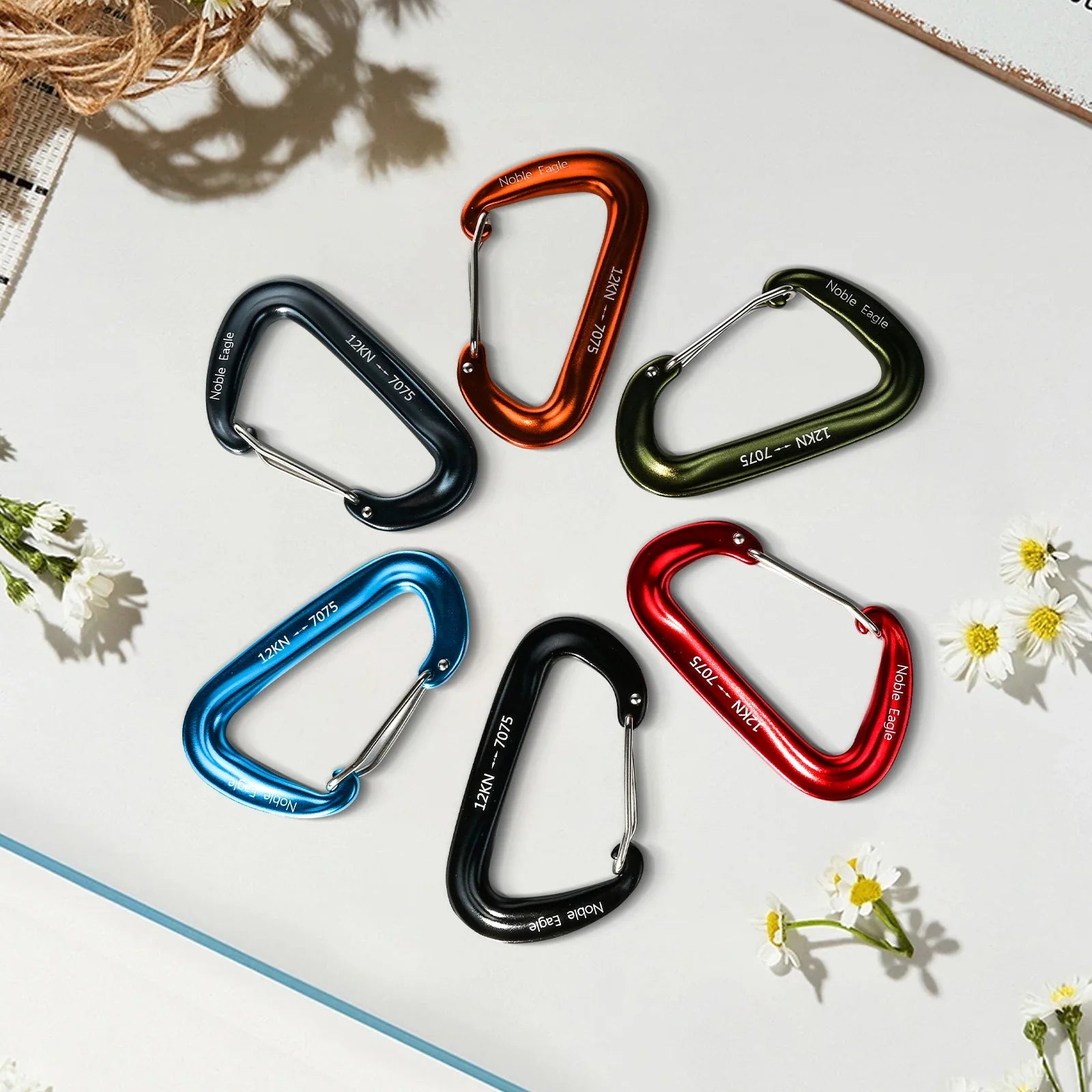
💡 See it in action
👉 Get yours now before your next trip and upgrade your climbing safety setup
FAQ
How strong should a mountain climbing carabiner be?
Most climbing carabiners should handle at least 20–25 kN of force. Higher ratings are recommended for technical climbs, rescue work, or heavy-load systems where safety margins must be maximized.
Can I use one carabiner for all outdoor activities?
No. Different activities require different designs. Climbing demands locking, high-strength carabiners, while casual outdoor use may not require the same level of load resistance.
How often should I replace a carabiner?
Replace it immediately if you notice cracks, gate issues, or after a significant fall. Otherwise, regular inspection after each trip is essential for safety assurance.
What is the most common cause of failure?
Incorrect loading direction and lack of inspection are the leading causes of carabiner failure, not material weakness itself.
Are locking carabiners necessary?
For climbing, yes. Locking carabiners significantly reduce accidental opening risks, especially during dynamic movement or rope tension changes.
Pillar Article: Rock Climbing Carabiners: Features That Make Them Safer
Other Related Articles:
Explore More:





