

Wet Weather Camping Tips: How To Stay Dry In Constant Rain
Rain Gear For Hikers: What To Pack For Wet Trail Protection
Does rain gear for hikers really matter on unpredictable trails?
Rain gear for hikers is essential for staying warm, dry, and safe when storms roll in unexpectedly. A reliable rain system protects clothing, sleeping gear, navigation tools, and body temperature during long hikes. Smart layering, lightweight waterproof gear packing tips, and emergency shelter preparation can prevent minor discomfort from becoming a dangerous survival situation.
⏱ 12 min read
Nothing ruins a promising trail day faster than cold rain soaking through your layers miles away from camp. Many hikers underestimate how quickly unpredictable weather exposure hiking trails can turn uncomfortable or even risky. Have you ever packed for sunshine only to face freezing wind, slippery terrain, and drenched supplies before lunch?
This guide breaks down practical rain gear for hikers, including layering systems, lightweight waterproof gear packing tips, gear protection in heavy rain hikes, and a hiking emergency shelter preparation checklist trusted by experienced backpackers. Whether you hike weekend trails or train for multi-day adventures, the right rain protection setup can help you stay dry without overpacking.
👉 Discover must-have camping gear before your next rainy adventure.
Explore dependable wet-weather solutions like Rain Ponchos & Capes, Waterproof & Dry Bags, and Ground Sheets & Tarps for safer hiking in unpredictable weather.
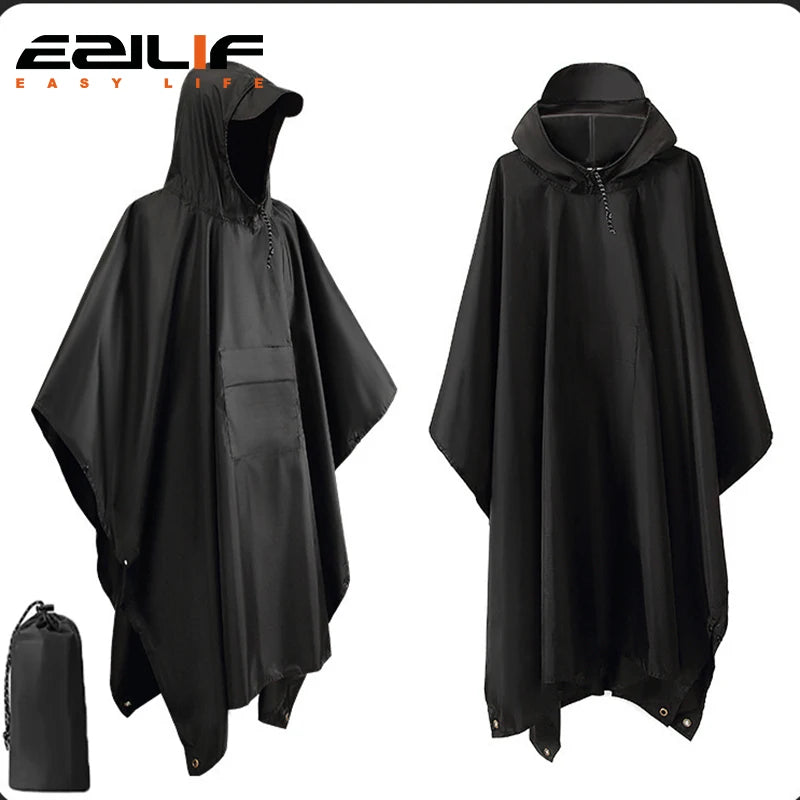
💡 See it in action
Why Rain Protection Matters More Than Most Hikers Think
Rain is more than an inconvenience on the trail. Wet clothing increases heat loss, soaked socks create painful blisters, and waterlogged gear adds unnecessary weight to every mile. In colder regions, exposure becomes dangerous surprisingly fast.
Unpredictable weather exposure hiking trails are increasingly common in mountain regions, forests, and coastal terrain. Forecasts shift quickly, and storms can build within minutes.
Experienced hikers know the goal is not staying perfectly dry. The real goal is maintaining body temperature, protecting critical gear, and avoiding exhaustion caused by constant moisture.
What happens when hikers ignore rain preparation?
- Clothing loses insulation value
- Navigation devices stop functioning
- Food and emergency supplies become unusable
- Morale drops dramatically after hours of exposure
- Hypothermia risk increases even in mild temperatures
A Colorado backpacker shared that a sudden thunderstorm soaked his cotton hoodie within 20 minutes during a summer ascent. Temperatures dropped into the low 50s, and what started as a casual day hike became a dangerous descent. His only dry layer was protected inside a waterproof storage sack.
| Common Rain Problem | Trail Consequence | Smart Solution |
|---|---|---|
| Wet backpack contents | Damaged clothing and electronics | Use Waterproof & Dry Bags |
| Cold wind exposure | Rapid heat loss | Layer with Wind & Cold Protection |
| Muddy camp setup | Uncomfortable sleeping area | Carry Ground Sheets & Tarps |
| Wet footwear | Blisters and fatigue | Pack spare socks in dry bags |
How the Right Rain Gear System Keeps You Safer and More Comfortable
Rain gear for hikers works best when built as a complete system instead of relying on a single jacket. The most reliable setups combine waterproof outer protection, moisture-managing layers, dry storage, emergency shelter options, and lightweight accessories that perform well during long periods of wet exposure.
Many beginners focus only on rain jackets. Experienced backpackers think bigger. They prepare for rain entering through sleeves, dripping into packs, soaking footwear, and accumulating inside tents overnight.
Core items every rain hiking kit should include
- Waterproof outer shell or poncho
- Moisture-wicking base layer
- Insulating mid-layer
- Waterproof pack protection
- Backup shelter system
- Emergency lighting and navigation
- Dry storage for electronics and clothing
Many long-distance hikers prefer versatile poncho systems because they protect both body and backpack simultaneously. The 3-in-1 Military Rain Poncho is especially popular among backpackers who want adaptable storm protection without carrying extra bulk.
It functions as wearable rain protection, emergency shelter coverage, and ground cover support during changing weather conditions.
Helpful supporting gear for wet weather hiking
- Lightweight Daypacks for reduced fatigue
- Compression & Packing Bags to separate wet and dry clothing
- Headlamps & Wearable Lights for low-visibility storms
- Emergency Lighting during severe weather delays
- Safety, Survival & Emergency supplies for unexpected exposure
How Smart Layering Prevents Cold and Exhaustion on Wet Trails
The biggest mistake hikers make is dressing too warm before rain begins. Sweat trapped inside waterproof clothing eventually creates the same miserable result as rain penetration.
Smart layering balances ventilation, insulation, and water resistance.
The three-layer hiking rain system
| Layer | Purpose | Best Material Type |
|---|---|---|
| Base Layer | Moves moisture away from skin | Synthetic or merino wool |
| Mid Layer | Retains warmth | Fleece or lightweight insulated fabric |
| Outer Layer | Blocks rain and wind | Waterproof shell or poncho |
Cotton performs poorly during rain exposure because it absorbs moisture and dries slowly. That is why experienced backpackers often repeat the phrase “cotton kills” during cold-weather training.
Why ponchos outperform jackets in some environments
Traditional rain jackets trap heat effectively but may feel clammy during humid climbs. Ponchos create better airflow while protecting both body and backpack.
The 3-in-1 Military Rain Poncho provides extra coverage around hiking packs, making it especially useful during gear protection in heavy rain hikes.
One Appalachian Trail hiker explained that switching from a fitted rain jacket to a poncho reduced sweating and improved comfort during humid summer storms.
👉 Learn how to choose the right hiking gear for changing trail conditions.
Pair dependable rain protection with Weather Protection & Environment, Lightweight Daypacks, and Hooks, Clips & Carabiners for smarter organization during wet hikes.
Easy layering adjustments during active hikes
- Open poncho sides during uphill climbs
- Remove insulating layers before overheating
- Keep spare dry socks isolated in waterproof storage
- Ventilate jackets whenever rainfall decreases
- Protect sleeping clothes separately from hiking layers
How to Protect Essential Gear During Heavy Rain Hikes
Gear protection in heavy rain hikes requires more than an external rain cover. Water enters backpacks through seams, zippers, and condensation buildup.
Smart hikers organize equipment into waterproof zones.
What should always stay completely dry?
- Sleeping layers
- Emergency fire-starting tools
- Navigation devices
- Power banks
- Food reserves
- First aid supplies
Using separate internal waterproof storage systems dramatically reduces the chance of total gear failure.
Many hikers combine Waterproof & Dry Bags with Gear Organizers & Pouches to create modular protection inside backpacks.
Dry packing strategy used by experienced backpackers
- Place sleeping gear inside waterproof compression bags
- Store electronics inside sealed pouches
- Keep emergency layers accessible near the top of the pack
- Separate wet items immediately after use
- Use pack liners during prolonged storms
One Pacific Northwest hiker reported hiking through three straight days of rain without soaking her sleeping bag because every essential item stayed double-sealed in dry storage.
Why waterproof backpack covers are not enough
Backpack covers help reduce external saturation, but wind-driven rain often reaches exposed seams. Moisture also accumulates through condensation inside tightly packed bags.
That is why internal waterproof organization matters just as much as external coverage.
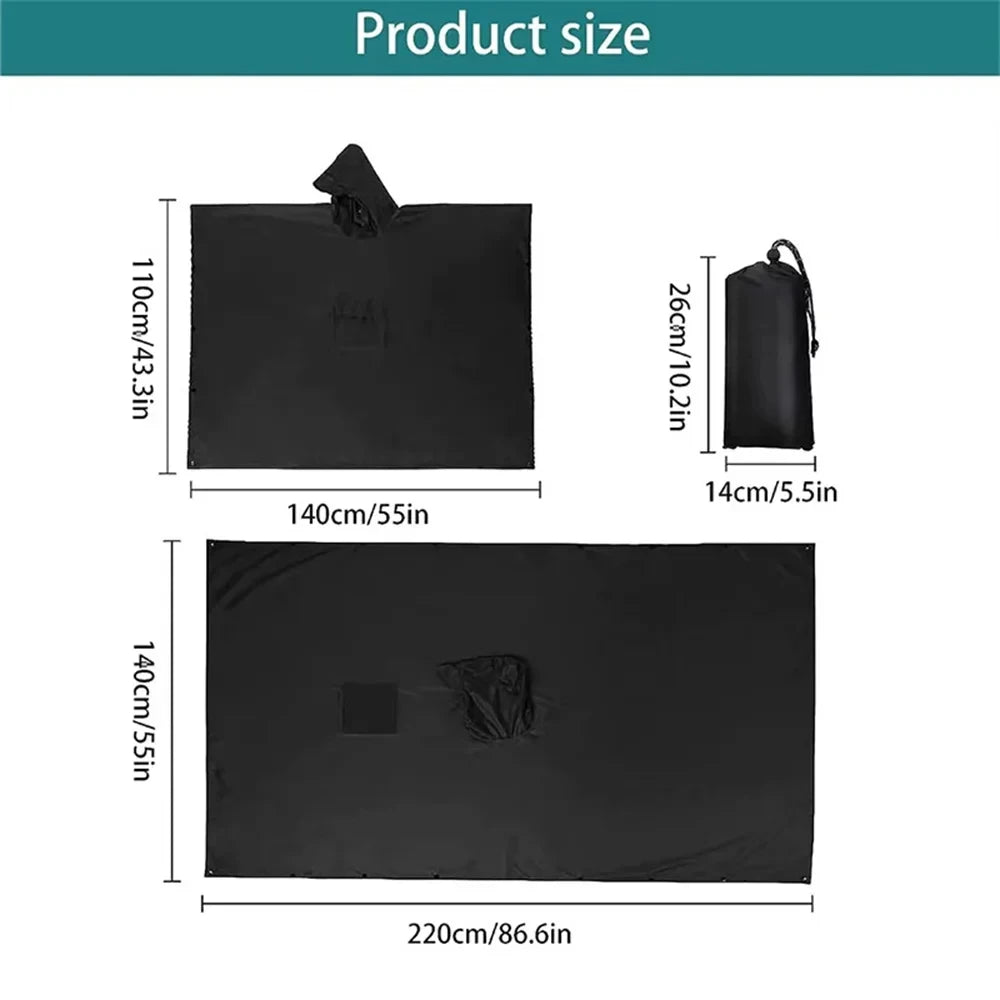
💡 See it in action
Lightweight Waterproof Gear Packing Tips for Long-Distance Hikers
Ultralight hikers understand that every ounce matters. The challenge is balancing lightweight waterproof gear packing tips with realistic storm protection.
Overpacking causes fatigue, while underpacking creates unnecessary risk.
How to reduce weight without sacrificing protection
- Choose multi-use gear whenever possible
- Replace bulky towels with compact quick-dry cloths
- Use ponchos that double as shelters
- Carry compact emergency insulation layers
- Prioritize fast-drying fabrics
The 3-in-1 Military Rain Poncho appeals to minimalist hikers because it combines rainwear, shelter functionality, and emergency coverage into one lightweight solution.
Compact rain gear checklist for weekend hikers
| Item | Why It Matters |
|---|---|
| Rain poncho or shell | Primary weather barrier |
| Pack liner | Internal waterproof protection |
| Dry socks | Blister prevention |
| Emergency tarp | Shelter backup |
| Compact headlamp | Visibility during storms |
| Waterproof fire kit | Emergency warmth |
Many thru-hikers also use Compression & Packing Bags to minimize pack volume while protecting critical clothing.
Smart storage tricks for wet-weather efficiency
Keep rain gear accessible without opening the entire backpack. Store ponchos, gloves, and waterproof layers in quick-access exterior compartments.
Using Hooks, Clips & Carabiners also helps hikers air-dry damp equipment during breaks.
Hiking Emergency Shelter Preparation Checklist for Stormy Conditions
Rain emergencies rarely happen exactly where hikers plan to stop. Sudden storms, injuries, and trail closures can force overnight exposure.
A hiking emergency shelter preparation checklist gives hikers more flexibility during dangerous conditions.
Emergency shelter essentials every hiker should carry
- Emergency tarp or poncho shelter
- Ground insulation layer
- Emergency blanket
- Waterproof fire-starting kit
- Backup light source
- Emergency whistle
- Water purification system
Helpful backup gear includes Fire Starters & Ignition, Emergency Whistles & Signals, and Personal Water Filters.
How experienced hikers improvise shelter quickly
- Identify elevated ground away from runoff
- Use trees or trekking poles for support
- Angle shelter to block prevailing wind
- Create drainage channels around resting areas
- Keep insulation layers elevated off wet ground
Backpackers frequently use ponchos as emergency overhead protection during sudden storms. The versatility of the 3-in-1 Military Rain Poncho makes it especially practical for fast shelter deployment.
One long-distance hiker described using his poncho as a temporary storm shelter during a lightning delay in the Smoky Mountains. The setup kept his insulation layers dry while waiting for severe weather to pass.
Additional comfort gear that helps during wet overnight delays
- Blankets & Sleeping Comfort
- Inflatable Pillows
- Sleeping Bags & Sleeping Pads
- Camping Tents & Shelter
Why Many Experienced Backpackers Still Prefer Rain Ponchos
Modern rain jackets dominate outdoor stores, but ponchos remain incredibly popular among long-distance hikers for good reason.
They provide ventilation, wider coverage, and better pack protection during extended storms.
Main advantages of hiking ponchos
| Benefit | Why Hikers Like It |
|---|---|
| Improved airflow | Reduces overheating and sweat buildup |
| Backpack coverage | Protects gear without separate covers |
| Multi-use function | Works as shelter or ground cover |
| Lightweight design | Reduces overall pack weight |
| Quick deployment | Easy to put on during sudden storms |
Hikers who move through humid forests often report that ponchos feel more comfortable during long climbs compared to tightly sealed rain shells.
The 3-in-1 Military Rain Poncho is especially useful for hikers who want adaptable coverage during unpredictable weather exposure hiking trails.
👉 Get yours now before your next trip!
Prepare for sudden weather shifts with dependable rain protection, plus essentials from Safety, Survival & Emergency, Weather Accessories, and Portable Power Banks.
When a rain jacket may still be the better option
- High alpine wind exposure
- Technical climbing terrain
- Cold winter hiking conditions
- Dense brush or scrambling routes
Many hikers eventually carry both lightweight shell layers and poncho systems depending on climate and terrain.
Common Wet Weather Hiking Mistakes That Lead to Trouble
Even expensive gear fails when hikers make poor decisions during storms.
Most common rain hiking mistakes
- Starting hikes without checking elevation forecasts
- Wearing cotton clothing
- Ignoring hydration during cool rain
- Packing all gear in one compartment
- Failing to protect sleeping equipment
- Underestimating wind chill
- Skipping emergency shelter supplies
One beginner backpacker described carrying a high-end rain jacket but no dry storage system. After a river crossing and heavy downpour, his sleeping bag became soaked beyond recovery.
Rain gear for hikers works best as a complete strategy rather than a single product purchase.
How trail conditions become more dangerous in rain
- Rocks become slippery
- River crossings rise rapidly
- Visibility decreases
- Body energy drains faster
- Navigation becomes more difficult
Reliable preparation includes lighting, navigation, and backup power systems. Many hikers carry Portable Power Banks alongside Headlamps & Wearable Lights during longer wet-weather trips.
How Families and Beginners Can Stay Comfortable in Rain
Rain hiking with children or inexperienced hikers requires extra planning. Comfort drops quickly when people become cold, hungry, or discouraged.
Easy ways to improve morale during rainy hikes
- Pack warm drinks in insulated containers
- Keep backup gloves and socks dry
- Schedule shorter distances
- Use shelters during meal breaks
- Choose wider ponchos for shared coverage
Families often benefit from carrying compact shelter gear from Family Outdoor Bundles and Group Picnic Accessories.
Warm food also improves morale significantly during cold rain exposure. Lightweight setups from Camping Stoves & Cooking and Outdoor Cookware make quick trail meals much easier.
Beginner-friendly wet-weather setup
| Need | Recommended Solution |
|---|---|
| Rain protection | Poncho with backpack coverage |
| Gear organization | Dry bags and packing cubes |
| Safety visibility | Headlamp and emergency light |
| Comfort during breaks | Ground tarp and insulated layers |
| Emergency backup | Fire kit and whistle |
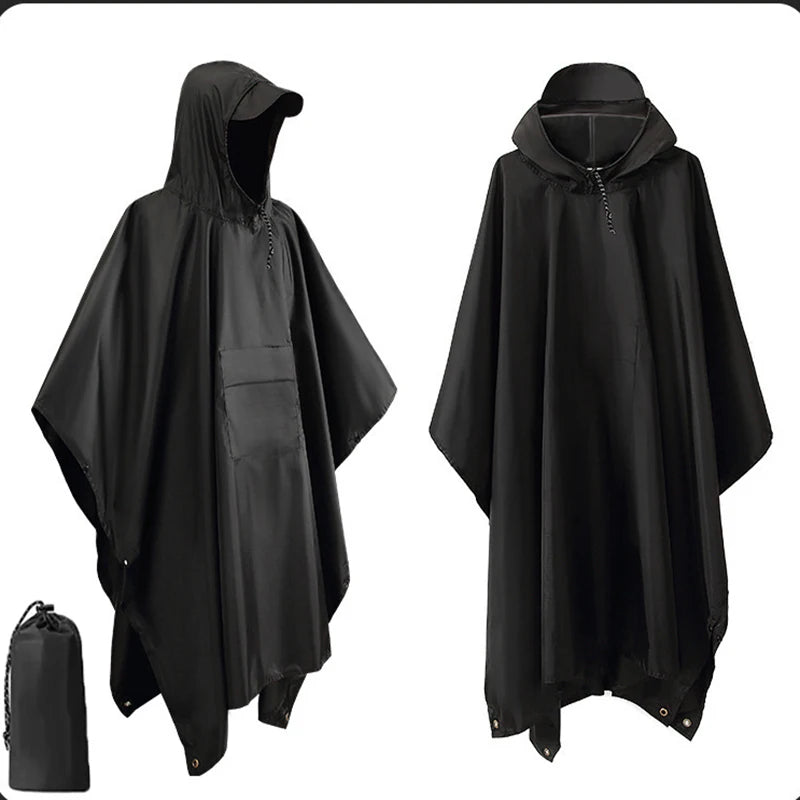
💡 See it in action
Rain Gear Comparison for Different Hiking Conditions
Not every hiking environment requires identical protection systems. Smart hikers adjust gear based on climate, elevation, trip duration, and exposure level.
| Hiking Environment | Best Rain Protection Approach |
|---|---|
| Humid summer forests | Breathable poncho system |
| Cold alpine terrain | Layered waterproof shell system |
| Weekend backpacking | Lightweight poncho plus tarp |
| Long-distance thru-hiking | Multi-use lightweight gear setup |
| Family hiking trips | Simple shared shelter systems |
Many hikers eventually build customized systems combining ponchos, shell layers, dry storage, and emergency shelter equipment.
The key is testing gear before major trips instead of waiting for real storms to expose weaknesses.
Questions hikers should ask before every trip
- What is the worst realistic weather forecast?
- Can I stay warm if completely wet?
- Are critical supplies protected independently?
- Do I have emergency shelter capability?
- Can I hike safely after dark if delayed?
Stay Dry and Keep Moving With Smarter Trail Preparation
Rain does not have to ruin hiking adventures. With the right rain gear for hikers, smart layering systems, waterproof organization, and emergency preparation, wet trails become far more manageable and enjoyable.
Experienced hikers know preparation builds confidence. Reliable gear protection in heavy rain hikes reduces stress, improves comfort, and keeps essential equipment functioning when conditions suddenly shift.
Whether you prefer ultralight weekend hikes or multi-day wilderness routes, versatile equipment like the 3-in-1 Military Rain Poncho can simplify packing while improving weather protection.
Pair your setup with dependable essentials from Weather Protection & Environment, Waterproof & Dry Bags, Safety, Survival & Emergency, and Camping Tents & Shelter to stay prepared for changing trail conditions.
FAQ
What is the best rain gear for hikers?
The best rain gear for hikers combines waterproof protection, breathability, and lightweight packability. Many hikers prefer ponchos because they protect both the body and backpack while improving airflow during humid hikes.
How do hikers keep gear dry in heavy rain?
Experienced hikers use waterproof dry bags, pack liners, compression sacks, and separate storage compartments for electronics, sleeping layers, and emergency supplies. Internal waterproof organization matters more than external pack covers alone.
Are ponchos better than rain jackets for hiking?
Ponchos often provide better ventilation and backpack coverage, especially during warm-weather hiking. Rain jackets may perform better in cold alpine environments with strong winds or technical terrain.
What should be included in a hiking emergency shelter checklist?
A hiking emergency shelter preparation checklist should include a tarp or poncho shelter, fire-starting tools, emergency blanket, water filtration system, backup lighting, and insulated sleeping protection.
How can hikers reduce pack weight without sacrificing rain protection?
Choose multi-use gear, fast-drying fabrics, compact waterproof storage systems, and lightweight ponchos that can double as emergency shelters. Smart packing reduces bulk while maintaining trail safety.
Pillar Article: Rain Gear For Hikers: What To Pack For Wet Trail Protection
Other Related Articles:
Explore More:





