

Backpacking Gear Getting Soaked Outdoors: Fast Recovery Fixes
Backpacking Gear Getting Soaked Outdoors: Fast Recovery Fixes
⏱ 9 min read
Does backpacking gear getting soaked outdoors ruin a trip?
Backpacking gear getting soaked outdoors does not have to end your trip if you act quickly. Fast drying layers, waterproof pack organization, and emergency rain protection can restore warmth and comfort within hours. Smart recovery steps also reduce damage to electronics, sleeping gear, and food supplies during heavy rain hikes.
Backpacking through sudden storms can feel overwhelming when every layer inside your pack turns damp at once. Wet socks, soaked sleeping bags, and dripping gear quickly destroy comfort and morale. The good news? A few lightweight recovery strategies can dramatically reduce drying time, protect essential equipment, and help you stay safe even during long stretches of heavy rain. Whether you hike weekend trails or multi-day backcountry routes, learning fast recovery fixes can turn a miserable weather surprise into a manageable outdoor challenge.
Have you ever opened your backpack after hours of rain only to realize your dry clothes are soaked too? That moment is exactly why recovery planning matters before storms hit.
👉 Discover must-have rain protection before your next trail adventure.
💡 See it in action
Why Soaked Gear Becomes Dangerous Fast
Backpacking gear getting soaked outdoors becomes dangerous when moisture steals body heat faster than hikers expect. Wet insulation loses effectiveness quickly, while damp clothing increases the risk of cold stress, blisters, and fatigue. Fast recovery methods and waterproof organization help maintain warmth, mobility, and safety during extended rain exposure.
Rain rarely affects only one item. Once moisture enters your backpack, it spreads rapidly through fabric, electronics, food packaging, and sleeping systems.
Many hikers focus only on staying dry from the outside. The real challenge begins after moisture enters the pack and stays trapped for hours.
- Wet socks increase blister risk
- Damp sleeping bags lose insulation
- Moist food packaging becomes contaminated
- Cold clothing lowers body temperature quickly
- Waterlogged gear adds unnecessary pack weight
For long-distance hikers, recovery speed matters more than perfect weather avoidance.
| Common Soaked Gear Problem | Immediate Impact | Fast Recovery Fix |
|---|---|---|
| Wet socks | Blisters and cold feet | Rotate dry backup pair immediately |
| Soaked sleeping bag | Reduced overnight warmth | Air dry during breaks |
| Damp electronics | Battery damage | Store in sealed dry bags |
| Wet food supplies | Food spoilage | Use waterproof storage layers |
Many experienced hikers rely on layered protection using Waterproof & Dry Bags and Compression & Packing Bags to isolate moisture before it spreads through the entire backpack.
How Fast Drying Layers Restore Warmth Quickly
Wet clothing during outdoor emergencies becomes manageable when hikers prioritize airflow, body heat retention, and moisture separation. Quick-dry synthetic layers, strategic ventilation, and lightweight rain barriers help reduce heat loss while speeding up recovery after sudden storms.
The biggest mistake hikers make is keeping wet clothing on too long. Even breathable fabrics lose efficiency when continuously compressed under rain jackets or heavy packs.
Use Body Heat Carefully
Your body naturally dries lightweight synthetic layers faster than cold air alone. However, avoid staying in fully soaked clothing once temperatures begin dropping.
- Remove saturated outer layers immediately
- Put on dry base layers if available
- Ventilate during uphill movement
- Protect core warmth with a poncho or shell
- Hang damp gear during meal or rest stops
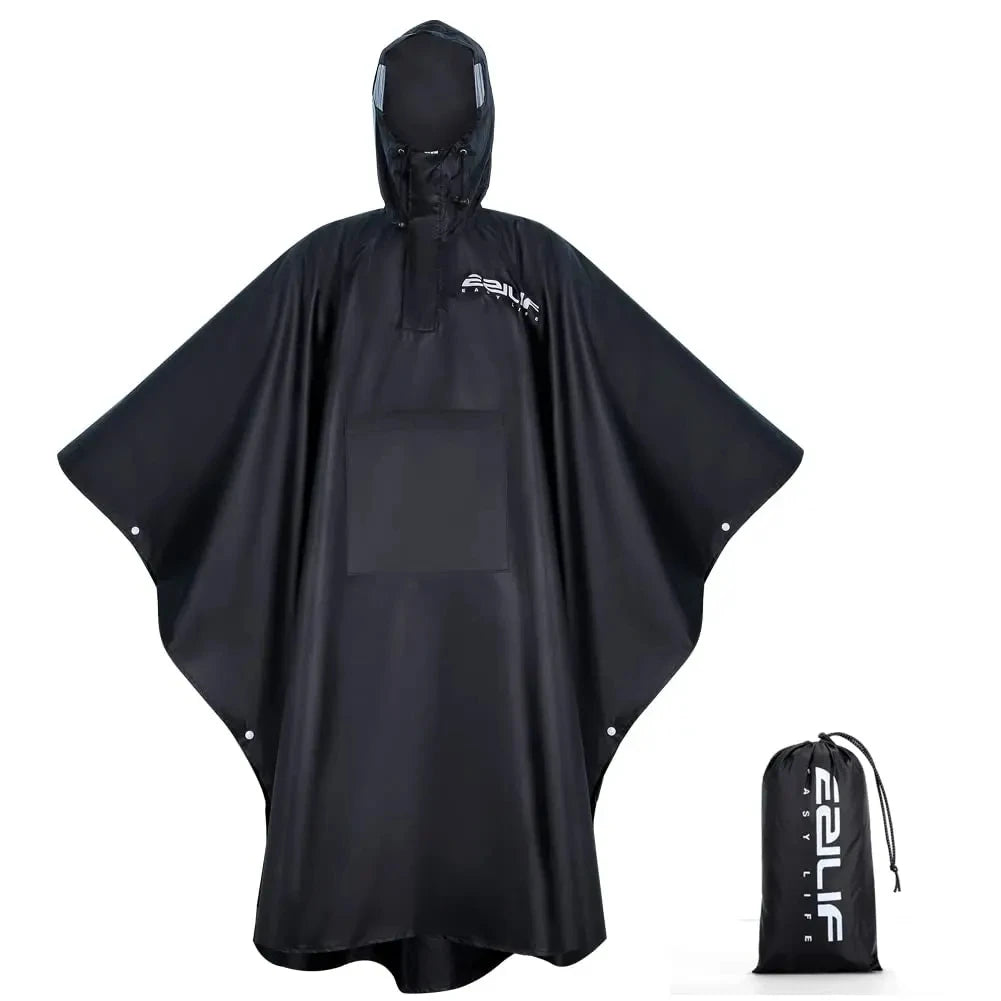
Hikers often underestimate how effective a simple rain barrier can be. A reliable poncho protects both your body and pack while improving airflow underneath.
Many backpackers combine Rain Ponchos & Capes with Wind & Cold Protection systems to maintain warmth without overheating.
👉 Learn how to choose the right hiking rain protection before unexpected weather hits.
Drying Priorities Matter
When everything gets wet, focus on these items first:
- Socks and footwear
- Sleeping layers
- Insulation jackets
- Navigation tools and electronics
- Emergency fire-starting equipment
Outdoor travelers frequently store emergency dry clothing inside Gear Organizers & Pouches for faster access during storms.
💡 See it in action
Mistakes That Trap Moisture Inside Your Pack
Gear protection in heavy rain hikes often fails because hikers unintentionally trap moisture inside tightly packed backpacks. Poor ventilation, overloaded compartments, and improperly layered waterproof systems slow evaporation and increase long-term gear damage.
Sometimes the rain itself is not the main problem. Moisture trapped inside your pack can continue soaking gear long after the storm ends.
Overpacking Blocks Airflow
Stuffing wet gear tightly together prevents evaporation. Compression helps organization, but fully sealed damp fabrics stay wet longer.
Instead:
- Separate damp and dry items
- Allow airflow during rest breaks
- Use external attachment points when weather improves
- Rotate layers regularly
Backpackers using Hooks, Clips & Carabiners can attach damp items externally for temporary trail drying.
Ignoring Ground Moisture
Rainwater often enters gear from below rather than above. Setting backpacks directly on wet ground slowly transfers moisture into fabric seams.
Experienced hikers commonly use Ground Sheets & Tarps to create quick drying zones for backpacks and clothing during breaks.
Not Protecting Emergency Gear
Fire starters, lights, and backup batteries should never share space with wet clothing.
Reliable storm preparation includes:
How Lightweight Waterproof Gear Packing Tips Prevent Disaster
Lightweight waterproof gear packing tips reduce recovery time by isolating critical items before storms begin. Strategic layering, compartment separation, and waterproof barriers keep essential survival gear functional even when outer backpack fabric becomes saturated.
Backpacking in wet climates requires a completely different packing mindset.
Instead of hoping rain stays outside the pack, smart hikers assume moisture will eventually get in and prepare layered defenses accordingly.
Build a Waterproof Packing System
| Gear Category | Best Protection Method |
|---|---|
| Sleeping gear | Double dry bag system |
| Electronics | Sealed waterproof pouch |
| Food storage | Water-resistant containers |
| Emergency layers | Separate compression bag |
Backpackers preparing for unstable weather often rely on Backpacking & Carry systems paired with Lightweight Daypacks to reduce excess water weight during storms.
Protect High-Value Essentials First
If pack space becomes limited, prioritize protection for:
- Sleeping insulation
- Dry socks and underwear
- Navigation tools
- Emergency warmth layers
- Water filtration systems
Many hikers also keep Personal Water Filters protected separately because contaminated rainwater conditions often increase after storms.
Best Rain Recovery Gear for Heavy Storm Hikes
Backpacking gear getting soaked outdoors becomes far easier to manage with lightweight rain recovery tools designed for rapid protection and fast setup. Multipurpose rain gear, waterproof storage, and emergency warmth layers help hikers recover faster while carrying less weight.
Some outdoor products solve multiple problems at once, which becomes critical when weather conditions change rapidly.
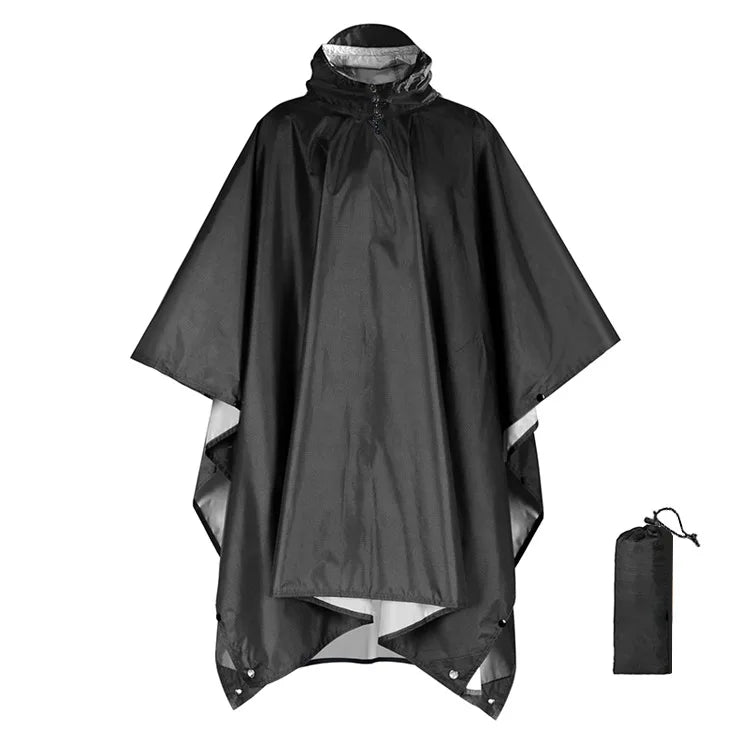
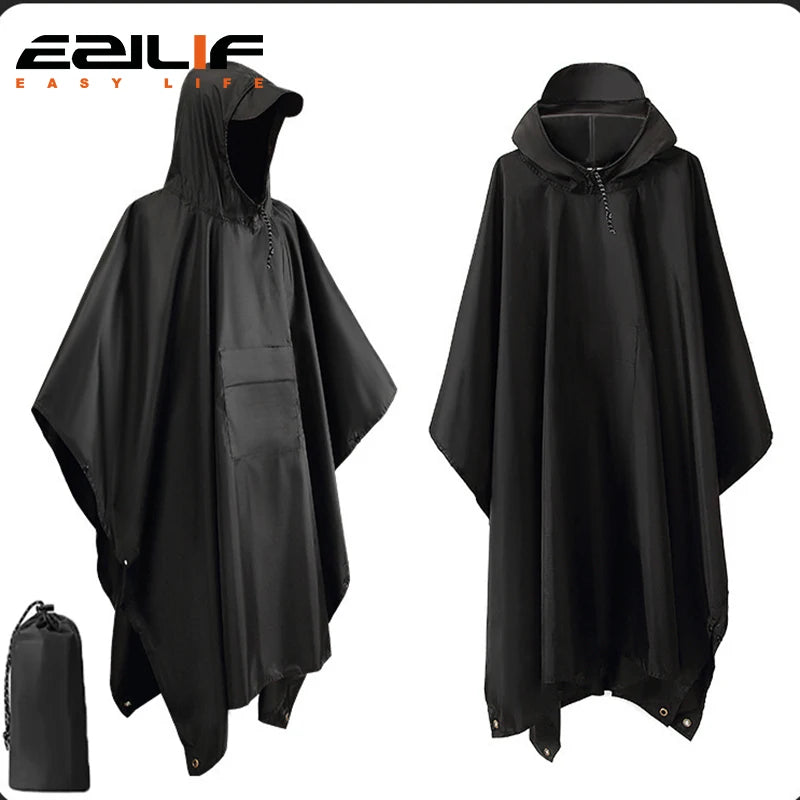
The 3-in-1 Military Rain Poncho stands out because it functions as rain protection, emergency shelter coverage, and an additional weather barrier for backpacks or gear piles.
Backpackers appreciate versatile systems because every ounce matters during long-distance hikes.
Benefits Hikers Commonly Mention
- Faster protection during surprise downpours
- Better pack coverage without extra bulk
- Quick setup during emergency stops
- Reduced moisture buildup inside layers
One Appalachian Trail section hiker shared that switching to a poncho-style system cut clothing drying time dramatically because airflow improved while walking.
Another Pacific Northwest backpacker noted that separating wet and dry gear using Waterproof & Dry Bags prevented an entire sleeping system from getting ruined during three straight days of rain.
👉 Get yours now before your next trip and stay prepared for sudden weather changes.
Real Backpacker Recovery Story
During a Colorado backcountry trip, a group of hikers encountered six hours of nonstop rain while crossing exposed ridges.
One backpacker packed all clothing in a single compartment without waterproof separation. Another divided gear into layered waterproof storage zones.
By nightfall:
- The first hiker lost dry sleeping layers entirely
- The second hiker still had dry socks and insulation
- Morale and overnight comfort differed dramatically
That single packing adjustment changed recovery time, warmth, and overall trail safety.
Many hikers now build storm-ready systems using:
- Weather Protection & Environment
- Safety, Survival & Emergency
- Blankets & Sleeping Comfort
- Car Camping Accessories
💡 See it in action
Quick Emergency Checklist for Soaked Gear
Use this fast recovery checklist the next time storms hit unexpectedly:
- Move wet gear away from sleeping layers immediately
- Replace soaked socks first
- Protect electronics in waterproof barriers
- Create airflow whenever rain slows
- Keep fire-starting tools completely dry
- Use ponchos for both body and pack coverage
- Dry insulation layers before less critical gear
Keeping emergency systems lightweight improves mobility and recovery speed during long rain hikes.
FAQ
What should I dry first after backpacking gear gets soaked outdoors?
Prioritize socks, insulation layers, sleeping gear, and emergency warmth systems first. These items directly affect body temperature and overnight safety.
How do I protect gear during heavy rain hikes?
Use layered waterproof protection with dry bags, compression storage, and external rain barriers. Separating wet and dry items prevents moisture spread inside your backpack.
Are ponchos better than rain jackets for backpacking storms?
Ponchos often provide better airflow and pack coverage during extended rain. Many hikers prefer them for reducing trapped moisture and improving ventilation while moving.
How can I dry wet clothing during outdoor emergencies?
Switch into dry base layers if available, ventilate damp clothing during movement, and hang wet gear during breaks whenever weather conditions improve.
What lightweight waterproof gear packing tips help most?
Separate sleeping gear, electronics, and emergency clothing into independent waterproof compartments. This prevents a single leak from soaking your entire system.
Pillar Article: Rain Gear For Hikers: What To Pack For Wet Trail Protection
Other Related Articles:
Explore More:





