

Rescue Rope Swivel Performance Review: What Matters Most?
What matters most in a rescue rope swivel performance review?
A rescue rope swivel performance review should focus on rotation efficiency under load, durability, compatibility with rescue systems, and long-term resistance to wear. The best swivels reduce rope twist, improve rigging efficiency, and help minimize rope rotation issues while rappelling, especially during complex rescue operations and repeated descents.
Rescue Rope Swivel Performance Review: What Matters Most?
⏱ 8 min read
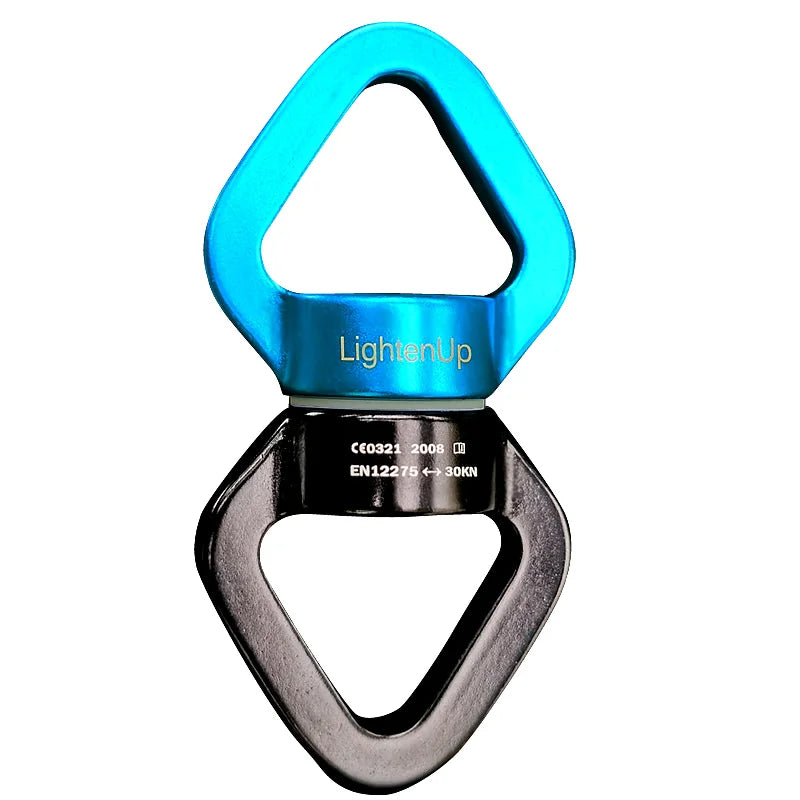
Rescue rope swivel performance review insights can make the difference between smooth descents and frustrating rope problems. Whether you're evaluating a new system, setting up a rescue rope swivel for technical operations, or looking for better rescue rigging rope twist prevention, understanding the factors that truly impact performance can improve efficiency, safety, and equipment longevity. One often-overlooked detail influences nearly every aspect of swivel performance—and many users miss it entirely.
Have you ever completed a long rappel only to discover excessive rope twist, tangled lines, or constant rotation during descent? These issues can slow operations, increase frustration, and create unnecessary complications during critical rescue scenarios.
💡 See it in action
What Makes a Rescue Rope Swivel Perform Well?
A rescue rope swivel performance review should evaluate how effectively a swivel rotates under load, prevents rope twisting, maintains strength during repeated use, and integrates with existing rescue systems. High-performing swivels help preserve rope condition while improving movement efficiency and reducing operational interruptions.
Many buyers focus almost exclusively on strength ratings. While load capacity is important, it is rarely the only factor that determines field performance.
Key evaluation criteria include:
- Smooth rotation under dynamic and static loads
- Resistance to dirt, moisture, and debris
- Compatibility with connectors and rigging hardware
- Durability of bearings and moving components
- Ease of inspection and maintenance
- Long-term performance consistency
For users building a versatile rigging kit, pairing a swivel with quality connectors from Hooks, Clips & Carabiners can improve overall system efficiency.
Side-by-Side Performance Comparison
| Performance Factor | Basic Swivel | Heavy-Duty Rescue Swivel |
|---|---|---|
| Rotation Under Load | Moderate | Excellent |
| Resistance to Rope Twist | Fair | High |
| Bearing Quality | Standard | Enhanced |
| Durability | Medium | High |
| Rescue Compatibility | Limited | Broad |
| Long-Term Reliability | Moderate | Excellent |
When evaluating options, a heavy duty rope swivel connector often demonstrates better consistency during demanding rescue and rigging applications.
How Proper Setup Improves Results
Many performance complaints are actually setup problems. Even premium equipment can underperform when installed incorrectly.
When setting up a rescue rope swivel, follow a systematic process:
- Inspect all hardware before installation.
- Verify connector compatibility and load ratings.
- Ensure unrestricted swivel movement.
- Avoid side-loading components.
- Perform a controlled test before operational use.
- Monitor rotation during initial loading.
Proper alignment allows the swivel to rotate freely and manage torsional forces more effectively.
Field teams frequently store associated gear in solutions such as Gear Organizers & Pouches and Camping Storage & Boxes to keep critical equipment protected and organized.
How Better Rotation Reduces Rope Twist
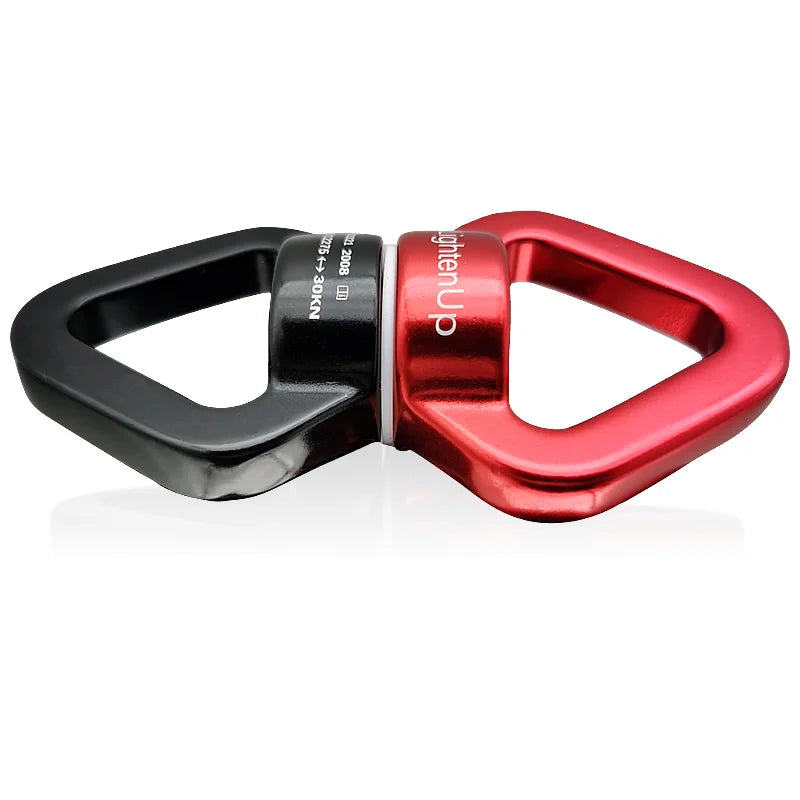
One of the most important benefits of a quality swivel is rescue rigging rope twist prevention.
Every rope system accumulates rotational forces. Without an effective mechanism to dissipate those forces, twists build up gradually and create operational problems.
Common symptoms include:
- Coiling during rope deployment
- Kinks forming in long lines
- Difficult rope handling
- Unexpected rope rotation issues while rappelling
- Reduced efficiency during repeated descents
High-quality swivels allow accumulated torsion to release naturally through controlled rotation.
In practical terms, users experience:
- Smoother descents
- Less rope management time
- Reduced wear on equipment
- More predictable system behavior
💡 See it in action
Why Heavy-Duty Construction Matters
Not every swivel is designed for rescue environments.
A heavy duty rope swivel connector typically incorporates stronger materials, more robust bearings, and enhanced load distribution characteristics.
Benefits of Heavy-Duty Designs
- Greater resistance to shock loads
- Improved performance under sustained tension
- Better durability in harsh weather
- Longer service life
- Reduced maintenance frequency
Users operating in wet environments often pair rescue gear with storage solutions from Waterproof & Dry Bags to extend equipment longevity.
Pros and Cons
| Pros | Cons |
|---|---|
| Higher durability | Usually heavier |
| Better load handling | May cost more initially |
| Improved rotation efficiency | Requires regular inspection |
| Longer lifespan | Bulkier in compact kits |
For many rescue professionals, the durability advantages significantly outweigh the minor trade-offs.
Real-World Rescue and Rappelling Feedback
Experienced users consistently report that swivel quality becomes most noticeable during repetitive operations.
In single descents, differences may appear small. During multiple rappels, extended training sessions, or complex rescue scenarios, performance gaps become obvious.
Common feedback includes:
- "The rope remained easier to manage."
- "Twisting decreased significantly."
- "System movement felt smoother."
- "Less time was spent correcting rope issues."
Outdoor professionals who regularly travel to training sites often combine their technical kits with gear from Travel, Car & Road Trip and Car Organizers & Storage collections to simplify transport.
The Most Overlooked Performance Mistake
The biggest mistake isn't buying the wrong swivel.
It's failing to evaluate rotation performance under realistic loads.
Many users test a swivel unloaded and assume it will perform identically during actual rescue operations. However, bearing behavior often changes significantly once weight is applied.
A thorough rescue rope swivel performance review should always include:
- Loaded rotation testing
- Repeated movement cycles
- Environmental exposure assessment
- Connector compatibility checks
- Inspection of bearing smoothness after use
This single evaluation step often reveals differences that specifications alone cannot show.
How to Choose the Right Swivel for Your System
If you're comparing options, focus on operational requirements rather than marketing claims.
Ask these questions:
- Will the swivel support heavy rescue loads?
- How often will it be used?
- Will it operate in wet or dirty conditions?
- Does it integrate cleanly with existing hardware?
- Can it effectively address rope rotation issues while rappelling?
A well-designed heavy duty rope swivel connector should improve efficiency without adding unnecessary complexity.
For broader outdoor preparedness, many users also explore Safety, Survival & Emergency, First Aid Kits, and Gloves & Protective Gear to support safer field operations.
Quick Evaluation Checklist
- ✓ High load rating
- ✓ Smooth rotation under load
- ✓ Durable bearing system
- ✓ Corrosion resistance
- ✓ Easy inspection
- ✓ Compatible connectors
- ✓ Proven field performance
💡 See it in action
Final Thoughts
A thorough rescue rope swivel performance review reveals that strength ratings alone don't tell the whole story. Rotation efficiency, durability, compatibility, and real-world performance under load often have a greater impact on day-to-day usability.
Whether you're focused on setting up a rescue rope swivel correctly, improving rescue rigging rope twist prevention, or reducing rope rotation issues while rappelling, selecting the right swivel can dramatically improve system performance and operational efficiency.
Frequently Asked Questions
What is the purpose of a rescue rope swivel?
A rescue rope swivel helps manage rotational forces within a rope system, reducing twists, tangles, and unwanted movement during rappelling and rescue operations.
Does a swivel eliminate rope twist completely?
No. A swivel reduces accumulated torsion and helps manage rope twist more effectively, but rope handling practices and system setup also influence overall performance.
How important is bearing quality in a rescue swivel?
Bearing quality directly affects rotation efficiency, especially under load. Better bearings typically provide smoother movement and longer service life.
Can a heavy duty rope swivel connector improve rappelling performance?
Yes. Many users report smoother descents, less rope twisting, and improved system efficiency when using high-quality heavy-duty swivels.
What should I inspect before using a rescue rope swivel?
Check for smooth rotation, hardware wear, bearing condition, corrosion, deformation, and compatibility with the rest of your rigging system.
Pillar Article: Best Climbing Swivel For Ropes: 2026 Review & Comparison
Other Related Articles:
- 30Kn Swivel Vs Standard Carabiner: Which Is Safer?
- Best Swivel For Aerial Yoga: 7 Options Compared
- Swivel Carabiner For Hammock Comparison: Top Picks Tested
- Aluminum Vs Steel Rope Swivels: Which Lasts Longer?
Explore More:





