

Portable Camping Lights: How To Choose And Use Effectively
What are portable camping lights and why do they matter?
Portable camping lights are compact, battery-powered or rechargeable lighting tools designed for outdoor use. They provide reliable illumination when electricity isn’t available, helping campers stay safe, cook efficiently, and navigate at night. Choosing the right portable camping lights ensures better visibility, longer battery life, and a more comfortable outdoor experience.
Portable Camping Lights: How To Choose And Use Effectively
⏱ 7 min read — Portable camping lights can transform your outdoor experience from frustrating to effortless, especially when power sources are limited. Discover smart tips for camping without reliable electricity, how to choose a high-lumen LED camping and survival light, and why emergency portable lighting for camping is more essential than most campers realize.
Ever found yourself fumbling in the dark at your campsite, trying to cook, organize gear, or find your tent zipper? You’re not alone. One of the most common camping mistakes is underestimating how crucial proper lighting really is.
Explore essentials like Camping Lights & Lanterns and Lighting & Power to upgrade your next trip.
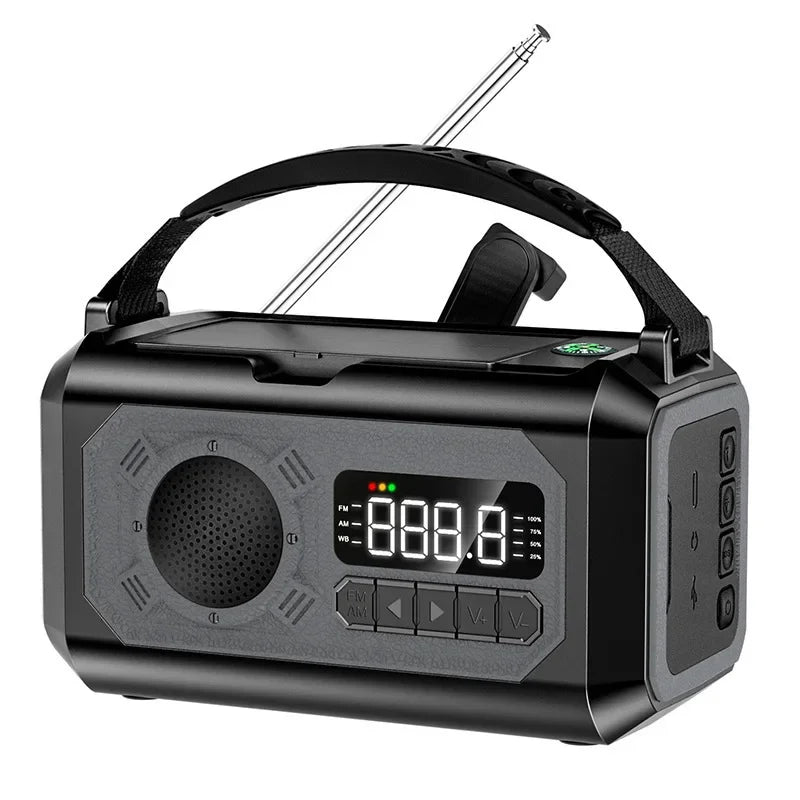
💡 See it in action
Why Proper Lighting Changes Your Camping Experience Instantly
Good lighting isn’t just about convenience—it’s about safety, comfort, and efficiency.
- Safety: Avoid trips, falls, and wildlife surprises
- Efficiency: Cook and organize gear faster
- Comfort: Create a relaxing nighttime atmosphere
- Emergency readiness: Stay prepared for unexpected situations
Campers often report that upgrading their lighting setup is one of the fastest ways to improve their entire outdoor experience.
How to Choose the Right Portable Camping Lights for Any Situation
Portable camping lights vary widely, and picking the wrong one can leave you in the dark—literally.
1. Brightness (Lumens)
- 50–150 lumens: Personal use (reading, tent light)
- 200–400 lumens: Small campsite
- 500+ lumens: Group camping or emergencies
2. Power Source
- Rechargeable (USB or solar)
- Battery-powered (AA/AAA)
- Hand-crank (best for emergencies)
A reliable option like the solar hand crank emergency radio combines lighting, charging, and emergency alerts in one compact device.
3. Portability
Look for lightweight, foldable designs that fit easily into your Lightweight Daypacks or attach to Hooks, Clips & Carabiners.
4. Durability
Outdoor lights should be water-resistant and impact-proof, especially for unpredictable weather conditions.
Browse Solar Lights & Chargers and Emergency Lighting for dependable options.
Types of Portable Camping Lights and When to Use Them
| Type | Best Use | Pros | Cons |
|---|---|---|---|
| Lanter ns | Camp area lighting | Wide coverage | Bulkier |
| Headlamps | Hands-free tasks | Lightweight | Limited range |
| Flashlights | Navigation | Focused beam | Narrow coverage |
| String lights | Ambience | Comfortable lighting | Low brightness |
Mixing multiple types ensures full coverage—from cooking to relaxing.
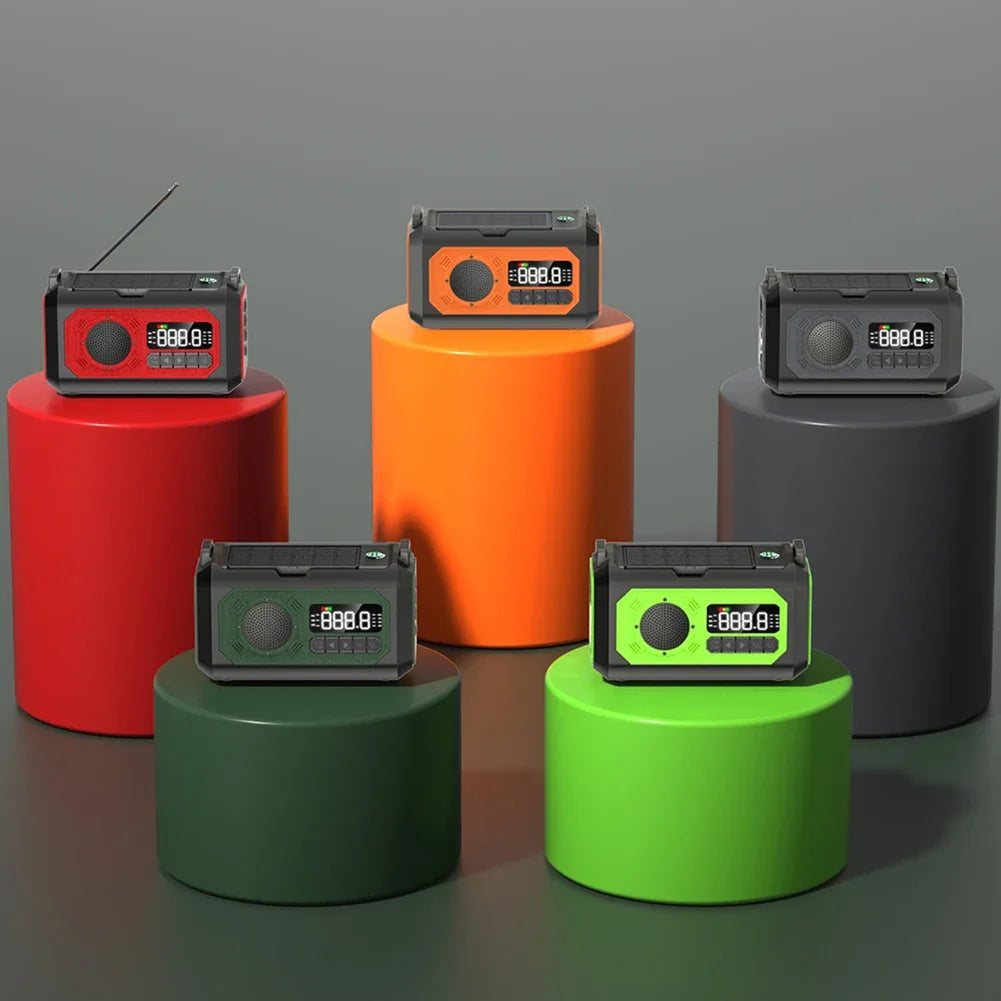
💡 See it in action
Step-by-Step: How to Use Portable Camping Lights Effectively
- Set up your main light source: Place a lantern at the center of your campsite
- Add task lighting: Use headlamps for cooking or repairs
- Create zones: Separate lighting for sleeping, cooking, and walking paths
- Adjust brightness: Lower intensity when full brightness isn’t needed
- Keep backup ready: Always carry an emergency light option
Pair your lighting setup with essentials from Camping Tents & Shelter and Sleeping Bags & Sleeping Pads for a complete system.
Smart Battery Tips for Camping Without Reliable Electricity
- Use low brightness settings when possible
- Turn off lights when not in use
- Carry backup batteries or power banks
- Recharge during the day with solar options
- Use multi-function devices to reduce gear load
Many experienced campers recommend combining lights with Portable Power Banks to ensure uninterrupted usage.
Quick Checklist: What to Pack for Lighting
- Main lantern (high-lumen LED camping and survival light)
- Headlamp or wearable light
- Backup flashlight
- Charging cables or solar charger
- Emergency lighting device
Keep everything organized using Gear Organizers & Pouches to avoid last-minute stress.
Common Lighting Mistakes That Ruin Camping Trips
- Bringing only one light source
- Ignoring battery life
- Choosing lights that are too dim
- Not testing gear before the trip
- Overpacking bulky lighting equipment
A camper shared: “Switching to a multi-functional emergency light saved us during a storm when all our other devices failed.”
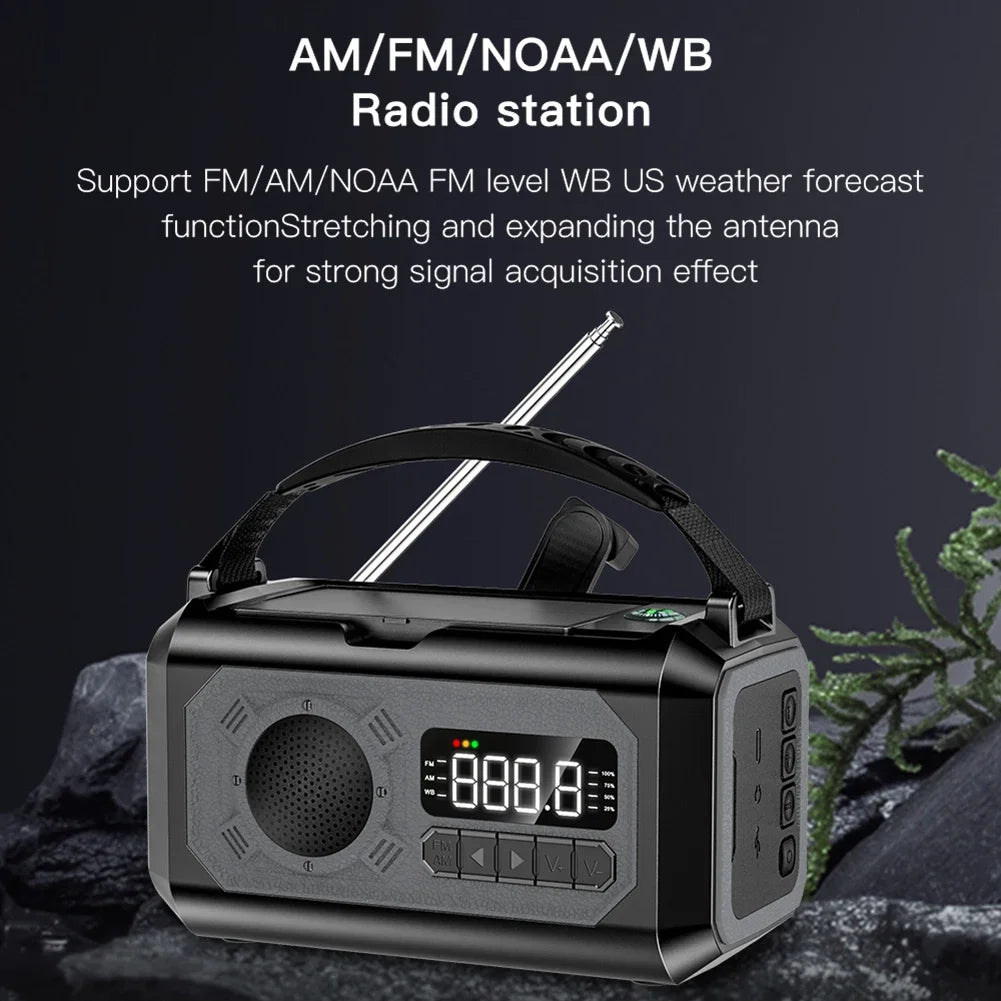
💡 See it in action
Why This Emergency Lighting Solution Stands Out
This portable lighting solution combines solar charging, hand-crank backup, and multiple emergency features into one compact device. It reduces the need for separate tools while ensuring consistent performance in any condition, making it a dependable choice for campers who prioritize safety and convenience.
- Pros: Multi-functional, reliable power backup, compact design
- Cons: Slightly heavier than basic lights
Check out the solar hand crank emergency radio and upgrade your setup today.
Frequently Asked Questions
What is the best brightness for camping lights?
200–400 lumens is ideal for most campsites, while 500+ lumens works best for larger groups or emergencies.
How long do portable camping lights last?
Depending on the model, battery life ranges from 5 to 50 hours. Using lower brightness extends runtime significantly.
Are solar camping lights reliable?
Yes, especially when paired with backup charging methods like hand-crank or power banks.
Do I need more than one light?
Absolutely. A combination of lanterns, headlamps, and emergency lights ensures full coverage and safety.
With the right portable camping lights, you’ll never struggle in the dark again—just focus on enjoying the adventure.
Pillar Article: How Do I Get Weather Alerts: Step-By-Step Guide For Safety
Other Related Articles:
- Led High Lumen Flashlight Guide: Brightness And Battery Tips
- Best Solar Powered Radio Usage Tips For Off-Grid Adventures
- Power Outage Preparation: How To Stay Ready At Home
Explore More:





