

How Do I Get Weather Alerts: Step-By-Step Guide For Safety
How do I get weather alerts fast and reliably?
How do I get weather alerts quickly? Use a mix of smartphone alerts, weather apps, emergency radios, and backup off-grid systems. Combining multiple alert sources ensures you receive real-time warnings even during power outages or poor signal, helping you stay informed and safe during severe weather events.
How Do I Get Weather Alerts: Step-By-Step Guide For Safety
How do i get weather alerts when every second counts? This guide breaks down smart, reliable systems—from phone apps to ways to receive weather alerts off-grid—so you’re never caught off guard. Learn practical strategies for staying informed during severe weather events, even with limited connectivity, plus essential tips for emergency communication in remote areas.
⏱ 8 min read
Storm clouds roll in fast. One minute you're hiking, driving, or relaxing at camp—next, conditions shift. What gear actually keeps you informed when signal drops or power fails?
This guide shows exactly how to stay ahead of unpredictable weather using simple, proven systems.
👉 Discover must-have camping gear
💡 See it in action
Why Weather Alerts Matter for Safety
Severe weather isn’t just inconvenient—it’s dangerous. Sudden storms, flash floods, or extreme heat can turn routine trips into emergencies.
- Storms can escalate within minutes
- Cell coverage may fail in remote areas
- Power outages disable standard communication
- Delayed alerts reduce reaction time
Outdoor travelers often rely on a single device—but that’s risky. A layered alert system dramatically improves your chances of staying safe.
Step-by-Step: How to Get Weather Alerts Anywhere
To get weather alerts effectively, combine phone alerts, weather apps, emergency radios, and backup off-grid tools. Start with built-in alerts, then add redundancy through multiple systems so you receive warnings even when one method fails during severe weather conditions.
-
Enable Wireless Emergency Alerts (WEA)
Go to your phone settings and turn on emergency alerts. These are automatic and location-based. -
Install Reliable Weather Apps
Choose apps with push notifications and radar tracking. -
Use a Backup Power Source
Keep devices charged using gear from Portable Power Banks. -
Add an Emergency Weather Radio
A dedicated device ensures alerts without internet or cell service. -
Create a Redundant System
Never rely on just one method—combine at least three.
This layered approach ensures you're always covered—whether at home, on the road, or deep in nature.
Best Systems for Reliable Alerts (Even in Emergencies)
1. Smartphone Alerts
Fast, automatic, and location-based. Ideal for urban and suburban areas.
2. Weather Apps
Provide detailed forecasts, radar, and customizable alerts.
3. Emergency Weather Radios
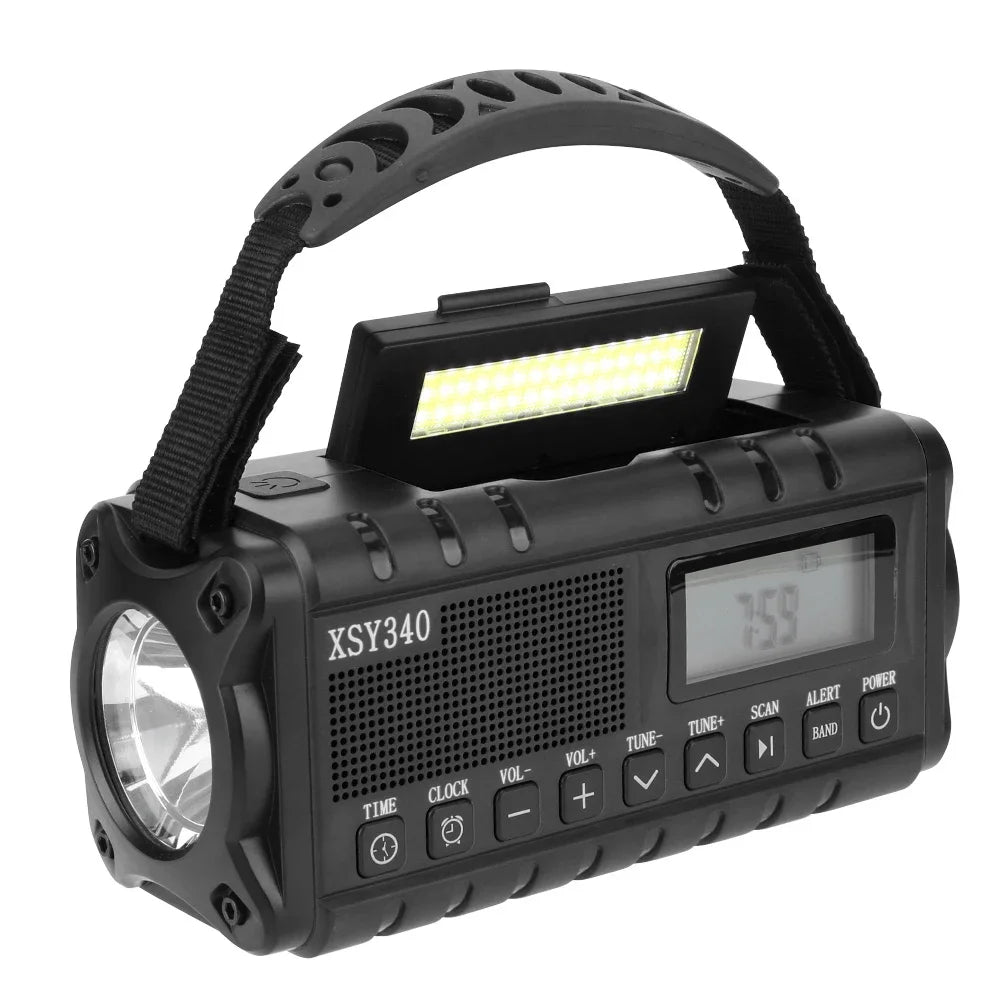
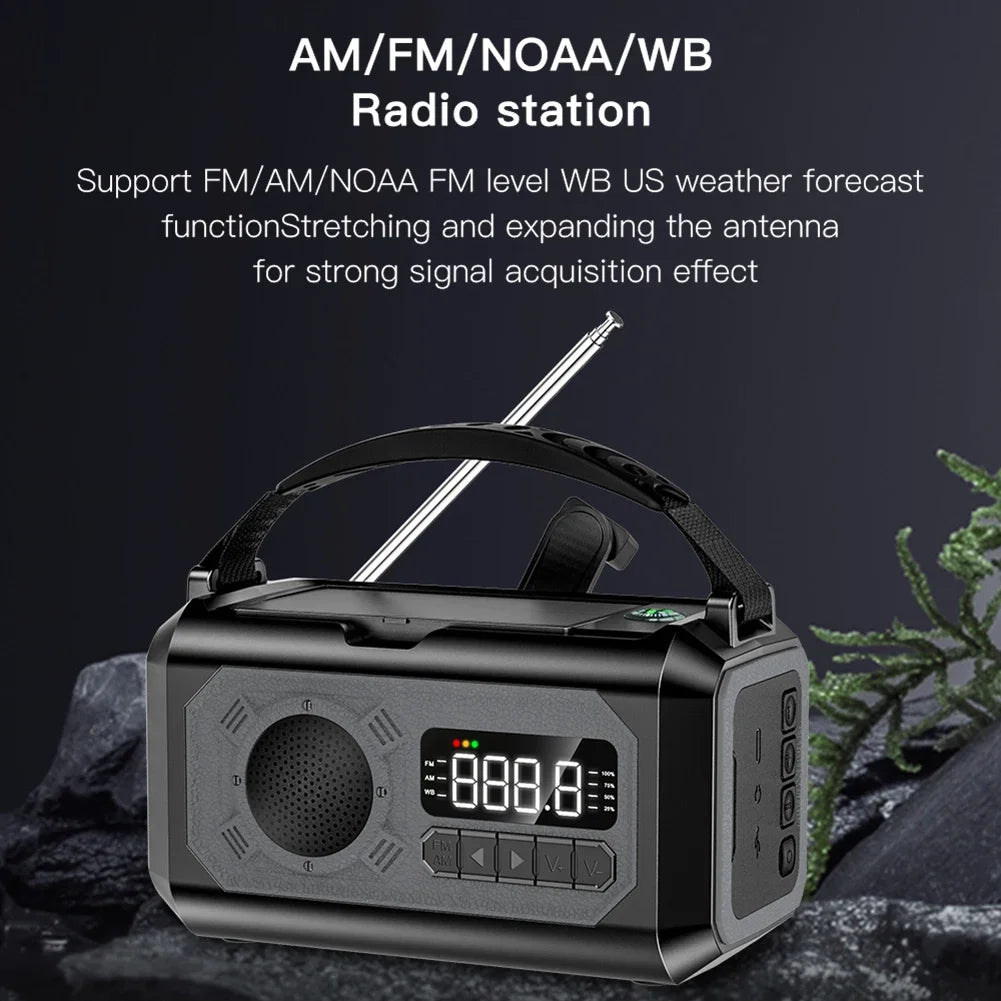
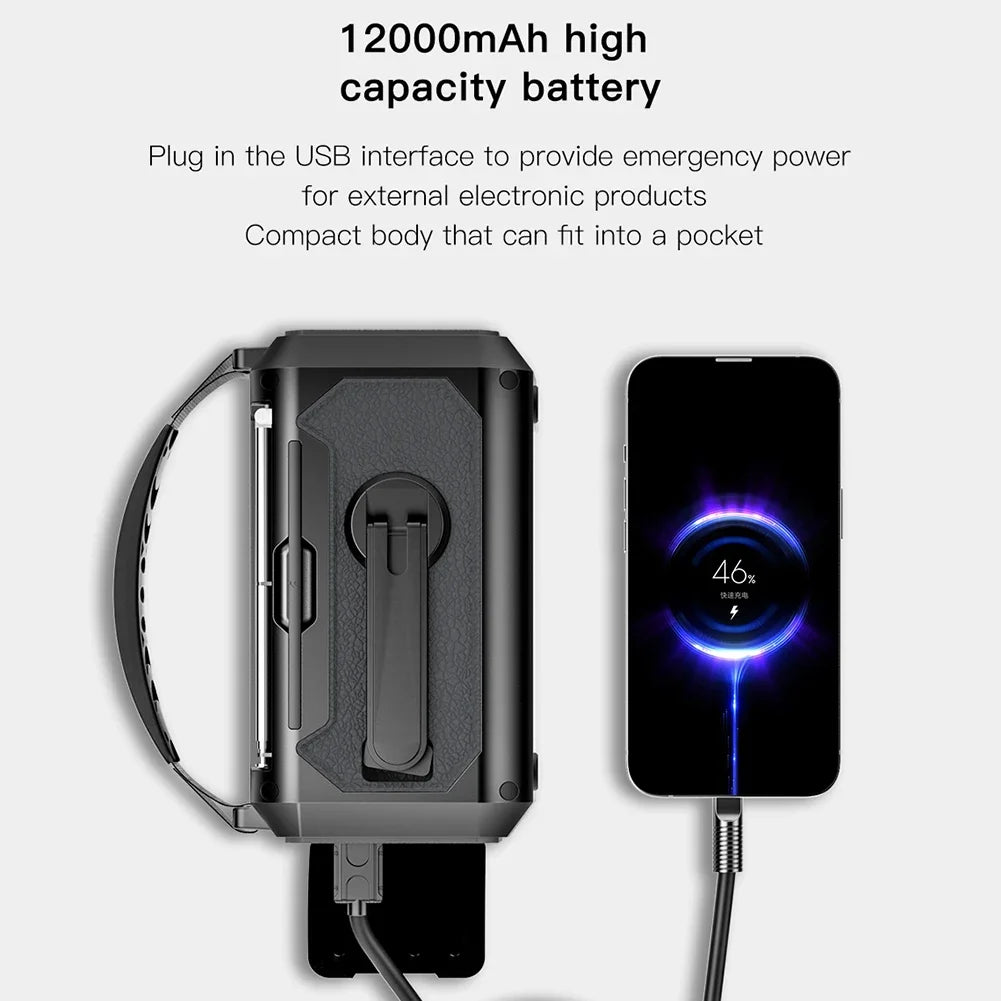
Critical for outages. Devices like the 12000mAh Solar Hand Crank Emergency Weather Radio deliver alerts without relying on power grids.
- Solar charging
- Hand crank backup
- NOAA weather band access
4. Satellite Communicators
Best for extreme remote areas. Works without cellular networks.
👉 Learn how to choose the right hiking gear
Ways to Receive Weather Alerts Off-Grid
When you’re far from cities, traditional alerts may fail. That’s where off-grid solutions shine.
- Emergency Radios: Independent of internet and cell networks
- Solar Chargers: Power your devices continuously
- Backup Lighting: Stay safe at night with Emergency Lighting
- Signal Tools: Use Emergency Whistles & Signals for communication
Many hikers report that having a hand-crank radio made the difference between reacting early and being caught off guard.
Essential Gear Setup for Emergency Communication in Remote Areas
A reliable setup combines alert reception, power, and communication tools.
- Weather radio (primary alert source)
- Backup battery from Portable Power Banks
- Solar charging gear from Solar Lights & Chargers
- Storage protection using Waterproof & Dry Bags
Pro tip: Keep everything organized using Gear Organizers & Pouches so you can access it instantly.
💡 See it in action
Comparison of Weather Alert Methods
| Method | Works Without Internet | Best Use Case | Limitations |
|---|---|---|---|
| Smartphone Alerts | No | Urban areas | Needs signal |
| Weather Apps | No | Detailed forecasts | Battery dependent |
| Emergency Radio | Yes | Off-grid survival | Manual setup |
| Satellite Devices | Yes | Remote expeditions | Higher cost |
Common Mistakes That Leave You Unprepared
- Relying on one alert method
- Not charging devices before trips
- Ignoring test alerts
- Skipping backup communication tools
Fixing these simple mistakes dramatically improves safety.
Real Outdoor Experience: What Actually Works
Campers often share that combining phone alerts with a weather radio gave them peace of mind.
One traveler noted: “Our phones lost signal during a storm, but the emergency radio kept us updated every hour.”
Another said: “Solar charging saved our trip—we stayed informed without worrying about battery life.”
This real-world feedback highlights the importance of redundancy.
👉 Get yours now before your next trip!
Practical Packing Checklist for Weather Alert Readiness
- Weather radio
- Backup battery pack
- Solar charger
- Protective storage bag
- Emergency signal tools
- Extra lighting from Tent & Camping Lanterns
Pair these with essentials from Safety, Survival & Emergency for full preparedness.
💡 See it in action
How This Simple Setup Makes Outdoor Safety Easier
With the right system in place, you’ll:
- React faster to changing weather
- Stay informed even without signal
- Reduce stress during emergencies
- Protect your group or family
Preparedness isn’t complicated—it just requires the right tools and setup.
FAQ
How do I get weather alerts without a smartphone?
Use an emergency weather radio that receives NOAA broadcasts. These devices work without internet or cellular networks.
What is the most reliable weather alert system?
A combination of smartphone alerts, weather apps, and emergency radios provides the most reliable coverage.
Are weather radios worth it?
Yes. They are essential for off-grid safety and remain functional during power outages.
How can I stay informed during severe weather events?
Use multiple alert systems, keep devices charged, and always carry a backup like a solar-powered radio.
What’s the best way to prepare for remote area emergencies?
Pack communication tools, backup power, and protective storage. Combine alert systems to ensure continuous updates.
Related Articles:
- Led High Lumen Flashlight Guide: Brightness And Battery Tips
- Portable Camping Lights: How To Choose And Use Effectively
- Best Solar Powered Radio Usage Tips For Off-Grid Adventures
- Power Outage Preparation: How To Stay Ready At Home
Pillar Articles:





