

Compact First Aid Kit Vs Mini Options: Which Wins?
Compact First Aid Kit vs Mini Options: Which One Is Better?
A compact first aid kit usually offers the best balance between portability and emergency preparedness. While mini kits are lighter and easier to carry, a compact first aid kit typically includes more supplies for cuts, blisters, sprains, and unexpected outdoor situations, making it the stronger choice for most hikers, campers, and travelers.
Compact First Aid Kit Vs Mini Options: Which Wins?
⏱ 8 min read
Choosing between a compact first aid kit and an ultra-small mini kit can feel surprisingly difficult. Every ounce matters when you're hiking, backpacking, camping, or traveling. Yet when an injury happens miles from help, the supplies you leave behind suddenly become the supplies you wish you had. This guide compares both options side by side so you can confidently choose the right solution for your adventures.
Have you ever packed light only to realize later that you forgot something important for safety?
Outdoor enthusiasts often pair emergency gear with essentials from First Aid Kits, Safety, Survival & Emergency, and Lightweight Daypacks to create a complete preparedness system.
💡 See it in action
Quick Comparison: Compact vs Mini
A compact first aid kit delivers broader injury coverage, while a mini kit prioritizes weight savings above all else. For most outdoor users, the additional supplies included in a compact kit provide significantly greater versatility without adding excessive bulk.
| Feature | Compact First Aid Kit | Mini First Aid Kit |
|---|---|---|
| Weight | Moderate | Very Light |
| Supplies Included | Extensive | Basic |
| Backpacking Use | Excellent | Limited |
| Group Travel | Recommended | Not Ideal |
| Emergency Preparedness | High | Low to Moderate |
| Versatility | Excellent | Basic |
Why a Compact First Aid Kit Often Wins
A compact first aid kit provides enough medical supplies to handle the most common outdoor injuries while remaining small enough to fit inside a backpack, vehicle organizer, travel bag, or emergency pouch.
Better Coverage for Common Injuries
- Blisters from long hikes
- Minor cuts and scrapes
- Sprains and strains
- Burn treatment
- Insect bites
- Bandage replacement
- Wound cleaning
Many experienced hikers report that they rarely use every item inside their kit, but when they need something specific, having it available makes a major difference.
More Useful During Remote Adventures
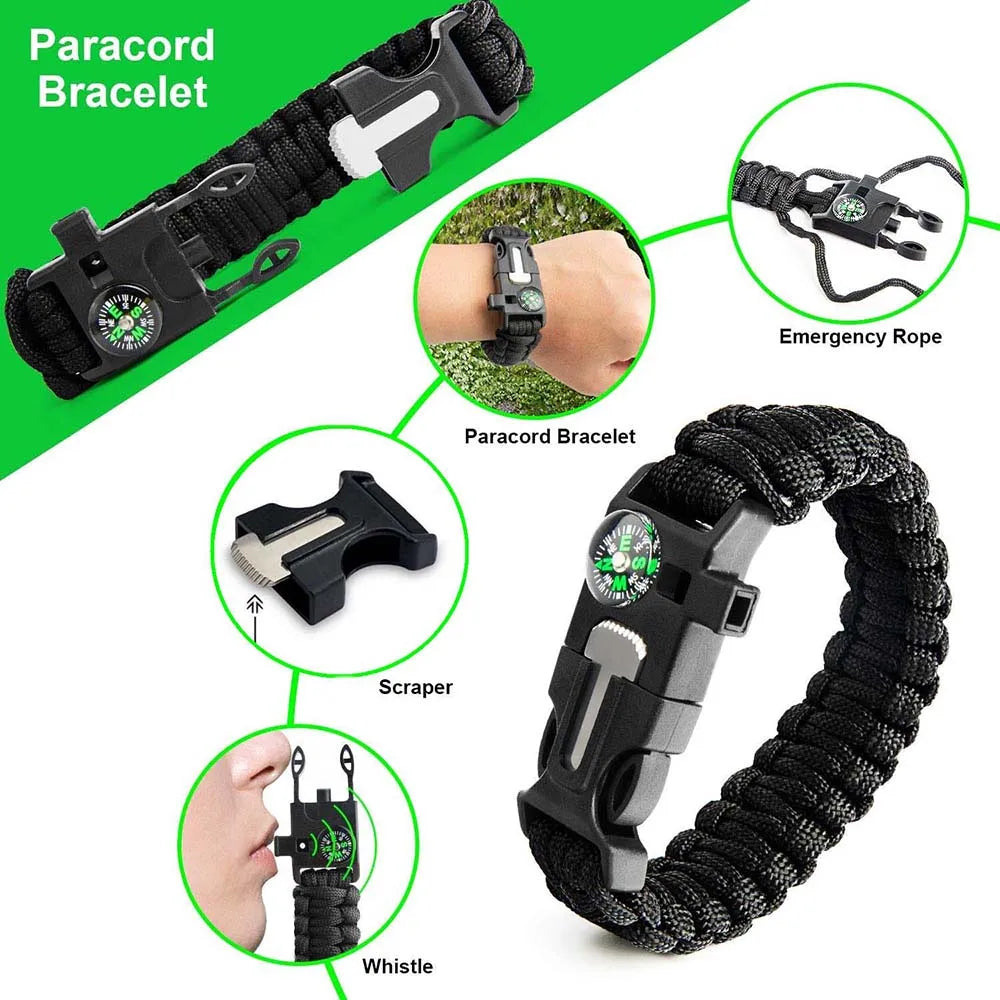
Backcountry environments create unique first aid challenges. A simple blister can become a trip-ending injury. A compact kit offers room for extra gauze, antiseptic wipes, medical tape, and survival tools that mini kits frequently exclude.
Supports Multi-Day Trips
For overnight camping or multi-day trekking, additional supplies become increasingly valuable. Many travelers combine emergency gear with Compression & Packing Bags, Waterproof & Dry Bags, and Gear Organizers & Pouches to keep medical equipment protected and organized.
When a Mini Kit Is the Better Choice
Mini kits are not useless. They simply serve a different purpose.
- Short day hikes
- Urban travel
- Running events
- Cycling trips
- Minimalist backpacking
- Supplemental emergency kits
If you already carry a larger emergency setup elsewhere, a mini kit can function as a lightweight backup solution.
Detailed Review of Compact Emergency Kits
| Category | Compact Kit Rating | Mini Kit Rating |
|---|---|---|
| Preparedness | ★★★★★ | ★★★☆☆ |
| Weight Savings | ★★★★☆ | ★★★★★ |
| Organization | ★★★★★ | ★★★☆☆ |
| Emergency Capability | ★★★★★ | ★★☆☆☆ |
| Value for Money | ★★★★★ | ★★★★☆ |
The strongest advantage of a compact first aid kit is flexibility. It supports a wider range of injuries without dramatically increasing pack weight.
💡 See it in action
Portable First Aid Kit Organization Tips
Good organization can make even a compact emergency kit feel smaller and more efficient.
- Group wound care items together.
- Separate medications into labeled pouches.
- Store frequently used items on top.
- Keep emergency tools easily accessible.
- Use waterproof protection for sensitive supplies.
- Inspect expiration dates before every trip.
Recommended Companion Gear
- Multi-tools & Knives
- Emergency Whistles & Signals
- Fire Starters & Ignition
- Portable Power Banks
- Headlamps & Wearable Lights
Real Backpacking Scenarios Where Size Matters
Scenario 1: Weekend Hiking Trip
A mini kit may be enough if the trail is popular and help is nearby. Weight savings become the primary advantage.
Scenario 2: Multi-Day Wilderness Trek
A compact first aid kit becomes the clear winner. The ability to handle blisters, cuts, strains, and repeated treatment needs outweighs the slight increase in pack weight.
Scenario 3: Family Camping
Children and larger groups increase the likelihood of minor injuries. Compact kits offer better preparedness and reduce the need to improvise treatment.
"On a three-day backpacking trip, a compact emergency kit helped treat multiple blisters and a minor cooking burn. A smaller kit would have run out of supplies on the first day."
What to Look For Before You Buy
When evaluating options and deciding whether to buy compact survival first aid kit online, focus on functionality rather than marketing claims.
- Clearly organized compartments
- Durable water-resistant case
- Bandages in multiple sizes
- Medical tape and gauze
- Antiseptic supplies
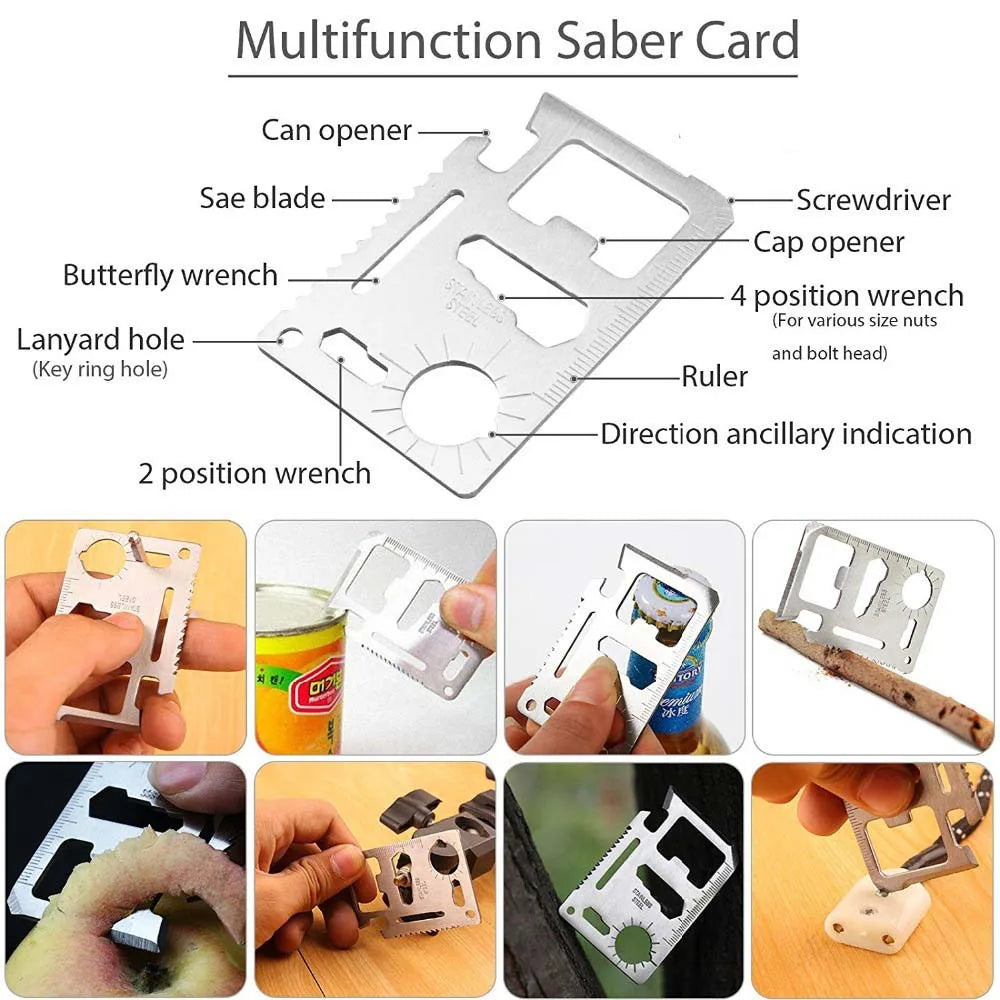
- Emergency tools
- Compact dimensions
- Reasonable total weight
Many outdoor enthusiasts also pair first aid equipment with Personal Water Filters, Collapsible Water Bottles, and Emergency Lighting for a more complete emergency preparedness system.
💡 See it in action
Final Verdict: Which Wins?
For most hikers, campers, road trippers, and outdoor travelers, the compact first aid kit wins. It strikes the ideal balance between portability and preparedness while covering a much wider range of real-world situations than a mini kit.
Mini kits still have a place for ultralight travel and short outings. However, when safety and versatility matter, carrying a compact kit is usually the smarter choice.
Frequently Asked Questions
What should a compact first aid kit contain?
A quality compact first aid kit should include adhesive bandages, gauze, medical tape, antiseptic wipes, tweezers, scissors, gloves, blister treatment, and basic emergency tools.
Is a compact first aid kit better than a mini kit?
For most outdoor activities, yes. A compact kit provides greater injury coverage while remaining portable enough for hiking, camping, and travel.
How often should I check my first aid kit?
Inspect your kit before every major trip. Replace expired medications, used supplies, and damaged packaging immediately.
Can I use a compact first aid kit for backpacking?
Absolutely. Compact kits are often considered the ideal size for backpacking because they balance preparedness and packability.
Pillar Article: Best Survival First Aid Kit: Top Picks Compared For 2026
Other Related Articles:
- Rv First Aid Kit Reviews: 7 Top Choices Side By Side
- Best Hiking First Aid Kits For Families Compared
- Portable Survival Kit Vs Compact Survival Kits Compared
- Ultralight Hiking First Aid Kit Roundup For Backpackers
Explore More:





