

Survival Tools for Camping: Complete Beginner Guide + Emergency Skills
Survival Tools for Camping: Essential Gear, Skills & Emergency Guide
You’re deep in the woods. The sun is setting faster than expected. Your phone battery is nearly dead, and you realize you’ve wandered off trail. In moments like this, survival isn’t about luck—it’s about preparation, tools, and the skills to use them effectively.
This guide breaks down the most important survival tools for camping, how to use them safely, and how to build a complete survival system that works in real-world situations. Whether you're a beginner or leveling up your outdoor skills, this is your blueprint for staying safe, prepared, and confident outdoors.
What Are Survival Tools for Camping? (Beginner-Friendly Definition)

Survival tools for camping are essential items designed to help you stay alive and safe in unexpected or emergency situations. Unlike regular camping gear focused on comfort, survival tools prioritize protection, navigation, and self-rescue.
Survival Tools vs Regular Camping Gear
Regular camping gear includes tents, chairs, and cooking equipment. Survival tools, on the other hand, focus on critical needs like water purification, first aid, fire-starting, and navigation. You can explore practical setups in the Camping & Picnic collection for a broader view of essential gear.
Why Tools Alone Aren’t Enough (Skills Matter)
Owning survival tools without knowing how to use them is a common beginner mistake. Skills like building a fire, treating wounds, and navigating terrain are what turn tools into life-saving assets.
The 10 Essential Survival Tools Every Beginner Camper Needs

These tools form the foundation of any effective survival kit. Many campers combine these with items from the Safety, Survival & Emergency collection for a complete setup.
1. Survival Kit (Your Foundation System)
A survival kit brings everything together—medical supplies, tools, and emergency essentials in one place.
38-in-1 Survival First Aid Kit – Complete Emergency Gear

This type of all-in-one kit ensures you’re prepared for injuries, navigation issues, and unexpected conditions. You can also explore more options in the First Aid Kits collection.
2. Multitool (Versatility in Emergencies)
A multitool replaces multiple tools—knife, pliers, screwdriver—in a compact form. Browse versatile options in the Multi-tools & Knives collection.
3. Fire Starter (Heat, Cooking & Signaling)
Fire provides warmth, cooking capability, and a signal for rescue. Ferro rods and waterproof matches are reliable options found in the Fire Starters & Ignition collection.
4. Emergency Shelter (Protection from Exposure)
Protection from wind, rain, and cold is critical. Tarps and compact tents from the Camping Tents & Shelter collection are essential for safety.
5. Water Purification Tools (Safe Hydration)
Drinking untreated water can be dangerous. Filters and purification tools are available in the Personal Water Filters collection.
6. Navigation Compass (Finding Direction)
A compass paired with a map ensures you can find your way even without GPS.
7. First Aid Kit (Injury Management)
A proper first aid kit helps treat cuts, burns, and trauma quickly—reducing risk of infection or complications.
8. Signal Mirror & Whistle (Rescue Tools)
These tools increase your visibility and help rescuers locate you quickly. You can find signaling tools in the Emergency Whistles & Signals collection.
9. Paracord (Multi-Purpose Survival Tool)
Paracord can be used for shelter building, repairs, and even emergency medical situations.
10. Headlamp or Flashlight (Visibility & Safety)
Hands-free lighting is essential at night. Explore reliable options in the Headlamps & Wearable Lights collection.
How to Use Survival Tools Safely (Beginner Mistakes to Avoid)
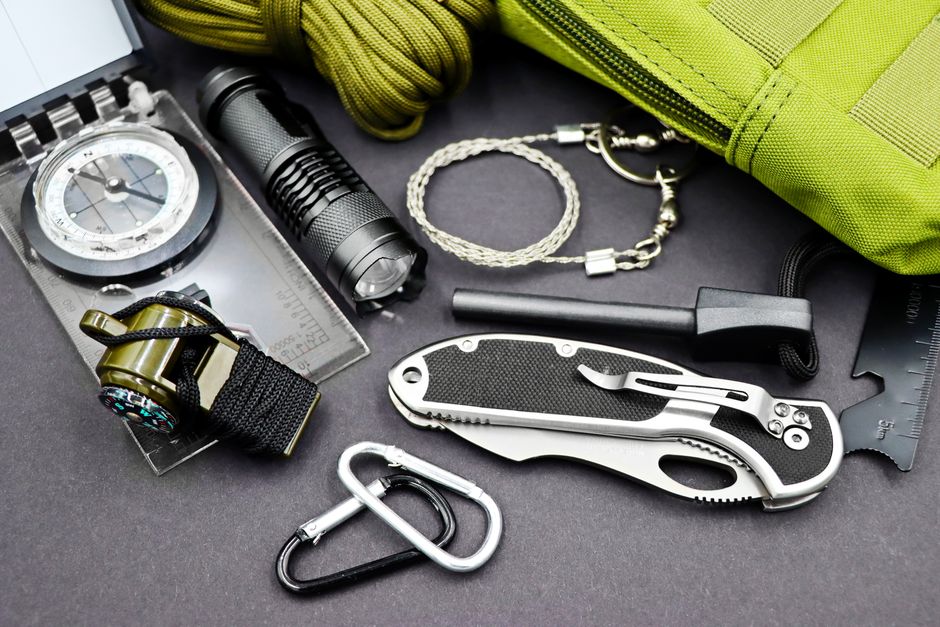
Top 7 Beginner Mistakes with Survival Gear
- Not testing gear before trips
- Overpacking unnecessary items
- Ignoring weather conditions
- Improper fire handling
- Using tools without training
- Neglecting hydration
- Failing to signal for help
Safety Rules for Fire, Blades, and Navigation
- Always clear the area before starting a fire
- Keep blades sharp and handle carefully
- Never rely solely on GPS
How to Build a Complete Survival Kit for Camping

Building your own kit ensures you’re prepared for your specific environment.
Step 1: Identify Your Environment (Forest, Desert, Mountain)
Each terrain requires different gear. For example, desert camping prioritizes water storage, while mountain camping focuses on insulation.
Step 2: Prioritize Survival Needs (Water, Shelter, Heat)
Always prioritize the essentials—hydration, protection, and warmth.
Step 3: Pack Lightweight but Critical Tools
Balance weight and functionality. Lightweight gear from the Lightweight Daypacks collection helps optimize portability.
Downloadable Camping Gear Checklist
Use this checklist as your baseline:
| Category | Essential Items |
| Water | Filter, bottle, purification tablets |
| Shelter | Tarp, emergency blanket |
| Fire | Ferro rod, lighter |
| Medical | First aid kit, bandages |
| Navigation | Compass, map |
Explore more gear combinations in the Backpacking & Carry collection.
Emergency Survival Scenarios: What to Do Step-by-Step

If You Get Lost While Camping
Follow the STOP method: Stop, Think, Observe, Plan. Stay calm and avoid wandering aimlessly.
If You Run Out of Water
Find natural sources and purify immediately before drinking.
If You’re Injured in the Wild
Stop bleeding, clean wounds, and stabilize injuries using your first aid kit.
Extreme Heat vs Extreme Cold Survival
Adjust your strategy depending on conditions—cooling and hydration for heat, insulation and fire for cold.
How to Purify Water in the Wild (With and Without Equipment)
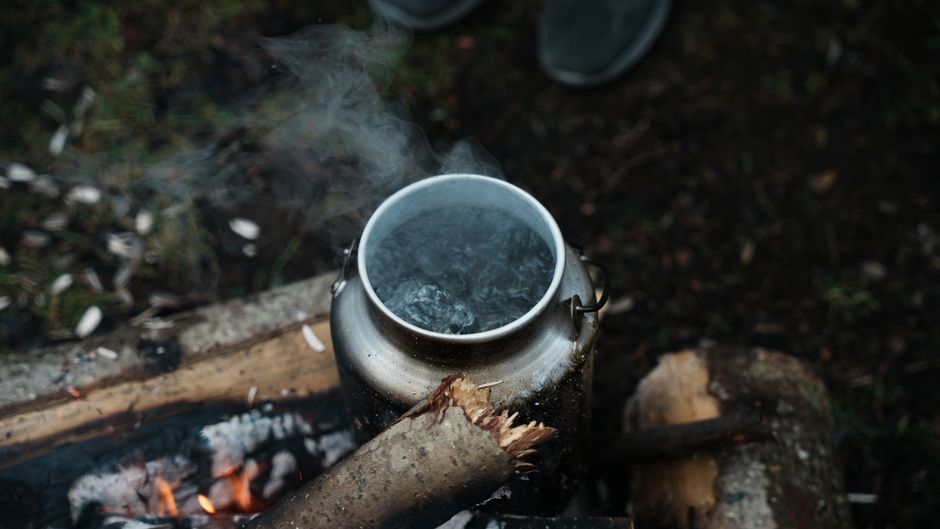
Boiling Water Method
Boiling is the most reliable method. Bring water to a rolling boil for at least 1 minute.
DIY Filtration Techniques
Use cloth, sand, and charcoal layers to filter debris before boiling.
Chemical & Tablet Purification
Lightweight and effective, these are ideal for emergencies when boiling isn’t possible.
Multi-Tool Substitutions: What to Do If You’re Missing Gear
How to Replace Missing Tools Using What You Have
A knife can replace multiple tools, while paracord can substitute for straps and ties.
Minimalist Survival: 5 Tools That Can Replace 15
Focus on multitools, fire starters, and compact kits to maximize efficiency.
Weather-Based Survival Gear Variations (What Most Guides Miss)
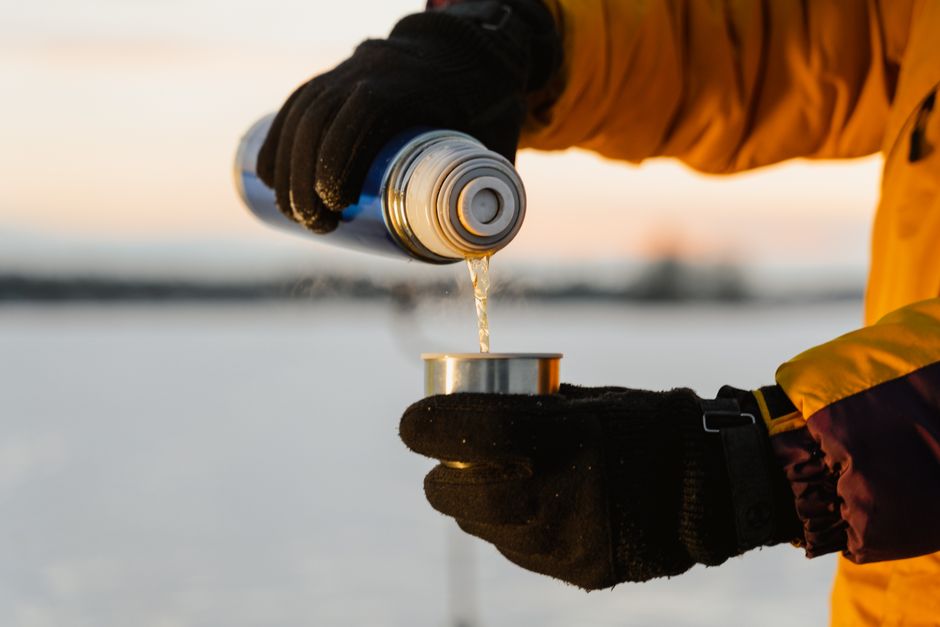
Cold Weather Survival Tools
Insulation is critical. Explore options in the Wind & Cold Protection collection.
Hot Climate Survival Essentials
Shade and hydration are priorities. Sun protection gear is available in the Sun Shades & Canopies collection.
Rain & Storm Preparedness Gear
Stay dry using gear from the Rain Ponchos & Capes collection.
Complete Camping Survival Gear Checklist (Printable)
Core Essentials Checklist
- Survival kit
- Fire starter
- Water filter
- Compass
- First aid kit
Optional but Recommended Gear
- Solar charger
- Portable stove
- Extra clothing
- Backup lighting
FAQ
What are the most important survival tools for camping beginners?
Core tools include a survival kit, fire starter, water purification system, shelter, and navigation tools.
How do you build a basic survival kit for outdoor trips?
Focus on water, shelter, fire, and medical supplies. Keep it lightweight and practical.
What should you do in a survival emergency while camping?
Stay calm, assess the situation, and prioritize safety—shelter, water, and signaling for help.
How can you purify water in the wild without equipment?
Filter debris using cloth or sand and boil the water to kill harmful organisms.
What are common beginner mistakes with survival gear outdoors?
Not testing gear, overpacking, and lacking basic survival skills are the most common issues.
Conclusion
Survival tools for camping are only as effective as the skills behind them. Preparation, knowledge, and the right gear combination turn challenging situations into manageable ones. Start with the essentials, build your skills, and gradually refine your setup to match your environment and experience level.
Pillar Article: Survival Gear Outdoors: The Complete Beginner System for Safe Camping & Emergency Preparedness





