

Sun Protection Gear Guide: Build a Complete Outdoor Survival System
Sun Protection Gear Guide: Build a Layered System for Outdoor Survival
Spending hours under direct sun while hiking, camping, or traveling outdoors can quickly turn from enjoyable to dangerous. What starts as mild heat and sunlight exposure can escalate into dehydration, sunburn, fatigue, and even heat exhaustion—especially when there’s no structured protection strategy in place.
Most beginners rely on a single solution like sunscreen or a hat. But in real outdoor survival scenarios, that approach fails fast. Sun exposure must be treated as a system, not a single product problem.
This guide introduces a layered sun protection system designed for campers, hikers, and outdoor beginners who want reliable protection across changing environments. You’ll learn how to combine gear, behavior, and environmental awareness into a complete survival-ready approach.
Explore more foundational equipment in our weather protection & outdoor gear collection and build a safer setup before your next trip.
What Is a Layered Sun Protection System? (Quick Answer)
A layered sun protection system is a structured approach to outdoor safety that combines multiple defenses against UV exposure, heat, and environmental stress. Instead of relying on one product, it uses four coordinated layers that work together:
The 4 Layers of Sun Protection Explained
- Skin Layer: Sunscreen, hydration, and direct skin protection
- Clothing Layer: UPF-rated clothing, hats, sunglasses, breathable fabrics
- Shelter Layer: Shade structures, tarps, tents, and reflective materials
- Behavior Layer: Timing exposure, hydration habits, rest cycles
This system works because it reduces dependency on any single point of failure. If sunscreen wears off or weather changes rapidly, other layers still provide protection.
Many experienced hikers also integrate items from the sun shades & canopies collection to strengthen their shelter layer during long daylight exposure.
Why Most Campers Get Sun Protection Wrong
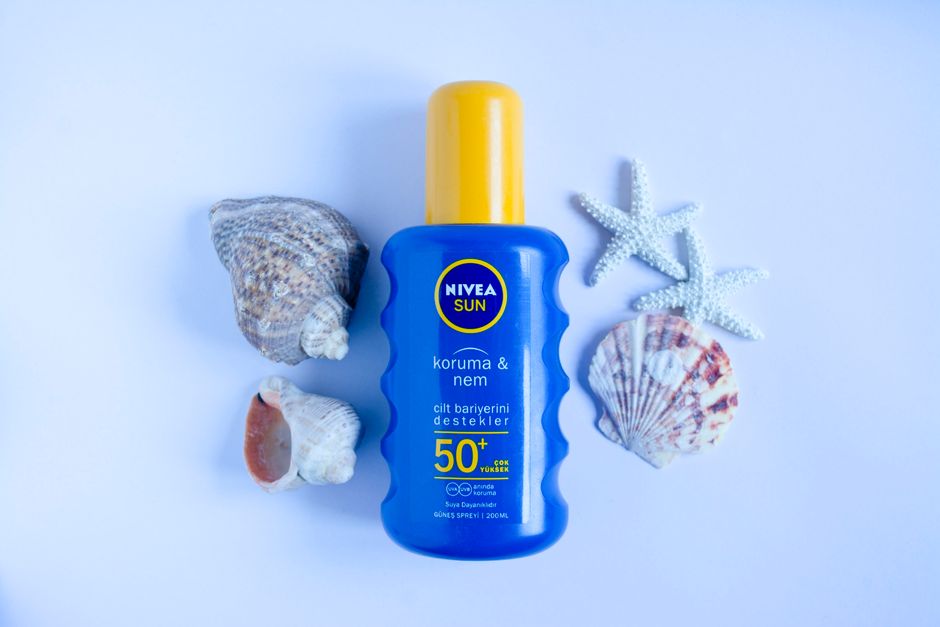
Sun protection mistakes are common among beginners because risks are underestimated. Outdoor environments amplify UV exposure through reflection, altitude, and prolonged exposure time.
Over-Reliance on Sunscreen
Sunscreen is often treated as a complete solution. In reality, it requires frequent reapplication, proper SPF selection, and correct coverage. Sweat, water, and friction reduce its effectiveness quickly during physical activity.
Ignoring Heat and Hydration Factors
Sun exposure doesn’t just affect the skin—it impacts the entire body. Dehydration and electrolyte loss often occur before visible sunburn appears. Without hydration planning, even shaded environments can become risky.
For broader preparedness, many outdoor travelers combine hydration planning with gear from the hydration & food management collection to maintain energy balance in hot climates.
Layer 1: Skin-Level Protection (Foundation Layer)

The skin layer is your first defense against UV exposure. It focuses on reducing direct damage and preventing overheating through external and internal management strategies.
Sunscreen Types, SPF, and Application Strategy
Use broad-spectrum sunscreen with SPF 30–50 for outdoor trips. Apply 15–20 minutes before sun exposure and reapply every 2–3 hours, especially after sweating or swimming. Areas like the neck, ears, and back of knees are commonly missed but highly vulnerable.
Cooling Towels and Sweat Management
Cooling towels help regulate body temperature during peak heat. When combined with hydration breaks, they reduce the risk of overheating and fatigue during long hikes.
Emergency-Level Skin Protection in Changing Weather
Outdoor conditions can shift rapidly from sunny to rainy or windy. In these situations, multi-use emergency gear becomes critical for maintaining protection when standard sunscreen is no longer enough.
Emergency Rain Poncho 4-Pack – Thermal Survival Protection is a versatile tool designed for unpredictable weather transitions. It works as both a rain shield and thermal reflector, helping reduce heat loss while protecting against wind and moisture.
Emergency Rain Poncho 4-Pack – Thermal Survival Protection
This type of gear supports your skin layer by adding an instant physical barrier against wind, rain, and reflective heat exposure.
For additional protection systems, explore the rain ponchos & capes collection which offers compact solutions for sudden weather shifts.
Layer 2: Clothing-Based Sun Protection (Primary Defense)

Clothing is the most consistent form of sun protection because it does not wear off like sunscreen. The goal is to block UV rays while maintaining breathability and comfort.
UPF Clothing: What It Means and Why It Matters
UPF (Ultraviolet Protection Factor) indicates how much UV radiation fabric blocks. UPF 50 clothing blocks approximately 98% of UV rays, making it ideal for long outdoor exposure.
- Lightweight long-sleeve shirts reduce direct skin exposure
- Wide-brim hats protect face, neck, and ears
- UV-blocking sunglasses protect eye health and reduce fatigue
Comparison: Regular Clothing vs UPF Clothing
| Feature | Regular Clothing | UPF Clothing |
| UV Protection | Low to Moderate | High (UPF 30–50+) |
| Breathability | Varies | Engineered airflow |
| Heat Management | Limited | Optimized cooling |
Clothing becomes even more effective when paired with gear from the lightweight daypacks collection, allowing you to carry hydration and sun protection essentials efficiently during movement.
Layer 3: Portable Shade & Shelter Systems

The shelter layer is your environmental defense. It reduces direct UV exposure and creates controlled shade zones where your body can recover from heat stress.
UV Protection Tarps vs Standard Tarps
UV-rated tarps are designed to block solar radiation rather than just provide shade. They are critical in desert, beach, and open-field environments where natural shade is limited.
Portable Shade Canopies and Lightweight Tents
These systems allow you to create resting zones during peak UV hours. Even short breaks under shade can significantly reduce heat accumulation in the body.
Reflective Emergency Shelters for Heat Control
In survival situations, reflective materials help manage both heat gain and heat loss depending on conditions. They can function as emergency shade or insulation barriers.
Emergency Survival Shelter Tent – Waterproof Heat Retention is designed for rapid deployment in unpredictable environments. It provides both sun reflection and weather protection, making it a critical survival layer in extreme conditions.
Emergency Survival Shelter Tent – Waterproof Heat Retention

This type of shelter is especially useful when combined with gear from the camping tents & shelter collection, which expands long-term protection options for multi-day trips.
Layer 4: Behavioral Strategies (The Missing Layer)

Even the best gear fails without proper behavior management. This layer focuses on timing, planning, and physical awareness.
Timing Your Exposure (Avoiding Peak UV Hours)
UV radiation is strongest between 10 AM and 4 PM. Planning hikes and activity during early morning or late afternoon significantly reduces risk.
Hydration & Electrolyte Strategy
Water alone is not enough in high heat conditions. Electrolytes help maintain muscle function and prevent fatigue during prolonged exposure.
Recognizing Early Signs of Heat Stress
- Dizziness or confusion
- Excessive sweating or sudden lack of sweat
- Headache or nausea
- Rapid heartbeat
Recognizing these signs early can prevent serious heat-related emergencies.
Complete Sun Protection Gear Checklist (Beginner to Advanced)

A structured checklist helps beginners transition into a fully prepared outdoor system.
Minimalist Kit (Day Trips)
- Sunscreen SPF 30+
- Hat and sunglasses
- Water bottle with electrolytes
Extended Camping Kit
- UPF clothing layers
- Portable shade or tarp
- Cooling towel system
Extreme Heat Survival Kit
- Emergency shelter system
- Thermal reflective gear
- Backup hydration storage
To support full readiness, many outdoor travelers build complete kits using the safety & emergency gear collection, which centralizes survival essentials in one system.
Scenario-Based Gear Recommendations

Different environments require different sun protection strategies. A desert hike demands far more protection than a shaded forest trail.
Desert Hiking
Focus on full coverage clothing, shade creation, and high hydration intake. Reflective gear becomes essential due to ground heat reflection.
Beach Camping
Wind and reflection from sand and water increase UV exposure. Portable shade structures and UV-rated tarps are essential.
Mountain & High-Altitude Trips
UV intensity increases with altitude. Even in cooler temperatures, sunburn risk is significantly higher.
“Most heat injuries in outdoor environments are not caused by temperature alone, but by a breakdown in layered protection systems—especially hydration and shade timing.” – Outdoor Safety Field Guide Summary
Sun + Rain Protection: Building a Dual-Weather System
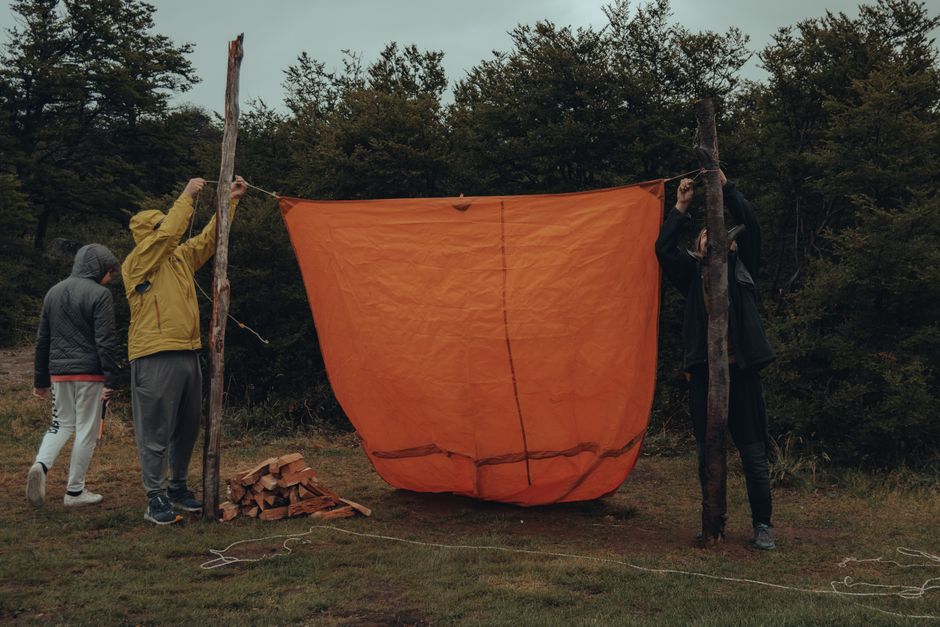
Outdoor environments rarely stay consistent. A strong protection system must handle both sun exposure and sudden rain or wind changes.
Multi-use gear is key here, especially items that can shift roles between shade, shelter, and thermal protection depending on conditions.
For adaptable gear setups, explore the weather accessories collection which includes lightweight tools for unpredictable outdoor conditions.
How This Fits Into Your Complete Outdoor Survival System
Sun protection is not an isolated concept—it is part of a larger survival framework that includes hydration, shelter, navigation, and emergency readiness.
When integrated correctly, it reduces fatigue, increases endurance, and significantly improves safety in all outdoor environments. Combining sun protection with gear from the camping & picnic essentials collection helps build a complete, beginner-friendly outdoor system.
FAQ
What is the best sun protection gear for outdoor activities?
The best system combines UPF clothing, sunscreen, portable shade, hydration planning, and behavioral timing strategies rather than relying on a single product.
How do you build a layered sun protection system for camping?
You build it by stacking four layers: skin protection, clothing protection, shelter/shade systems, and behavior management like hydration and timing exposure.
How can I stay cool while camping in extreme heat?
Use shade structures, hydration with electrolytes, cooling towels, and avoid peak UV hours whenever possible.
What gear do I need for both sun and rain protection when camping?
Multi-use gear like reflective ponchos, emergency shelters, and waterproof clothing systems help you adapt to changing conditions.
How do you prevent heat exhaustion while hiking or camping?
Prevent it through hydration, rest breaks in shade, proper clothing, and monitoring early warning signs like dizziness or nausea.
Final Thoughts
A layered sun protection system transforms outdoor safety from reactive to proactive. Instead of responding to sun exposure after it becomes a problem, you actively prevent risk through structured planning, gear selection, and behavior control.
Building this system ensures that every outdoor trip—whether a short hike or extended camping expedition—is safer, more comfortable, and more sustainable.
Pillar Article: Survival Gear Outdoors: The Complete Beginner System for Safe Camping & Emergency Preparedness





