

First Aid Kit for Outdoor Activities: Complete Safety System + Gear Guide
What to Pack in Emergency Kit: Build a Smart Survival Kit Step-by-Step
Imagine this: you’re hiking, daylight fades faster than expected, your phone battery dies, and you realize you’re not sure how to get back. Or your car breaks down miles from the nearest town. In these moments, a basic emergency kit isn’t just helpful—it’s critical. The problem? Most survival checklists are generic and don’t actually prepare you for real-world situations. This guide gives you a smarter, scenario-based system to build a survival kit that actually works when it matters most. If you're just getting started, exploring a complete Safety, Survival & Emergency collection can help you visualize how all the pieces fit together.
What to Pack in an Emergency Kit (Quick Answer Checklist)
- Water (or purification tools)
- Emergency food (high-calorie, non-perishable)
- First aid kit (bandages, antiseptic, trauma supplies)
- Emergency blanket or shelter
- Fire starter (lighter, ferro rod, tinder)
- Flashlight or headlamp
- Whistle for signaling
- Multi-tool or knife
- Extra clothing (weather protection)
- Navigation tools (map, compass)
- Power bank or solar charger
- Waterproof bag or storage system
Why Most Emergency Kits Fail (And How to Build One That Works)

Most people build emergency kits by copying random lists online. The result? Kits that look complete but fail in real emergencies.
The Problem With Generic Survival Checklists
Typical lists ignore context. A kit for a weekend hike is very different from one for a winter camping trip or a roadside emergency. Without adapting to your environment, your gear may be useless when you need it most.
For example, having food without water purification tools—or carrying a flashlight without backup batteries—creates dangerous gaps. Many beginners also forget organization, making it hard to find items quickly in high-stress situations. Using solutions from the Gear Organizers & Pouches collection can dramatically improve access and efficiency.
The 5 Survival Priorities You Must Cover
Every effective emergency kit should address these core survival functions:
- Water: Hydration and purification
- Shelter: Protection from environment
- Heat: Fire and insulation
- Signaling: Getting rescued
- Medical: Treating injuries
If your kit fails in any one of these areas, your survival chances drop significantly.
The Build-Your-Kit Framework (Step-by-Step)
Step 1: Define Your Emergency Scenarios
Start by identifying realistic situations:
- Day hikes or solo trekking
- Car breakdowns in remote areas
- Camping in extreme weather
- Natural disasters or power outages
Your environment determines your priorities. For example, hot weather requires sun protection and hydration, while cold environments demand insulation and heat retention.
Step 2: Choose the Right Carry System
Your kit must be portable and organized. Options include:
- Backpack for hiking
- Compact pouch for ultralight travel
- Dedicated car kit
Lightweight and efficient carrying systems from the Backpacking & Carry collection help ensure your kit is always accessible.
Step 3: Build Around Survival Functions (Not Items)
Instead of asking “What should I pack?”, ask:
- How will I get water?
- How will I stay warm?
- How will I signal for help?
This mindset ensures your kit is adaptable and functional.
Step 4: Test and Upgrade Your Kit
Never trust an untested kit. Practice using your gear:
- Start a fire in wet conditions
- Use your first aid supplies
- Set up shelter quickly
Refine your setup over time based on real experience.
To expand your setup, you can explore items across the Camping & Picnic collection for practical add-ons.
Emergency Kit Essentials Explained (What Each Item Does and Why It Matters)
Water and Hydration Tools
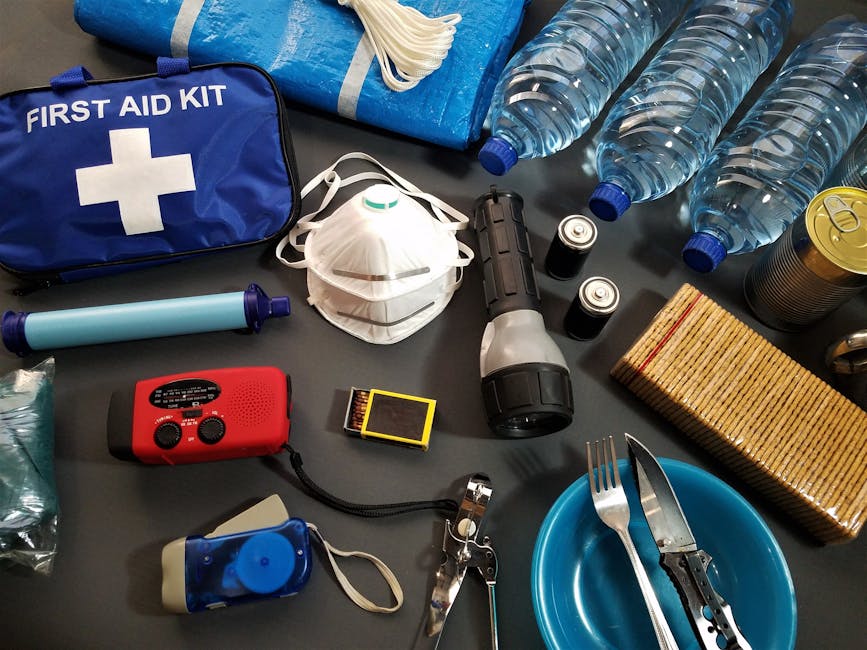
Water is your top priority. You can survive days without food—but not without water.
- Carry at least 1–2 liters
- Use purification tablets or filters
- Store water in durable containers
Reliable options from the Personal Water Filters collection are essential for wilderness survival.
First Aid and Trauma Supplies
A proper first aid kit handles both minor injuries and serious trauma.
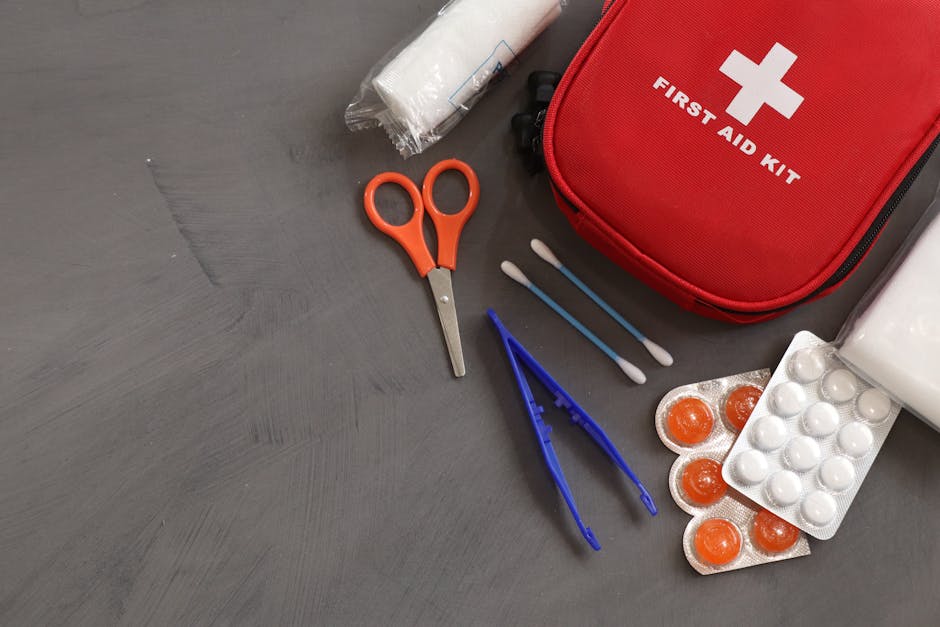
Survival First Aid Kit Full Set for Outdoor Emergencies

This type of kit typically includes:
- Bandages and antiseptic wipes
- Scissors and gloves
- Trauma supplies for bleeding control
For more variations, browse the First Aid Kits collection.
Fire and Heat Sources
Fire provides warmth, cooking ability, and psychological comfort.
- Carry at least two ignition methods
- Use waterproof fire starters
- Practice building fires in different conditions
Explore tools in the Fire Starters & Ignition collection.
Lighting and Visibility Tools
Headlamps are superior to flashlights because they free your hands.
- Always pack extra batteries
- Use red-light modes to preserve night vision
Options in the Headlamps & Wearable Lights collection are ideal for survival situations.
Signaling and Communication Tools
A whistle can save your life. It’s louder and more reliable than shouting.
- Use the universal distress signal (3 blasts)
- Carry reflective gear or mirrors
Check the Emergency Whistles & Signals collection for reliable options.
Shelter and Weather Protection
Exposure kills faster than hunger.
- Use emergency blankets to retain body heat
- Carry tarps or ponchos
- Protect yourself from rain and wind
Weather protection gear from the Weather Protection collection is essential in unpredictable conditions.
Food and Energy Supplies
Focus on calorie-dense, lightweight foods:
- Energy bars
- Dehydrated meals
- Electrolyte mixes
Explore storage and solutions in the Hydration & Food collection.
Multi-Function Tools
A good multi-tool replaces multiple items:
- Cutting rope
- Repairing gear
- Preparing food
Browse options in the Multi-tools & Knives collection.
3 Emergency Kit Levels: Basic vs Upgraded vs Advanced

| Level | Best For | Key Features |
| Basic | Beginners | Essential survival items, lightweight |
| Upgraded | Regular campers | Redundancy, better durability |
| Advanced | Serious adventurers | Full survival system, professional gear |
Basic Emergency Kit (Beginner Setup)
Focus on essentials: water, food, light, and basic first aid.
Upgraded Survival Kit (Prepared User)
Add redundancy and higher-quality gear for reliability.
Advanced Survival Kit (Serious Preparedness)
Includes full trauma kits, navigation tools, and advanced shelter systems.
Real-Life Emergency Scenarios (And How Your Kit Performs)

Lost While Hiking Alone
Your priorities:
- Stay calm
- Find shelter
- Signal for help
Car Breakdown in Remote Area
You need:
- Warmth and shelter
- Visibility for rescue
- Emergency lighting
Natural Disaster or Power Outage
Focus on:
- Food and water supply
- Backup lighting
- Medical readiness
How to Use Key Survival Items Properly (Step-by-Step)

How to Use an Emergency Blanket Correctly
- Wrap tightly around your body
- Keep reflective side facing inward
- Seal gaps to trap heat
How to Purify Water Safely
- Filter visible debris first
- Use purification tablets or filters
- Wait recommended time before drinking
How to Start a Fire in Wet Conditions
- Find dry tinder (inside bark or under logs)
- Use waterproof fire starter
- Build structure before igniting
Beginner Quick-Start Emergency Kit (Ready-to-Pack List)
- 1L water bottle
- Energy bars
- Compact first aid kit
- Emergency blanket
- Headlamp
- Whistle
- Multi-tool
- Waterproof bag
For compact solutions, consider items from the Waterproof & Dry Bags collection to keep everything protected.
Frequently Asked Questions
What should you pack in an outdoor emergency kit for beginners?
Start with water, food, first aid supplies, shelter, and signaling tools. Focus on survival essentials before adding extras.
How do you build a basic survival kit step by step?
Identify your environment, choose a carry system, cover survival priorities, and test your gear.
What is the best first aid kit for camping trips?
The best kit includes both basic supplies and trauma tools, organized for quick access and portability.
How do you use an emergency survival blanket properly?
Wrap it tightly around your body with the reflective side inward to retain heat and prevent exposure.
What are the most important tools in a wilderness survival kit?
Water purification tools, fire starters, first aid supplies, and signaling devices are the most critical.
Conclusion
Building a survival kit isn’t about packing random gear—it’s about preparing for real situations. When you focus on survival priorities, test your equipment, and adapt your kit to your environment, you create a system that works when it matters most. Start simple, refine over time, and explore reliable gear across the Safety & Emergency collection to continuously improve your preparedness.
Pillar Article: Survival Gear Outdoors: The Complete Beginner System for Safe Camping & Emergency Preparedness





