

Camping Tips for Rain: The Ultimate Rain-Proof Camping System for Cold & Wet Weather
Camping Tips for Rain: The Complete System to Stay Dry, Warm, and Safe
Rain can turn a peaceful camping trip into a fast-moving survival challenge. One moment you’re setting up camp under calm skies, and the next you’re fighting soaked gear, dropping temperatures, and unstable ground conditions. Most beginners underestimate how quickly wet weather compounds risk: hypothermia, gear failure, poor sleep, and loss of morale all escalate when moisture is unmanaged.
This guide introduces a structured “Rain-Proof Camping System”—a practical framework designed to help beginners and intermediate campers stay dry, warm, and in control even during sustained rainfall. Instead of scattered tips, you’ll learn a step-by-step system covering preparation, campsite setup, survival tactics, emergency response, and post-rain recovery.
Throughout the guide, you’ll also see real-world gear examples and scenario-based strategies used by experienced outdoor enthusiasts. For complete setups, you can also explore curated camping essentials collection and camping tents & shelter collection to better understand how equipment fits into each stage of rain camping readiness.
Rain Camping Survival System Overview (Quick Answer)
If you only remember one thing, it’s this: successful rain camping is not about one piece of gear—it’s about a layered system of decisions.
The 5-Step Rain-Proof Camping System
- 1. Pre-trip waterproofing: Protect gear before exposure using layered waterproof systems.
- 2. Smart campsite selection: Avoid flood zones, low ground, and wind funnels.
- 3. Fast shelter setup: Prioritize dry interior space before unpacking anything else.
- 4. Wet-weather survival tactics: Maintain warmth, manage fire, and control moisture.
- 5. Recovery system: Dry gear, restore insulation, and prevent long-term damage.
This system ensures that even if rain conditions worsen, you are always operating with a structured response instead of improvisation.
Pre-Trip Waterproofing Strategy (Before You Leave)

Most rain camping failures begin before the trip even starts. Wet sleeping bags, soaked clothing, and damaged electronics are usually the result of poor waterproofing—not bad weather.
How to Waterproof Your Gear Properly
The most effective approach is layering protection:
- Inner layer: Dry bags for clothes, food, and electronics
- Mid layer: Waterproof backpack liners or compression sacks
- Outer layer: Rain covers and tarp systems for large gear
This redundancy ensures that even if one layer fails, your essentials remain dry.
Essential Rain Camping Gear Checklist
Before leaving, ensure you have reliable shelter, insulation, and emergency protection systems. A solid starting point is browsing the weather protection collection to understand how different gear categories support rain readiness.
- Waterproof tent or shelter system
- Insulated sleeping bag (rated for wet conditions)
- Rain poncho or waterproof jacket
- Fire starter kit
- Emergency thermal blanket
Common Beginner Mistakes That Lead to Wet Gear
- Packing clothes in non-waterproof bags
- Setting up tent before choosing ground elevation
- Assuming tents are “fully waterproof” without seam protection
- Not separating dry sleep gear from daily-use items
“Most camping failures in rain come from preparation errors, not weather intensity.” — Outdoor survival instructors commonly emphasize this principle in field training environments.
Recommended Shelter Example for Rain Preparation
One reliable emergency backup option is a compact thermal shelter designed for unpredictable conditions:
Emergency Survival Shelter Tent – Waterproof Heat Retention

This type of shelter is used as a backup heat-retention system during unexpected storms or emergencies when primary tents fail or conditions escalate.
Rain Campsite Setup Blueprint (Stay Dry From the Ground Up)
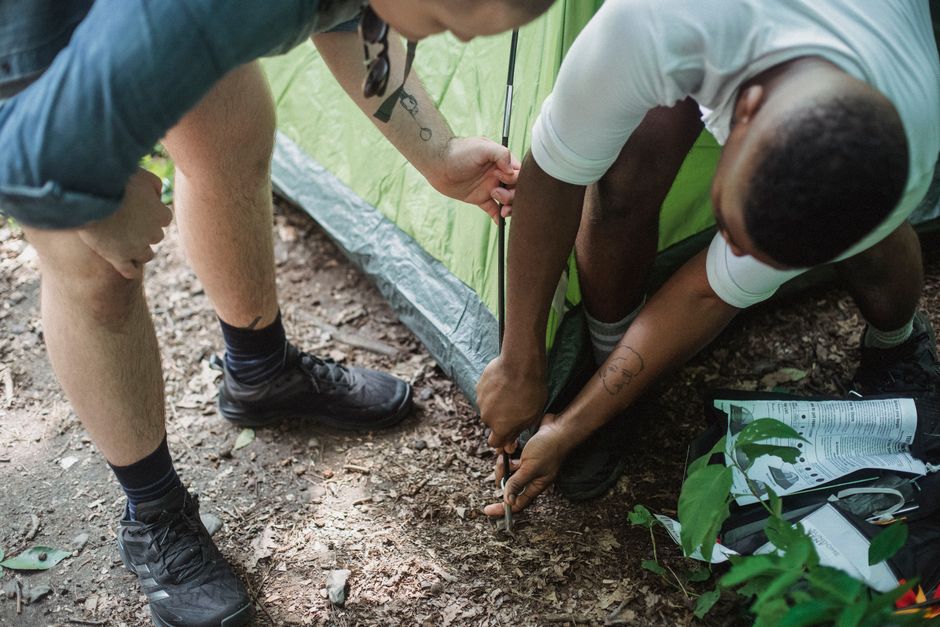
Your campsite setup determines whether rain becomes manageable or dangerous. A poor location can flood your sleeping area within minutes, while a good setup can handle hours of continuous rainfall.
How to Choose the Right Campsite in Rain
- Always camp on elevated ground (avoid valleys and depressions)
- Check for natural drainage paths and avoid them
- Stay away from loose soil prone to mudslides
- Use trees for wind protection—but avoid dead branches
Step-by-Step: Setting Up Shelter in Rain Without Getting Wet Inside
The golden rule: create dry space first, organize second.
- Lay groundsheet before unpacking gear
- Set up tent or tarp as fast as possible
- Move dry sleeping equipment inside immediately
- Only then organize cooking and tools
For shelter systems optimized for fast deployment, explore the camping tents & shelter collection.
Tarp and Shelter Configurations That Actually Work
- A-frame tarp for wind and rain resistance
- Lean-to setup for quick emergency shelter
- Full enclosure mode for heavy storms
Example: Waterproof Tent System for Rain Conditions
Camping Backpacking Tent Waterproof Easy Setup Shelter
This type of shelter is commonly used for group camping because it balances quick setup with reliable rain protection, especially in unpredictable weather conditions.
Wet-Weather Survival Tactics (Warmth, Fire, and Comfort)
Once rain begins, your focus shifts from setup to survival efficiency. The main risks are heat loss, damp clothing, and inability to start fire.
How to Stay Dry When Camping in Rain
- Wear breathable waterproof layers instead of heavy insulation
- Keep one full set of dry clothes reserved for sleeping only
- Avoid direct contact with wet ground
Best Ways to Stay Warm in Cold and Wet Conditions
- Layer clothing (base + insulation + shell)
- Eat high-energy foods regularly
- Use body heat sharing inside tents if in groups
How to Start and Maintain Fire in Rain
- Always carry dry tinder in waterproof storage
- Build fire under natural or tarp shelter
- Use windbreaks to stabilize flame
Rain Intensity Decision Tree (Light Rain vs Heavy Storm)

| Condition | Action |
| Light Rain | Continue camping with minor adjustments (tarps, clothing layers) |
| Moderate Rain | Reinforce shelter and limit movement outside camp |
| Heavy Storm | Prioritize safety, reduce activity, secure all gear |
| Flood Risk | Evacuate immediately to higher ground |
Emergency Scenarios: Cold Exposure and Hypothermia Risk

Rain combined with wind significantly increases heat loss, especially at night. Understanding early warning signs is critical.
Early Signs of Hypothermia
- Uncontrollable shivering
- Slowed thinking or confusion
- Loss of coordination
Immediate Actions to Prevent Heat Loss
- Replace wet clothing immediately
- Move into insulated shelter
- Consume warm fluids if available
For emergency readiness, browse safety and emergency gear collection to understand essential cold-weather survival tools.
Post-Rain Recovery System (Drying, Resetting, and Continuing)

After rain stops, the goal is preventing long-term damage and restoring usable conditions.
How to Dry Gear Efficiently After Rain
- Hang gear in ventilated areas immediately
- Separate wet and damp items
- Avoid sealing wet gear inside bags
Preventing Mold and Long-Term Damage
- Dry sleeping bags fully before storage
- Clean mud from tent floors
- Air out waterproof layers before packing
Beginner Mistakes That Ruin Rain Camping Trips

- Setting up camp in low drainage areas
- Overpacking without waterproof separation
- Ignoring wind direction when placing tents
- Failing to maintain dry sleeping systems
- Not having backup shelter options
FAQ
How do you stay dry when camping in the rain?
Use layered waterproof clothing, elevated campsite selection, and fast shelter setup to prevent prolonged exposure to moisture.
What is the best way to keep warm in a wet campsite?
Layer insulation properly, keep dry sleeping gear reserved, and maintain calorie intake to support body heat production.
What gear do you need for camping in heavy rain?
Waterproof shelter, thermal insulation, fire-starting tools, and emergency heat retention systems are essential.
How do you set up a tent in the rain without getting wet inside?
Set up groundsheet first, assemble tent quickly, and move sleeping gear inside before organizing other equipment.
What should be in an emergency kit for cold weather camping?
Include thermal blankets, fire starters, dry storage bags, and signaling tools for rescue situations.
Conclusion
Rain camping becomes manageable when treated as a system rather than a collection of tips. By following structured steps—preparation, setup, survival, emergency response, and recovery—you reduce risk and maintain control even in unstable weather conditions. The goal is not to avoid rain, but to operate effectively within it using repeatable decisions and reliable gear planning.
Pillar Article: Survival Gear Outdoors: The Complete Beginner System for Safe Camping & Emergency Preparedness





