

Camping Hot Weather Survival System: Stay Cool, Safe & Comfortable in Extreme Heat
Camping Hot Weather Survival Guide: 15 Systems to Stay Cool in Extreme Heat
Camping in extreme heat isn’t just uncomfortable—it can quickly become dangerous. Many beginners assume staying cool is about drinking water and finding shade. In reality, successful hot weather camping requires a complete system: managing sunlight, airflow, hydration, and your body’s response to heat. This guide breaks down 15 practical systems you can use to stay safe, comfortable, and in control—even in high temperatures.
Why Hot Weather Camping Is Dangerous (And How to Control It)

Heat-related illness is one of the most common risks in outdoor environments. Unlike cold exposure, heat can overwhelm your body quickly and silently.
What Happens to Your Body in Extreme Heat
Your body cools itself through sweating. But in hot, humid, or still-air conditions, sweat doesn’t evaporate efficiently. This leads to rising core temperature, fatigue, dizziness, and eventually heat exhaustion or heatstroke.
The 3 Core Heat Risk Factors (Sun, Airflow, Hydration)
- Sun exposure: Direct sunlight dramatically increases heat absorption
- Airflow: Moving air accelerates cooling through evaporation
- Hydration: Without water and electrolytes, your body cannot regulate heat
Introducing the Outdoor Heat Safety Index Framework
Think of heat safety as a balance of these three variables. If one fails—like no wind or limited water—you must compensate with stronger shade or reduced activity.
System #1: Build a Cool Zone Campsite (Your #1 Heat Defense)

Your campsite setup determines whether you’re constantly fighting heat—or naturally staying cool.
How to Choose a Naturally Cooler Campsite
- Camp near trees, cliffs, or natural shade structures
- Avoid open fields and reflective surfaces like sand
- Choose higher elevation for cooler airflow
Shade Tarp Setup for Maximum Coverage
Use tarps or canopies to create layered shade zones. For additional options, explore setups from the Sun Shades & Canopies collection.
Campsite Cooling Map (Shade + Wind Planning)
Position your cooking, resting, and sleeping areas based on sun direction and prevailing wind. This creates a “cool zone” where airflow and shade intersect.
System #2: Tent Ventilation & Heat Escape Design

Your tent can either trap heat—or help release it efficiently.
Best Tent Types for Hot Weather Camping
Look for tents with mesh panels, dual doors, and removable rain flies. Browse breathable options in the Camping Tents & Shelter collection.
How to Position Your Tent for Airflow
- Face tent doors toward prevailing wind
- Avoid blocking airflow with gear
- Elevate slightly to prevent heat buildup
Night Cooling Strategy (Dump Heat Fast After Sunset)
Open all vents immediately after sunset to release trapped heat. This rapid cooling phase is critical for sleep comfort.
For example, a breathable setup like 3-4 Person Camping Tent Lightweight Easy Setup Shelter helps maximize airflow thanks to mesh windows and open ventilation design.
System #3: Hydration Timing Protocol (Not Just Drinking Water)

Hydration isn’t just about quantity—it’s about timing and balance.
How Much Water You Actually Need in Extreme Heat
In hot conditions, most campers need 3–5 liters per day, depending on activity level.
Hydration Schedule by Hour (Sample Day Plan)
| Time | Action |
| 6–9 AM | Drink 500–700 ml before activity |
| 10–2 PM | Small sips every 15–20 minutes |
| 3–6 PM | Rehydrate with electrolytes |
| Evening | Restore hydration balance |
Electrolytes vs Water: What Most Campers Get Wrong
Too much plain water can dilute sodium levels. Combine hydration with electrolyte intake, especially during long hikes.
Explore hydration solutions in the Hydration & Food collection or compact options like Collapsible Water Bottles.
System #4: Evaporative Cooling Methods That Actually Work

Evaporative cooling is your most powerful tool in hot weather.
Cooling Towels, Mist Systems, and DIY Hacks
- Soak a cloth and place it on your neck
- Create airflow over damp fabric
- Use mist sprays sparingly
How to Use Sweat to Your Advantage
Don’t wipe sweat constantly—let it evaporate to cool your body naturally.
Portable Fan vs Natural Airflow: What Works Better?
Natural airflow is more effective when available. Fans help when wind is limited.
System #5: Sun Avoidance Strategy (Plan Your Entire Day Around Heat)
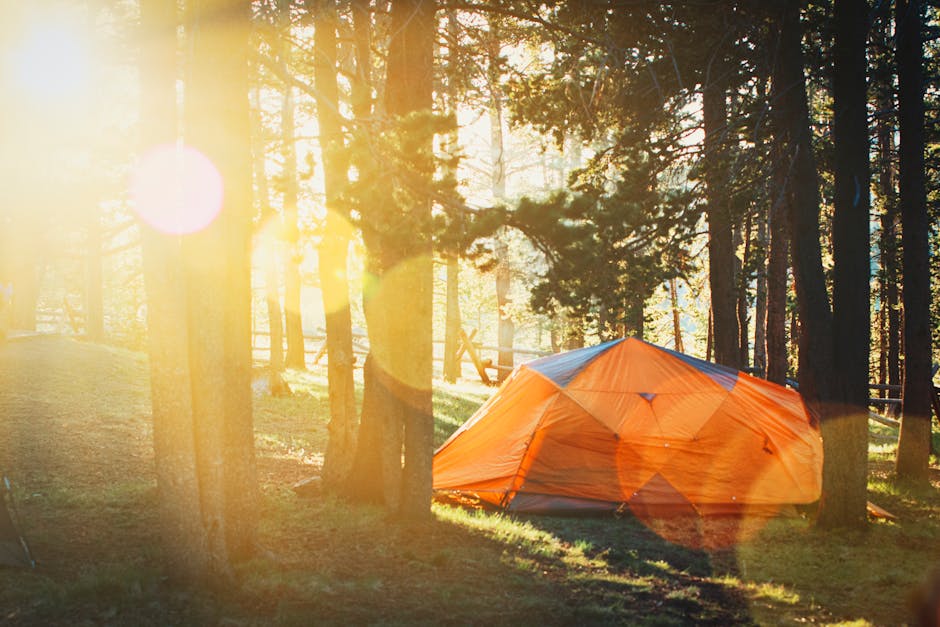
The best way to stay cool is to avoid heat altogether.
The 3-Phase Day Plan (Morning, Midday, Evening)
- Morning: Activity and setup
- Midday: Rest in shade
- Evening: Resume activity
What Activities to Avoid During Peak Heat Hours
Avoid hiking, cooking, or setting up gear between 11 AM and 3 PM.
Sample Hour-by-Hour Heat Management Schedule
Structure your day to minimize sun exposure and maximize recovery time.
System #6: Clothing & UV Protection Layering

Clothing plays a major role in heat management.
Why Covering Up Can Keep You Cooler
Loose, long-sleeve clothing protects against direct sun and reduces heat absorption.
Best Fabrics and Colors for Hot Weather
- Lightweight, breathable fabrics
- Light colors to reflect sunlight
UV Protection Clothing Essentials
Include hats, sunglasses, and breathable layers for full protection.
Pair clothing strategies with items from the Weather Protection & Environment collection.
System #7: Food & Metabolism Heat Management

Your diet affects your body temperature.
Foods That Increase Body Heat
- Heavy proteins
- Hot meals
Cooling Foods & Easy No-Cook Meals
- Fruits with high water content
- Cold snacks and light meals
System #8: Emergency Heat Response Plan (Critical Safety)

Knowing how to respond to overheating can save lives.
Signs of Heat Exhaustion vs Heatstroke
- Heat exhaustion: sweating, fatigue, dizziness
- Heatstroke: confusion, dry skin, high temperature
What to Do If Someone Overheats (Step-by-Step)
- Move to shade immediately
- Cool with water and airflow
- Hydrate slowly
- Seek medical help if symptoms worsen
When to End Your Trip Immediately
If symptoms persist or worsen, stop the trip and prioritize safety.
Prepare for emergencies with gear from the Safety, Survival & Emergency collection or First Aid Kits.
System #9: Water Backup & Purification Strategy

Running out of water is the most dangerous scenario in hot weather camping.
How Much Backup Water You Need
Carry at least one extra day’s supply.
Water Purification Methods for Emergencies
Use filtration systems or purification tablets. Explore options in the Personal Water Filters collection.
System #10: Essential Gear for Hot Weather Camping

The right gear supports your cooling system without adding unnecessary weight.
Top Cooling Gear You Should Always Pack
- Shade tarp or canopy
- Lightweight breathable tent
- Cooling towels
- Hydration systems
Summer Camping Checklist (Downloadable)
| Category | Essential Items |
| Shelter | Tent, tarp, stakes |
| Hydration | Water bottles, filters |
| Cooling | Towels, shade gear |
| Safety | First aid, emergency kit |
Browse complete setups in the Camping & Picnic collection.
Decision Trees: What to Do in Extreme Situations

No Shade Available: Emergency Cooling Plan
Create artificial shade using gear, reduce activity, and hydrate continuously.
Running Low on Water: Survival Priorities
Reduce movement, find shade, and locate water sources immediately.
Overheating at Night: What to Do
Increase airflow, remove rain fly, and reposition sleeping area.
FAQ
How to stay cool camping in hot weather?
Focus on shade, airflow, hydration, and activity timing. Combine all systems rather than relying on one solution.
What are the best summer camping gear options for extreme heat?
Breathable tents, shade tarps, hydration systems, and cooling accessories are essential.
How do you prevent heat exhaustion while camping?
Stay hydrated, avoid peak sun hours, and monitor early symptoms like fatigue and dizziness.
What is the best tent setup for hot weather camping?
A well-ventilated tent positioned for airflow with minimal sun exposure works best.
How much water should you drink when camping in hot weather?
Typically 3–5 liters per day, adjusted for activity level and temperature.
Conclusion
Camping in hot weather isn’t about luck—it’s about systems. By controlling shade, airflow, hydration, and activity timing, you can transform extreme heat from a risk into a manageable challenge. Build your setup carefully, prepare for emergencies, and use the right gear to stay safe and comfortable on every trip.
Explore more tools and gear in the Camping & Picnic collection to complete your hot weather camping setup.
Pillar Article: Survival Gear Outdoors: The Complete Beginner System for Safe Camping & Emergency Preparedness





