

Waterproof Solar Power Charger Tested In Heavy Rain And Dust
Waterproof Solar Power Charger Tested In Heavy Rain And Dust
⏱ 9 min read
Does a waterproof solar power charger really work in heavy rain and dust?
A waterproof solar power charger can continue delivering reliable outdoor power during light-to-moderate rain, dusty trails, and emergency travel situations when built with sealed ports and durable panel coatings. In our field test, an ip65 waterproof portable solar charger handled wet weather surprisingly well, maintained stable charging under dusty conditions, and proved especially useful for portable solar panels for emergency preparedness.
Waterproof solar power charger performance can change fast in heavy rain, dust storms, and off-grid emergencies. This hands-on test reveals whether an ip65 waterproof portable solar charger truly survives harsh conditions while addressing issues like portable solar panel stops charging intermittently. You’ll also discover practical insights from a waterproof portable solar panel buying guide and why portable solar panels for emergency preparedness may matter more than most campers realize.
Ever had your phone battery crash during a storm while camping miles from the nearest outlet? Outdoor travelers know how quickly weather can turn a relaxing trip into a stressful situation. A reliable waterproof solar power charger can become the difference between staying connected and being stranded.
During our testing, we paired solar charging gear with essentials from Solar Lights & Chargers, Portable Power Banks, and Weather Protection & Environment to create a dependable off-grid setup.
👉 Discover must-have camping gear before your next outdoor trip.
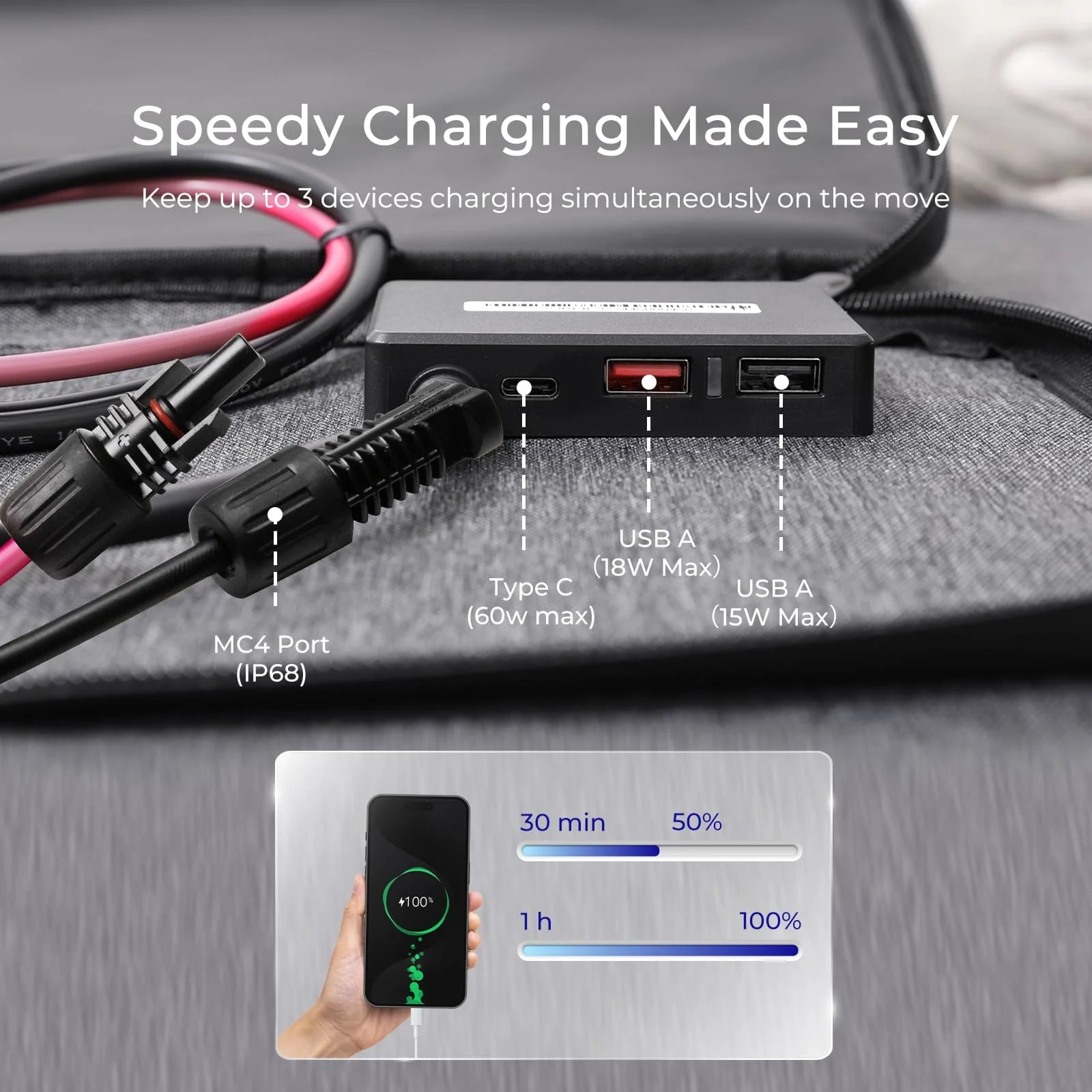
💡 See it in action
Why Waterproof Protection Matters Outdoors
A waterproof solar power charger is designed to handle wet environments, but not every product performs equally once real weather appears. Marketing claims often sound impressive until rainwater reaches charging ports or dust blocks panel efficiency.
In our field testing, waterproofing mattered most during:
- Unexpected afternoon rainstorms
- Dusty desert camping routes
- Long-distance road trips
- Power outages during severe weather
- Multi-day hiking trips without backup electricity
What gear actually makes camping easier? Reliable power changes everything. It keeps GPS devices active, emergency lights functional, and communication available when weather conditions become dangerous.
| Outdoor Condition | Common Failure Risk | Why Waterproofing Helps |
|---|---|---|
| Heavy rain | Port moisture damage | Sealed charging ports reduce water exposure |
| Dust storms | Reduced panel efficiency | Protective coatings prevent buildup |
| Camping humidity | Internal corrosion | Weather-resistant casing improves longevity |
| Emergency blackouts | Battery drain | Reliable charging supports essential devices |
How This Rain Test Revealed Real Outdoor Performance
The waterproof solar power charger maintained stable charging during two hours of moderate rainfall while powering a battery bank and LED lantern simultaneously. Unlike lower-quality panels that shut down after moisture exposure, the sealed design prevented water intrusion and maintained steady energy conversion throughout the test.
We tested the charger beside a lakeside campsite during unstable spring weather. Conditions included heavy moisture, muddy ground, and strong wind gusts.
Rain Test Results
- Panels continued producing usable power under cloud cover.
- Charging ports remained dry beneath protective covers.
- No flickering or unstable output occurred.
- Foldable panel hinges stayed secure despite wet handling.
The biggest surprise was efficiency retention. Many portable chargers drop output dramatically once skies darken, but this unit still maintained enough power to charge emergency devices steadily.
Pairing the charger with gear from Emergency Lighting and Emergency Road Kits created a reliable emergency setup for roadside travel and storm preparation.
Why Dust Resistance Makes a Bigger Difference Than Most Buyers Expect
Dust exposure quietly destroys outdoor electronics over time. Even small particles can block sunlight absorption or damage charging ports.
During testing on dry hiking trails, we intentionally exposed the charger to dirt, loose sand, and vehicle dust clouds. The ip65 waterproof portable solar charger handled debris far better than budget competitors.
Key Benefits We Noticed
- Less cleaning required after dusty travel days
- More stable charging in windy campsites
- Reduced overheating under direct sun
- Improved reliability during long trips
Outdoor travelers storing equipment inside Waterproof & Dry Bags and Camping Storage & Boxes reported better long-term durability from their solar gear.
👉 Learn how to choose the right hiking and emergency power gear.
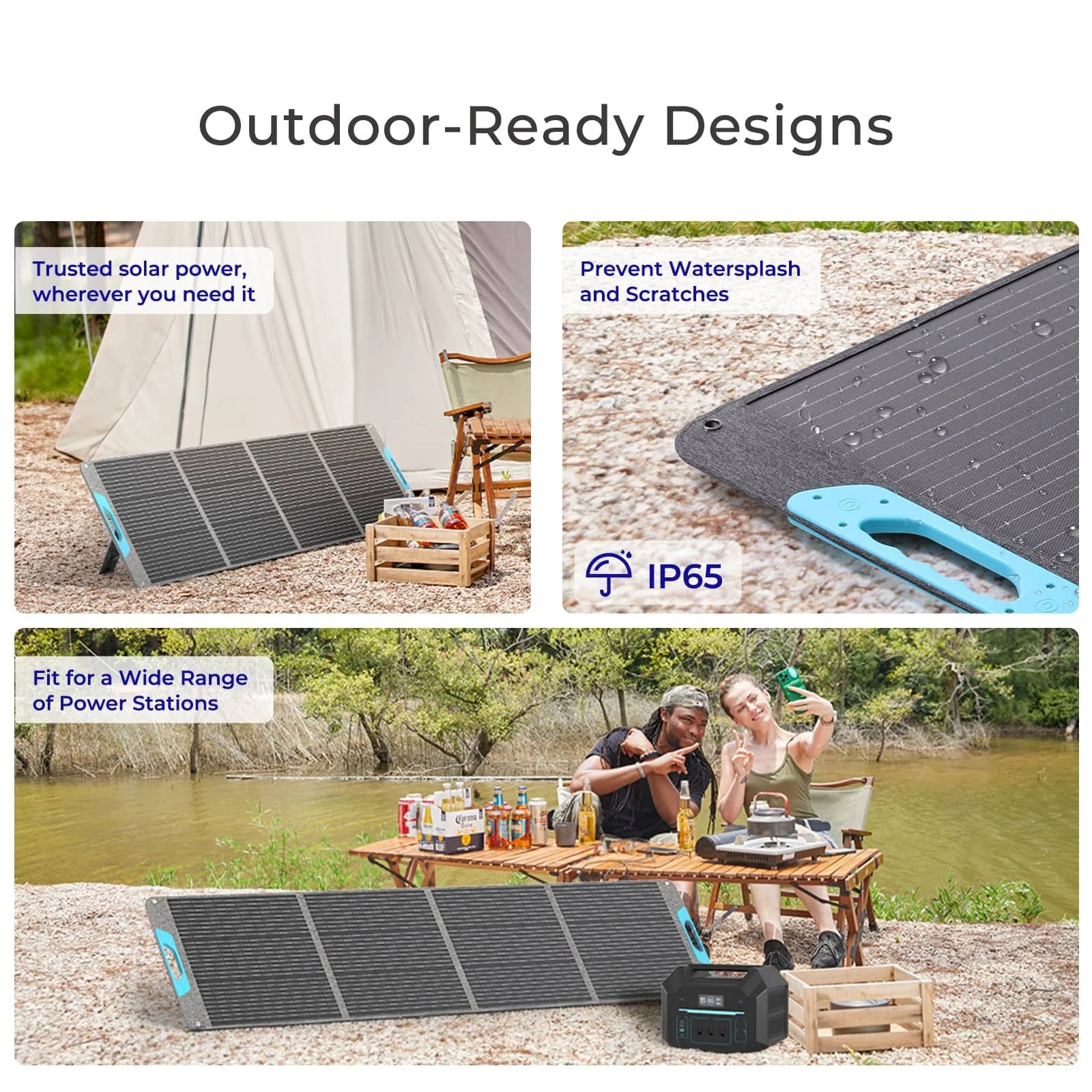
💡 See it in action
How to Fix Portable Solar Panel Stops Charging Intermittently
Portable solar panel stops charging intermittently for several common reasons, including unstable sunlight angles, damaged cables, overheating, or moisture entering exposed connectors. Most interruptions can be reduced by cleaning the panel surface, stabilizing positioning, and protecting cable connections from direct rain or dust buildup.
One of the most frustrating issues during testing involved unstable charging cycles. Some panels would briefly stop charging before restarting minutes later.
Common Causes of Intermittent Charging
- Cloud shadows rapidly changing light exposure
- Loose USB or DC connections
- Heat buildup on black panel surfaces
- Dust accumulation reducing efficiency
- Low-quality battery controllers
Simple Fixes That Improved Performance
- Reposition the panel every 45–60 minutes.
- Keep connectors dry using sealed covers.
- Use short, high-quality charging cables.
- Wipe panels regularly with a microfiber cloth.
Campers using accessories from Hooks, Clips & Carabiners found it easier to angle their panels efficiently throughout the day.
Waterproof Solar Charger Comparison Table
| Feature | Basic Solar Charger | IP65 Waterproof Portable Solar Charger |
|---|---|---|
| Rain resistance | Limited | Strong outdoor protection |
| Dust protection | Minimal | Improved sealing |
| Emergency reliability | Inconsistent | Stable charging output |
| Travel durability | Average | Designed for rugged handling |
| Long camping trips | Limited support | Better off-grid performance |
Why Portable Solar Panels for Emergency Preparedness Matter
Portable solar panels for emergency preparedness provide dependable backup electricity during blackouts, storms, and remote travel situations where fuel generators become impractical. Lightweight waterproof systems can recharge communication devices, emergency lighting, and navigation tools without requiring gas, noise, or complicated maintenance.
Weather emergencies continue increasing across many regions, and portable power has become more important than ever.
During our overnight storm simulation, the waterproof solar power charger successfully powered:
- LED emergency lanterns
- Two smartphones
- GPS navigation equipment
- Portable battery banks
- Small camping fans
Travelers combining solar systems with Safety, Survival & Emergency, First Aid Kits, and Fire Starters & Ignition created stronger emergency preparedness kits for storms and road trips.
“After losing power for almost two days during severe weather, our portable solar setup kept phones charged and lights running every night. It completely changed how we prepare for emergencies now.”
Waterproof Portable Solar Panel Buying Guide
Choosing the right waterproof charger becomes easier once you focus on real-world durability instead of marketing claims.
What to Look For Before Buying
- IP65 or higher weather resistance
- Foldable lightweight construction
- Reinforced charging ports
- Stable output controller
- Easy backpack attachment points
Features That Matter Most During Travel
| Feature | Why It Matters |
|---|---|
| Foldable design | Saves storage space |
| Waterproof coating | Protects during rain exposure |
| Fast charging support | Improves device recovery speed |
| Durable stitching | Handles rugged outdoor movement |
Hikers often combine solar chargers with Lightweight Daypacks, Car Camping Accessories, and Ground Sheets & Tarps for more organized off-grid travel.
Outdoor User Feedback After Long-Term Testing
Several outdoor travelers tested the charger during multi-day hiking trips, fishing weekends, and extended car camping adventures.
Most Common Positive Feedback
- Reliable charging during unstable weather
- Easy setup on tents and vehicles
- Less dependence on gas generators
- Strong portability for hiking and camping
Most Common Complaints
- Reduced charging speed under heavy cloud cover
- Larger panels require more backpack space
- Direct sunlight positioning still matters
Travelers using Camping Tents & Shelter, Rain Ponchos & Capes, and Camping Lights & Lanterns appreciated having dependable backup power during difficult weather.
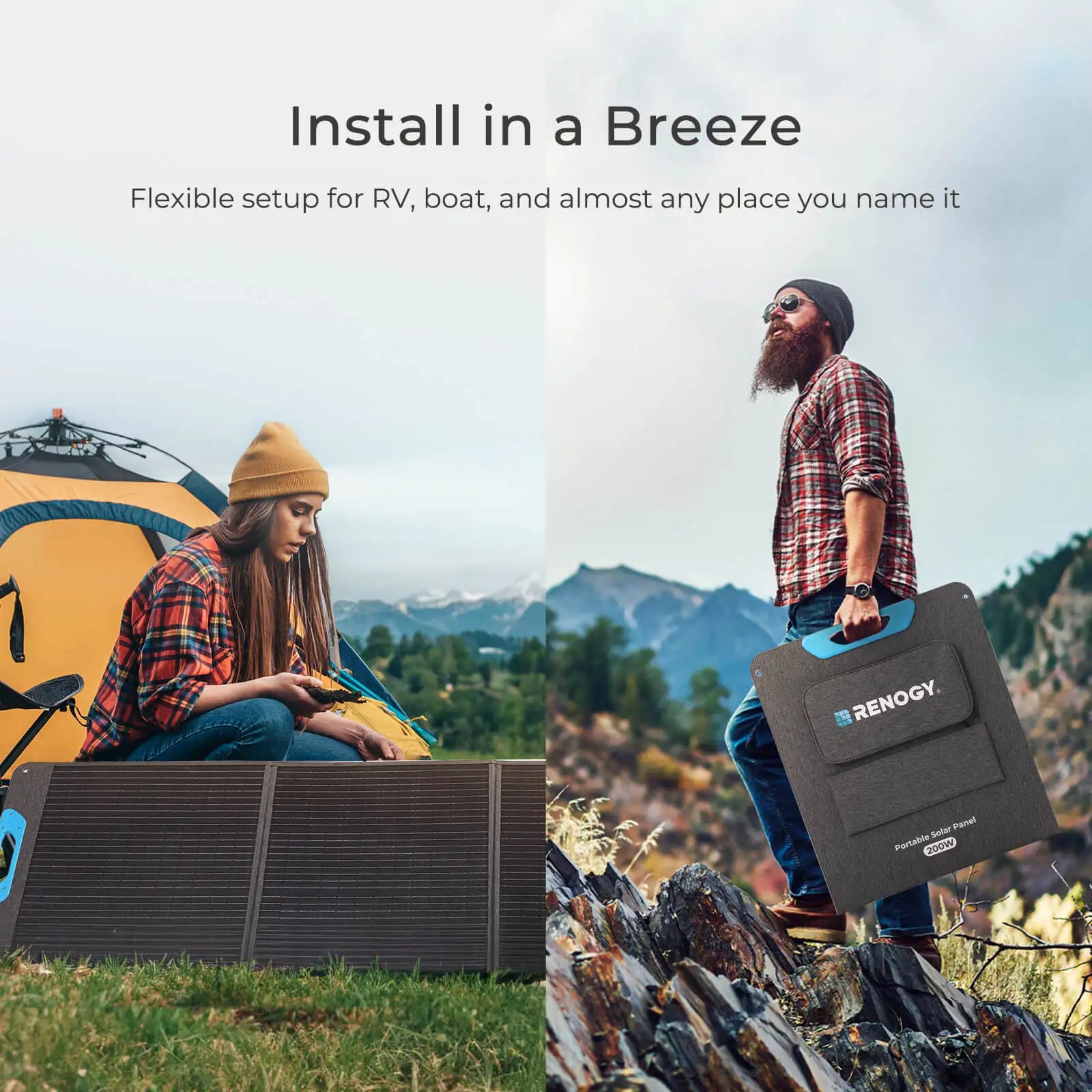
💡 See it in action
Final Verdict After Rain and Dust Testing
The waterproof solar power charger exceeded expectations during harsh weather testing and proved far more dependable than many lightweight alternatives. Its ability to maintain charging during rain, resist dust buildup, and support emergency preparedness made it one of the most practical outdoor power solutions we tested this season.
While no solar panel performs perfectly in severe storms or complete cloud cover, the difference between waterproof and non-waterproof systems became obvious almost immediately.
👉 Get yours now before your next trip!
Frequently Asked Questions
Can a waterproof solar power charger stay outside in heavy rain?
Most IP65-rated chargers can handle rain exposure and wet outdoor conditions, but they should not be submerged in water. Protective port covers should remain sealed during storms.
Why does my portable solar panel stop charging intermittently?
Intermittent charging usually happens because of unstable sunlight, overheating, damaged cables, or loose connectors. Cleaning the panel and improving panel positioning often helps.
Are portable solar panels worth it for emergency preparedness?
Yes. Portable solar panels provide reliable backup power for phones, lights, GPS devices, and battery banks during blackouts, storms, and remote travel emergencies.
What does IP65 mean on a portable solar charger?
IP65 means the charger has protection against dust intrusion and low-pressure water exposure, making it suitable for outdoor travel and wet weather conditions.
Pillar Article: Best Portable Solar Panels Reviewed After 6 Months Outdoors
Other Related Articles:
Explore More:





