

Staying Connected During Camping Trips: Power Setup Guide
Portable Power Bank For Camping: How To Stay Charged Outdoors
⏱ 12 min read
Does a portable power bank for camping really help outdoors?
A portable power bank for camping keeps phones, GPS devices, lanterns, and cameras charged when outlets are unavailable. Reliable battery backup improves safety, navigation, and comfort during off-grid adventures while reducing stress about dead devices during hikes, road trips, or overnight camping stays.
A portable power bank for camping can completely change how you experience outdoor travel. Whether you are hiking deep into the mountains, setting up a family campsite, or planning a long road trip, reliable charging helps you stay connected, navigate safely, and capture unforgettable memories. Instead of worrying about dying batteries, you can focus on enjoying the outdoors with confidence.
Have you ever arrived at camp only to realize your phone battery is already below 20% before sunset?
That situation is more common than many outdoor travelers expect. Between maps, weather apps, music, cameras, and emergency communication, devices drain quickly outdoors.
The solution starts with choosing dependable portable charging gear designed for rugged environments.
👉 Discover must-have camping gear for easier outdoor adventures.
Lighting & Power and Portable Power Banks collections include compact charging solutions designed for travel, camping, and off-grid convenience.
💡 See it in action
Why Campers Need Portable Power
A portable power bank for camping provides backup electricity for essential devices while reducing the need for generators or constant vehicle charging. Modern campers rely on smartphones for navigation, safety alerts, photography, communication, and entertainment, making dependable portable charging one of the most useful outdoor upgrades.
Camping used to mean disconnecting entirely. Today, outdoor travelers balance adventure with practical technology needs.
Reliable charging supports:
- GPS navigation during hikes
- Emergency communication
- Portable lanterns and lights
- Photography equipment
- Weather monitoring apps
- Portable fans and mini devices
- Entertainment during long evenings
For families camping with children, staying connected during camping trips often becomes a safety priority rather than just convenience.
Why Phone Batteries Die Faster Outdoors
Outdoor conditions drain batteries faster than everyday use. Campers often notice battery levels dropping rapidly because devices constantly search for weak signals, manage GPS tracking, or operate in temperature extremes.
| Outdoor Condition | Battery Impact |
|---|---|
| Cold temperatures | Faster battery drain |
| Weak cellular signal | Constant network searching |
| Continuous GPS use | High power consumption |
| Night photography | Camera battery depletion |
| Portable lighting | Additional charging needs |
Many experienced campers now pack multiple charging options alongside their Camping Lights & Lanterns and Emergency Lighting gear.
Best Ways To Charge Devices Outdoors
The best ways to charge devices outdoors include high-capacity power banks, solar chargers, vehicle charging systems, and energy-saving habits. Combining multiple charging methods creates reliable backup power for longer trips while improving convenience and safety in remote environments.
Not every camping trip requires a massive power station. In many cases, lightweight portable chargers offer enough energy for an entire weekend.
1. High-Capacity Power Banks
Large-capacity battery packs remain the most practical choice for most outdoor travelers.
A dependable model can recharge:
- Smartphones multiple times
- Bluetooth speakers
- Camping lanterns
- Action cameras
- Wireless earbuds
- Mini fans
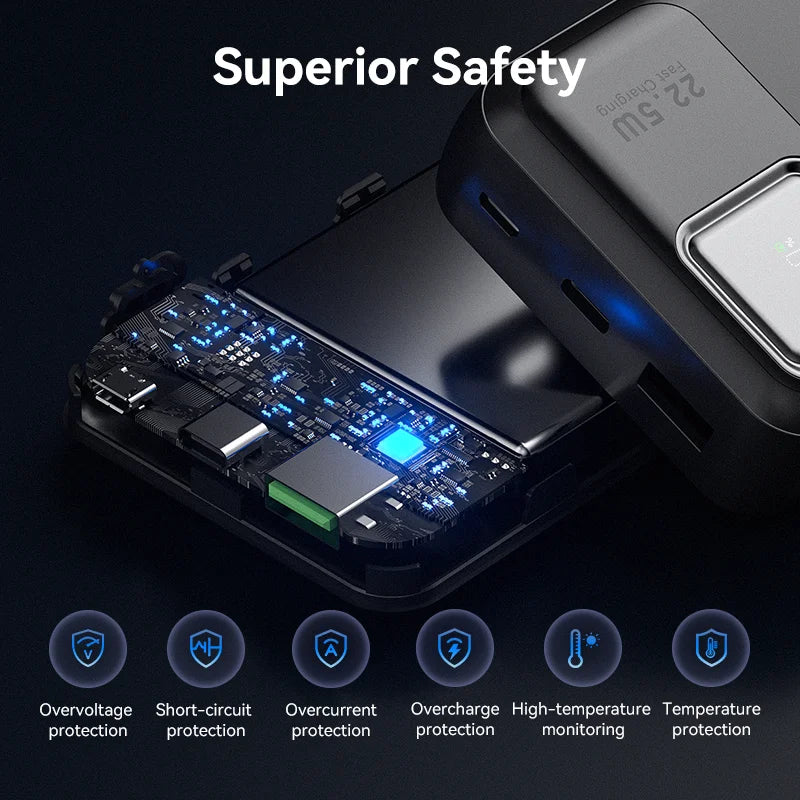
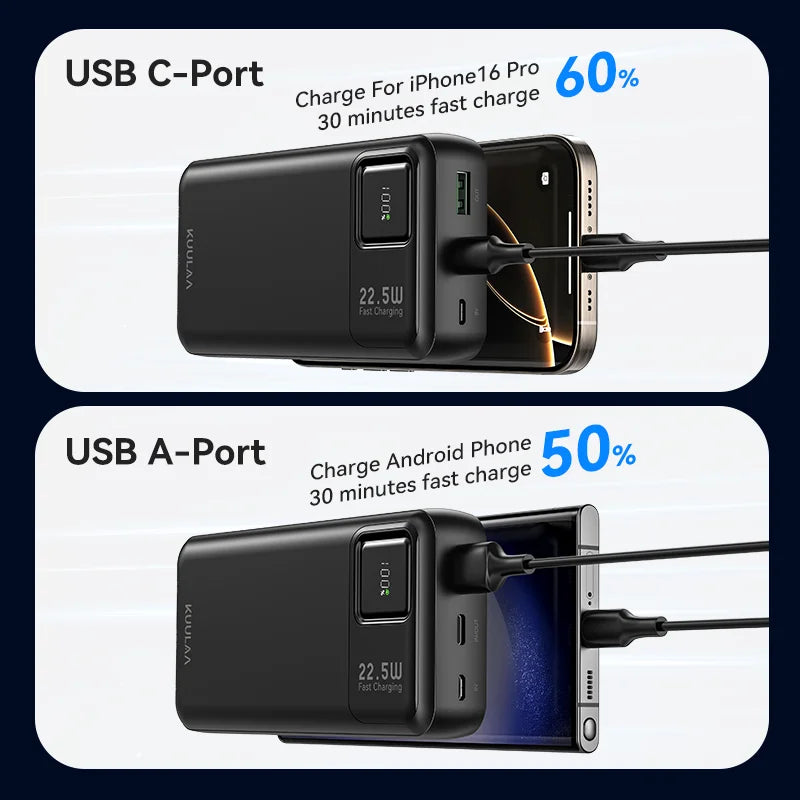
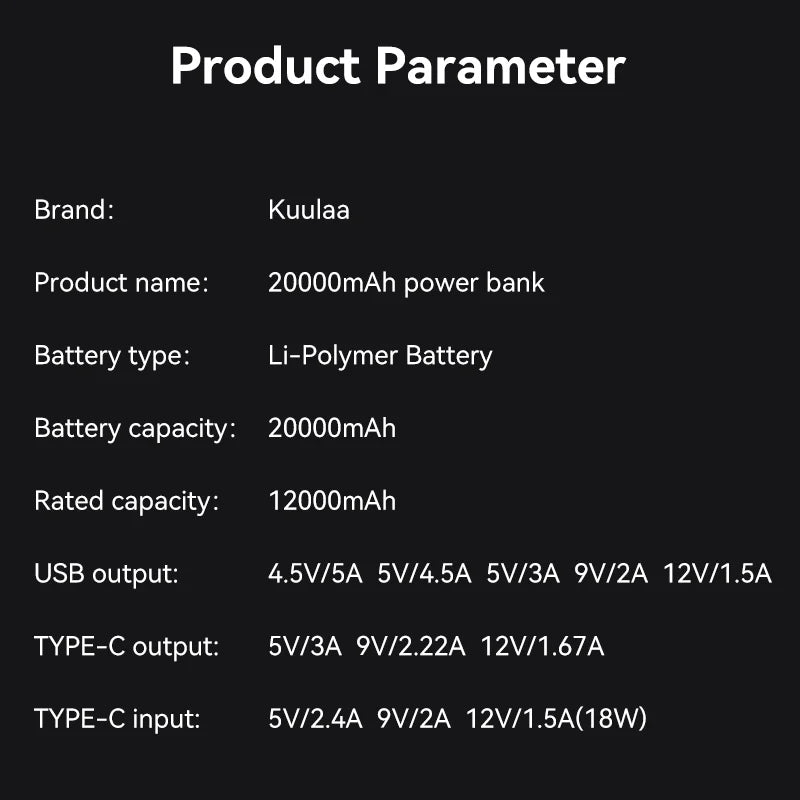
The 20000mAh Fast Charging Power Bank works especially well for campers who need lightweight backup power without carrying bulky equipment.
Travelers frequently mention how useful compact chargers become during late-night campsite setups or long scenic drives.
2. Solar Charging Options
Solar charging has improved dramatically in recent years. While solar panels rarely replace traditional charging entirely, they help extend battery life during multi-day adventures.
Solar charging works best for:
- Sunny campsites
- Extended off-grid stays
- Emergency backup charging
- Slow daytime battery maintenance
Many campers combine power banks with gear from the Solar Lights & Chargers collection for added flexibility.
3. Vehicle Charging During Road Trips
Car camping makes charging easier because travelers can recharge power banks while driving between destinations.
This method works particularly well during:
- National park road trips
- Weekend mountain escapes
- Cross-country travel
- Family camping vacations
Portable battery tips for road trips often focus on charging devices before arriving at camp rather than waiting until batteries are nearly empty.
👉 Learn how to choose the right hiking and camping charging gear.
Pair your charger with essentials from Car Camping Accessories, Lightweight Daypacks, and Waterproof & Dry Bags for smoother outdoor travel.
How To Choose The Right Portable Power Bank
A portable power bank for camping should balance battery capacity, charging speed, durability, portability, and weather resistance. Campers who choose lightweight yet powerful chargers usually enjoy more reliable outdoor charging without adding unnecessary bulk to backpacks or vehicle storage.
Choosing the wrong power bank can create frustration quickly outdoors.
Some models are too heavy. Others recharge too slowly. A few cannot handle rugged conditions at all.
Battery Capacity Guide
| Capacity | Best Use | Estimated Phone Charges |
|---|---|---|
| 5000mAh | Day hikes | 1-1.5 charges |
| 10000mAh | Weekend camping | 2-3 charges |
| 20000mAh | Extended trips | 4-6 charges |
| 30000mAh+ | Group camping | Multiple devices |
For most campers, 20000mAh offers the best balance between portability and power.
Features That Matter Most Outdoors
- Fast charging support
- Water-resistant casing
- Compact size
- USB-C compatibility
- Multiple output ports
- Battery level indicators
- Shock-resistant design
Many travelers store their chargers inside Gear Organizers & Pouches to prevent cable damage and moisture exposure.
Weight Vs Power Balance
Backpackers prioritize lightweight gear, while car campers often prefer larger battery reserves.
Ask yourself:
- How many devices need charging?
- How long will the trip last?
- Will you have vehicle access?
- Are solar options available?
- Do you need emergency backup power?
Answering those questions helps narrow down the best setup quickly.
Common Camping Charging Problems
A portable power bank for camping helps solve common outdoor charging problems like dead batteries, poor signal drain, limited vehicle access, and unreliable campsite electricity. Smart charging habits extend battery performance while reducing stress during outdoor travel and overnight adventures.
Outdoor travelers frequently underestimate how much power they actually use.
Too Many Devices Competing For Power
Modern camping setups often include:
- Phones
- Headlamps
- Smartwatches
- Bluetooth speakers
- Portable lanterns
- Cameras
- GPS trackers
Without a charging plan, batteries disappear fast.
Families especially benefit from backup charging systems because children often rely on tablets, lights, or portable fans at night.
Combining chargers with Family Outdoor Bundles and Tent & Camping Lanterns creates a more comfortable setup.
Bad Weather Conditions
Rain, humidity, dust, and cold temperatures all affect battery performance.
Campers traveling through unpredictable conditions often protect charging equipment using:
One hiker shared that a waterproof storage bag saved their charger during an unexpected thunderstorm in the Rockies.
Running Out Of Power At Night
Nighttime creates the biggest charging stress for many campers.
Phones often drop below 10% after:
- Navigation use during the day
- Photo and video recording
- Streaming music around camp
- Emergency weather monitoring
That is why experienced campers recharge devices before sunset whenever possible.
💡 See it in action
Portable Battery Tips For Road Trips
Portable battery tips for road trips include charging devices during drives, limiting background apps, organizing cables efficiently, and carrying backup charging solutions. These habits reduce battery anxiety and help travelers stay connected during camping trips without carrying excessive gear.
Road trips create unique charging opportunities because vehicles can continuously recharge portable batteries.
Charge Everything Before Arriving At Camp
One of the smartest habits is fully charging power banks while driving.
This allows campers to:
- Save battery reserves overnight
- Reduce campsite stress
- Keep emergency power available
- Avoid vehicle idling later
Keep Charging Cables Organized
Tangled cords waste time and increase frustration outdoors.
Many travelers use:
Simple organization systems prevent lost cables and damaged charging ports.
Limit Battery-Draining Apps
Even the best power bank works better when devices consume less energy.
Helpful battery-saving habits include:
- Lowering screen brightness
- Using airplane mode overnight
- Downloading offline maps
- Closing unused apps
- Turning off unnecessary Bluetooth devices
Bring Backup Lighting
Portable lighting often becomes the second-largest power need after phones.
Rechargeable lanterns and wearable lights pair perfectly with portable chargers.
Outdoor travelers often combine their power bank setup with:
Solar Vs Standard Power Banks
A portable power bank for camping delivers faster and more consistent charging than most solar-only chargers. However, combining portable battery storage with solar charging provides longer-lasting backup power during extended outdoor adventures and remote travel.
| Feature | Standard Power Bank | Solar Charger |
|---|---|---|
| Charging Speed | Fast | Slow to moderate |
| Weather Dependence | Low | High |
| Night Use | Reliable | Limited |
| Portability | Excellent | Varies |
| Long-Term Sustainability | Moderate | High |
For weekend camping, traditional power banks usually provide enough energy.
For multi-day trips, solar charging adds valuable backup flexibility.
Best Solar Setup For Camping
Many experienced campers use a layered charging system:
- Primary portable power bank
- Compact solar panel backup
- Vehicle charging while driving
- Emergency reserve battery
This strategy reduces the risk of losing communication during remote adventures.
👉 Get yours now before your next trip!
The 20000mAh Fast Charging Power Bank helps keep phones, lanterns, and travel devices powered through long weekends outdoors.
How Real Campers Use Portable Chargers
A portable power bank for camping supports real outdoor situations like emergency navigation, family travel, late-night lighting, and content creation. Campers consistently report improved convenience and peace of mind when carrying dependable backup charging solutions.
Family Camping Example
A family visiting Yellowstone used a high-capacity power bank to recharge:
- Two smartphones
- A portable lantern
- A child’s tablet
- A rechargeable fan
Instead of driving back to crowded charging stations, they stayed comfortably at camp.
Solo Hiking Example
A solo backpacker relied on a compact charger during a three-day hiking trip after GPS tracking drained their phone faster than expected.
They later mentioned that carrying backup power provided reassurance during isolated trail sections.
Content Creators And Photographers
Outdoor photographers often use multiple batteries while filming sunrise hikes, wildlife encounters, or night skies.
Portable chargers help keep:
- Action cameras powered
- Drones charged
- Phones available for editing
- Portable lights operational
Many photographers also carry Hooks, Clips & Carabiners for easier gear organization on the move.
Outdoor Gear That Pairs Well With Portable Chargers
A portable power bank for camping becomes more useful when combined with smart outdoor gear like lanterns, waterproof bags, cooking equipment, and weather protection accessories. Integrated camping systems improve convenience, organization, and safety throughout outdoor adventures.
Lighting And Power Combos
Rechargeable lights are among the best companions for portable chargers.
Useful pairings include:
These combinations create comfortable nighttime visibility while reducing disposable battery waste.
Weather-Ready Storage
Outdoor electronics need protection from moisture and dirt.
Popular protective accessories include:
Comfort And Convenience Upgrades
Modern campers increasingly combine technology with comfort-focused gear.
Popular campsite combinations include:
Portable charging supports these more relaxing campsite experiences by powering lights, speakers, and cooling devices.
Mistakes To Avoid When Charging Outdoors
A portable power bank for camping works best when campers avoid common mistakes like overcharging devices, exposing batteries to extreme temperatures, or waiting until batteries are nearly empty before recharging. Smart charging habits improve battery longevity and outdoor reliability.
Leaving Power Banks In Hot Cars
Excessive heat damages battery performance.
Never leave charging equipment exposed to:
- Direct summer sunlight
- Closed vehicles for long periods
- Hot dashboard surfaces
Forgetting Weather Protection
Even water-resistant gear benefits from extra protection during storms.
Smart campers often keep electronics elevated using:
Using Low-Quality Charging Cables
Poor-quality cables slow charging speeds and fail unexpectedly.
Reliable charging systems depend on durable cables designed for outdoor use.
Not Testing Gear Before The Trip
Always test chargers before leaving home.
Experienced travelers recommend:
- Fully charging the power bank
- Testing all cables
- Checking charging speeds
- Confirming device compatibility
- Packing backup charging options
💡 See it in action
Simple Weekend Camping Power Plan
A portable power bank for camping becomes most effective when campers follow a simple charging plan. Combining energy-saving habits with backup charging ensures phones, lights, and navigation tools remain functional throughout the entire trip.
| Time | Charging Strategy |
|---|---|
| Before Departure | Fully charge all devices and power banks |
| During Drive | Recharge backup batteries in vehicle |
| At Camp | Use low-power settings on devices |
| Before Bed | Recharge essential gear overnight |
| Emergency Backup | Keep one reserve battery untouched |
This approach helps prevent unnecessary battery anxiety while improving outdoor safety.
Stay Powered And Enjoy The Outdoors With Confidence
A portable power bank for camping is no longer just a convenience item. For many outdoor travelers, it has become essential gear that improves safety, flexibility, and comfort.
Whether you are planning a weekend at a lakeside campground, a cross-country road trip, or a remote hiking adventure, dependable charging allows you to focus more on the experience and less on your battery percentage.
The right portable charger helps keep maps available, lanterns glowing, cameras recording, and emergency communication ready when it matters most.
For campers looking to simplify outdoor charging without carrying oversized equipment, the 20000mAh Fast Charging Power Bank offers a practical balance of portability and dependable power.
Pairing reliable charging gear with collections like Travel, Car & Road Trip, Safety, Survival & Emergency, and Camping & Picnic helps create smoother, safer outdoor adventures from start to finish.
FAQ
How big should a portable power bank for camping be?
Most campers benefit from a 10000mAh to 20000mAh power bank. Smaller batteries work for day trips, while larger capacities are better for multi-day camping, group travel, and charging multiple devices.
Are solar power banks good for camping?
Solar charging can help extend battery life during long outdoor trips, especially in sunny conditions. However, many campers still prefer combining solar panels with a traditional portable power bank for faster and more reliable charging.
What devices can a camping power bank charge?
Portable chargers commonly recharge smartphones, GPS units, lanterns, cameras, speakers, smartwatches, and portable fans. High-capacity models can support several devices throughout an entire weekend trip.
How do I protect my power bank outdoors?
Store chargers in waterproof bags or protective pouches, avoid direct sunlight, and keep batteries away from extreme heat or freezing temperatures whenever possible.
What are the best ways to charge devices outdoors without electricity?
The best ways to charge devices outdoors include portable power banks, solar chargers, vehicle charging systems, and reducing battery consumption through offline maps and low-power settings.
Pillar Article: Portable Power Bank For Camping: How To Stay Charged Outdoors
Other Related Articles:
Explore More:





