

Portable Power Bank For Camping: How To Stay Charged Outdoors
Portable Power Bank For Camping: How To Stay Charged Outdoors
⏱ 11 min read
Does a portable power bank for camping really help outdoors?
A portable power bank for camping keeps phones, GPS devices, lanterns, and cameras charged when outlets are unavailable. High-capacity battery packs reduce stress during long hikes, road trips, and off-grid camping while helping travelers stay safe, connected, and prepared through changing weather and remote conditions.
A portable power bank for camping can completely change how you experience the outdoors. Whether you’re navigating mountain trails, taking photos at sunrise, or trying to stay connected during camping trips with family, reliable backup power helps prevent dead batteries from ruining the adventure. From lightweight fast-charging packs to solar-ready models for extended weekends, modern portable charging gear offers smarter ways to power your devices without carrying bulky generators.
Ever reached a campsite only to realize your phone battery is already at 18% before sunset? That’s one of the most common outdoor frustrations for hikers, campers, and road trippers.
Reliable charging matters more than convenience. Phones are now maps, emergency tools, cameras, weather trackers, and communication devices all in one. Losing power can affect safety and navigation, especially in remote areas.
👉 Discover must-have camping gear: Pair your charging setup with essentials from Lighting & Power, Camping & Picnic, and Travel, Car & Road Trip collections for a smoother outdoor experience.
💡 See it in action
Why Campers Need Portable Power
A portable power bank for camping supports navigation, communication, emergency lighting, and entertainment while reducing dependence on crowded campsite charging stations. Modern fast-charging models can recharge phones multiple times, helping campers stay prepared through long weekends, unexpected delays, and remote outdoor conditions.
Outdoor travel has changed dramatically in the last few years. Campers now carry:
- Phones for GPS and maps
- Action cameras and drones
- Rechargeable lanterns
- Bluetooth speakers
- Fitness watches
- Portable fans
- Emergency flashlights
Even minimalist travelers usually depend on at least one device daily.
Power Makes Camping Safer
Charging access is not just about convenience anymore. It can directly impact safety during storms, vehicle breakdowns, or trail detours.
Campers traveling through national parks often report that maintaining battery life becomes critical after sunset. A dead flashlight or GPS device can quickly turn a relaxing hike into a stressful situation.
That’s why many experienced travelers combine portable charging gear with Emergency Lighting and Safety, Survival & Emergency equipment.
Modern Camping Needs More Power Than Ever
| Device | Average Daily Battery Use | Why It Matters Outdoors |
|---|---|---|
| Smartphone | 1-2 full charges | Maps, photos, weather alerts |
| GPS Device | High drain | Trail navigation |
| Camping Lantern | Medium drain | Night visibility |
| Action Camera | Frequent charging | Recording outdoor activities |
| Portable Fan | Continuous drain | Summer camping comfort |
Many travelers underestimate how quickly batteries drain in colder weather or during extended camera use.
How to Pick the Right Power Bank for Camping
A portable power bank for camping should match your trip length, number of devices, weather conditions, and travel style. Capacity, charging speed, durability, and portability all affect outdoor performance, especially during multi-day trips where reliable power becomes essential for navigation and safety.
Capacity Matters Most
The first thing campers should check is battery capacity, measured in mAh.
- 10,000mAh: Good for short hikes or overnight trips
- 20,000mAh: Ideal for weekend camping
- 30,000mAh+: Better for groups or extended travel
Many outdoor travelers prefer larger batteries because they support multiple devices without requiring frequent recharging.
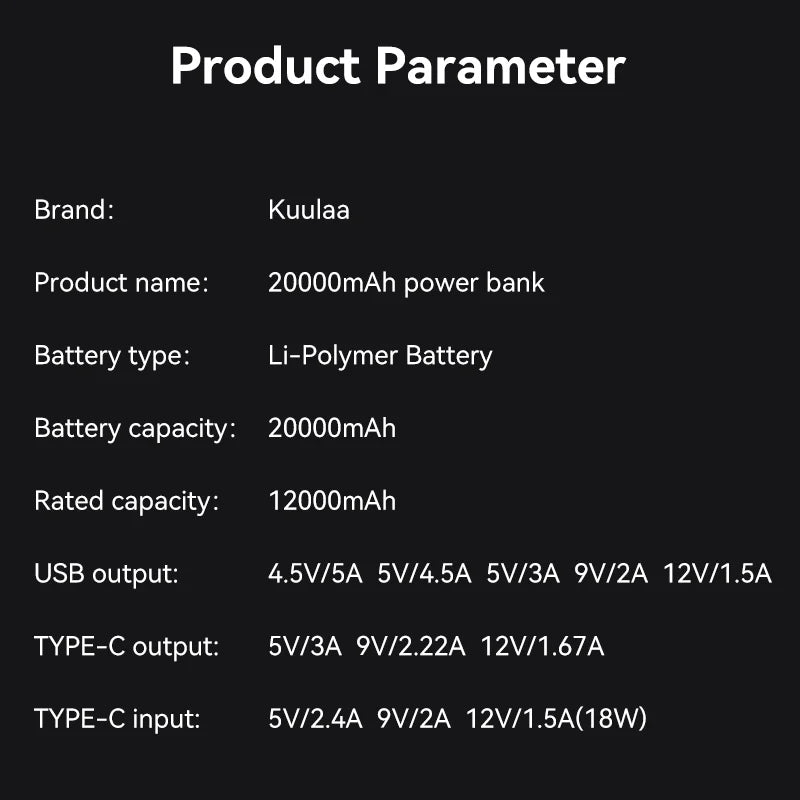
The 20000mAh Fast Charging Power Bank is popular among campers because it balances portability with strong charging performance.
Look for Fast Charging Support
Fast charging becomes extremely valuable outdoors.
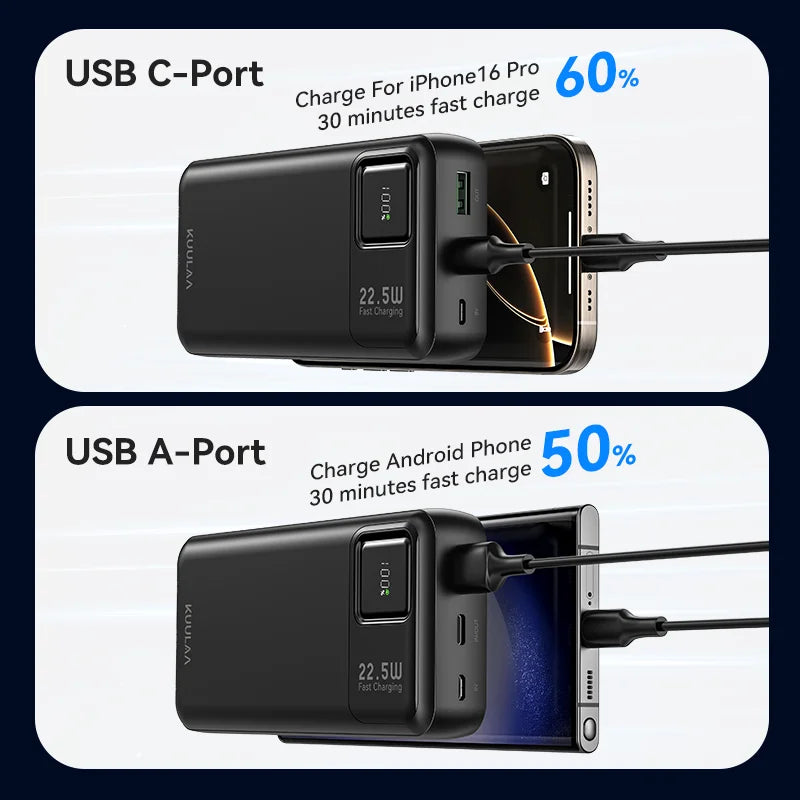
Instead of waiting several hours, campers can quickly recharge devices while eating lunch, driving between campsites, or taking short breaks.
Key features worth prioritizing include:
- USB-C fast charging
- Multiple output ports
- Battery percentage display
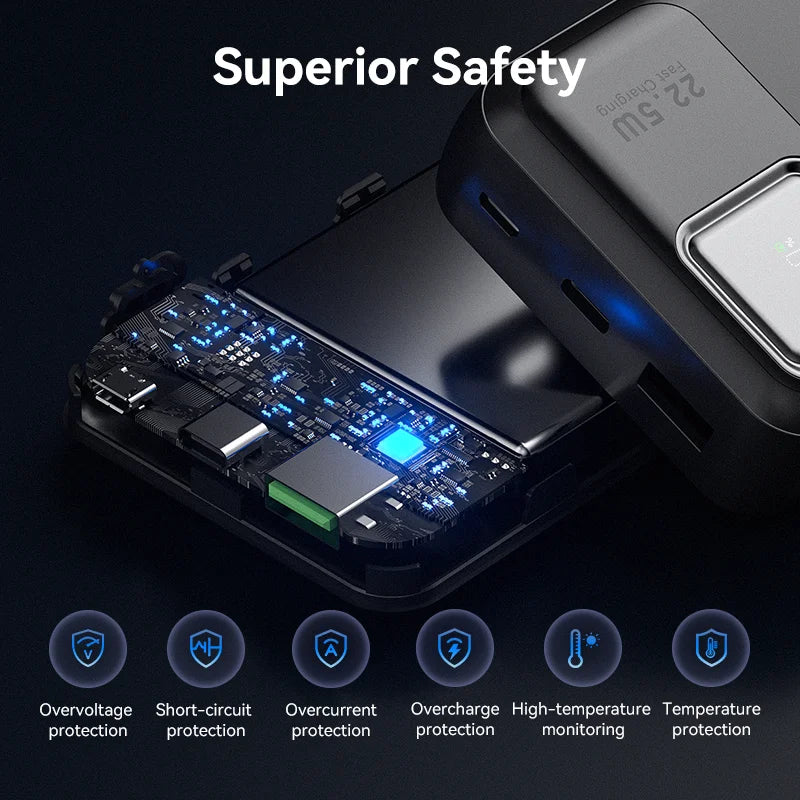
- Overheat protection
- Water-resistant casing
Lightweight Design Helps During Hikes
Backpackers often regret carrying oversized batteries.
Compact power banks fit more easily inside Lightweight Daypacks or Gear Organizers & Pouches without adding unnecessary weight.
One solo camper from Colorado shared that downsizing from a bulky generator to a compact battery pack made long trail hikes noticeably easier while still keeping his phone and headlamp charged for three days.
Best Ways to Charge Devices Outdoors
The best ways to charge devices outdoors include using fast-charging portable batteries, solar charging panels, car charging adapters, and energy-saving habits. Combining multiple charging methods creates more reliable power access during long trips, especially when weather or campsite conditions change unexpectedly.
Combine Multiple Charging Methods
Experienced campers rarely rely on only one charging source.
The most dependable setups often combine:
- Portable power banks
- Vehicle charging
- Solar backup charging
- Rechargeable lantern systems
This layered approach keeps devices running even when one option becomes unavailable.
Solar Charging Can Help During Longer Trips
Solar charging works best during extended camping trips with strong sunlight exposure.
Travelers often pair battery packs with gear from Solar Lights & Chargers for longer off-grid adventures.
Solar charging performs especially well for:
- Desert camping
- Road trips
- Beach camping
- Multi-day hiking trips
However, cloudy weather can reduce efficiency significantly.
👉 Learn how to choose the right hiking gear: Combine your charging setup with Waterproof & Dry Bags, Headlamps & Wearable Lights, and Car Camping Accessories for a more reliable outdoor system.
Use Low Power Modes to Extend Battery Life
One of the smartest portable battery tips for road trips is reducing device power consumption before charging becomes necessary.
Simple adjustments include:
- Lowering screen brightness
- Turning off Bluetooth when unused
- Using airplane mode in weak signal areas
- Downloading offline maps
- Closing background apps
These small changes can extend battery life by several hours each day.
Portable Battery Tips for Road Trips
Portable battery tips for road trips focus on preparation, charging efficiency, and backup planning. Travelers who keep devices topped up during driving periods and store batteries properly often avoid common problems like dead phones, navigation failures, or emergency communication issues.
Charge During Driving Breaks
Road trippers often forget the easiest charging opportunity: the car itself.
Using vehicle adapters during highway driving helps maintain battery reserves before arriving at remote campsites.
Many travelers organize charging cables inside Car Organizers & Storage systems to avoid clutter and tangled wires.
Store Batteries Correctly
Heat damages battery performance quickly.
Never leave portable power banks exposed to direct sunlight inside vehicles during summer travel.
Instead, store them inside:
- Insulated bags
- Seat organizers
- Dry storage containers
- Weather-resistant pouches
Travelers heading into unpredictable climates often pair charging gear with Weather Protection & Environment equipment.
Bring Extra Charging Cables
It sounds simple, but forgotten cables remain one of the top reasons outdoor travelers cannot recharge devices effectively.
Keeping backup charging accessories inside Compression & Packing Bags or Hooks, Clips & Carabiners organizers reduces frustration significantly.
💡 See it in action
Real Camping Scenarios Where Portable Power Matters
A portable power bank for camping becomes most valuable during unexpected outdoor situations. Weather changes, delayed hikes, vehicle trouble, and nighttime emergencies all increase the importance of reliable charging access when traditional power outlets are unavailable.
Family Camping Weekends
Families often use more devices than expected.
Parents may need phones for navigation while kids use tablets or rechargeable lights during evenings inside tents.
One family traveling through Utah reported using a 20,000mAh battery pack to charge:
- Two smartphones
- A lantern
- A Bluetooth speaker
- A smartwatch
They still had remaining battery after two nights of camping.
Many family campers also combine charging solutions with gear from Family Outdoor Bundles and Group Picnic Accessories.
Solo Backpacking Trips
Solo travelers rely heavily on navigation and emergency communication.
Portable charging becomes especially important during:
- Mountain hiking
- Remote forest camping
- National park adventures
- Long-distance trekking
Compact charging systems work best when paired with lightweight essentials from Backpacking & Carry.
Car Camping Adventures
Car campers usually have more flexibility and can carry larger battery packs.
This allows support for:
- Portable coolers
- Camping fans
- LED light strings
- Portable projectors
- Cooking accessories
Campers often combine charging systems with Camping Stoves & Cooking and Tent & Camping Lanterns for greater comfort.
Solar vs Standard Power Banks
Solar power banks provide renewable charging support during extended outdoor trips, while standard fast-charging power banks offer quicker and more consistent charging performance. Choosing between them depends on trip duration, weather exposure, portability needs, and the number of devices being powered.
| Feature | Solar Power Banks | Standard Power Banks |
|---|---|---|
| Charging Speed | Slower | Faster |
| Best Use | Long outdoor trips | Weekend camping |
| Weather Dependence | High | Low |
| Portability | Moderate | Excellent |
| Emergency Backup | Strong | Strong |
When Standard Power Banks Work Best
Fast-charging battery packs usually outperform solar-only systems during short trips.
The 20000mAh Fast Charging Power Bank is especially useful for:
- Weekend camping
- Festival trips
- National park visits
- Road trip stopovers
When Solar Solutions Help Most
Solar charging becomes more valuable during:
- Long off-grid camping
- Emergency preparedness
- Remote hiking expeditions
- Extended RV travel
Campers frequently combine solar charging with Ground Sheets & Tarps and Sun Shades & Canopies for improved positioning and weather protection.
Smart Packing Checklist for Outdoor Charging
The best ways to charge devices outdoors become much easier with a proper packing system. Organized charging kits reduce forgotten accessories, protect electronics from weather damage, and help campers recharge devices more efficiently throughout the trip.
Essential Power Items
- Portable power bank
- USB-C charging cable
- Backup charging cable
- Vehicle adapter
- Waterproof pouch
- Compact flashlight
- Portable lantern
Recommended Support Gear
- Portable Power Banks
- Lighting & Power
- Waterproof & Dry Bags
- Camping Storage & Boxes
- Emergency Road Kits
Power-Saving Checklist Before Leaving Camp
- Turn devices to low power mode
- Fully charge power bank overnight
- Disconnect unused accessories
- Download offline maps
- Pack backup charging cables
- Protect batteries from rain and heat
How to Charge Multiple Devices Efficiently
A portable power bank for camping works best when campers prioritize charging order and manage energy use carefully. Charging high-priority devices first helps extend battery reserves and reduces the risk of losing important communication or navigation tools during outdoor trips.
Prioritize Essential Devices
Charge these devices first:
- Phone
- GPS device
- Headlamp
- Emergency flashlight
- Smartwatch
Entertainment devices like speakers should come later.
Multi-Port Power Banks Save Time
Modern power banks often include multiple ports for simultaneous charging.
This becomes useful during group camping trips where several travelers need power access at once.
Group campers often combine power setups with Folding Chairs & Tables and Picnic Mats & Blankets to create organized shared charging stations.
👉 Get yours now before your next trip! Explore the 20000mAh Fast Charging Power Bank alongside gear from Portable Power Banks and Solar Lights & Chargers before your next outdoor adventure.
Protecting Batteries From Weather and Outdoor Damage
Weather conditions can dramatically reduce charging performance outdoors. Protecting batteries from rain, heat, and freezing temperatures helps preserve charging efficiency and extends the lifespan of portable power banks during camping and travel.
Cold Weather Reduces Battery Life
Campers in colder climates often notice batteries draining faster overnight.
To reduce this problem:
- Store batteries inside sleeping bags
- Keep power banks insulated
- Avoid leaving devices outside overnight
Travelers camping in colder regions often pair electronics with Wind & Cold Protection gear.
Waterproof Storage Is Essential
Unexpected rainstorms can ruin charging equipment quickly.
Keeping batteries protected inside Waterproof & Dry Bags helps avoid expensive damage during kayaking trips, mountain hikes, or stormy weather.
Dust and Sand Can Cause Problems
Beach camping and desert travel expose charging ports to dirt and sand.
Use protective caps or sealed organizers whenever possible.
Campers exploring sandy environments often store electronics inside Food Storage Bags & Containers for additional protection.
💡 See it in action
Simple Weekend Camping Setups That Work
The best portable charging setups combine comfort, portability, and reliable battery backup. Matching charging gear with camping style helps travelers avoid overpacking while still maintaining enough power for navigation, lighting, and communication.
Minimalist Hiking Setup
- 20,000mAh power bank
- Headlamp
- USB-C cable
- Compact dry bag
- Phone with offline maps
This setup works well for lightweight backpacking and overnight hiking trips.
Family Camping Setup
- High-capacity battery pack
- Portable lanterns
- Solar backup charger
- Vehicle adapter
- Multiple cables
- Weatherproof storage case
Families often combine these setups with Camping Tents & Shelter and Blankets & Sleeping Comfort.
Road Trip Setup
- Fast-charging power bank
- Car charging adapter
- Portable fan
- Emergency flashlight
- Cable organizer
Travelers on cross-country drives frequently pair charging setups with Foldable Travel Gear and Trunk Mats & Protection.
Common Power Bank Mistakes Campers Should Avoid
Portable power bank performance depends heavily on how the device is used and stored. Avoiding common charging mistakes helps campers maximize battery lifespan, improve charging efficiency, and maintain reliable backup power during outdoor travel.
Bringing Too Little Capacity
Many campers underestimate their daily power usage.
If multiple devices need charging, smaller battery packs often run out much faster than expected.
Forgetting Weather Protection
Outdoor electronics should never be left exposed overnight.
Rain, condensation, and temperature swings all affect battery performance.
Waiting Until Devices Die Completely
Frequent deep battery drains can reduce long-term device battery health.
Experienced travelers usually recharge devices once they drop below 30% battery.
Using Cheap Low-Quality Cables
Weak charging cables reduce charging speed significantly.
Reliable cables matter almost as much as the battery pack itself.
Frequently Asked Questions
How many times can a portable power bank charge a phone while camping?
A 20,000mAh portable power bank for camping can usually recharge most smartphones between 3 and 5 times depending on battery size, charging efficiency, and weather conditions.
Are solar power banks worth it for camping?
Solar power banks work well for longer trips with strong sunlight exposure. For weekend camping, standard fast-charging battery packs are often faster and more reliable.
What is the best way to protect a power bank outdoors?
Store your battery inside waterproof pouches, insulated organizers, or dry bags. Avoid direct heat, freezing temperatures, and heavy rain exposure whenever possible.
Can portable power banks charge camping lanterns?
Yes. Many rechargeable camping lanterns use USB charging and work well with portable battery packs during overnight trips and emergencies.
What capacity is best for staying connected during camping trips?
For most campers, 20,000mAh offers the best balance between portability and charging capacity. Larger groups or longer adventures may benefit from 30,000mAh or higher.
How do I make my power bank last longer on road trips?
Reduce screen brightness, charge devices during driving periods, use low power modes, and avoid unnecessary app usage to extend battery performance.
Whether you’re planning a weekend getaway, family camping trip, or cross-country road adventure, the right portable charging setup helps you stay safe, connected, and prepared. A dependable portable power bank for camping can turn stressful battery anxiety into a smoother outdoor experience while supporting navigation, lighting, communication, and comfort throughout the journey.
Related Articles:
- Travel Chargers For Multiple Devices: Best Setup Explained
- Staying Connected During Camping Trips: Power Setup Guide
Pillar Articles:





