

Solar Powered Camping Lantern Vs Battery Models Explained
Solar Powered Camping Lantern Vs Battery Models Explained
Are Solar Powered Camping Lanterns Better Than Battery Lanterns?
A solar powered camping lantern can reduce long-term battery costs, provide reliable backup lighting during emergencies, and recharge without wall outlets. Battery-powered lanterns still offer stronger brightness consistency in bad weather, but many campers now prefer solar models for weekend trips, car camping, and emergency preparedness because they combine portability, convenience, and eco-friendly charging.
Solar powered camping lantern options are changing how campers light up nights off-grid without carrying piles of spare batteries. This guide compares solar camping lantern vs battery powered models, explains how to charge solar lantern systems more efficiently, and shares practical strategies for extending battery life camping lantern performance during long outdoor adventures. You’ll also learn which lantern type works best for emergencies, family camping, hiking, and unpredictable weather conditions.
⏱ 8 min read
Nothing ruins a camping trip faster than weak lighting after sunset. Whether you're cooking at camp, setting up tents in the rain, or helping kids navigate dark trails, dependable light matters more than most campers expect.
What gear actually makes camping easier when power outlets are nowhere nearby?
For many outdoor families, the answer starts with choosing the right lantern. The growing debate around solar camping lantern vs battery powered models comes down to reliability, convenience, and long-term value.
👉 Discover must-have camping gear for safer outdoor nights.
Tent & Camping Lanterns and Solar Lights & Chargers help campers stay prepared without overpacking.
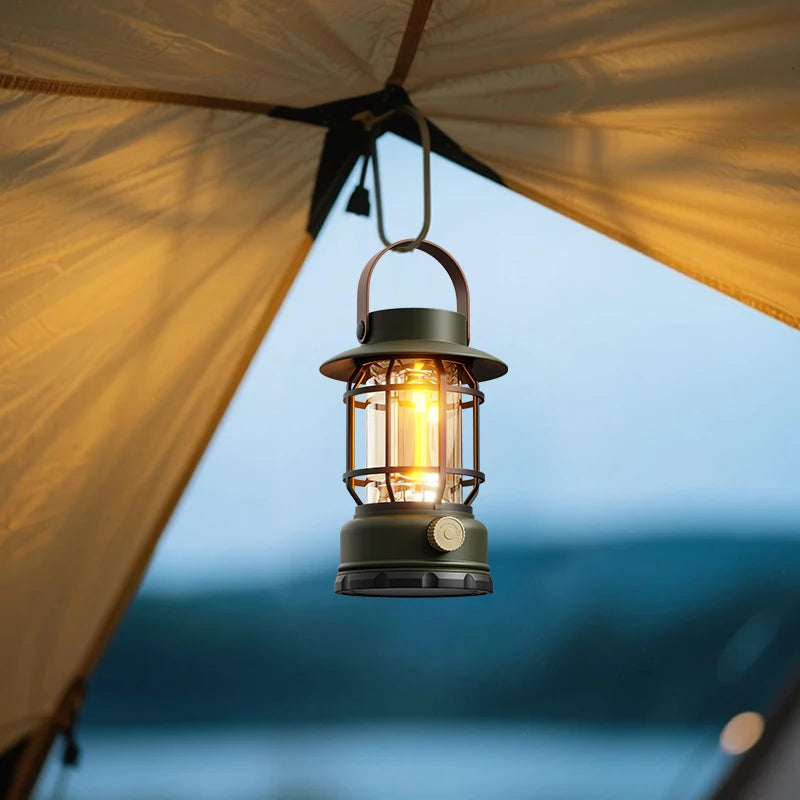
💡 See it in action
Solar Vs Battery Lanterns: What’s the Real Difference?
A solar powered camping lantern uses built-in rechargeable batteries charged through sunlight or USB backup power. Traditional battery lanterns rely on disposable or replaceable batteries for power. The biggest difference is convenience during extended outdoor trips where replacement batteries become expensive, heavy, or difficult to find.
| Feature | Solar Lantern | Battery Lantern |
|---|---|---|
| Power Source | Sunlight + USB recharge | Disposable or replaceable batteries |
| Long-Term Cost | Lower over time | Higher with repeated battery purchases |
| Emergency Readiness | Excellent if charged | Depends on spare batteries |
| Brightness Stability | Can vary with charge level | Usually consistent |
| Weight for Long Trips | Lighter overall | Heavier with spare batteries |
| Cloudy Weather Performance | Reduced charging speed | Unaffected |
Many experienced campers now combine both systems. A solar powered camping lantern often becomes the primary campsite light, while compact battery lanterns stay packed as backups.
Outdoor families especially appreciate solar options because children often leave lanterns running longer than expected. Rechargeable systems reduce stress about constantly carrying replacements.
How Solar Lanterns Simplify Outdoor Trips
A solar powered camping lantern reduces packing clutter, eliminates constant battery replacement, and provides dependable lighting during road trips and campsite setups. Many modern models also support USB charging, giving campers multiple backup options when sunlight is limited during cloudy conditions or forest camping.
Less Packing Stress During Multi-Day Trips
Disposable batteries take up more space than most campers realize. Longer trips often require backup packs, especially when traveling with children or large groups.
Using a rechargeable lantern frees room inside backpacks for more important essentials like:
- Extra clothing layers
- Food storage supplies
- Emergency equipment
- Portable cooking tools
- Rain protection gear
Pairing lanterns with Backpacking & Carry solutions also helps organize gear more efficiently during hiking trips.
Better for Car Camping and Emergencies
Car campers often prefer solar lanterns because they recharge easily during daytime travel. Simply placing the lantern near a windshield or outside the tent during lunch breaks can provide enough energy for several nighttime hours.
Emergency preparedness is another major advantage. Severe storms and power outages can leave homes without electricity for days.
Families increasingly keep rechargeable lanterns alongside supplies from Emergency Lighting and Emergency Road Kits collections for unexpected situations.
👉 Learn how to choose the right hiking gear before your next trip.
Reliable lighting pairs perfectly with Camping Tents & Shelter and Ground Sheets & Tarps for safer overnight adventures.
Brightness and Runtime Comparison
Brightness remains one of the biggest deciding factors in the solar camping lantern vs battery powered debate.
Battery Lanterns Usually Win Raw Brightness
High-powered battery lanterns often produce stronger, steadier brightness for extended periods. This matters for:
- Night fishing
- Large campsites
- Group cooking areas
- Storm recovery situations
- Long winter nights
However, brighter settings drain batteries quickly.
Solar Lanterns Prioritize Efficiency
Modern solar powered camping lantern models now include adjustable brightness modes that extend runtime dramatically.
Many campers report that medium brightness settings easily last an entire weekend when lanterns recharge during daytime hours.
"We stopped buying disposable batteries completely after switching to rechargeable lanterns for family camping trips." — Weekend camper review from Colorado
Some models even function as emergency power banks, making them useful alongside Portable Power Banks during longer off-grid adventures.
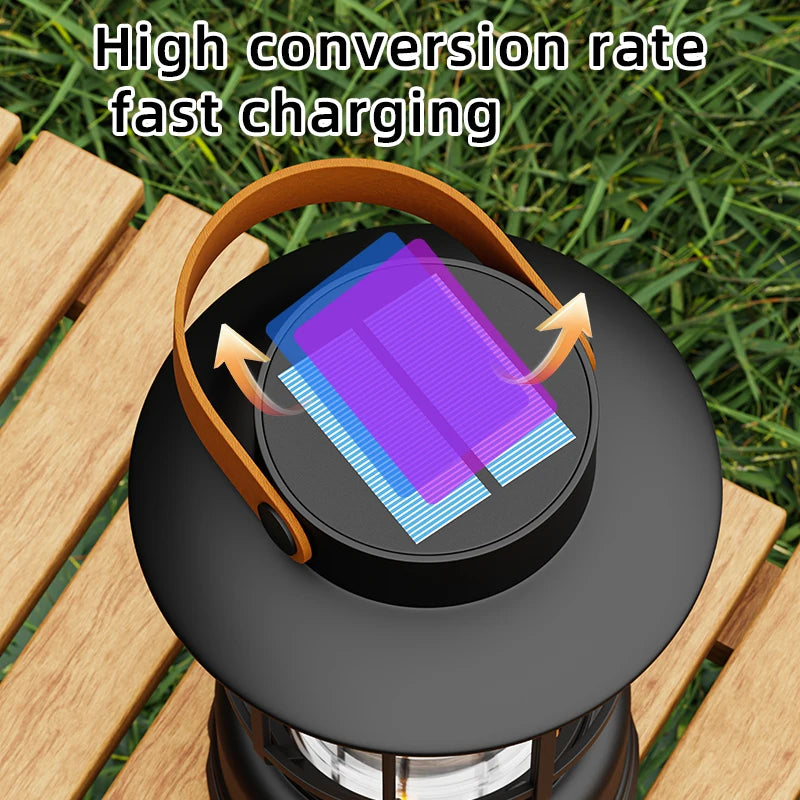
💡 See it in action
How to Charge Solar Lantern Systems Faster
Learning how to charge solar lantern systems properly can dramatically improve performance during camping trips.
Best Practices for Faster Solar Charging
- Place lanterns in direct midday sunlight whenever possible.
- Clean dust or moisture from solar panels daily.
- Avoid placing panels under tree shade.
- Use USB backup charging before fully draining the battery.
- Rotate lantern angle throughout the day for better sun exposure.
Cloudy weather remains one major drawback. Dense forests, rainy campsites, and winter conditions reduce charging efficiency significantly.
This is why many campers carry both solar lanterns and compact backup lights from Headlamps & Wearable Lights.
Why USB Backup Charging Matters
The best solar lanterns rarely rely on sunlight alone. USB charging adds flexibility during bad weather or travel days.
Products like the 2-in-1 Solar USB Camping Lantern combine solar charging with USB support, giving campers more reliable lighting regardless of conditions.
This hybrid setup has become especially popular for:
- Road trips
- Family campsites
- RV camping
- Emergency preparedness
- Festival camping
Tips for Extending Battery Life Camping Lantern Performance
Extending battery life camping lantern performance starts with smarter usage habits. Lower brightness settings, regular charging cycles, and proper storage temperatures help rechargeable lanterns maintain stronger runtime during long outdoor trips while reducing long-term battery wear and unexpected nighttime power loss.
Simple Habits That Make Lanterns Last Longer
- Use dim modes when full brightness is unnecessary.
- Recharge before batteries fully drain.
- Store lanterns in cool, dry conditions.
- Turn off unused lighting zones.
- Avoid leaving lanterns inside hot vehicles.
Why Temperature Matters More Than Most Campers Realize
Extreme heat damages rechargeable batteries faster than normal outdoor use. Summer road trips often leave lanterns baking inside car trunks for hours.
Keeping lanterns inside insulated storage from Camping Storage & Boxes or Waterproof & Dry Bags can protect electronics during unpredictable weather.
How Camp Setup Impacts Lantern Efficiency
Campers who organize lighting zones usually waste less power overall.
For example:
- One lantern inside tents
- One near cooking stations
- Small headlamps for walking paths
- Emergency backup lights inside vehicles
This setup avoids constantly running a single lantern at maximum brightness.
Which Lantern Works Better During Emergencies?
Emergency situations change the conversation completely.
During storms or blackouts, a solar powered camping lantern offers a huge advantage because it can recharge without stores, fuel, or replacement batteries.
However, battery lanterns still provide dependable immediate power when sunlight is unavailable.
| Emergency Scenario | Best Choice |
|---|---|
| Short power outage | Battery lantern |
| Multi-day outage | Solar lantern |
| Winter storm | Battery lantern |
| Hurricane season | Solar + USB lantern |
| Roadside emergency | Hybrid lantern |
Prepared campers often build layered systems using gear from Safety, Survival & Emergency and Fire Starters & Ignition for backup security.
👉 Get yours now before your next trip!
The 2-in-1 Solar USB Camping Lantern helps campers stay prepared for blackouts, campsites, and roadside emergencies without carrying piles of spare batteries.
Pros and Cons Comparison Table
| Lantern Type | Advantages | Drawbacks |
|---|---|---|
| Solar Powered Camping Lantern | Rechargeable, eco-friendly, lower long-term cost, emergency-ready | Slower charging in cloudy weather |
| Battery Powered Lantern | Reliable brightness, easy instant use | Higher ongoing battery costs |
| Hybrid Solar + USB Lantern | Flexible charging options, travel-friendly | Slightly higher upfront price |
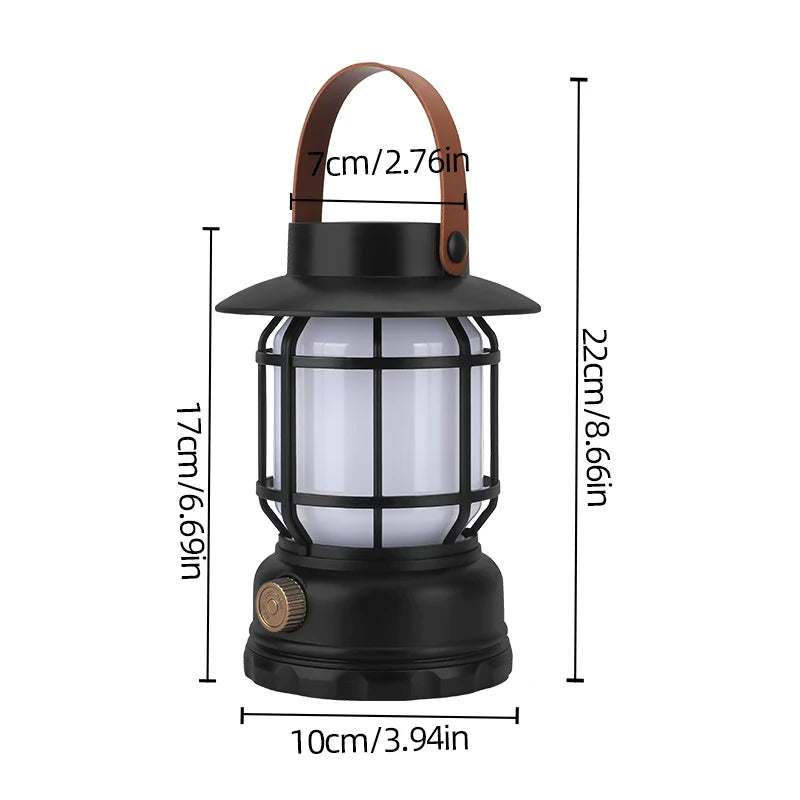
💡 See it in action
Best Lantern Type for Different Campers
Best for Families
Families usually benefit most from solar-powered or hybrid lanterns because kids tend to use lights frequently. Rechargeable systems reduce replacement costs over time.
Pairing lanterns with Family Outdoor Bundles also helps simplify trip preparation.
Best for Backpackers
Backpackers often prioritize lightweight rechargeable systems to avoid carrying extra batteries over long distances.
Combining lanterns with Lightweight Daypacks and Compression & Packing Bags helps minimize pack weight.
Best for Harsh Weather
Battery-powered lanterns still perform reliably during prolonged cloudy conditions or freezing temperatures.
Winter campers also rely heavily on protective gear from Weather Protection & Environment and Wind & Cold Protection.
The Surprising Drawback Many Campers Miss
The biggest issue with solar lanterns is unrealistic charging expectations.
Many first-time buyers assume a few cloudy hours outdoors will fully recharge their lantern. In reality, dense clouds, forest cover, and winter sunlight can reduce charging speed dramatically.
That’s why hybrid charging systems are becoming the preferred option for modern campers.
Frequently Asked Questions
How long does a solar powered camping lantern last?
Most quality solar powered camping lantern models provide between 6 and 40 hours of light depending on brightness settings, battery size, and charging conditions. Hybrid solar and USB models typically offer the most reliable long-term performance.
Can solar lanterns charge during cloudy weather?
Yes, but charging speeds slow significantly during overcast conditions. USB backup charging is recommended for consistent performance during rainy trips or forest camping.
Is a solar camping lantern better than battery powered options?
Solar lanterns usually cost less to operate long term and work well for emergencies or multi-day camping. Battery-powered lanterns still provide stronger brightness consistency during poor weather or freezing temperatures.
What is the best way to extend camping lantern battery life?
Using lower brightness settings, avoiding full battery drain, storing lanterns properly, and recharging regularly are the best ways to improve battery lifespan and runtime.
Are solar lanterns good for emergency preparedness?
Yes. Solar lanterns are popular emergency tools because they recharge without wall power and continue working during long blackouts or severe weather situations.
Pillar Article: Best Rechargeable Lantern For Camping Compared In 2026
Other Related Articles:
- Best Solar Camping Lanterns For Tents, Hiking, And Blackouts
- Best Emergency Lantern Picks For Camping And Power Outages
- Outdoor Waterproof Lantern Ip44 Vs Ip65 Comparison Guide
- Brightest Rechargeable Camping Lanterns Worth Buying This Year
Explore More:





