

Is Fast Charging Bad For Battery: Real Comparison Explained
Is Fast Charging Bad For Battery: Real Comparison Explained
⏱ 9 min read
Is Fast Charging Bad for Battery?
Is fast charging bad for battery life? Not necessarily. Modern smartphones are designed with heat control, charging regulation, and battery protection systems that reduce long-term damage. The biggest risks usually come from excessive heat, poor-quality chargers, and charging habits—not fast charging alone.
| Factor | Low Risk | Higher Risk |
|---|---|---|
| Temperature | Cool charging environment | Charging in hot cars or sunlight |
| Charger Quality | Certified USB-C fast chargers | Cheap unknown adapters |
| Battery Percentage | 20%-80% charging range | Constant 0%-100% cycles |
| Usage While Charging | Minimal screen activity | Gaming while fast charging |
Fast charging changed how people travel, commute, and stay connected outdoors. Whether you’re navigating on a road trip, camping off-grid, or working remotely from a café, rapid charging keeps devices alive when time matters most. But many users still wonder: does charging faster quietly destroy battery lifespan over time? This guide breaks down the science, compares real charging behaviors, and explains how to choose smarter charging gear without sacrificing convenience.
👉 Discover reliable charging gear before your next outdoor trip.
Portable Power Banks help keep phones, cameras, GPS devices, and emergency gear powered wherever you travel.
💡 See it in action
How Fast Charging Actually Works
Fast charging increases the amount of power delivered to a device during the early stage of charging. Instead of slowly filling the battery over several hours, newer charging systems push higher wattage into the battery while carefully managing heat.
Most modern phones automatically slow charging speeds once the battery reaches around 70% to 80%. This protects battery chemistry from excessive stress.
Why USB-C Fast Charging Became Standard
USB-C fast charging allows devices to communicate with chargers intelligently. The charger and phone negotiate safe voltage and current levels before power transfer begins.
- Faster top-ups during travel
- Reduced downtime between activities
- Better compatibility across devices
- Improved heat regulation compared to older systems
For outdoor travelers using navigation apps, cameras, and portable lighting, fast charging can be the difference between finishing the day connected or losing access entirely.
What Really Damages Smartphone Batteries
Is fast charging bad for battery by itself? In most cases, heat is the bigger issue. Lithium-ion batteries naturally degrade over time, but high temperatures accelerate chemical aging significantly faster than charging speed alone.
Heat Is the Main Problem
Battery stress rises sharply when temperatures increase. Charging while gaming, leaving devices in direct sunlight, or using low-quality adapters often causes more long-term wear than fast charging technology itself.
| Scenario | Battery Stress Level |
|---|---|
| Charging overnight in cool room | Low |
| Fast charging while streaming video | Medium |
| Charging inside hot vehicle | High |
| Gaming during fast charging | Very High |
Battery Cycles Matter More Than Many People Realize
Every full charge cycle slowly reduces battery capacity. Charging from 0% to 100% repeatedly causes more wear compared to partial charging.
Many experts recommend staying between 20% and 80% when possible to preserve long-term battery health.
Fast Charging vs Regular Charging Comparison
What gear actually makes charging safer and more convenient during outdoor trips or long commutes?
The answer often depends on balancing speed, heat, portability, and battery management features.
| Feature | Fast Charging | Regular Charging |
|---|---|---|
| Charging Speed | Very Fast | Slow |
| Heat Production | Moderate | Lower |
| Travel Convenience | Excellent | Limited |
| Battery Protection Features | Advanced on newer devices | Basic |
| Emergency Use | Highly Effective | Less Practical |
For busy travelers, hikers, and commuters, fast charging often provides more practical benefits than risks—especially when paired with reliable equipment.
👉 Learn how to choose the right charging setup for travel and outdoor use.
Guide to Fast Charging Power Banks
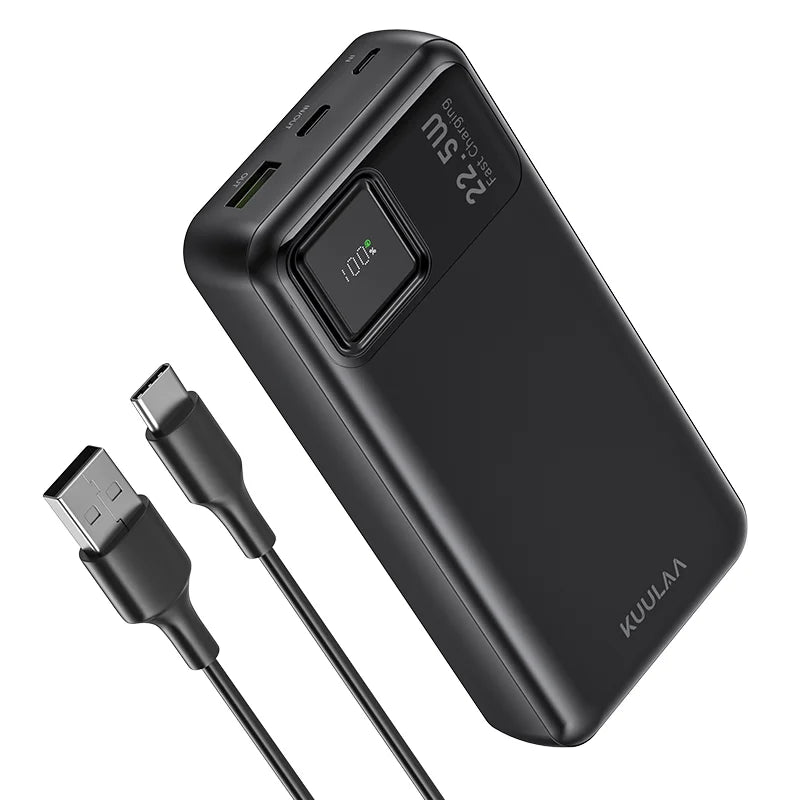
A good guide to fast charging power banks starts with understanding output wattage, battery size, and charging protocols.
Not all power banks deliver true fast charging. Some advertise large capacity but provide weak output speeds.
What to Look for in a Fast Charging Power Bank
- USB-C Power Delivery support
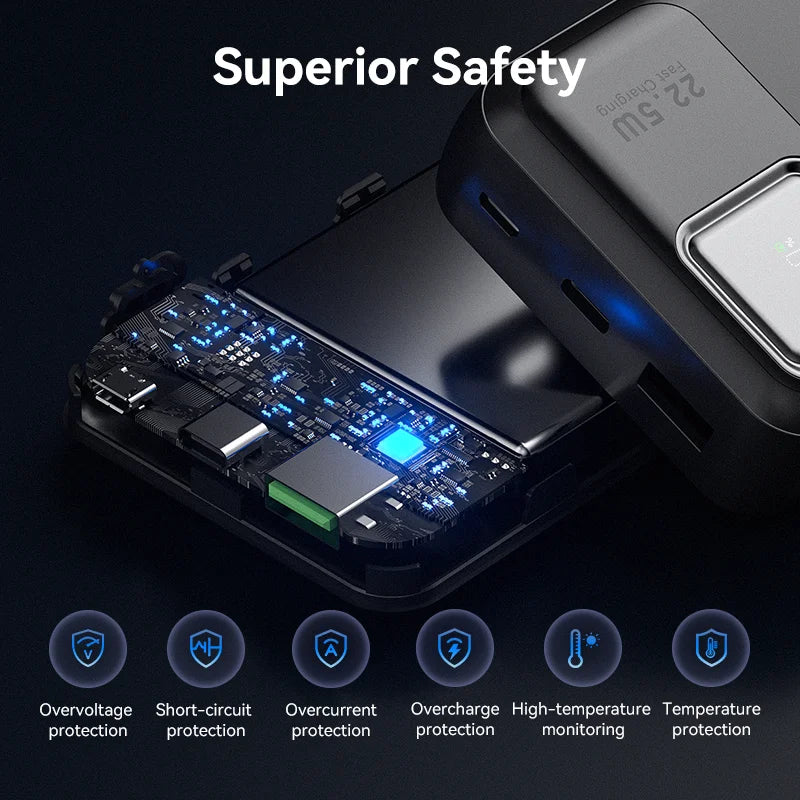
- Multiple safety protections against overheating
- High-quality lithium battery cells
- Airline-friendly size for travel convenience
- Reliable brand reputation and charging certification
Portable charging becomes even more important during camping trips where outlets may be unavailable for days.
Travelers often combine power banks with Emergency Lighting and Lightweight Daypacks to stay prepared during hikes and long-distance road trips.
💡 See it in action
How mAh Fast Charging Power Bank Capacity Affects Performance
A higher mAh fast charging power bank can recharge devices more times before needing a refill itself. However, capacity alone does not guarantee faster performance.
Understanding mAh Ratings
- 5,000mAh: Light daily backup
- 10,000mAh: Weekend travel use
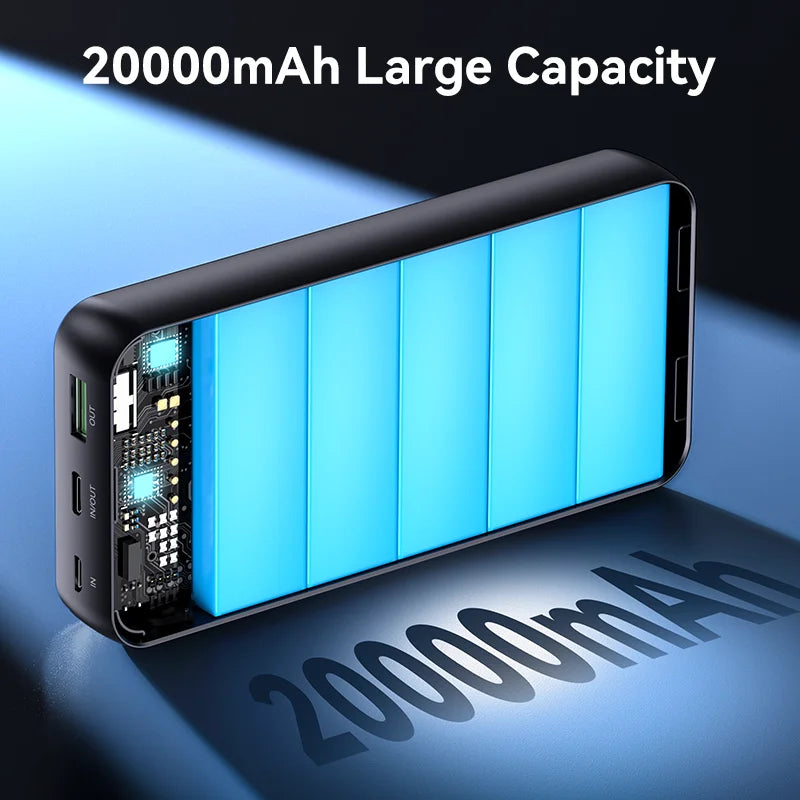
- 20,000mAh: Multi-device outdoor trips
- 30,000mAh+: Extended camping or emergency backup
Many travelers prefer 20,000mAh models because they balance portability with strong charging endurance.
That’s especially useful for people carrying cameras, GPS devices, headlamps, and smartphones simultaneously.
Capacity vs Charging Speed
Some large-capacity power banks charge slowly despite impressive battery size. Output wattage matters just as much as capacity.
A smaller 20W fast charger may outperform a huge low-output battery pack in real-world convenience.
| Power Bank Type | Best Use Case |
|---|---|
| Compact 10,000mAh | Daily commuting |
| 20,000mAh fast charging | Travel and hiking |
| Large-capacity outdoor battery | Camping and emergencies |
For longer adventures, many users also pack gear from Camping Storage & Boxes and Waterproof & Dry Bags to protect electronics from weather and impact damage.
Common Charging Mistakes That Shorten Battery Lifespan
Fast charging alone rarely destroys batteries quickly. Most battery damage comes from repeated bad habits.
Worst Charging Habits
- Leaving phones in hot vehicles
- Using low-quality charging cables
- Gaming while charging
- Keeping devices at 100% continuously
- Allowing battery to hit 0% regularly
Better Charging Habits
- Use certified chargers and cables
- Charge in cool environments
- Remove thick phone cases if overheating occurs
- Keep charge between 20%-80% when possible
- Store power banks away from direct sunlight
These small habits often make a larger difference than choosing between fast or standard charging.
👉 Get reliable backup power before your next trip or emergency.
Shop the 20000mAh Fast Charging Power Bank for travel, commuting, camping, and daily device protection.
Why Reliable Charging Matters Outdoors
Outdoor travelers depend heavily on phones for navigation, emergency communication, weather tracking, and photography.
A dead battery during a remote hike or road trip can quickly become more than an inconvenience.
Where Fast Charging Helps Most
- Airport layovers with limited charging time
- Road trips between stops
- Camping with limited solar access
- Festivals and outdoor events
- Emergency backup situations
Many campers combine fast charging setups with Tent & Camping Lanterns, Emergency Road Kits, and Foldable Travel Gear for safer outdoor experiences.
Fast Charging Power Bank Reviews and Real User Feedback
Real-world fast charging power bank reviews often focus less on raw speed and more on reliability under pressure.
Common Positive Feedback
- Quick phone recovery before flights
- Reliable backup during camping trips
- Less downtime during navigation use
- Convenient multi-device charging
Most Common Complaints
- Overheating from cheap battery packs
- Inflated mAh marketing claims
- Slow recharge speed for the power bank itself
- Bulky size for lightweight travel
Outdoor users consistently prioritize durability, safe temperature control, and dependable USB-C performance over flashy specifications.
Travelers preparing for extended outdoor use often pair charging gear with Safety, Survival & Emergency equipment and Family Outdoor Bundles for added peace of mind.
💡 See it in action
Final Thoughts
So, is fast charging bad for battery health? Modern charging systems are far safer than older generations, and most long-term battery damage comes from heat, poor charging habits, and low-quality accessories.
For travelers, commuters, and outdoor enthusiasts, fast charging offers major convenience without severe battery penalties when used responsibly.
Choosing reliable charging gear, avoiding overheating, and understanding how battery cycles work can extend device lifespan significantly while keeping you powered wherever the journey leads.
FAQ
Does fast charging reduce battery lifespan?
Fast charging can slightly increase battery wear over many years, mainly because of added heat. However, modern smartphones include protective charging management systems that greatly reduce long-term damage.
Is it safe to use fast charging every day?
Yes. Most current smartphones are designed for regular fast charging use. Problems usually occur when devices overheat or when low-quality chargers are used.
What size mAh fast charging power bank is best for travel?
A 20,000mAh fast charging power bank is a popular balance between portability and charging capacity. It can usually recharge a smartphone multiple times during trips or outdoor activities.
Does charging overnight damage the battery?
Modern phones automatically stop charging at full capacity and manage power intelligently. Heat buildup is generally a bigger concern than overnight charging itself.
Are cheap fast chargers dangerous?
Low-quality chargers may lack proper temperature regulation and voltage protection. Certified chargers from trusted brands are much safer for long-term battery health.
Pillar Article: Best Portable Charger For International Travel: Top Picks Compared
Other Related Articles:
- Power Bank Solar 50000Mah Review: Is It Worth Outdoor Trips?
- Highest Mah Portable Power Bank: 20000 Vs 50000Mah Tested
- Best Usb C Powerbank Compared: Fast Charging Options Ranked
- Ultra Slim Powerbank Vs Bulk Chargers: Which Wins Travel?
Explore More:





