

Running Out Of Battery Hiking: Step-By-Step Charging Fixes
What should you do when running out of battery hiking?
Running out of battery hiking can leave you without maps, emergency contact, or navigation tools, so quick action matters. The primary keyword running out of battery hiking refers to managing and preventing device shutdown on trails. Immediately switch to low-power mode, reduce screen brightness, close apps, and prioritize essential functions like GPS or SOS communication.
- Activate battery saver mode immediately.
- Turn off Bluetooth, Wi-Fi, and background apps.
- Reduce screen brightness to the lowest usable level.
- Use airplane mode when signal is not needed.
- Connect to a backup power source if available.
Running Out Of Battery Hiking: Step-By-Step Charging Fixes
⏱ 5 min read
Ever been deep on a trail, halfway through a breathtaking view, only to see your phone drop to 5%? Running out of battery hiking can quickly turn excitement into stress, especially when you rely on your device for maps, photos, or safety. What gear actually makes camping easier? The right preparation and charging strategy can completely change your outdoor experience.
Explore smarter outdoor setups that help you stay powered, safe, and connected even on long trails.
💡 See it in action
Why Running Out Of Battery Hiking Happens on Trails
Most hikers underestimate how quickly phones drain outdoors. Cold weather, GPS tracking, camera use, and weak signals all force devices to work harder. Running out of battery hiking often happens faster on remote trails where your phone constantly searches for reception.
Even simple tasks like checking maps or taking photos can significantly reduce battery life when repeated throughout the day.
| Cause | Impact on Battery |
|---|---|
| GPS Navigation | High continuous drain |
| Cold Weather | Battery efficiency drops |
| Weak Signal | Constant searching uses power |
How to Prevent Running Out of Battery Hiking Before You Start
Preparation is your strongest defense against running out of battery hiking. A few simple habits before you leave can extend your device life significantly and reduce stress on the trail.
- Fully charge all devices before leaving.
- Download offline maps and playlists.
- Carry a backup charging solution.
- Reduce unnecessary apps and notifications.
Many hikers also pack essentials from Portable Power Banks to ensure backup energy is always available.
Avoid common mistakes that lead to dead devices and missed navigation.
Step-by-Step Fixes When Your Battery Is Low
If you’re already deep on the trail and facing running out of battery hiking, act quickly. These steps help you stretch every remaining percent until you reach safety or a recharge point.
- Switch to airplane mode immediately.
- Close all background apps.
- Lower brightness to minimum usable level.
- Use GPS only when absolutely needed.
- Stop unnecessary photo or video use.
Small adjustments can add hours of extra survival time for your device.
Portable Power Bank Solution for Camping and Hiking
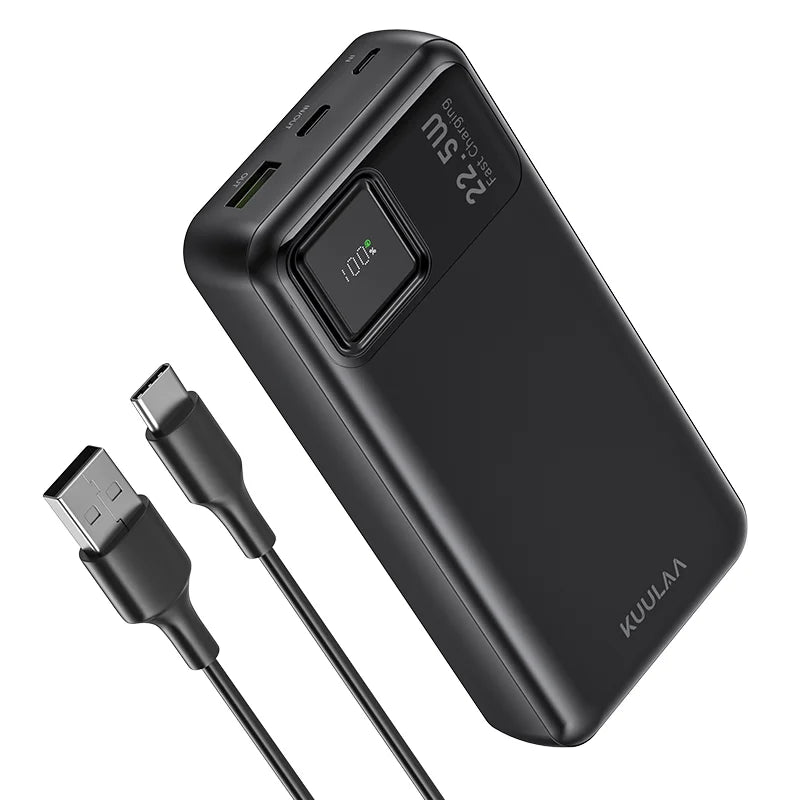
The most reliable defense against running out of battery hiking is carrying a backup power source. A high-capacity charger ensures your phone, GPS, or flashlight stays active even on multi-day trips.
One popular option is the 20000mAh Fast Charging Power Bank, designed for long outdoor use and fast emergency charging when you need it most.
Pairing your setup with gear from Lighting & Power ensures you’re always prepared for extended outdoor conditions.
Stay powered on every trail and avoid the stress of unexpected shutdowns.

💡 See it in action
Outdoor Phone Charging Safety Tips
Charging outdoors requires care to avoid damage or hazards. Running out of battery hiking often leads people to unsafe charging habits, especially in wet or cold conditions.
- Avoid charging in direct rain or snow.
- Keep devices dry using protective cases.
- Do not overheat devices in direct sunlight.
- Use certified charging cables only.
For more rugged protection, explore Weather Protection & Environment solutions designed for outdoor durability.
Essential Packing Checklist for Battery Safety
| Item | Purpose |
|---|---|
| Power bank | Emergency charging backup |
| Charging cable | Device compatibility |
| Waterproof pouch | Protect electronics |
| Offline maps | Navigation without signal |
Many hikers combine these essentials with items from Camping Storage & Boxes for organized packing.
Real Hiking Scenarios and How to Fix Battery Issues
Imagine hiking a mountain trail and your phone hits 10%. You still need maps for descent. Instead of panicking, switch to airplane mode, reduce usage, and conserve power for navigation only.
Experienced hikers often report that a simple backup charger saved their trip when running out of battery hiking became unavoidable in remote areas.
- Scenario 1: GPS failure mid-trail → switch to offline maps.
- Scenario 2: Cold weather shutdown → warm device inside jacket.
- Scenario 3: Full drain risk → use power bank immediately.

💡 See it in action
Stay Powered and Confident on Every Trail
Running out of battery hiking doesn’t have to ruin your outdoor experience. With the right preparation, smart power usage, and reliable backup charging, you can stay connected, safe, and focused on the adventure instead of worrying about your device.
Make every hike smoother by planning your power strategy before you step onto the trail.
FAQ: Running Out Of Battery Hiking
Why does my phone drain faster while hiking?
GPS use, weak signals, and cold weather all increase battery consumption, especially in remote areas.
What is the best way to prevent battery loss?
Use airplane mode when possible, reduce brightness, and carry a portable power bank for emergencies.
Can cold weather damage phone batteries?
Cold temperatures reduce efficiency temporarily, causing faster battery drops until the device warms up.
Is a power bank necessary for day hikes?
Yes, even short hikes can extend unexpectedly, making backup charging a reliable safety measure.
Pillar Article: How To Keep Phones Charged: Simple Travel Power Guide
Other Related Articles:
- Charging Multiple Devices On Vacation: Easy Setup Guide
- Usb C Versus Micro Usb Charging: How To Switch Easily
- Dead Phone During Family Road Trips: How To Prevent It Fast
Explore More:





