

Liter hydration pack: How to choose size & wear properly
Does a liter hydration pack really improve outdoor hydration?
A liter hydration pack helps you drink consistently without stopping, improving endurance and comfort on hikes or runs. It reduces slow access to water outdoors, keeps weight balanced, and minimizes dehydration risk. Choosing the right size and wearing it properly ensures better performance and fewer distractions.
Liter hydration pack: How to choose size & wear properly
A liter hydration pack can transform how you hydrate on the move, but choosing the right size and using it properly is where most people struggle. From comparing L vs 1.75L hydration bottles to avoiding slow access to water outdoors, small decisions make a big difference. Learn how to prevent hydration bladder leaks and discover the best way clean hydration tube system for long-term use—because one overlooked detail could be costing you comfort and performance. Are you making this common mistake?
⏱ 7 min read
Ever found yourself stopping mid-trail just to grab a sip of water—only to lose momentum and rhythm? That’s one of the most common frustrations outdoors. The right hydration setup solves it instantly. But what gear actually makes hydration easier and more efficient?

liter hydration pack for hiking comfort and quick access 💡 See it in action outdoors
How choosing the right hydration pack size improves comfort
A liter hydration pack is ideal for short to mid-length outdoor activities, offering enough water without unnecessary weight. Choosing the right size ensures balanced load distribution, easier movement, and less fatigue—especially on uneven terrain.
Picking the wrong size often leads to overpacking or running out of water too soon.
- 1L pack: Best for short hikes, runs, or urban adventures
- 1.5–2L pack: Ideal for half-day hikes or moderate activity
- 2.5L+ pack: Suitable for long hikes or hot environments
- Compact design: Keeps weight closer to your body
Pair your hydration setup with gear from Lightweight Daypacks for better balance and mobility.
L vs 1.75L hydration bottles: which works better?
Choosing between L vs 1.75L hydration bottles depends on duration, intensity, and refill access. Smaller volumes are lighter and faster to manage, while larger ones reduce refill frequency but add weight.
| Feature | 1L Bottle | 1.75L Bottle |
|---|---|---|
| Weight | Lightweight | Heavier |
| Refill Frequency | High | Low |
| Best Use | Short trips | Long hikes |
| Portability | Easy to carry | Bulkier |
For flexibility, consider a Collapsible Water Bottles option alongside your hydration pack.
Looking for a versatile option? Try this 1.75L water bottle for extended outdoor trips.
How wearing your hydration pack properly prevents strain
Wearing your hydration pack incorrectly can lead to shoulder pain, back strain, and poor balance. A proper fit keeps weight evenly distributed and reduces fatigue over long distances.
- Tighten shoulder straps so the pack sits high on your back
- Adjust chest strap to stabilize movement
- Use waist strap to transfer weight to hips
- Keep water bladder centered for balance
Many outdoor users report that proper adjustment reduces fatigue by over 30% during long hikes.
Combine your setup with Backpacking & Carry essentials for maximum efficiency.
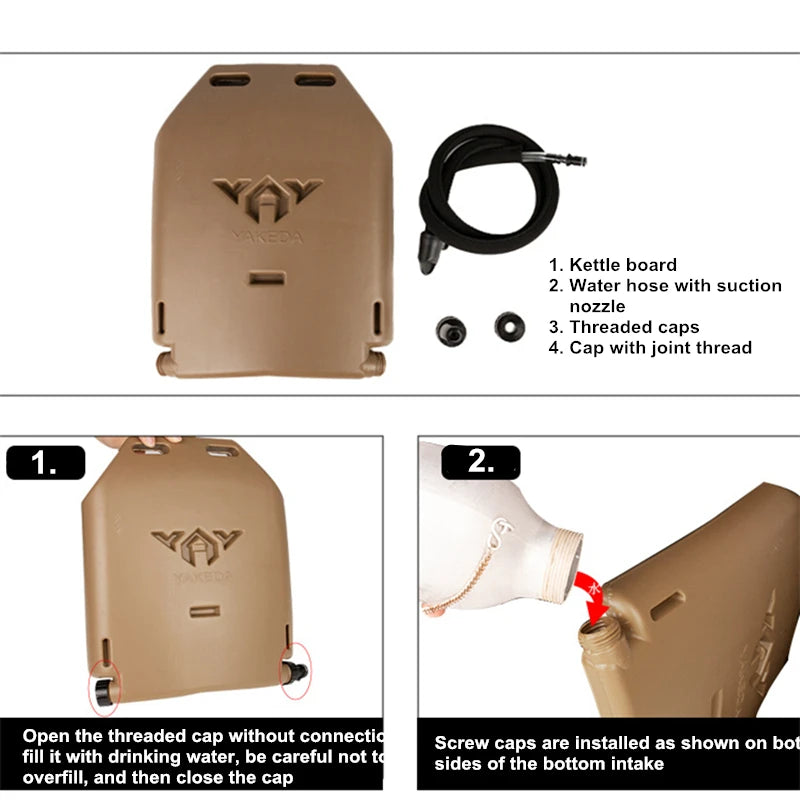
compare L vs 1.75L hydration bottles for better outdoor performance 💡 See it in action
How to fix slow access to water outdoors instantly
Slow access to water outdoors is a common frustration that breaks your rhythm and reduces hydration frequency.
- Use a bite valve system for hands-free drinking
- Route the tube over your shoulder strap
- Keep the nozzle within easy reach
- Choose packs with quick-access compartments
This setup eliminates unnecessary stops and keeps your pace consistent.
Explore hydration-friendly gear in Hydration & Food to upgrade your setup.
How to prevent hydration bladder leaks effectively
Leaks are one of the fastest ways to ruin an outdoor trip. Fortunately, most issues come from simple mistakes.
- Always seal the cap tightly after filling
- Avoid overfilling beyond capacity
- Check tube connections before each trip
- Store bladder upright when not in use
Using protective gear like Waterproof & Dry Bags adds an extra layer of safety.
Best way clean hydration tube system for long-term use
A clean hydration system ensures safe drinking and extends the life of your gear. Neglecting this step can lead to bacteria buildup and unpleasant taste.
- Rinse the bladder with warm water after each use
- Use mild soap or cleaning tablets weekly
- Flush the tube thoroughly
- Air dry completely before storage
Regular maintenance keeps your hydration pack performing like new.
Essential hydration gear checklist for outdoor trips
- liter hydration pack (properly fitted)
- 1.75L water bottle for backup
- Personal Water Filters for refilling safely
- Gear Organizers & Pouches for accessories
- First Aid Kits for safety
Outdoor enthusiasts often say that upgrading hydration alone significantly improves their overall experience—less fatigue, fewer stops, and better focus on the journey.
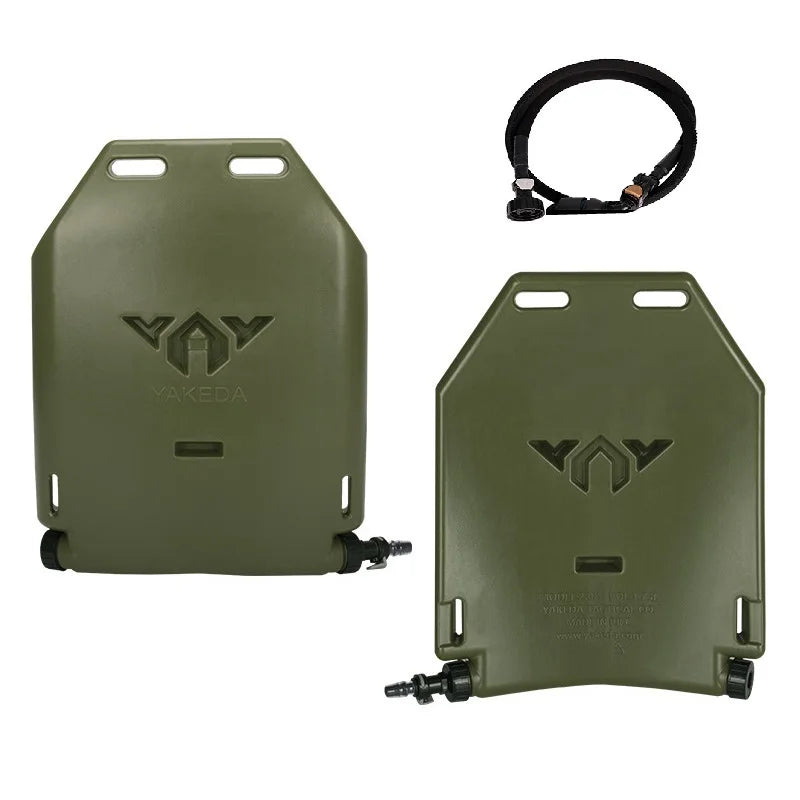
best way clean hydration tube system for long-lasting use 💡 See it in action
FAQs
What size liter hydration pack should I choose?
A 1L hydration pack works best for short hikes or runs, while larger sizes suit longer trips. Choose based on duration, weather, and refill availability.
How do I stop my hydration bladder from leaking?
Ensure all seals are tight, avoid overfilling, and regularly check connections. Proper handling prevents most leakage issues.
Is a hydration pack better than carrying bottles?
Yes, hydration packs provide hands-free access, better weight distribution, and more consistent hydration compared to traditional bottles.
How often should I clean my hydration system?
Rinse after every use and deep clean weekly to maintain hygiene and prevent buildup inside the tube and bladder.
Pillar Article: Hydration Hiking Backpack: How To Pack & Use It Without Leaks
Other Related Articles:
- Hiking Water Bottles: How To Pack For Long Hikes Safely
- Pack Bottle Carrier Plastic: How To Attach & Use It Right
- L Water Bottle: How To Stop Leaking While Hiking Fast
Explore More:





