

Hydration Hiking Backpack: How To Pack & Use It Without Leaks
What is a liter hydration pack and how do you choose the right size?
A liter hydration pack is a wearable water system that uses a soft bladder and tube for hands-free drinking. Choosing the right size depends on activity length, climate, and effort level—most hikers need 1–2 liters for short trips and 2–3 liters for longer or hotter conditions to avoid dehydration and frequent refills.
Liter hydration pack: How to choose size & wear properly
A liter hydration pack can transform how you hydrate on the move, but choosing the right size and using it properly is where most people struggle. From comparing L vs 1.75L hydration bottles to avoiding slow access to water outdoors, small decisions make a big difference. Learn how to prevent hydration bladder leaks and discover the best way clean hydration tube system for long-term use—because one overlooked detail could be costing you comfort and performance. Are you making this common mistake?
⏱ 8 min read
Ever stopped mid-hike, digging through your bag for water, only to realize you're already thirsty? That delay adds up fast—especially in heat or on steep trails.
👉 Discover must-have camping gear that keeps hydration simple and stress-free on every trip.
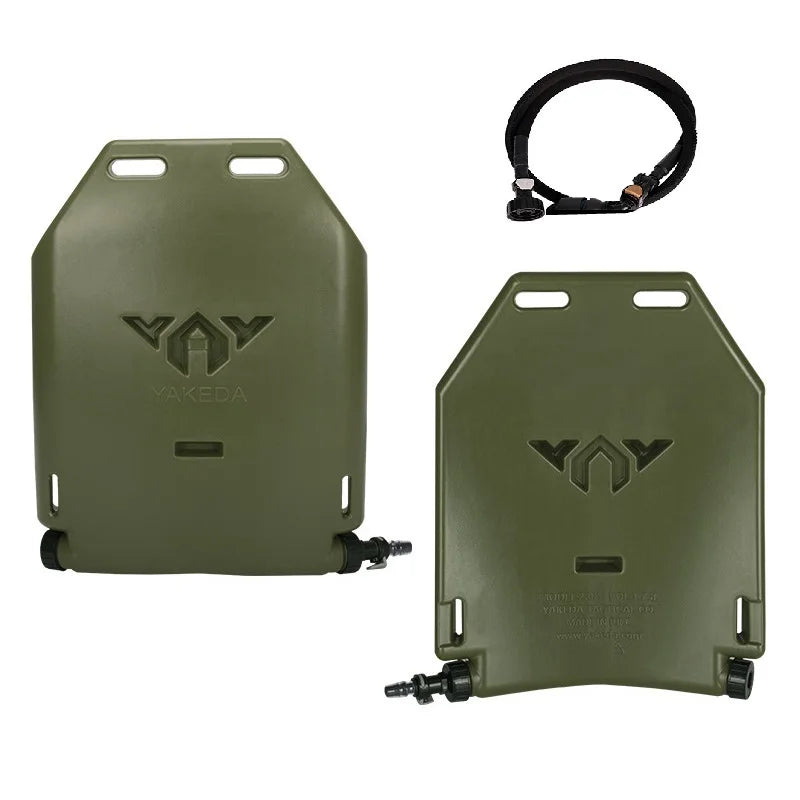
liter hydration pack setup for hiking efficiency 💡 See it in action outdoors
Choose the right hydration pack size for your adventure
A liter hydration pack works best when the capacity matches your trip. Too small, and you're rationing water. Too big, and you're carrying unnecessary weight.
Simple sizing guide based on activity
- Short hikes (1–2 hours): 1L–1.5L
- Half-day hikes (2–4 hours): 1.5L–2L
- Full-day hikes (4–8 hours): 2L–3L
- Hot weather or high intensity: Always size up
Key factors that affect your choice
- Temperature and humidity
- Trail difficulty and elevation
- Your sweat rate
- Access to refill points
Many hikers underestimate how quickly dehydration impacts performance. A properly sized hydration pack eliminates that risk.
For added flexibility, pair your system with Collapsible Water Bottles to carry backup water without bulk.
L vs 1.75L hydration bottles: which is better?
Understanding the difference between standard liter systems and 1.75L options helps you avoid running out of water—or overpacking.
| Capacity | Best For | Pros | Cons |
|---|---|---|---|
| 1L | Short hikes, urban walks | Lightweight, compact | Limited water supply |
| 1.75L | Moderate hikes, warm weather | Balanced capacity and weight | Slightly heavier |
| 2–3L | Long hikes, remote trails | Maximum hydration | Bulkier, heavier |
If you're unsure, a 1.75L option offers the best middle ground for most outdoor scenarios.
Need extra storage? Explore Backpacking & Carry solutions to organize your gear efficiently.
How to wear a hydration pack for all-day comfort
A poorly fitted pack causes shoulder strain, bouncing, and fatigue. Proper adjustment makes hydration effortless.
- Start with shoulder straps: Tighten until snug, not restrictive
- Adjust chest strap: Keeps pack stable and centered
- Position bladder high: Prevents sagging and improves flow
- Route the tube correctly: Over shoulder for easy reach
- Balance weight: Add gear evenly inside compartments
When worn correctly, your hydration pack should feel like part of your body—not extra weight.
👉 Learn how to choose the right hiking gear and eliminate discomfort on every trail.
Fix slow access to water outdoors instantly
Slow access to water outdoors is one of the biggest hydration mistakes. If drinking requires stopping, you’ll drink less.
Common causes
- Poor tube placement
- Weak bite valve flow
- Air trapped in the line
- Loose or kinked tubing
Quick fixes that work
- Clip the tube to your chest strap
- Prime the hose before starting
- Replace low-flow valves
- Keep tubing straight and untangled
Hydration should be automatic—not something you think about.
For long adventures, consider pairing with Personal Water Filters to refill safely anywhere.
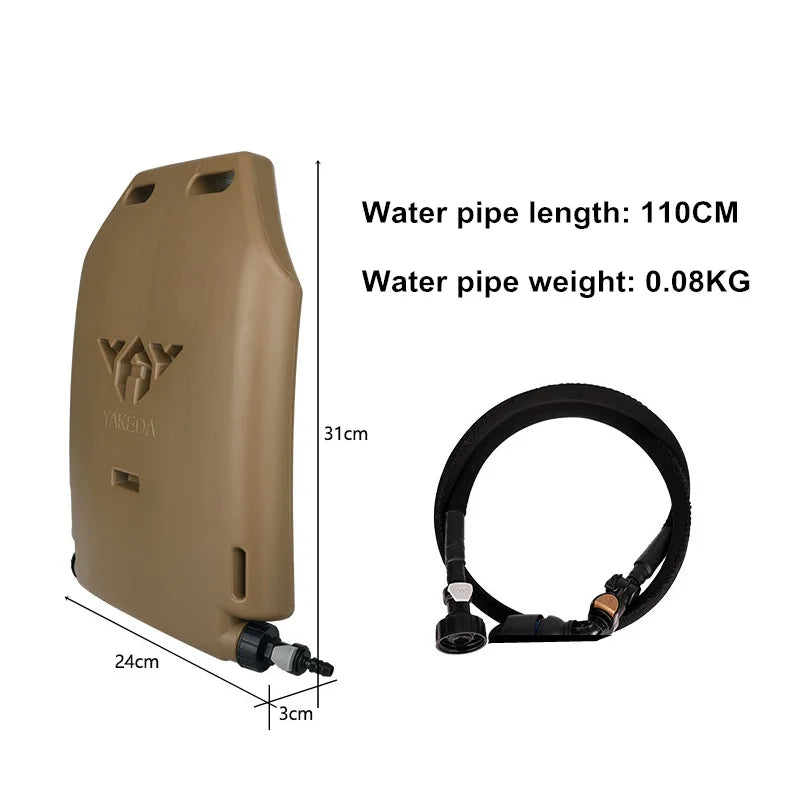
avoid slow access to water outdoors with optimized setup 💡 See it in action outdoors
How to prevent hydration bladder leaks
Leaks can ruin your gear and leave you without water. The good news? Most leaks are preventable.
Top causes of leaks
- Loose hose connections
- Worn-out seals
- Overfilled bladder
- Improper closure
Step-by-step leak prevention
- Check all seals before filling
- Close the bladder tightly
- Don’t exceed max capacity
- Test for leaks before packing
- Store upright inside your pack
Many experienced hikers recommend storing the bladder in a separate compartment or pairing it with Waterproof & Dry Bags for extra protection.
Best way clean hydration tube system for long-term use
Cleaning your hydration system keeps water fresh and prevents bacteria buildup. Neglecting this step leads to bad taste and potential health issues.
Simple cleaning routine
- Rinse with warm water after every use
- Use mild soap or cleaning tablets weekly
- Scrub tube with a cleaning brush
- Air dry completely before storage
- Store in a cool, dry place
Pro tips for better hygiene
- Freeze the bladder between uses to prevent mold
- Use baking soda for odor removal
- Clean immediately after sugary drinks
Pair your cleaning routine with smart storage using Gear Organizers & Pouches to keep everything in one place.
Quick hydration packing checklist
Before heading out, run through this simple checklist:
- ✔ Correct hydration pack size for your trip
- ✔ Bladder filled and sealed properly
- ✔ Tube positioned for easy access
- ✔ Backup water option (like a 1.75L bottle)
- ✔ Cleaning kit for multi-day trips
Many hikers report better endurance and fewer breaks simply by optimizing hydration setup—small changes, big results.
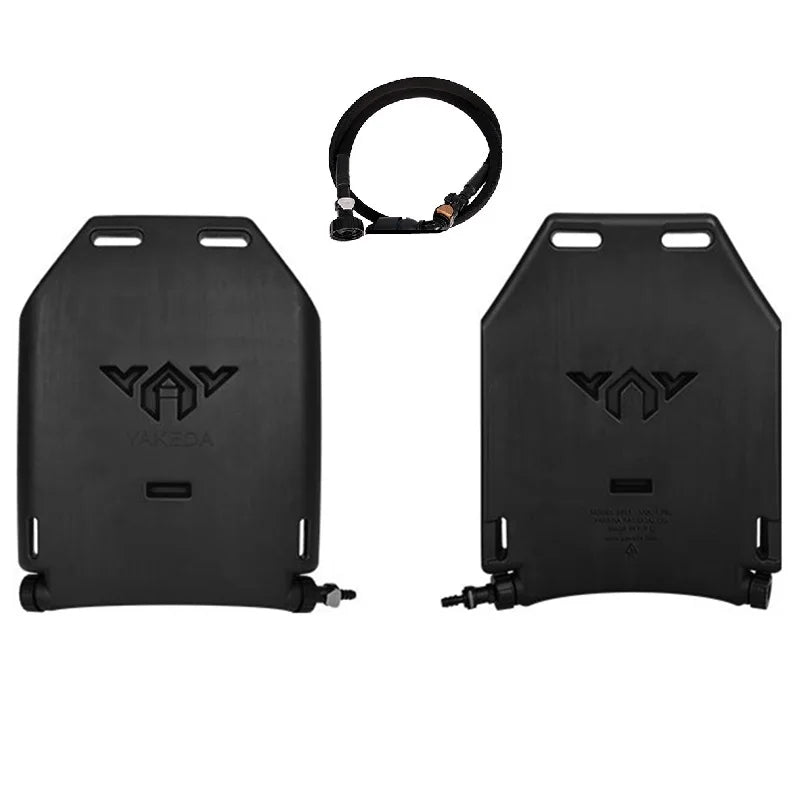
prevent bladder leaks and stay hydrated longer 💡 See it in action outdoors
Why this hydration setup works better outdoors
A liter hydration pack simplifies how you drink water on the move. It reduces interruptions, keeps your hands free, and ensures consistent hydration. Compared to traditional bottles, it improves efficiency, comfort, and overall outdoor performance—especially during long hikes or hot conditions.
👉 Get yours now before your next trip! Stay prepared, hydrated, and comfortable on every adventure.
FAQs
How much water should I carry in a hydration pack?
Most hikers need 0.5 to 1 liter per hour depending on weather and intensity. For typical hikes, a 1.5L–2L hydration pack is sufficient, while longer or hotter trips may require 2–3 liters.
Is a hydration pack better than water bottles?
Yes, for active movement. Hydration packs allow hands-free drinking, faster access, and better consistency. Bottles work well as backup or for shorter trips.
How often should I clean my hydration system?
Rinse after every use and deep clean at least once a week. If you use anything other than water, clean immediately to prevent residue and bacteria buildup.
Can hydration bladders leak easily?
Leaks are uncommon when properly maintained. Regular seal checks, correct filling, and proper storage prevent most issues.
What’s the biggest mistake people make?
Choosing the wrong size or not adjusting the pack properly. Both lead to discomfort and poor hydration habits on the trail.
Related Articles:
- Hiking Water Bottles: How To Pack For Long Hikes Safely
- Liter hydration pack: How to choose size & wear properly
- Pack Bottle Carrier Plastic: How To Attach & Use It Right
- L Water Bottle: How To Stop Leaking While Hiking Fast
Pillar Articles:





