

Collapsible Lunch Box Vs Foldable Lunch Box: Which Saves More?
Collapsible Lunch Box Vs Foldable Lunch Box: Which Saves More?
Does a collapsible lunch box save more space?
A collapsible lunch box typically saves more storage space than a standard foldable design because it compresses vertically when empty, reducing cabinet and bag bulk. For commuters, campers, travelers, and meal-prep users, the space savings can range from 50% to 70% depending on the container design, making organization easier at home and on the go.
⏱ 8 min read
A collapsible lunch box can transform crowded cabinets, overflowing backpacks, and packed travel bags into more organized spaces. If you've been comparing collapsible containers vs traditional storage boxes, wondering are collapsible lunch boxes worth it, or looking for practical space saving food storage hacks, this guide breaks down the real-world advantages, limitations, and best use cases of each option.
Explore smart packing solutions alongside the collapsible lunch box to reduce clutter and improve organization during travel, workdays, and outdoor adventures.
Have you ever opened a kitchen cabinet only to watch stacks of empty containers tumble out? Or struggled to fit lunch containers into a backpack already packed with gear? These everyday frustrations are exactly why compact food storage designs have become increasingly popular.
💡 See it in action
Quick Comparison: Collapsible Lunch Box vs Foldable Lunch Box
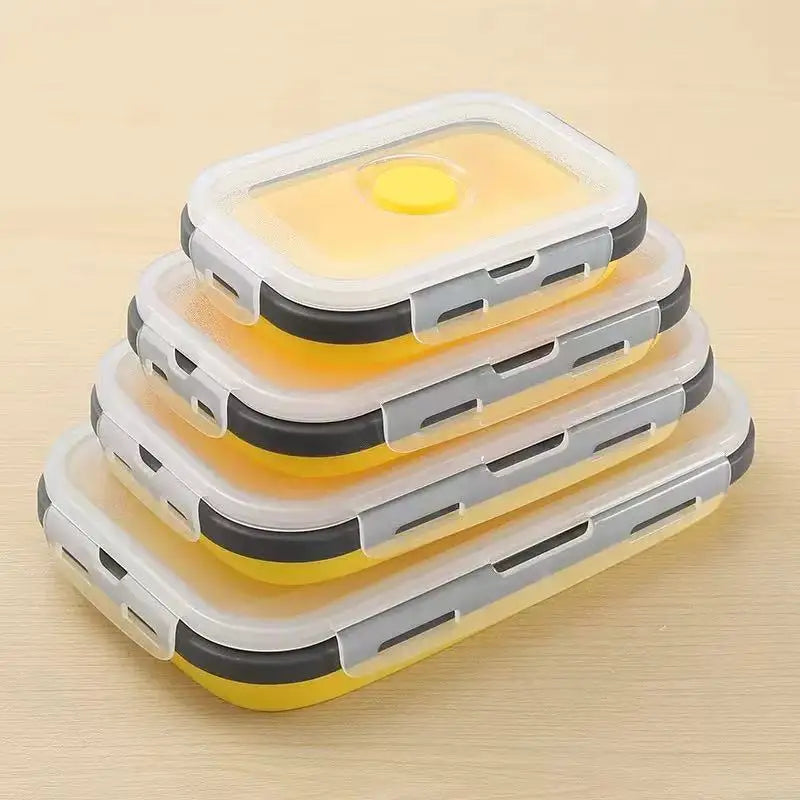
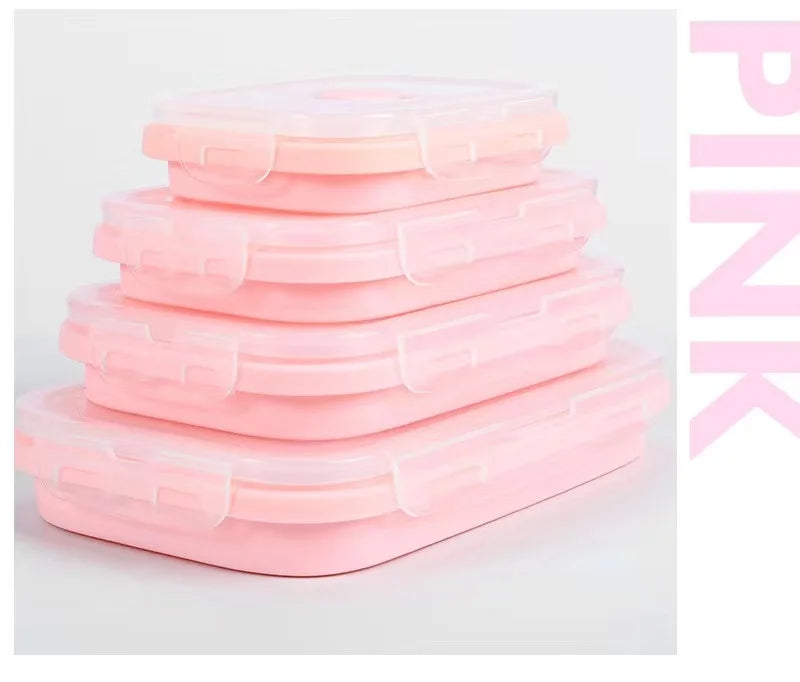
A collapsible lunch box uses flexible materials, usually silicone, allowing the container walls to compress downward. A foldable lunch box typically folds along hinges or flexible panels but often retains more structure when stored.
| Feature | Collapsible Lunch Box | Foldable Lunch Box |
|---|---|---|
| Storage Efficiency | Excellent | Good |
| Cabinet Space Savings | High | Moderate |
| Travel Convenience | Excellent | Good |
| Weight | Lightweight | Varies |
| Meal Prep Suitability | Very Good | Good |
| Stackability When Empty | Excellent | Moderate |
For people focused primarily on reducing storage volume, a collapsible lunch box usually offers the greater advantage.
Why Saving Space Makes Everyday Life Easier
Space is often the hidden cost of food storage. Traditional containers may seem small individually, but a collection of them can consume significant cabinet space.
Whether you're organizing a small apartment kitchen, preparing for road trips, or packing camping equipment, every inch matters.
- More room in kitchen cabinets
- Less clutter in backpacks
- Easier vehicle organization
- Improved meal-prep storage
- Simpler packing for outdoor adventures
Many travelers combine compact food containers with Compression & Packing Bags and Gear Organizers & Pouches to maximize available storage space.
Collapsible Containers vs Traditional Storage Boxes
When discussing collapsible containers vs traditional storage boxes, the biggest distinction is how they behave when empty.
| Storage Type | Empty Size | Portability | Storage Efficiency |
|---|---|---|---|
| Traditional Plastic Box | Full Size | Moderate | Low |
| Glass Container | Full Size | Heavy | Low |
| Foldable Container | Reduced Size | Good | Moderate |
| Collapsible Lunch Box | Highly Compressed | Excellent | High |
Traditional storage boxes remain rigid whether full or empty. This means they occupy the same amount of cabinet space all the time.
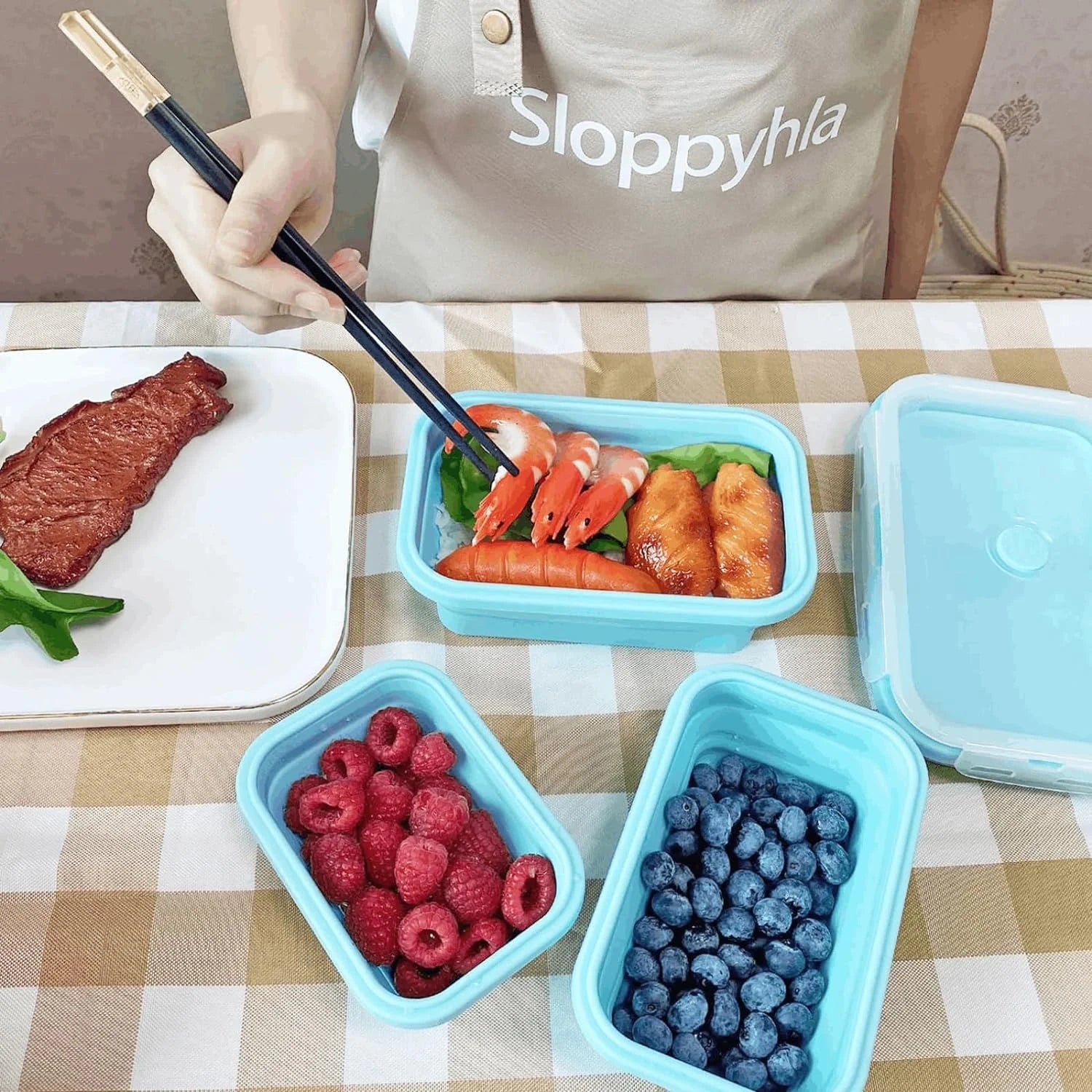
A collapsible lunch box changes size based on use. After lunch, the container can compress significantly, freeing room inside backpacks, tote bags, or travel luggage.
How a Collapsible Lunch Box Improves Daily Routines
A practical design matters more than marketing claims. The true value comes from everyday convenience.
For Daily Commuters
Many office workers carry lunch into work but return home with empty containers. Compressing the container after eating creates more room for gym clothes, documents, or personal items.
For Travel and Road Trips
Travelers frequently face limited luggage capacity. Compact food containers help maximize packing efficiency while keeping snacks and meals organized.
For Camping Adventures
Outdoor enthusiasts often manage food, cookware, lighting, and sleeping gear within limited storage space. Pairing a collapsible lunch box with Food Storage Bags & Containers, Outdoor Cookware, and Camping Storage & Boxes can create a more organized campsite.
Compact storage solutions often work best when combined with organized packing systems and lightweight outdoor equipment.
💡 See it in action
Pros and Cons of Each Design
Collapsible Lunch Box Advantages
- Excellent storage efficiency
- Reduces cabinet clutter
- Easy to transport after meals
- Lightweight construction
- Useful for travel and camping
- Supports minimalist organization
Collapsible Lunch Box Limitations
- May not feel as rigid as hard plastic containers
- Quality varies by material
- Premium models can cost more initially
Foldable Lunch Box Advantages
- Maintains more structure
- Often familiar to traditional container users
- Can be easier to stack when full
Foldable Lunch Box Limitations
- Usually compresses less
- Provides smaller space savings
- Can include hinges or joints that wear over time
Why Outdoor Travelers Prefer Compact Food Storage
Outdoor adventures highlight the value of efficient storage more clearly than everyday home use.
Consider a weekend camping trip. Space must be shared among food, cooking equipment, sleeping gear, lighting, safety supplies, and personal belongings.
Many campers build compact systems using:
- Camping & Picnic
- Hydration & Food
- Lightweight Daypacks
- Foldable Travel Gear
- Car Organizers & Storage
Reducing the size of food containers creates more room for essentials without increasing carrying weight.
Example Packing Scenario
| Item | Traditional Setup | Compact Setup |
|---|---|---|
| Food Containers | Large Empty Volume | Compressed Storage |
| Cookware | Limited Space Remaining | Additional Capacity |
| Emergency Supplies | Tighter Fit | More Organization |
| Travel Accessories | Crowded Bag | Improved Access |
Several campers report that compact containers make post-meal cleanup and packing substantially easier because empty containers no longer dominate storage compartments.
Space Saving Food Storage Hacks That Actually Work
If your goal is maximizing available storage, container choice is only one piece of the puzzle.
1. Store Containers Collapsed
Compress containers immediately after cleaning and drying. This prevents cabinets from filling with unused air space.
2. Group Food Categories
Keep snacks, meal-prep items, and leftovers in dedicated sections for faster access.
3. Use Vertical Storage
Stack compressed containers vertically instead of spreading them across shelves.
4. Combine Packing Systems
Use a collapsible lunch box alongside Collapsible Water Bottles and Backpacking & Carry solutions for greater efficiency.
5. Optimize Vehicle Storage
Road trippers often pair compact food containers with Car Camping Accessories and Travel, Car & Road Trip gear to reduce clutter.
Are Collapsible Lunch Boxes Worth It?
A collapsible lunch box is worth considering for people who prioritize storage efficiency, portability, and organization. Compared with traditional containers, it reduces unused volume when empty, making it especially valuable for commuters, campers, travelers, students, and anyone managing limited kitchen or bag space.
The answer depends on your priorities.
If your primary concern is durability above all else, a rigid container may still appeal to you. However, if cabinet organization, portability, travel convenience, and compact storage matter, collapsible designs often deliver meaningful advantages.
Users frequently highlight several benefits:
- Cleaner cabinet organization
- More efficient meal-prep storage
- Less backpack bulk after lunch
- Improved travel packing flexibility
- Better use of limited living spaces
Customer experience examples include:
- "My lunch bag feels half as crowded after meals."
- "I reclaimed an entire kitchen shelf by replacing bulky containers."
- "Packing for weekend camping trips became noticeably easier."
💡 See it in action
Which Option Saves More?
When comparing a collapsible lunch box and a foldable lunch box, the collapsible design generally provides the greatest reduction in storage volume. It compresses more effectively, travels more efficiently, and helps reduce clutter in cabinets, backpacks, luggage, and vehicles.
For people evaluating collapsible containers vs traditional storage boxes, the biggest advantage is simple: unused space disappears when the container is not in use.
Whether you're meal prepping, commuting, camping, or organizing a small kitchen, compact food storage can make daily routines smoother and more efficient.
Explore the collapsible lunch box and create a more organized system for meals, travel, camping, and everyday storage.
Frequently Asked Questions
Do collapsible lunch boxes leak?
Quality models with secure lids and reliable seals are designed to resist leaks during everyday transport.
How much space can a collapsible lunch box save?
Many designs compress by roughly 50% to 70% when empty, depending on their construction and capacity.
Are collapsible lunch boxes good for camping?
Yes. Their compact storage profile makes them useful for camping, hiking, road trips, and other outdoor activities where space is limited.
What is the difference between collapsible and foldable lunch boxes?
Collapsible designs compress downward to reduce volume significantly, while foldable designs typically fold along panels or hinges and may retain more bulk.
Are collapsible lunch boxes worth it for meal prep?
For many users, yes. They offer storage flexibility, easier organization, and better use of kitchen and travel space compared with traditional containers.
Pillar Article: Bpa Free Lunch Box Containers Review: Which One Wins?
Other Related Articles:
- Compartment Lunch Container Reviews For Balanced Meals
- Space Saving Food Storage Containers Compared: Best Picks
- Top Stackable Meal Prep Containers For A Clutter-Free Fridge
- 7 Best Leak Proof Lunch Containers For Mess-Free Packing
Explore More:





