

Ultralight Tent Weight Explained For Faster Hiking Miles
Ultralight Tent Weight Explained For Faster Hiking Miles
Does ultralight tent weight really improve hiking speed?
Ultralight tent weight reduces strain on your legs, lowers energy burn during steep climbs, and helps hikers maintain a faster pace over long distances. Choosing lightweight camping tents with compact packed sizes and advanced pole materials can improve comfort, reduce fatigue, and make multi-day backpacking trips far more manageable.
⏱ 8 min read
Long hiking days become exhausting fast when your shelter adds unnecessary pounds to your pack. Many backpackers focus on boots and backpacks first, but tent weight often becomes the hidden reason behind sore shoulders, slower trail speed, and drained energy after mile ten. The right lightweight setup changes everything. From fiberglass versus carbon fiber tent poles to packed size and weather protection, this guide explains how smarter shelter choices help hikers move faster, pack easier, and enjoy the trail longer.
Have you ever reached camp feeling exhausted before dinner even started? Many hikers discover the problem is not the trail itself. It is the extra weight hanging from their shoulders all day.
Reducing tent weight by even two pounds can noticeably improve stamina during long climbs, especially when combined with organized gear storage and compact packing systems.
👉 Explore smarter trail setups with Camping Tents & Shelter and lightweight hiking essentials designed for easier travel.
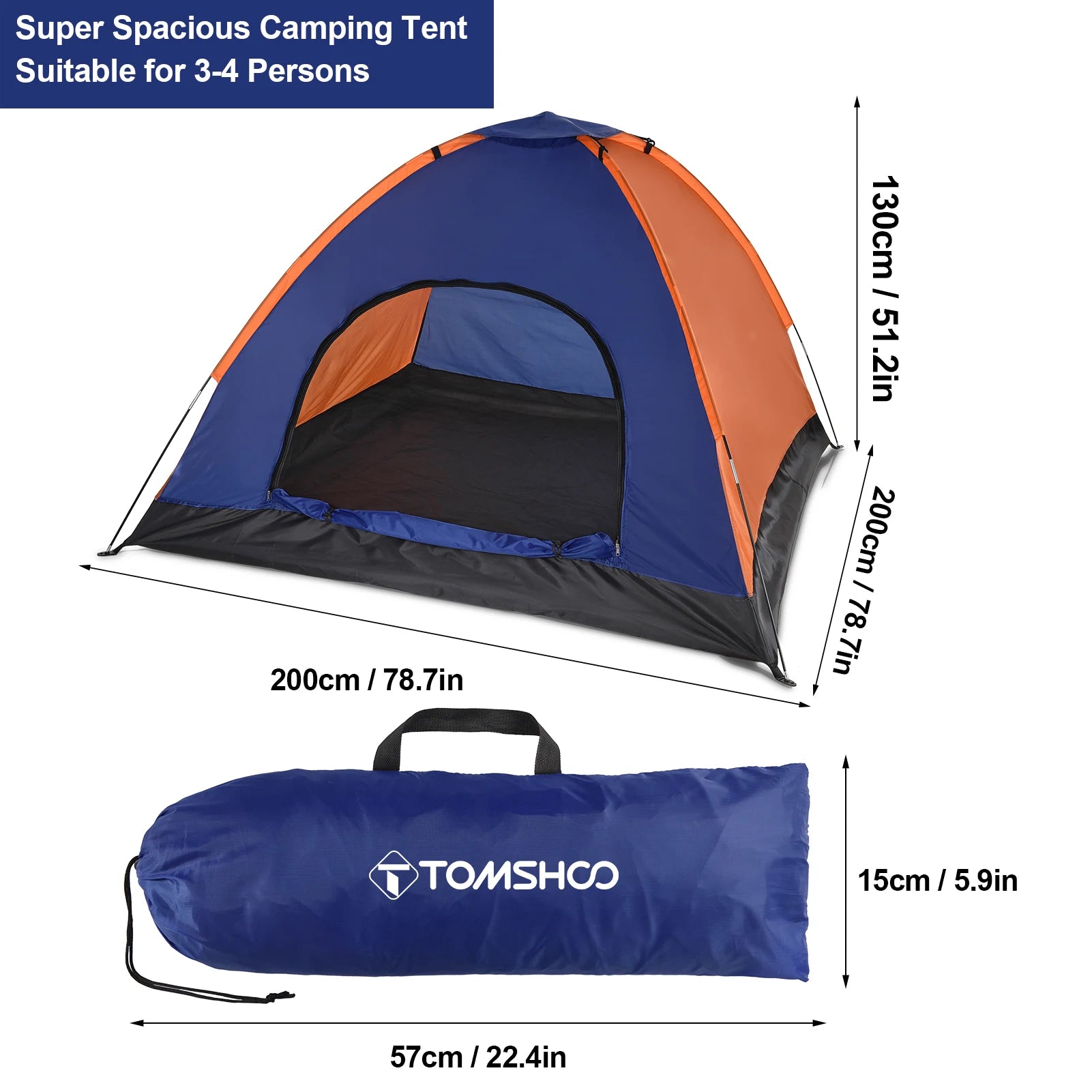
💡 See it in action
Why Ultralight Tent Weight Matters On Long Trails
Ultralight tent weight directly affects hiking speed, endurance, and recovery. Carrying a lighter shelter reduces shoulder pressure, decreases muscle fatigue, and improves balance on uneven terrain. Backpackers who reduce total pack weight often maintain stronger pacing during multi-day trips while experiencing less soreness at camp.
The average backpacking tent can weigh anywhere from 2 to 7 pounds. That difference feels small at the trailhead but becomes massive after several hours of climbing, river crossings, and steep descents.
How Extra Weight Impacts Hiking Performance
- Increases calorie burn faster
- Causes earlier muscle fatigue
- Slows uphill hiking pace
- Creates more shoulder and hip strain
- Reduces stability on technical trails
- Makes recovery slower at camp
Many experienced hikers now prioritize ultralight shelters before upgrading backpacks or trekking poles because shelter weight contributes heavily to total carried load.
| Tent Weight | Typical Trail Experience | Best Use |
|---|---|---|
| Under 3 lbs | Fast hiking and long mileage | Backpacking and thru-hiking |
| 3–5 lbs | Balanced comfort and portability | Weekend hiking trips |
| Over 5 lbs | Heavier pack fatigue | Car camping |
Pairing a lighter shelter with organized storage from Compression & Packing Bags also helps reduce wasted space and improve weight distribution.
How To Choose Lightweight Camping Tents Without Sacrificing Comfort
Choosing lightweight camping tents means balancing portability with durability, weather resistance, ventilation, and livable interior space. The best easy carry camping tent for travel should feel stable during storms while remaining compact enough for efficient backpack organization.
Some hikers make the mistake of choosing the lightest option possible without considering comfort during rain, wind, or colder nights.
What To Look For In Lightweight Camping Tents
- Compact packed dimensions for easier backpack storage
- Strong pole construction for wind stability
- Water-resistant rainfly and sealed seams
- Ventilation panels to reduce condensation
- Quick setup design for changing weather
- Balanced floor space without unnecessary bulk
A smart setup often combines lightweight shelters with compact sleeping systems from Sleeping Bags & Sleeping Pads for improved recovery after long trail days.
Backpackers hiking humid or wet environments also benefit from adding gear protection solutions from Waterproof & Dry Bags.
Why Packed Size Matters As Much As Total Weight
A tent may appear light on paper but still create packing frustration if it occupies too much backpack volume.
Smaller packed dimensions improve:
- Load balance
- Access to trail essentials
- Backpack organization
- Mobility on narrow trails
- Overall carrying comfort
That is why experienced hikers compare both trail weight and packed size before buying.
👉 Learn how to build a lighter trail setup with Backpacking & Carry and compact outdoor essentials.
Why A Hard To Pack Camping Tent Slows You Down
A hard to pack camping tent creates constant trail frustration. Bulky shelters reduce storage efficiency, force awkward backpack loading, and waste valuable time during setup and breakdown.
Many backpackers underestimate how much mental energy repetitive packing problems create during long trips.
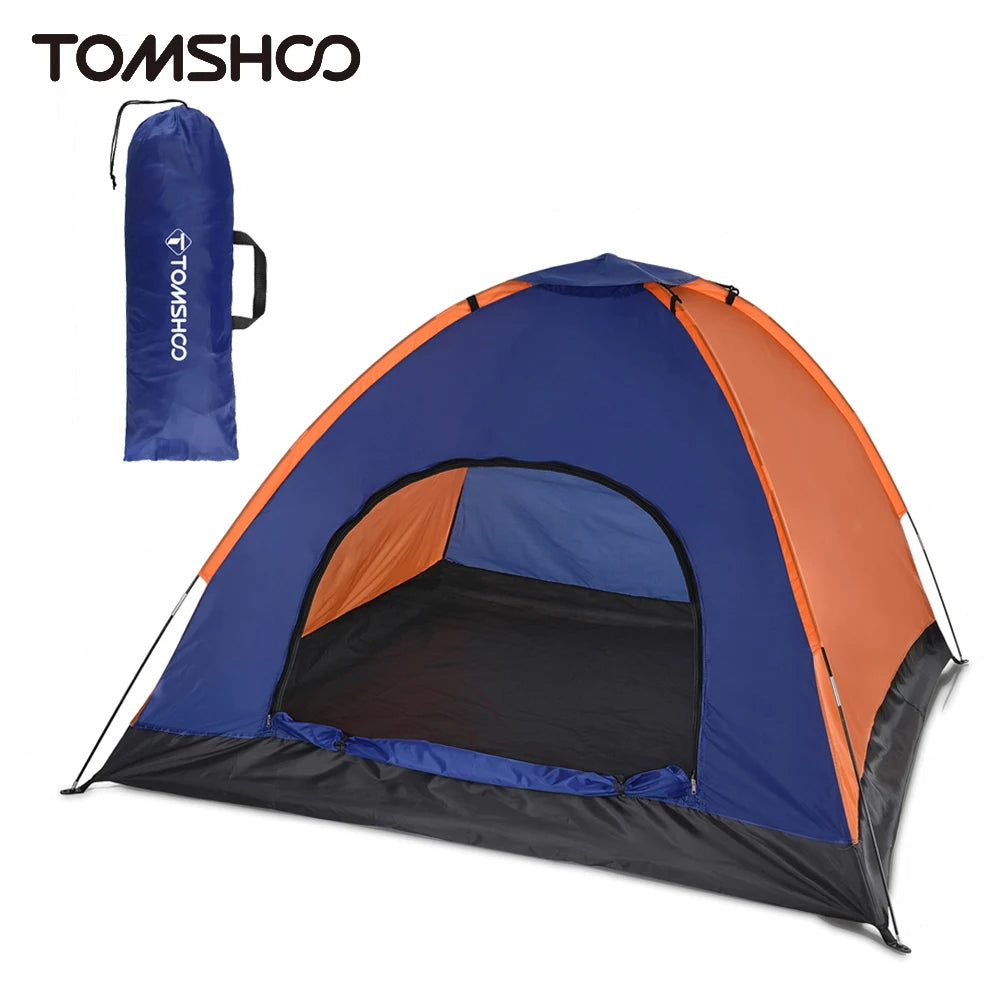
💡 See it in action
Common Problems With Bulky Tent Designs
| Problem | Trail Impact |
|---|---|
| Oversized storage bag | Consumes backpack space |
| Heavy pole systems | Increases shoulder fatigue |
| Slow setup | Wastes daylight during storms |
| Poor weight distribution | Creates imbalance while hiking |
| Excessive fabric bulk | Makes repacking difficult |
Lightweight hikers often combine tents with modular storage tools from Gear Organizers & Pouches to simplify campsite transitions.
For longer trips, hydration efficiency also matters. Compact systems from Hydration & Food help reduce unnecessary carrying weight.
Why Fast Packing Helps On Real Trails
Imagine breaking camp during heavy rain with numb hands and limited daylight. An easy carry camping tent for travel becomes more than convenience at that point. It becomes a major stress reducer.
Quick-packing shelters help hikers:
- Leave camp faster in bad weather
- Reduce trail delays
- Avoid repacking frustration
- Protect dry gear efficiently
- Maintain better hiking momentum
Fiberglass Versus Carbon Fiber Tent Poles Compared
Fiberglass versus carbon fiber tent poles remains one of the biggest decisions for hikers comparing ultralight shelters. Carbon fiber poles reduce overall tent weight significantly while improving strength-to-weight ratio, though fiberglass poles remain more affordable for casual camping trips.
Pole materials heavily influence total carry weight and long-term trail durability.
Fiberglass Tent Poles
Fiberglass remains popular in budget-friendly camping tents because it lowers manufacturing costs.
Advantages:
- Lower price point
- Widely available
- Suitable for casual camping
Drawbacks:
- Heavier overall weight
- More prone to splintering
- Less ideal for repeated backpacking use
Carbon Fiber Tent Poles
Carbon fiber is favored by serious backpackers focused on reducing trail fatigue.
Advantages:
- Extremely lightweight
- Excellent strength-to-weight ratio
- Improves long-distance carrying comfort
- Reduces overall pack strain
Drawbacks:
- Higher cost
- Requires careful handling during impact
| Feature | Fiberglass | Carbon Fiber |
|---|---|---|
| Weight | Heavier | Lighter |
| Strength | Moderate | High |
| Durability | Can splinter | Strong under tension |
| Best For | Casual camping | Backpacking and hiking |
| Price | Lower | Higher |
Backpackers investing in faster travel setups often combine ultralight tents with compact lighting from Headlamps & Wearable Lights to improve campsite efficiency after dark.
👉 Upgrade your shelter system before your next adventure with the 3-4 Person Camping Tent Lightweight.
Features That Improve Hiking Speed And Trail Comfort
The best ultralight shelters do more than reduce pack weight. They improve how hikers move, recover, and adapt throughout changing trail conditions.
Key Features Worth Paying Attention To
- Fast clip-based setup systems
- Compact pole breakdown size
- Dual vestibules for organized gear storage
- Waterproof floor protection
- Ventilation panels for airflow
- Reflective guy lines for nighttime visibility
Weather protection also matters during exposed hikes. Many backpackers carry backup rain systems from Rain Ponchos & Capes alongside ultralight shelters.
Cold-weather hikers often improve sleep quality further using products from Blankets & Sleeping Comfort.
How Better Shelter Design Reduces Fatigue
Fatigue is not caused only by physical effort. Poor gear organization, moisture buildup, slow setup, and bad sleep all contribute to reduced hiking performance.
Efficient shelter systems help hikers:
- Sleep more comfortably
- Recover faster overnight
- Protect gear during storms
- Maintain faster morning routines
- Reduce overall trail stress
That combination often leads to stronger daily mileage and better outdoor experiences.
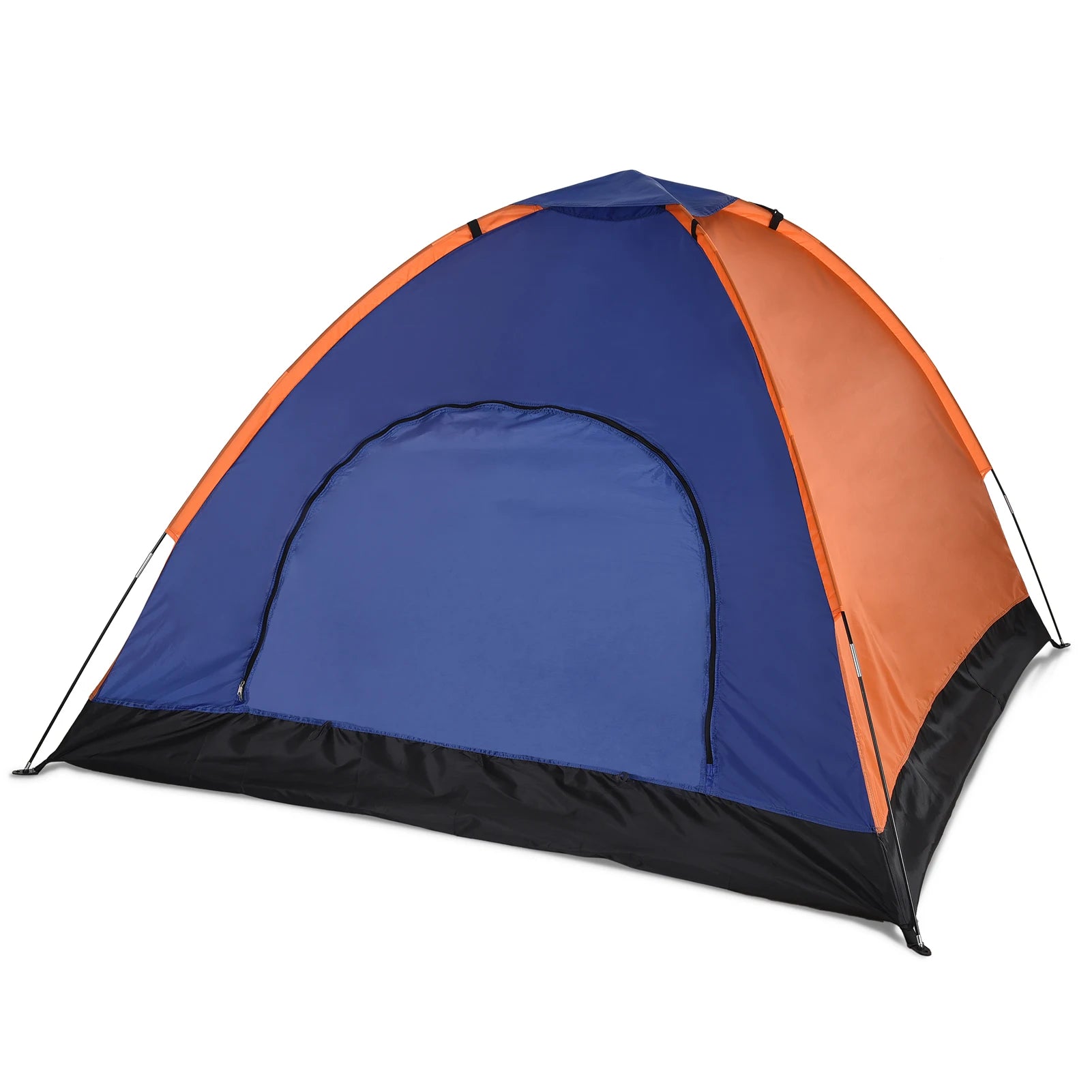
💡 See it in action
Lightweight Backpacking Tent Packing Checklist
Smart hikers reduce unnecessary weight by building efficient systems around their shelter instead of overpacking backup items.
Recommended Lightweight Camping Setup
- Ultralight tent with compact pole system
- Compression sleeping bag
- Compact inflatable pillow
- Lightweight cookware set
- Portable water filtration
- Headlamp for campsite setup
- Weatherproof storage bags
- Compact power bank
Useful companion gear can be found through:
What Backpackers Say After Switching To Lightweight Tents
Backpackers who switch from bulky traditional tents to lightweight systems often describe immediate improvements during multi-day hikes.
"I used to dread uphill climbs after lunch. Dropping tent weight made my pack feel noticeably more manageable by the second day."
"The biggest difference was actually camp setup speed. Packing became faster, mornings became easier, and I stopped wasting energy reorganizing gear."
"I never realized how much my old hard to pack camping tent affected my balance until I switched to a compact setup."
Those small daily improvements add up significantly during longer trips.
Why The Right Lightweight Tent Delivers Better Trail Results
Reducing ultralight tent weight is not about sacrificing comfort. It is about improving efficiency, mobility, and recovery across every mile of the trail.
Choosing lightweight camping tents with compact packed dimensions, stronger pole technology, and faster setup systems creates a smoother hiking experience from start to finish.
Whether you are comparing fiberglass versus carbon fiber tent poles or replacing a hard to pack camping tent, the right shelter investment can dramatically improve long-distance hiking comfort and pace.
👉 Prepare for faster, easier adventures with the 3-4 Person Camping Tent Lightweight before your next hiking trip.
Frequently Asked Questions
What is considered ultralight tent weight?
Most backpackers consider a tent under 3 pounds to qualify as ultralight. Solo shelters may weigh even less, while lightweight two-person tents typically range between 2 and 4 pounds depending on materials and weather protection.
Are lightweight camping tents durable enough for rough weather?
Yes, many modern lightweight camping tents use advanced fabrics and stronger pole systems that provide excellent weather protection while maintaining low weight. Proper setup and campsite selection also improve durability during storms.
Is carbon fiber better than fiberglass for tent poles?
Carbon fiber tent poles are lighter and offer a stronger strength-to-weight ratio, making them ideal for backpacking. Fiberglass poles are more affordable but usually heavier and less suitable for long-distance hiking.
Why does packed tent size matter?
A compact packed tent improves backpack organization, reduces balance issues, and creates easier access to essential gear. Smaller packed shelters also simplify travel and reduce trail frustration during setup and breakdown.
Pillar Article: Best Ultralight Tent For Backpacking Features That Matter Most
Other Related Articles:
Explore More:





