

Best Ultralight Tent For Backpacking Features That Matter Most
Best Ultralight Tent For Backpacking Features That Matter Most
⏱ 12 min read
Does the best ultralight tent for backpacking really make a difference?
The best ultralight tent for backpacking reduces trail fatigue, improves mobility, and helps hikers cover more distance with less strain. A lightweight shelter under five pounds can improve comfort during multi-day trips while still delivering weather protection, ventilation, and durability needed for changing outdoor conditions.
Best ultralight tent for backpacking choices can dramatically improve comfort, speed, and endurance on long trails. Whether you need an ultralight camping tent for backpacking or are comparing the best camping tents under five pounds, understanding weight, durability, and weather protection is essential. Many hikers never realize their backpacking tent too heavy for hiking could be slowing them down until they switch to top rated lightweight camping tents built for efficiency. The smallest design details can completely change your next adventure, but which features truly matter most?
Long climbs feel even longer when your gear constantly fights against you. A heavy shelter may seem manageable at the trailhead, but after miles of elevation gain, every extra pound starts draining energy faster than expected.
What gear actually makes camping easier without sacrificing protection or comfort?
For serious backpackers, the answer often starts with choosing the right ultralight tent. The best models balance packability, weather resistance, livable space, and quick setup while keeping total carry weight low enough to improve hiking efficiency.
👉 Discover must-have camping gear before your next backpacking trip.
Camping Tents & Shelter and Backpacking & Carry collections help reduce trail weight while improving outdoor comfort.
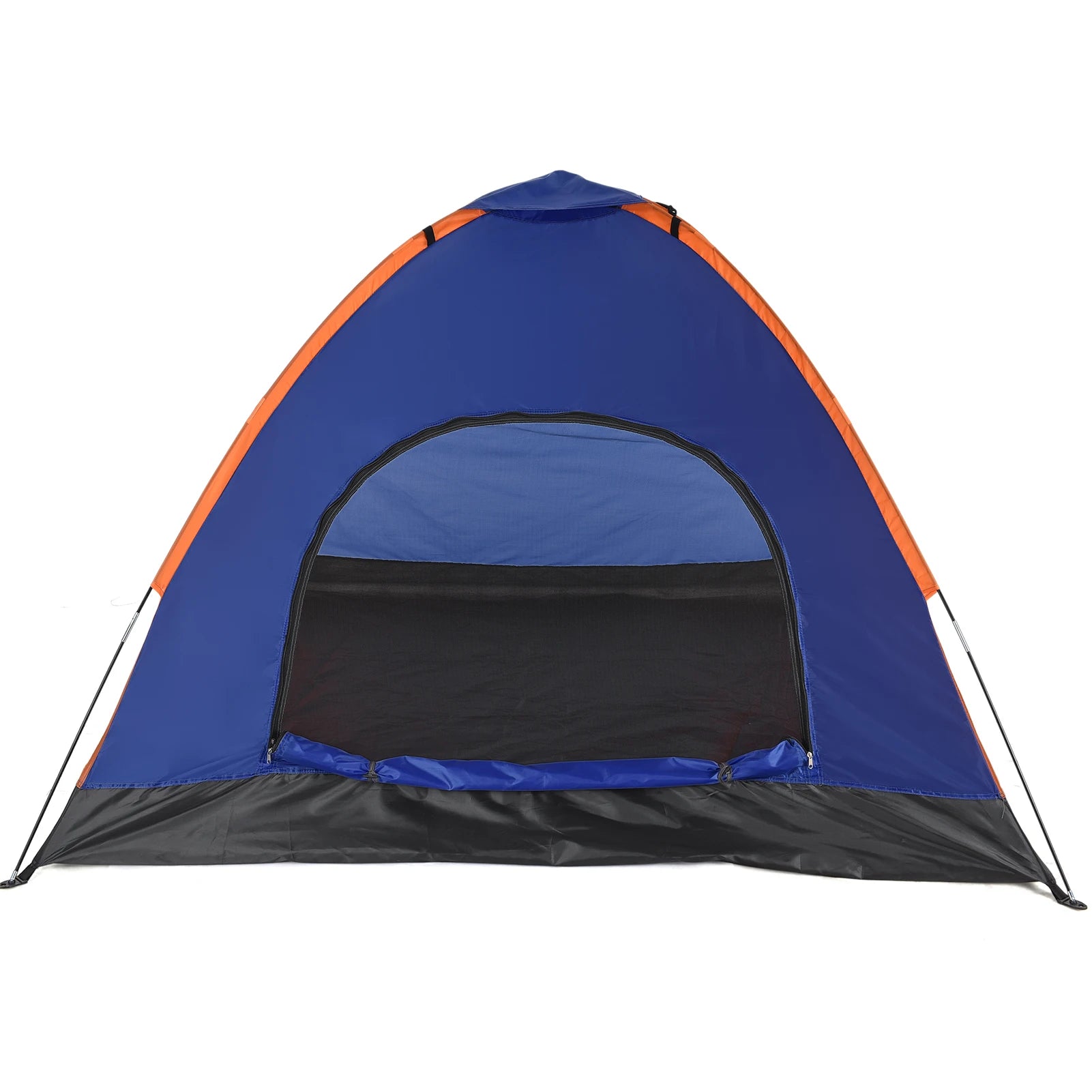
💡 See it in action
Why Lightweight Tents Change Backpacking Performance
The best ultralight tent for backpacking improves hiking efficiency by lowering pack weight without sacrificing protection from rain, wind, or rough terrain. Hikers carrying lighter shelters often move faster, conserve more energy, and experience less shoulder and hip strain during long-distance adventures.
Weight affects nearly every aspect of backpacking performance. When your shelter becomes lighter, the entire hiking experience changes:
- Less fatigue during steep climbs
- Better balance on uneven terrain
- Reduced joint stress over long distances
- More room for food, water, or safety gear
- Faster daily mileage
- Improved recovery after hiking
Many hikers upgrading from traditional tents immediately notice the difference. A backpacking tent too heavy for hiking often causes soreness before camp is even set up.
One Colorado thru-hiker described switching to an ultralight camping tent for backpacking as “the first time my pack stopped feeling like punishment after mile ten.”
Pairing a lighter shelter with compact systems from Compression & Packing Bags and Lightweight Daypacks can dramatically improve trail organization.
Weight Features That Matter Most on Long Trails
Not all lightweight tents perform equally. Some reduce weight while sacrificing durability or weather protection. Others manage to stay under five pounds while still providing livable comfort.
Packed Weight vs Trail Weight
Many shoppers focus only on advertised tent weight, but real-world trail weight matters more.
| Weight Type | What It Includes | Why It Matters |
|---|---|---|
| Packed Weight | Tent, poles, stakes, stuff sacks | Total carrying load |
| Trail Weight | Body, rainfly, poles only | Actual hiking use |
| Minimum Weight | Minimal setup components | Fastpacking efficiency |
The best camping tents under five pounds usually balance full protection with manageable trail weight.
Space-to-Weight Ratio
A tent may be extremely light but still uncomfortable if interior space feels cramped.
Important measurements include:
- Peak height
- Floor dimensions
- Vestibule storage
- Shoulder room
- Door accessibility
Modern top rated lightweight camping tents maximize usable living space through smarter pole geometry and steep sidewalls.
For longer expeditions, combining your shelter with compact solutions from Gear Organizers & Pouches keeps critical items easy to access without overcrowding the tent interior.
Trekking Pole Tent Designs
Some ultralight shelters eliminate dedicated poles entirely by using trekking poles for support.
Benefits include:
- Lower overall pack weight
- Smaller packed size
- Reduced gear redundancy
- Faster minimalist setups
However, freestanding tents still offer advantages on rocky terrain or hard-packed campsites where staking options are limited.
How Better Weather Protection Improves Comfort
The best ultralight tent for backpacking should protect hikers from rapidly changing weather without adding unnecessary bulk. Strong rainfly coverage, reinforced seams, and wind-stable structures help backpackers stay dry, warm, and rested during storms, improving overall safety and recovery on extended outdoor trips.
Weather resistance becomes critical during overnight temperature drops or unexpected storms.
A lightweight tent that leaks or collapses under wind pressure quickly becomes a liability rather than an advantage.
Full Rainfly Coverage Matters
Partial rainfly designs save weight but often expose mesh walls during sideways rain.
Full-coverage rainflies provide:
- Better storm protection
- Reduced condensation intrusion
- Improved heat retention
- More reliable wind blocking
Pairing lightweight tents with Ground Sheets & Tarps adds another layer of moisture protection for wet environments.
Wind Stability on Exposed Terrain
High alpine ridges and open desert campsites expose tents to sudden gusts that weaker frames struggle to handle.
Features that improve stability include:
- Cross-pole reinforcement
- Low aerodynamic profiles
- Additional guy-out points
- Strong DAC aluminum poles
- Tension-adjustable rainfly systems
Backpackers frequently underestimate how much poor wind resistance affects sleep quality.
After a night of nonstop tent flapping, energy recovery suffers significantly.
👉 Learn how to choose the right hiking gear for unpredictable weather.
Explore Weather Protection & Environment and Rain Ponchos & Capes for better trail preparedness.
Materials and Durability That Last Longer
Ultralight gear sometimes gets criticized for fragility, but modern materials have significantly improved durability without adding excessive weight.
Silnylon vs Dyneema
| Material | Benefits | Tradeoffs |
|---|---|---|
| Silnylon | Affordable, durable, flexible | Can sag when wet |
| Dyneema | Extremely light, waterproof | Higher cost |
| Polyester | Better UV resistance | Slightly heavier |
Many experienced hikers choose silnylon for balanced value and durability.
Others investing in premium long-distance setups often prefer Dyneema for maximum weight savings.
Tent Floor Durability
Thin floors save ounces but require careful campsite selection.
Using protective layers from Ground Sheets & Tarps helps prevent punctures on rocky surfaces.
High-quality floors typically feature:
- Ripstop reinforcement
- Waterproof coatings
- Taped seams
- Abrasion-resistant construction
Some hikers carrying ultralight shelters still report years of dependable use when campsite discipline becomes part of their routine.
Why Ventilation Matters More Than Most Hikers Expect
Condensation remains one of the biggest complaints in backpacking shelters.
Even the best camping tents under five pounds can become uncomfortable if airflow is poorly managed.
Mesh Panels and Cross Ventilation
Strategic mesh placement allows warm moist air to escape while maintaining bug protection.
Effective airflow systems include:
- Dual roof vents
- Large mesh doors
- Adjustable vestibules
- Elevated rainfly gaps
Hot, humid nights become significantly more comfortable with proper ventilation.
Balancing Ventilation and Warmth
Cold-weather backpackers often struggle to balance airflow with heat retention.
The best ultralight tent for backpacking adapts to changing conditions through adjustable venting systems rather than fixed airflow designs.
For colder trips, combining tents with products from Wind & Cold Protection and Sleeping Bags & Sleeping Pads creates a much warmer overnight setup.
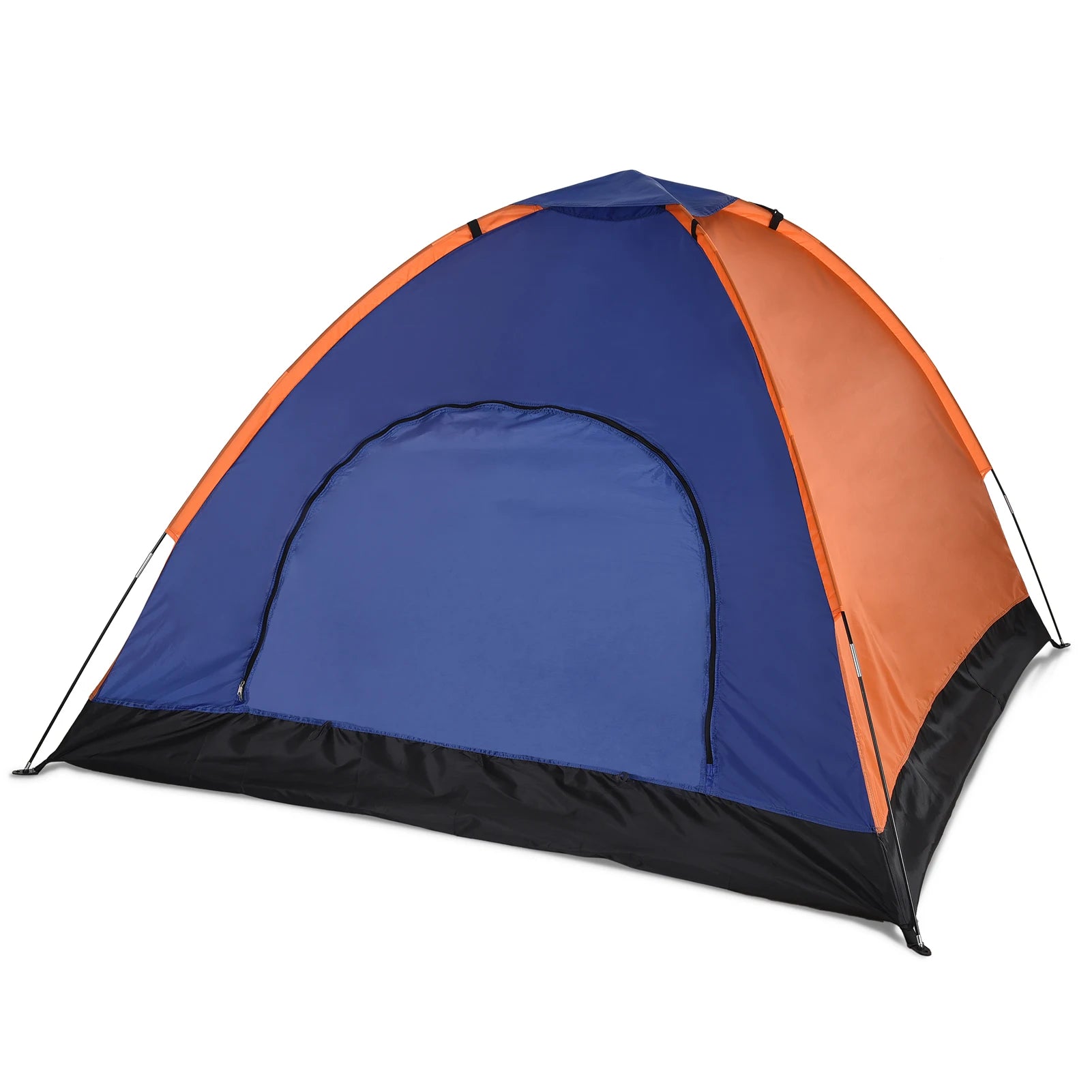
💡 See it in action
How Faster Tent Setup Saves Energy and Time
The best ultralight tent for backpacking should set up quickly after exhausting hiking days. Simple pole systems, color-coded clips, and intuitive layouts reduce setup frustration, allowing backpackers to conserve energy, stay dry during storms, and spend more time recovering before the next day’s miles.
After hiking for hours, complicated tent systems become frustrating fast.
Fast setup matters most during:
- Incoming storms
- Cold evening temperatures
- Late-night arrivals
- High wind conditions
- Fatigue-heavy mileage days
Freestanding vs Non-Freestanding
| Style | Advantages | Ideal Use |
|---|---|---|
| Freestanding | Easy setup anywhere | Rocky terrain |
| Semi-Freestanding | Lighter with flexibility | Mixed environments |
| Non-Freestanding | Maximum weight savings | Ultralight thru-hiking |
Backpackers frequently prioritize setup convenience over minimal weight once real trail experience accumulates.
Efficient camp organization using Hooks, Clips & Carabiners can also streamline setup routines significantly.
Ultralight Tent Feature Comparison
| Feature | Budget Ultralight Tent | Premium Ultralight Tent | Why It Matters |
|---|---|---|---|
| Weight | 4-5 lbs | 1.5-3 lbs | Reduces fatigue |
| Material | Polyester | Dyneema/Silnylon | Durability and waterproofing |
| Ventilation | Basic mesh | Advanced airflow systems | Condensation control |
| Setup Speed | Moderate | Fast intuitive setup | Storm readiness |
| Pack Size | Bulkier | Compact | Better pack organization |
| Weather Resistance | Moderate | High-performance protection | Safety and comfort |
Common Mistakes Backpackers Make When Choosing a Tent
Many backpackers buy shelters based only on price or advertised weight without considering long-term trail comfort.
Choosing a Tent That Is Too Small
Ultralight should not mean miserable.
Some hikers purchase ultra-minimal shelters that become uncomfortable during multi-day trips, especially in bad weather.
Signs a tent may be too small include:
- No room for gear storage
- Difficulty sitting upright
- Poor ventilation
- Tight shoulder space
- Restricted movement while changing clothes
Ignoring Pack Compatibility
A lightweight shelter still creates problems if it packs awkwardly.
Efficient packing systems from Waterproof & Dry Bags and Backpacking & Carry help balance load distribution.
Underestimating Weather Conditions
Some hikers prioritize minimal ounces over real-world protection.
A shelter optimized only for dry conditions may struggle during:
- Mountain storms
- Cold rain
- High wind exposure
- Heavy condensation environments
Experienced backpackers often recommend slightly heavier shelters for unpredictable climates because better recovery and sleep quality outweigh s
Related Articles:
- Ultralight Tent Weight Explained For Faster Hiking Miles
- Mesh Camping Tent Benefits For Cooler And Drier Sleep
Pillar Articles:





