

Sleeping Bag In Hot Weather: How To Avoid Overheating At Night
Sleeping Bag In Hot Weather: How To Avoid Overheating At Night
Can You Use a Sleeping Bag in Hot Weather Without Overheating?
Yes, using a sleeping bag in hot weather can still feel comfortable when you choose breathable materials, improve tent airflow, and avoid overdressing at night. A lightweight insulated camping sleeping bag combined with proper ventilation helps reduce overheating in sleeping bag camping while keeping you dry, rested, and protected from damp nighttime air.
⏱ 8 min read
Sleeping bag in hot weather doesn’t have to mean sweaty nights, sticky fabric, or waking up every hour inside a stuffy tent. Many campers assume overheating is unavoidable during summer camping trips, but small adjustments can completely change how you sleep outdoors. From smarter tent placement to choosing breathable insulation, this guide breaks down practical ways to stay cooler, sleep deeper, and enjoy warm-weather adventures without sacrificing comfort.
Ever climbed into your sleeping bag after sunset only to feel hotter by the minute? That frustrating heat buildup is one of the biggest reasons campers struggle to rest during summer trips.
👉 Discover must-have camping gear for warmer nights outdoors.
💡 See it in action
Why Campers Overheat Inside Sleeping Bags
Sleeping bag in hot weather problems usually come from trapped body heat, poor airflow, and moisture buildup. Many campers focus only on outside temperatures while ignoring how tents, clothing, humidity, and insulation interact overnight.
One of the most common causes of overheating inside sleeping bag tent setups is using cold-weather gear during mild summer nights. Thick insulation designed for freezing temperatures traps far too much heat when nighttime temperatures stay above 60°F.
Heat Gets Trapped Faster Than Most Campers Realize
- Closed tent vents reduce airflow
- Synthetic clothing traps sweat
- Ground heat radiates upward
- Humid air prevents cooling
- Double-layer sleeping bags retain warmth longer
A family camper in Arizona shared that switching from a heavy mummy bag to a lightweight insulated camping sleeping bag immediately improved sleep quality. Instead of waking up sweaty multiple times, they slept through the night after improving airflow and loosening insulation.
| Common Problem | Why It Causes Heat | Better Solution |
|---|---|---|
| Thick sleeping bag | Retains excess body heat | Use lightweight insulation |
| No tent ventilation | Hot air stays trapped | Open vents and doors |
| Sleeping in heavy clothing | Blocks sweat evaporation | Wear breathable layers |
| Tent in direct sunlight | Stores daytime heat | Camp in shaded areas |
Quick Ways to Stay Cooler at Night
Sleeping bag in hot weather comfort improves quickly when you focus on airflow, hydration, and fabric choices. Small changes often work better than buying expensive gear.
Many campers reduce overheating in sleeping bag camping situations simply by unzipping part of the bag and using it like a blanket instead of sealing themselves completely inside.
4 Simple Adjustments That Make a Big Difference
- Open both tent vents before sunset
- Place your tent where evening wind flows naturally
- Use moisture-wicking sleep clothing
- Keep a water bottle nearby to stay hydrated overnight
Campers who combine breathable gear with proper airflow often notice the biggest difference immediately.
Helpful additions from Weather Protection & Environment and Collapsible Water Bottles collections can make hot-weather camping much easier during long summer trips.
👉 Learn how to choose the right camping setup for hot summer nights.
Pair breathable sleeping systems with smart airflow accessories for more comfortable overnight adventures.
Best Sleeping Bag Features for Warm Weather
A lightweight insulated camping sleeping bag should feel breathable, flexible, and easy to vent. The goal is maintaining comfort without trapping unnecessary warmth.
Many campers accidentally choose insulation ratings that are far too warm for summer conditions. Instead of focusing only on “warmth,” prioritize ventilation and fabric breathability.
What to Look for in Summer Camping Bags
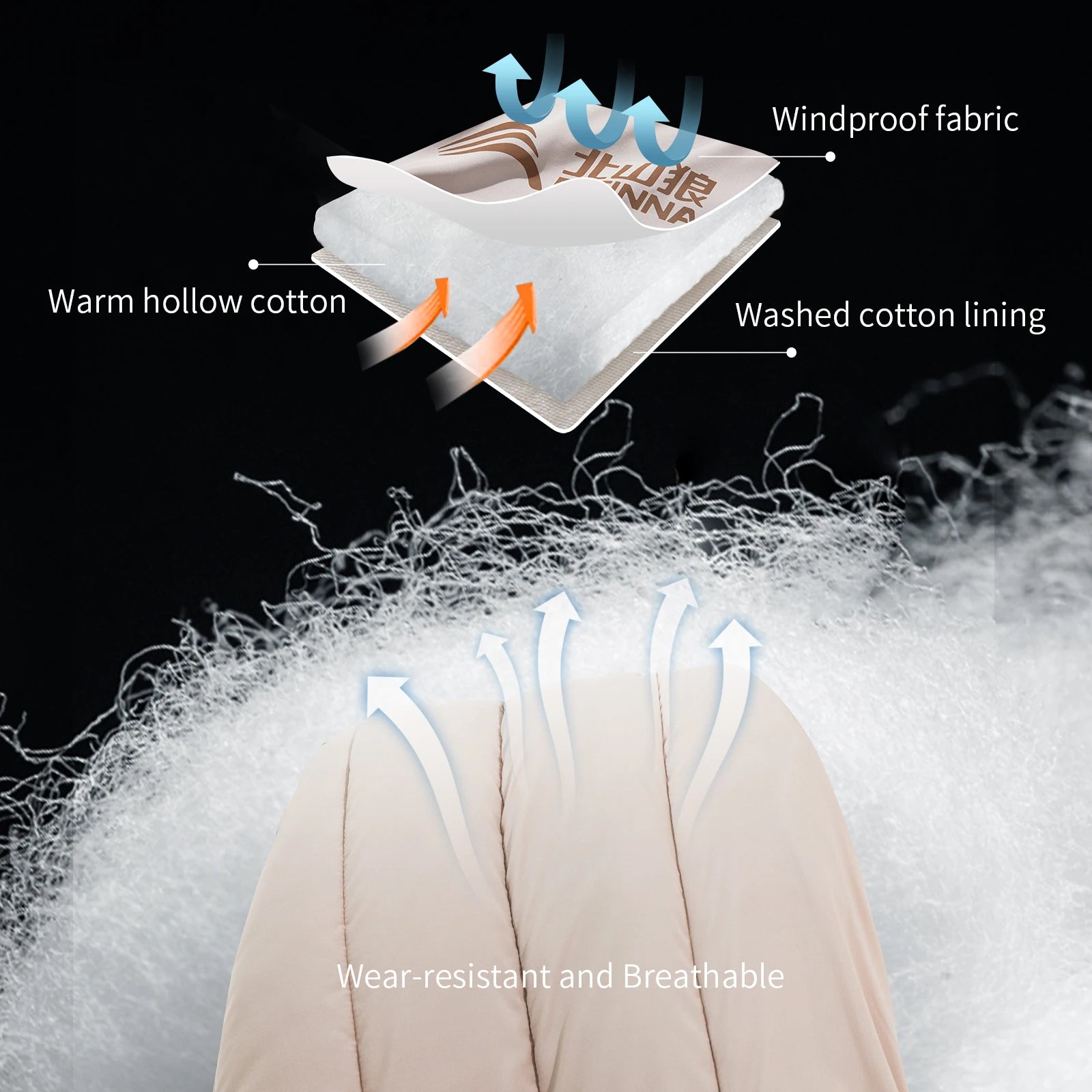
- Lightweight synthetic or breathable down insulation
- Two-way zippers for adjustable airflow
- Moisture-wicking inner lining
- Rectangular or semi-rectangular shapes
- Ventilation footbox openings
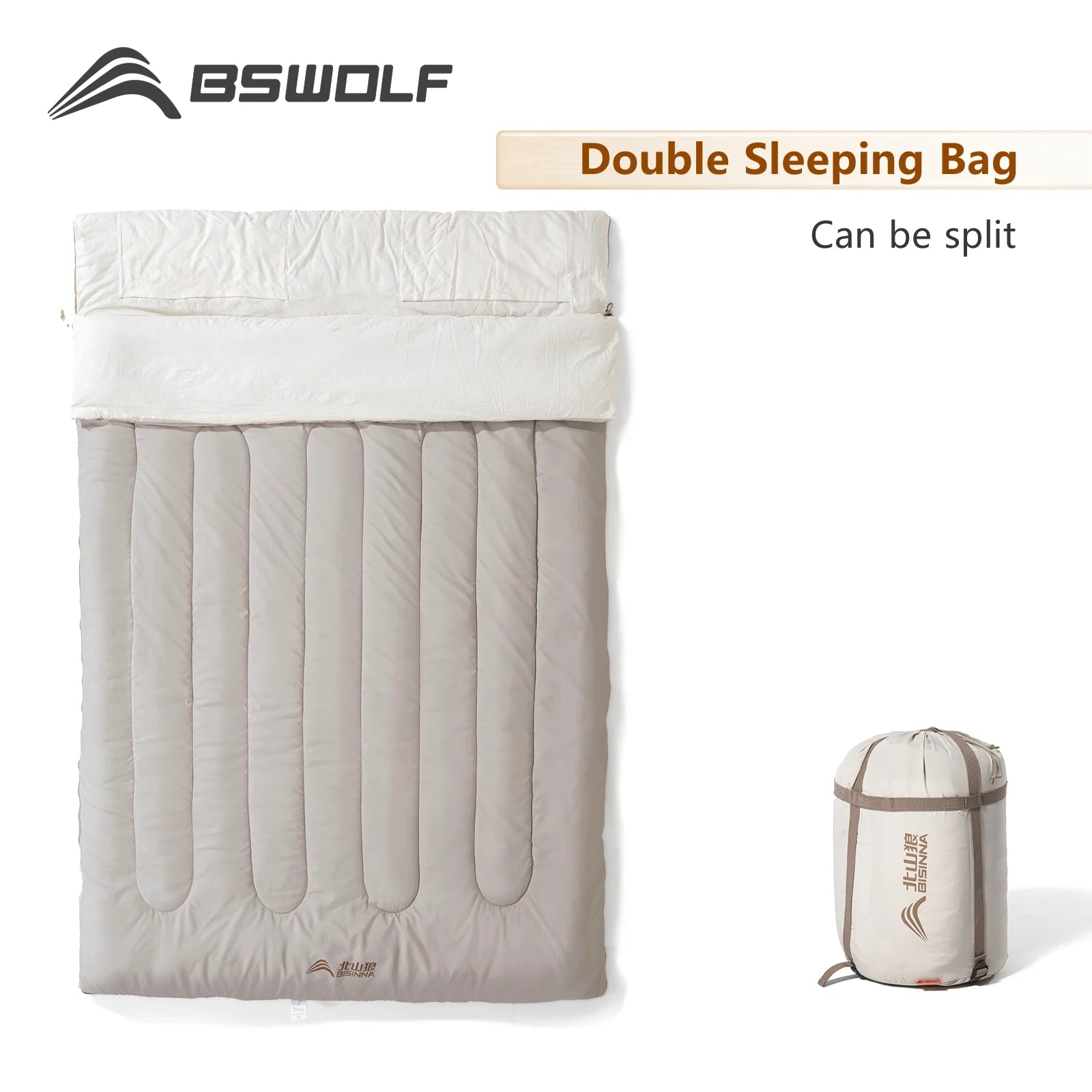
The 2 Person Camping Sleeping Bag Detachable works especially well for couples who struggle with overheating. The detachable design allows campers to separate layers and improve airflow while still maintaining comfort during cooler early mornings.
Many car campers also combine lighter sleeping bags with products from Blankets & Sleeping Comfort so they can layer warmth only when needed.
💡 See it in action
How Better Tent Ventilation Reduces Heat
Overheating inside sleeping bag tent setups often starts with poor airflow, not the sleeping bag itself. Hot air collects quickly in enclosed tents, especially after long sunny days.
Even expensive sleeping gear struggles if your tent traps humidity and heat overnight.
Ways to Improve Tent Airflow Fast
- Open rainfly sections when weather allows
- Position doors toward prevailing wind
- Use mesh windows for cross-ventilation
- Avoid camping on heat-reflective surfaces like rock
- Set up under partial shade whenever possible
Many experienced campers also use tarps from Ground Sheets & Tarps to create additional shade during daytime hours. Reducing solar heat before sunset makes nighttime temperatures much easier to manage.
Why Humidity Makes Heat Feel Worse
Your body naturally cools itself through sweat evaporation. Inside humid tents, sweat evaporates more slowly, leaving campers feeling sticky and overheated even in moderate temperatures.
This is why lightweight airflow-friendly gear often performs better than ultra-insulated sleeping systems during humid summer trips.
Mistakes That Trap Heat Inside Your Tent
Campers trying to reduce overheating in sleeping bag camping situations sometimes make problems worse without realizing it.
Common Summer Camping Mistakes
| Mistake | Result |
|---|---|
| Pitching tent in afternoon sun | Tent retains heat for hours |
| Using foam pads without airflow | Body heat reflects upward |
| Wearing socks and hoodies to sleep | Prevents cooling |
| Closing every tent opening | Creates trapped humid air |
| Ignoring hydration | Body struggles to regulate temperature |
One road-trip camper in Texas reported that moving their tent just 15 feet into shaded terrain reduced interior nighttime temperatures noticeably. Combined with lighter bedding, the difference completely changed their sleep quality.
Campers traveling during peak summer heat also benefit from gear in Car Camping Accessories and Sun Shades & Canopies collections for better daytime temperature control.
👉 Get your camping sleep setup ready before your next hot-weather adventure.
Breathable sleeping systems and better ventilation can completely transform summer camping comfort.
Summer Camping Cooling Checklist
Sleeping bag in hot weather conditions becomes far more manageable when you prepare your campsite intentionally.
Warm-Weather Camping Essentials
- Breathable sleeping bag
- Moisture-wicking sleep clothing
- Hydration system
- Portable fan or ventilation solution
- Shaded campsite location
- Cooling towel or lightweight blanket
- Mesh-heavy tent with cross ventilation
Campers preparing for multi-day trips often organize summer gear using products from Compression & Packing Bags and Gear Organizers & Pouches to keep lighter clothing and cooling accessories easy to access.
Gear Setups That Help You Sleep Better
The best hot-weather camping setups focus on balancing comfort, airflow, and versatility.
Recommended Summer Sleep Combination
- Lightweight insulated camping sleeping bag
- Ventilated tent with mesh panels
- Cooling blanket or open quilt system
- Inflatable pillow for airflow support
- Portable hydration nearby
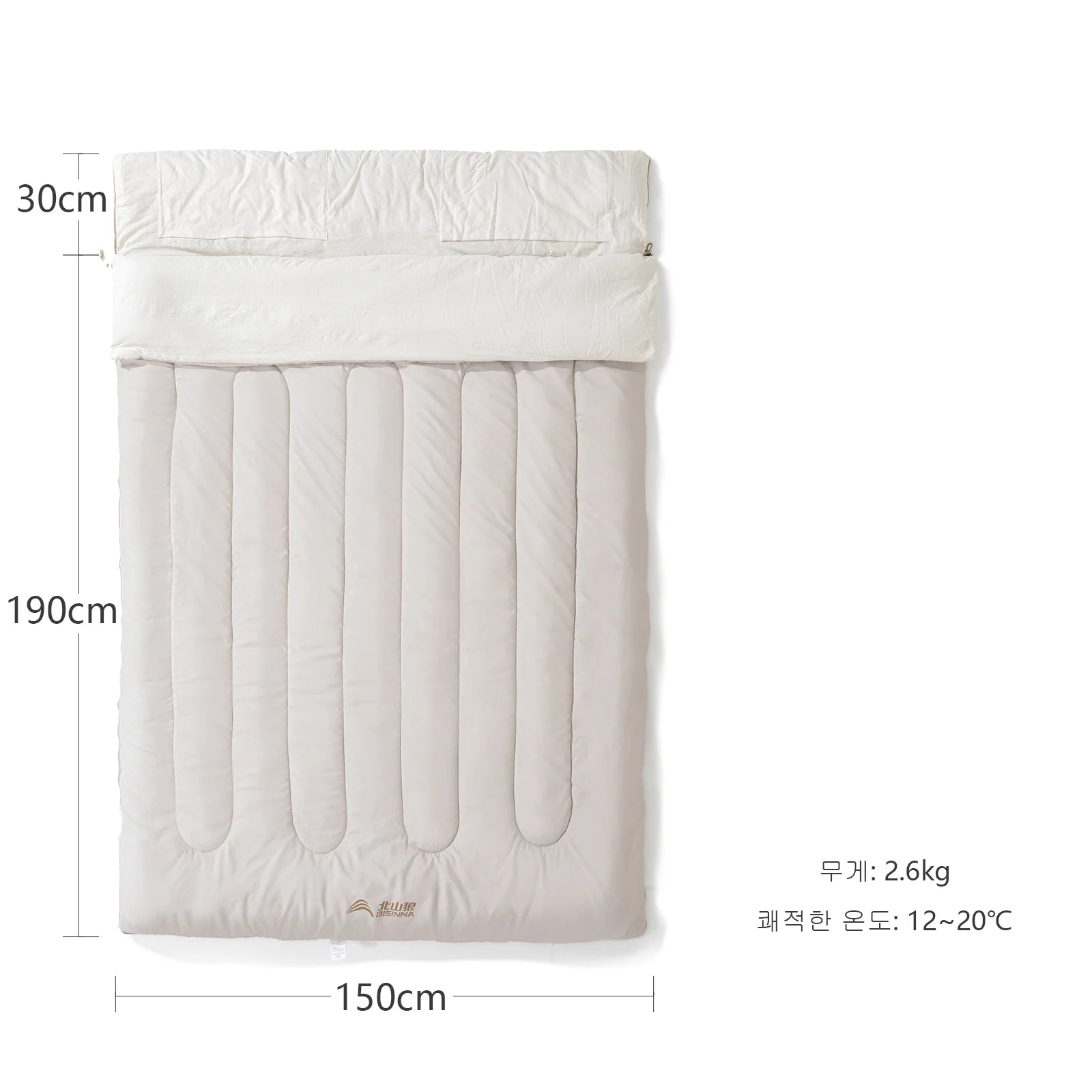
Many campers pair the 2 Person Camping Sleeping Bag Detachable with accessories from Inflatable Pillows and Camping Tents & Shelter collections to create a more adaptable sleep system during changing summer conditions.
Couples especially appreciate detachable sleeping bags because each person can regulate warmth independently instead of sharing trapped heat throughout the night.
💡 See it in action
Sleep Cooler and Enjoy Summer Camping More
Overheating during camping trips is frustrating, exhausting, and surprisingly common. But staying cooler overnight usually comes down to smarter airflow, breathable fabrics, hydration, and flexible sleeping systems.
Instead of relying on heavy insulation, focus on adaptable comfort. Lightweight sleeping gear, proper ventilation, and thoughtful campsite setup can completely transform how you sleep outdoors during warm summer adventures.
Campers who prepare intentionally often wake up more rested, energized, and ready to enjoy the outdoors instead of recovering from sleepless nights.
FAQ
What is the best sleeping bag for hot weather?
The best sleeping bag in hot weather is lightweight, breathable, and easy to ventilate. Look for moisture-wicking fabric, adjustable zippers, and lower temperature ratings designed specifically for summer camping.
How do I stop overheating inside my tent?
Improve airflow by opening vents, using mesh windows, camping in shaded areas, and reducing trapped humidity. Tent placement and ventilation often matter as much as the sleeping bag itself.
Should you unzip a sleeping bag in summer?
Yes. Many campers partially unzip sleeping bags or use them like blankets to improve airflow and reduce trapped heat during warm nights.
Why do sleeping bags feel hotter inside tents?
Tents trap humidity and body heat, especially when ventilation is limited. Poor airflow combined with thick insulation increases overheating inside sleeping bag tent setups.
Can couples sleep cooler in detachable sleeping bags?
Detachable sleeping bags allow each person to control ventilation and warmth individually, making them more comfortable for hot-weather camping trips.
Pillar Article: Sleeping Bag Couples: Best Fit For Shared Comfort And Warmth
Other Related Articles:
Explore More:





