

Lightweight Hammock Backpacking: Top Ultralight Picks
Does lightweight hammock backpacking improve sleep on the trail?
Lightweight hammock backpacking improves overnight comfort by reducing pressure points, avoiding rocky ground, and creating better airflow during warm-weather camping. Many hikers find a lightweight hammock setup for backpacking trips easier to pack than traditional sleep systems while also helping improve recovery and sleep quality on long-distance adventures.
Lightweight Hammock Backpacking: Top Ultralight Picks
⏱ 9 min read
Lightweight hammock backpacking has become one of the most practical ways to reduce pack weight without sacrificing rest on the trail. Whether you need a lightweight hammock setup for backpacking trips, a limited space backpacking hammock setup for tight gear lists, or a portable parachute nylon hammock for camping, modern ultralight systems make sleeping outdoors more comfortable and flexible than ever before.
Ever wake up sore after sleeping on uneven ground? Many backpackers spend hours optimizing packs while overlooking the one thing that affects next-day energy the most: sleep quality.
That is exactly why ultralight hammock systems continue to gain popularity among hikers, minimalist campers, and weekend explorers.
👉 Ready to simplify your overnight setup?
Hammocks & Straps and Backpacking & Carry collections make it easier to build a lighter and more organized trail kit.
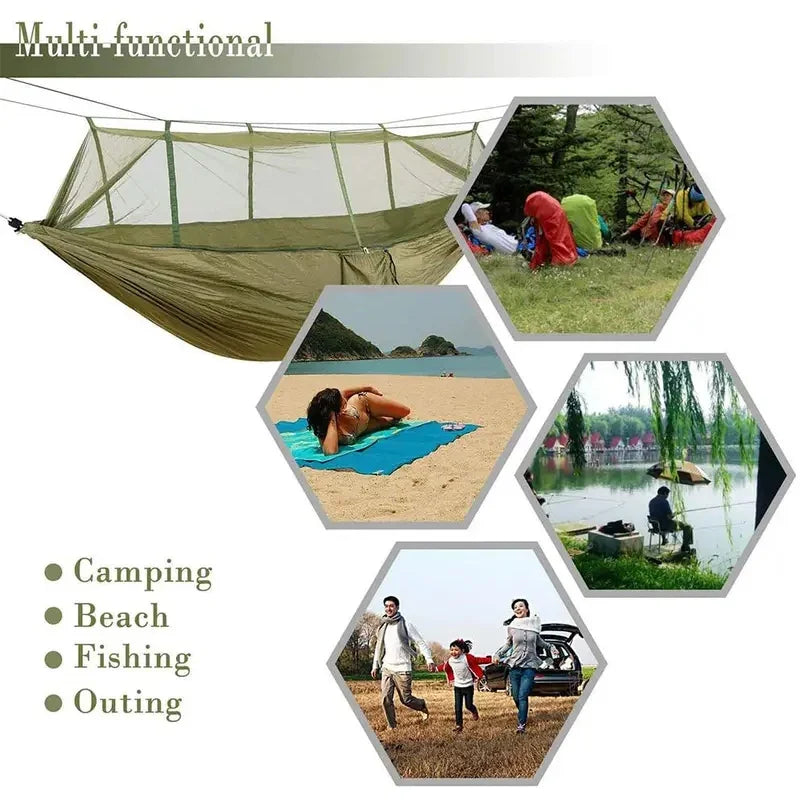
💡 See it in action
Why Backpackers Are Switching to Ultralight Hammocks
Lightweight hammock backpacking gives hikers more flexibility when campsites are uneven, muddy, or crowded. Instead of searching endlessly for flat ground, campers can quickly suspend their shelter between trees and settle in faster.
Ultralight hammock systems also reduce bulk. A compact hammock can fit inside smaller packs while still delivering reliable overnight comfort.
- Less pressure on hips and shoulders
- Improved airflow during warm weather
- Faster campsite setup
- Smaller packed size compared to some tents
- Better adaptability in rocky terrain
Many long-distance hikers now combine hammocks with gear from Compression & Packing Bags and Waterproof & Dry Bags to keep their sleep systems compact and weather resistant.
Top Features That Matter Most in Lightweight Hammock Backpacking
Lightweight hammock backpacking systems work best when they balance low weight, durability, and overnight comfort. The best models focus on efficient suspension systems, breathable fabrics, and compact storage while still supporting long trail days and repeated use in changing weather conditions.
1. Weight and Packed Size
Every ounce matters on multi-day hikes. Ultralight hammocks made from parachute nylon often weigh under two pounds with straps included.
A portable parachute nylon hammock for camping also compresses easily into small stuff sacks, freeing space for food, layers, and cooking equipment.
2. Suspension Simplicity
Complex straps slow down camp setup. Tree-friendly webbing straps with quick loops simplify setup after exhausting hiking days.
Pairing hammocks with Hooks, Clips & Carabiners can make adjustments even easier during windy or uneven conditions.
3. Breathability and Comfort
Ventilation matters during humid summer trips. Breathable nylon helps reduce heat buildup and improves overall overnight comfort.
4. Weather Compatibility
Ultralight hammocks work best when combined with weather protection systems like tarps and insulated layers.
Best Lightweight Hammock Styles Compared
| Hammock Style | Best For | Main Advantage | Possible Tradeoff |
|---|---|---|---|
| Single Ultralight Hammock | Solo backpackers | Lowest pack weight | Less interior space |
| Double Parachute Hammock | Comfort-focused hikers | More sleeping room | Slightly heavier |
| Integrated Net Hammock | Bug-heavy environments | Built-in insect protection | Higher packed bulk |
| Full Weather Hammock System | Multi-season trips | Better storm protection | More setup components |
For hikers trying to maximize sleep quality without overpacking, double parachute hammocks often create the best balance between comfort and portability.
How Hammocks Improve Sleep Quality Outdoors
Improving sleep quality outdoor hammock camping often comes down to body positioning and reduced ground pressure. Unlike sleeping pads that shift throughout the night, hammocks naturally distribute weight more evenly and reduce contact with hard terrain.
Campers frequently report:
- Less morning stiffness
- Reduced shoulder pressure
- More stable body temperature in warm climates
- Better overnight relaxation after long hikes
One weekend backpacker shared that switching from a ground pad to a lightweight hammock setup for backpacking trips reduced nighttime tossing and turning during a three-day mountain trek.
Another hiker noted faster recovery during consecutive hiking days because they slept more deeply in suspended setups.
👉 Looking for smarter sleep comfort outdoors?
Explore Outdoor Comfort & Recovery, Inflatable Pillows, and Sleeping Bags & Sleeping Pads for lightw
Pillar Article: Best Rated Camping Hammock: Top Picks Compared 2026
Other Related Articles:
- Hammock For Two People: Best Couples Options Reviewed
- Double Camp Hammock: Comfort & Stability Compared
- Camping Hammock Bug Net: Best Options Compared
- Camping 2 Person Hammock: Comfort Vs Space Compared
Explore More:





