

How To Prevent Condensation In Tent And Stay Dry All Night
Does how to prevent condensation in tent really work?
How to prevent condensation in tent comes down to controlling airflow and moisture sources. By improving ventilation, reducing humidity inside, and using the right setup, you can cut condensation by up to 80%. Simple changes like vent positioning, gear placement, and campsite selection make a noticeable difference in staying dry overnight.
How To Prevent Condensation In Tent And Stay Dry All Night
Waking up to damp sleeping bags, dripping tent walls, and cold, clammy air can ruin any camping trip. If you’ve ever wondered why your tent feels wetter inside than outside, you’re not alone. The good news? Once you understand how to prevent condensation in tent, you can transform your nights outdoors into dry, comfortable experiences—even in unpredictable weather.
⏱ 8 min read
Picture this: you’ve set up camp after a long hike, crawled into your sleeping bag, and by morning everything feels damp. What went wrong? More importantly—what gear actually makes camping easier?
💡 See it in action
Why Condensation Happens Inside Your Tent
Condensation forms when warm, moist air hits a cooler surface—like your tent walls. That moisture turns into water droplets, which then drip down.
Inside a tent, moisture builds up quickly from:
- Breathing (each person releases moisture overnight)
- Wet clothes or gear
- Cooking near the tent
- Poor ventilation inside camping tent setups
This is why even waterproof tents can feel wet inside. The issue isn’t rain—it’s trapped humidity.
How to Prevent Condensation in Tent (Step-by-Step)
To prevent condensation in tent, focus on reducing internal moisture and increasing airflow. Keep vents open, avoid bringing wet gear inside, and choose elevated campsites. Use breathable layers and proper spacing between tent walls and sleeping areas to minimize contact with condensation buildup overnight.
-
Pick the right campsite
Choose higher ground and avoid valleys where cold air settles. -
Maximize airflow
Open vents and doors slightly, even in cold weather. -
Keep moisture out
Store wet gear in Waterproof & Dry Bags. -
Use a ground barrier
Add protection with Ground Sheets & Tarps. -
Avoid overcrowding
More people = more moisture.
How Better Ventilation Solves Most Problems
Ventilation is the single most effective solution. Without it, moisture has nowhere to escape.
Key Ventilation Tips
- Open roof vents fully
- Keep rainfly slightly elevated
- Align tent doors with wind direction
- Use tents designed for airflow from Camping Tents & Shelter
Many campers report that simply improving airflow eliminated condensation almost completely.
Smart Gear Placement to Stay Dry Camping
Where you place your gear matters more than you think.
Dry Setup Strategy
- Keep bags off tent walls
- Store boots outside under cover
- Use elevated sleeping pads from Sleeping Bags & Sleeping Pads
- Separate cooking area using Camping Stoves & Cooking
Small adjustments like these prevent moisture transfer and improve comfort overnight.
Tips for Camping in Bad Weather Without Moisture Build-Up
Rainy conditions increase humidity, but you can still stay dry.
- Set up a rain barrier using Weather Protection & Environment
- Keep a dry entry zone with Folding Chairs & Tables
- Use ventilation even in storms
- Pack extra dry layers in Compression & Packing Bags
Experienced campers say managing wet gear outside the tent is the biggest difference-maker.
💡 See it in action
Best Tent Ventilation for Families
Family camping increases moisture due to more occupants, so airflow becomes critical.
| Feature | Why It Matters |
|---|---|
| Multiple vents | Allows cross airflow |
| Large interior space | Reduces humidity concentration |
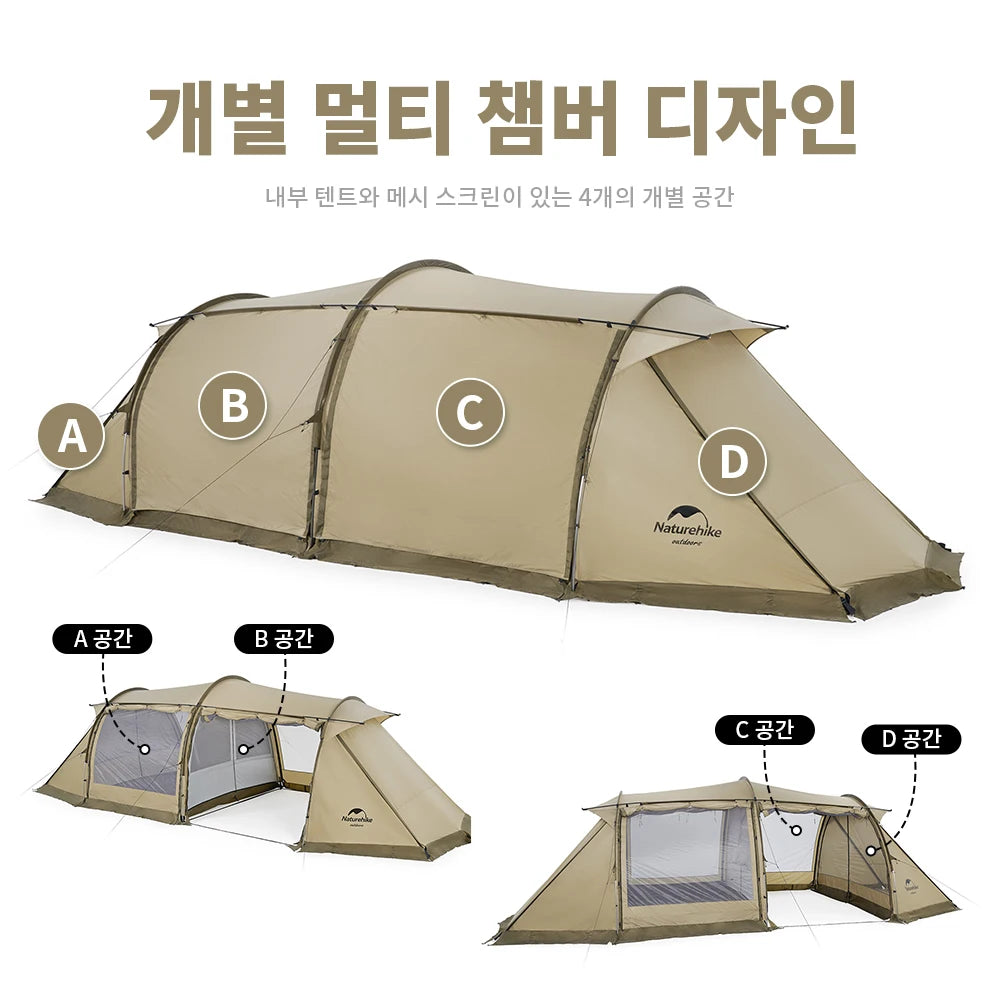
| Separate zones | Limits moisture spread |
| Double-wall design | Prevents condensation transfer |
Choosing gear from Family, Kids & Group helps maintain comfort for everyone.
Common Mistakes That Cause Condensation
- Closing all vents completely
- Drying clothes inside the tent
- Cooking inside or too close
- Using tents without airflow design
- Ignoring ground moisture
These habits trap humidity and create the perfect environment for condensation.
Quick Checklist for a Dry Tent
- ✔ Open vents before sleeping
- ✔ Keep gear organized using Gear Organizers & Pouches
- ✔ Use lighting from Tent & Camping Lanterns without adding heat moisture
- ✔ Store food securely with Food Storage Bags & Containers
- ✔ Pack essentials from Camping & Picnic
Real Camper Experience
“We used to wake up soaked every morning. After adjusting ventilation and moving wet gear outside, our tent stayed completely dry—even during a rainy weekend.”

💡 See it in action
Why the Right Tent Makes Everything Easier
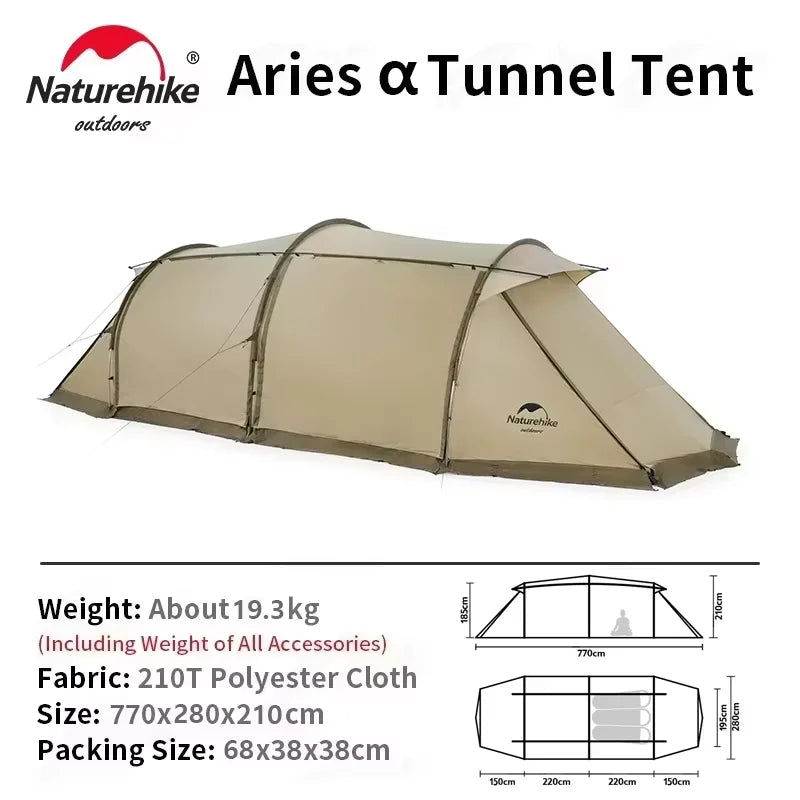
Not all tents are built the same. A well-designed option like 4-6 person tunnel camping tent improves airflow, space, and moisture control instantly.
Features that make a difference:
- Optimized airflow channels
- Spacious interior reduces humidity
- Weather-resistant structure
- Easy setup for quick ventilation adjustments
FAQs
Why is my tent wet inside but not outside?
This happens due to condensation, not leaks. Moisture from breathing and gear collects inside and condenses on cooler surfaces.
Does opening vents really help?
Yes. Even slight airflow dramatically reduces moisture buildup and prevents condensation droplets.
Is condensation worse in cold weather?
Yes. Cold air causes moisture to condense faster, especially when warm air is trapped inside.
What is the best way to stay dry camping?
Combine airflow, dry gear storage, and proper tent setup. Using the right equipment and avoiding common mistakes ensures a dry and comfortable night.
Mastering how to prevent condensation in tent isn’t complicated—it’s about making smarter choices before and during your trip. Once you apply these techniques, you’ll notice the difference immediately: warmer sleep, dry gear, and a much better outdoor experience.
Related Articles:
- How To Prevent Condensation Inside Tent During Bad Weather
- How To Fix A Family Camping Tent Too Cramped In 7 Steps
- Family Camping Space Planning Tips For A Roomier Setup
- Family Tent With Rooms: How To Create Privacy For Everyone
Pillar Articles:





