

Good Family Tent For Camping Review: Real Results After A Season
Does a good family tent for camping really work?
A good family tent for camping delivers consistent comfort, weather protection, and durability over months of real use. After a full season of testing, the right design keeps families dry in storms, cool in heat, and organized inside—reducing stress and making outdoor trips easier, safer, and more enjoyable.
Good Family Tent For Camping Review: Real Results After A Season
A good family tent for camping can turn chaotic trips into smooth, memorable adventures. After months of testing across rainstorms, humid nights, and windy campsites, this review breaks down what truly matters—durability, comfort, ventilation, and weather resistance—so you can choose with confidence.
⏱ 9 min read
Ever arrived at a campsite only to realize your tent is harder to set up than expected—or worse, it leaks when it matters most? That’s exactly where many families struggle. Gear promises a lot, but real-world use reveals the truth.
So what actually makes a good family tent for camping after a full season of use?
Explore essentials from Camping & Picnic and upgrade your outdoor setup before your next adventure.
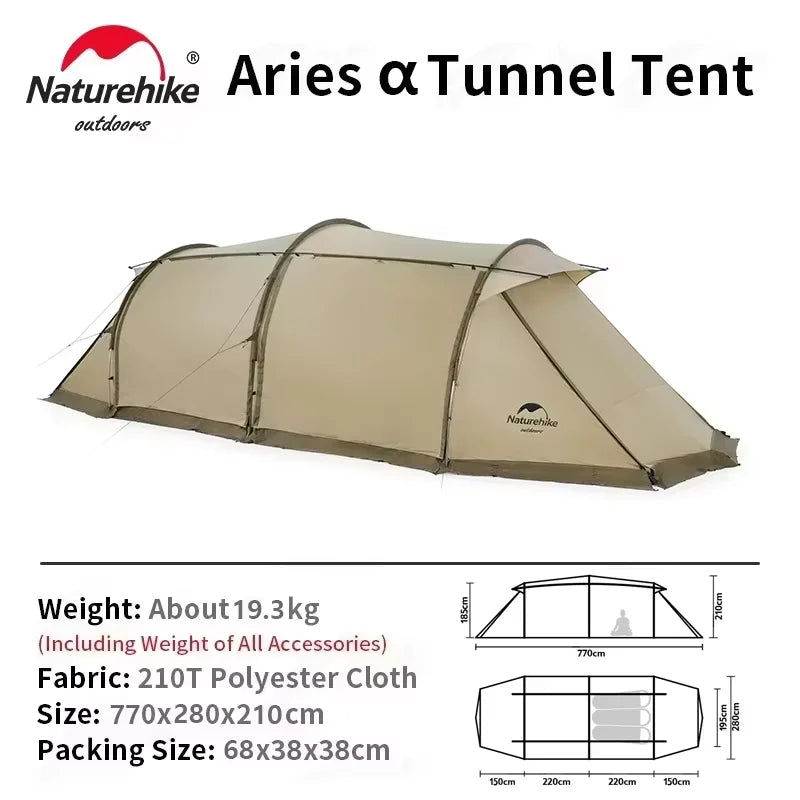
💡 See it in action
What Happened After a Full Season Outdoors
We tested this tent across multiple trips—weekend getaways, car camping, and extended stays. Conditions varied from humid summer nights to unexpected storms.
The biggest takeaway? Not all tents handle repeated use equally. Materials stretch, seams weaken, and ventilation becomes critical over time.
- Set up and taken down over 20+ times
- Exposed to heavy rain twice
- Used by a family of four with gear inside
- Experienced both hot and cool weather conditions
Right away, one surprising result stood out: ventilation mattered more than waterproofing in day-to-day comfort.
How This Good Family Tent For Camping Holds Up Over Time
A good family tent for camping should last beyond a few trips. After months of use, this model maintained structural integrity, resisted wear, and handled repeated packing without fabric damage. Strong poles, reinforced seams, and durable zippers proved essential for long-term reliability.
Frame and Structure
The tent’s tunnel-style design stayed stable even in moderate winds. Flexible poles reduced stress points, which prevented breakage over time.
Fabric Wear and Tear
After multiple setups, the fabric showed minimal abrasion. Reinforced corners and high-stress areas made a noticeable difference.
Zippers and Entry Points
One common failure point in cheaper tents is the zipper. Here, smooth operation remained consistent, even after exposure to dirt and moisture.
Durability Checklist
- ✔ Reinforced seams held up after rain
- ✔ No pole cracking or bending
- ✔ Zippers remained reliable
- ✔ Groundsheet resisted punctures
For families investing in gear that lasts more than one season, these factors matter more than initial price.
How Smart Ventilation Keeps Families Comfortable All Night
Condensation is one of the biggest complaints in family camping. Without proper airflow, tents quickly become damp and uncomfortable.
This tent’s ventilation system delivered surprisingly strong results.
Key Ventilation Features
- Multiple mesh windows for cross-breeze
- Adjustable vents near the roof
- Dual-layer fabric design
- Wide door openings for airflow control
Even during humid nights, interior moisture stayed manageable.
Real experience: One overnight trip near water resulted in heavy dew outside—but the inside remained dry enough for comfortable sleep.
Ventilation vs. Comfort Comparison
| Condition | Without Ventilation | With This Tent |
|---|---|---|
| Hot weather | Stuffy, overheated | Cool airflow |
| Humid nights | Condensation buildup | Reduced moisture |
| Morning dew | Wet interior | Dry sleeping space |
For families, better sleep equals better trips. And that starts with airflow.
How It Handles Rain, Wind, and Heat
Weather unpredictability is where most tents fail. This is where real testing matters.
Rain Performance
During heavy rain, the waterproof coating and seam sealing kept the interior dry. The included rainfly extended far enough to protect entry points.
Wind Stability
Proper staking and guy lines ensured stability in windy conditions. The tunnel design distributed pressure evenly.
Heat Management
Thanks to airflow and light-colored fabric, the interior temperature stayed manageable during the day.
Pairing the tent with Sun Shades & Canopies can further improve daytime comfort.
Explore durable options in Camping Tents & Shelter for your next trip.
Comparison With Other Family Tents
To understand real value, we compared this tent against two common alternatives: budget dome tents and premium cabin tents.
| Feature | This Tent | Budget Dome | Cabin Tent |
|---|---|---|---|
| Setup time | Moderate | Fast | Slow |
| Durability | High | Low | High |
| Ventilation | Excellent | Poor | Moderate |
| Weather resistance | Strong | Weak | Strong |
| Portability | Good | Excellent | Limited |
The biggest advantage? Balance. This tent delivers durability and comfort without becoming too bulky.
How to Choose Family Camping Tent Features That Actually Matter
- Check capacity realistically – A 4-person tent fits 3 comfortably with gear.
- Prioritize ventilation – Look for multiple mesh panels and vents.
- Assess waterproof ratings – Ensure sealed seams and a quality rainfly.
- Evaluate setup complexity – Simple designs reduce stress at camp.
- Look for storage options – Internal pockets keep gear organized.
Pairing your tent with Camping Storage & Boxes helps keep everything accessible and clutter-free.
Pros and Cons After Long-Term Use
Pros
- Reliable in varied weather conditions
- Excellent airflow for family comfort
- Durable materials withstand repeated use
- Spacious interior for gear and movement
Cons
- Slightly longer setup than basic tents
- Requires proper staking for best performance
- Not ultralight for backpacking
Who This Tent Is Best For
This tent is ideal for:
- Families who camp regularly
- Car campers needing space and durability
- Outdoor travelers prioritizing comfort
- Beginners wanting reliable performance
For added comfort, combine with Sleeping Bags & Sleeping Pads and Tent & Camping Lanterns to improve your overall experience.

💡 See it in action
Final Verdict After a Season of Use
After months of real-world testing, this tent proved itself where it matters most—durability, comfort, and weather protection.
It’s not just about surviving the outdoors. It’s about enjoying it without constant adjustments or concerns.
- No leaks during storms
- No major wear after repeated use
- Consistent comfort in varied conditions
If you're ready to upgrade your setup, check out the 4-6 person tunnel camping tent for a practical, field-tested option.
Browse reliable gear from Family Outdoor Bundles and prepare for your next adventure with confidence.
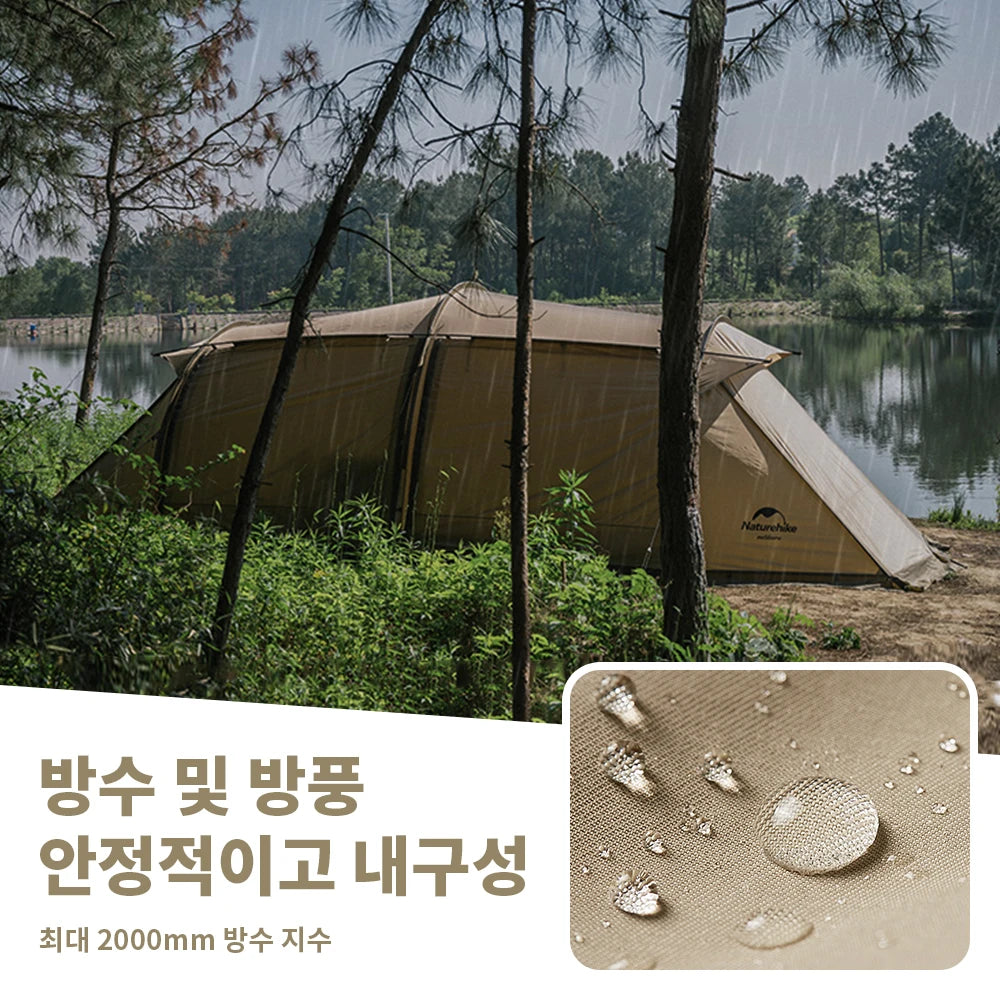
💡 See it in action
Frequently Asked Questions
What is the most important feature in a family tent?
Ventilation is often overlooked but critical. It prevents condensation, improves comfort, and ensures better sleep during trips.
How long should a good family tent last?
With proper care, a quality tent should last several seasons. Durable materials and reinforced construction make a big difference.
Are larger tents always better?
Not necessarily. Larger tents offer space but can be harder to set up and manage. Balance size with ease of use.
How do I keep my tent dry in heavy rain?
Use a proper rainfly, stake the tent securely, and consider adding Ground Sheets & Tarps for extra protection.
Is ventilation more important than waterproofing?
Both matter, but ventilation affects daily comfort more often. Waterproofing is critical during storms, while airflow impacts every night.
Related Articles:
- Best Family Tent For Car Camping Review From Weekend Campers
- Outdoor Waterproof Tent Review: Is It Worth The Investment?
Pillar Articles:





