

Camping Waterproof Tents Compared For Heavy Rain Trips
Are Camping Waterproof Tents Worth It For Heavy Rain Trips?
Camping waterproof tents are designed to block rain penetration, reduce condensation buildup, and keep gear dry during storms. The best models combine high waterproof ratings, sealed seams, durable rain flies, and airflow panels to prevent light rain leaking through tent walls while improving comfort during wet-weather camping.
Camping Waterproof Tents Compared For Heavy Rain Trips
⏱ 9 min read
Nothing ruins a camping trip faster than waking up in soaked sleeping bags with water dripping through your tent ceiling. If you have ever dealt with light rain leaking through tent fabric, muddy floors, or poor ventilation during storms, you already know how important reliable shelter becomes outdoors. This guide compares camping waterproof tents for rainy-weather adventures, explains how to waterproof camping tents properly, and highlights the real difference between water resistant versus waterproof camping tents before your next trip.
👉 Planning wet-weather adventures? Explore dependable gear inside Camping Tents & Shelter and build a safer storm-ready setup before your next trip.
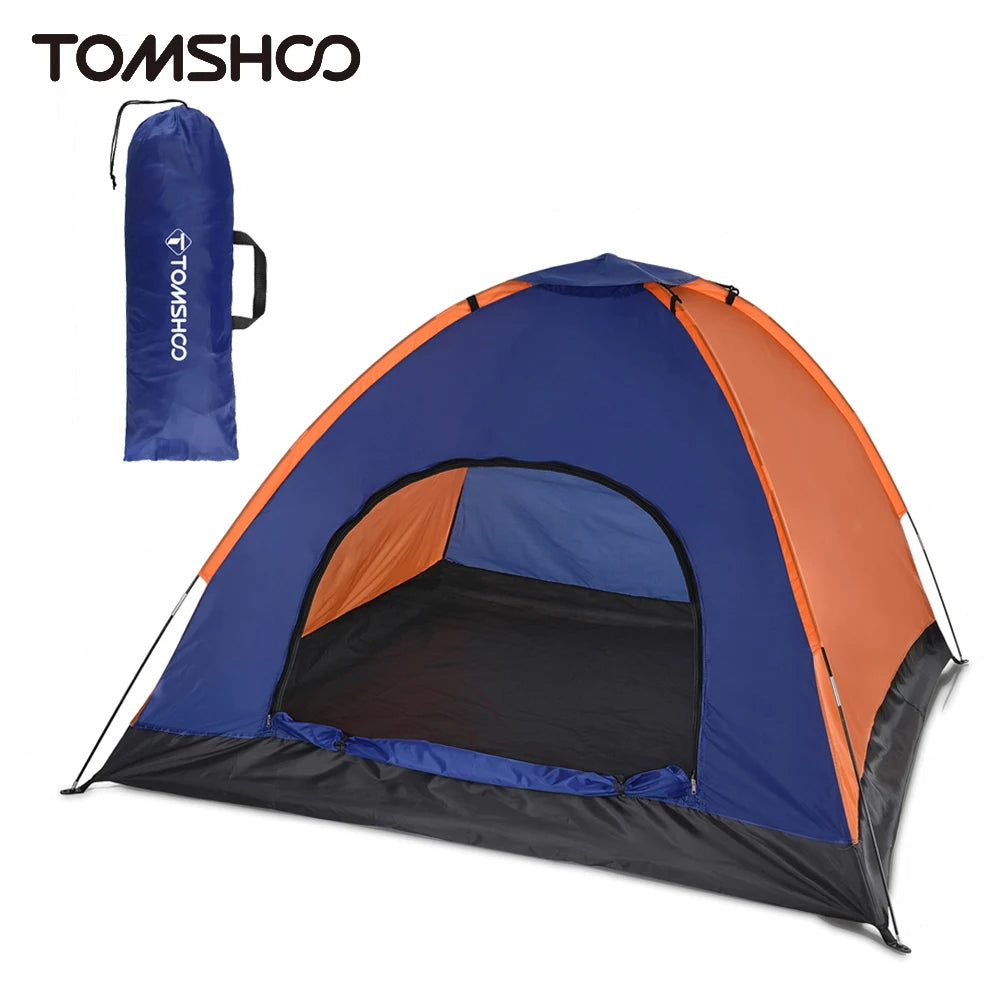
💡 See it in action
Why Waterproof Ratings Matter During Storm Camping
Camping waterproof tents use waterproof coatings, sealed seams, and protective rain fly systems to stop water from entering during storms. A quality tent should resist prolonged rain, reduce interior condensation, and keep floors dry even after hours of exposure to wind-driven moisture.
Many campers assume any tent labeled “water resistant” can survive heavy rain. That is often where problems begin.
What gear actually makes camping easier during storms? The answer usually comes down to:
- Hydrostatic head waterproof ratings
- Full-coverage rain fly protection
- Bathtub-style tent floors
- Ventilation systems that reduce condensation
- Strong pole structures for wind stability
Most experienced campers recommend a minimum waterproof rating of 2000mm for consistent rain exposure. For mountain storms or multi-day rainfall, 3000mm to 5000mm fabrics perform far better.
| Waterproof Rating | Best Use | Performance |
|---|---|---|
| 800mm–1200mm | Light drizzle | Basic water resistance only |
| 1500mm–2000mm | Weekend camping | Moderate rain protection |
| 3000mm+ | Heavy rain trips | Strong waterproof performance |
| 5000mm+ | Storm conditions | Extreme wet-weather durability |
Campers heading into unpredictable weather often pair waterproof tents with Ground Sheets & Tarps and Waterproof & Dry Bags to protect sleeping gear and electronics.
Water Resistant Versus Waterproof Camping Tents
Water resistant versus waterproof camping tents differ mainly in fabric coatings, seam sealing, and rain protection duration. Waterproof tents are designed for extended exposure to rain, while water-resistant models typically handle only short light showers before moisture begins entering through seams or fabric panels.
This difference matters more than most first-time campers realize.
Water Resistant Tents
- Lighter materials
- Lower waterproof ratings
- Limited seam sealing
- Suitable for fair weather trips
- Less expensive
Waterproof Tents
- Thicker coated fabrics
- Sealed stitching and taped seams
- Bathtub floors
- Full rain fly coverage
- Better storm durability
A family camper from Colorado shared that switching from a budget water-resistant dome tent to a fully waterproof setup completely changed rainy trips. Instead of waking up with damp gear and condensation-covered walls, the upgraded shelter stayed dry through two nights of continuous thunderstorms.
For extra comfort during long rainy weekends, many campers combine tent systems with Blankets & Sleeping Comfort and Tent & Camping Lanterns to create a warmer, more livable interior.
Best Features That Prevent Tent Leaks
Heavy rain protection depends on more than fabric thickness alone. The best camping waterproof tents combine multiple weather-defense features that work together.
1. Full-Coverage Rain Fly
Compact camping tents with rain fly systems perform dramatically better than partial-fly designs. Full rain flies extend close to the ground, protecting doors, seams, and vents from sideways rain.
2. Sealed Seams
Even premium fabrics leak if stitching holes remain exposed. Factory-taped seams or seam-sealed construction are essential for storm protection.
3. Bathtub Floors
Raised floor edges prevent water pooling from entering the tent base during muddy conditions.
4. Ventilation Panels
Good airflow reduces interior moisture buildup. Without ventilation, campers often mistake condensation for rain leaks.
5. Aluminum Poles
Strong pole structures improve wind resistance and help rain fly systems maintain proper tension.
👉 Upgrade your rainy-weather setup. Pair your shelter with dependable gear from Weather Protection & Environment and Camping & Picnic for more comfortable outdoor nights.
Compact Camping Tents With Rain Fly Protection Compared
Compact camping tents with rain fly coverage offer better storm protection while remaining lightweight enough for road trips, festivals, hiking, and weekend camping. The most effective designs balance waterproofing, airflow, packed size, and fast setup for changing weather conditions.
| Tent Type | Best For | Advantages | Drawbacks |
|---|---|---|---|
| Backpacking Tent | Hiking trips | Lightweight and compact | Smaller interior space |
| Dome Tent | Weekend camping | Easy setup and stable | Moderate ventilation |
| Tunnel Tent | Storm camping | Excellent wind handling | Requires more staking |
| Cabin Tent | Family camping | Large living space | Heavier transport weight |
One popular option for couples and small groups is the 3-4 Person Camping Tent Lightweight, which balances rain protection with compact portability for road trips and campground stays.
Campers traveling in unpredictable weather also benefit from organizing essentials with Camping Storage & Boxes and Compression & Packing Bags.
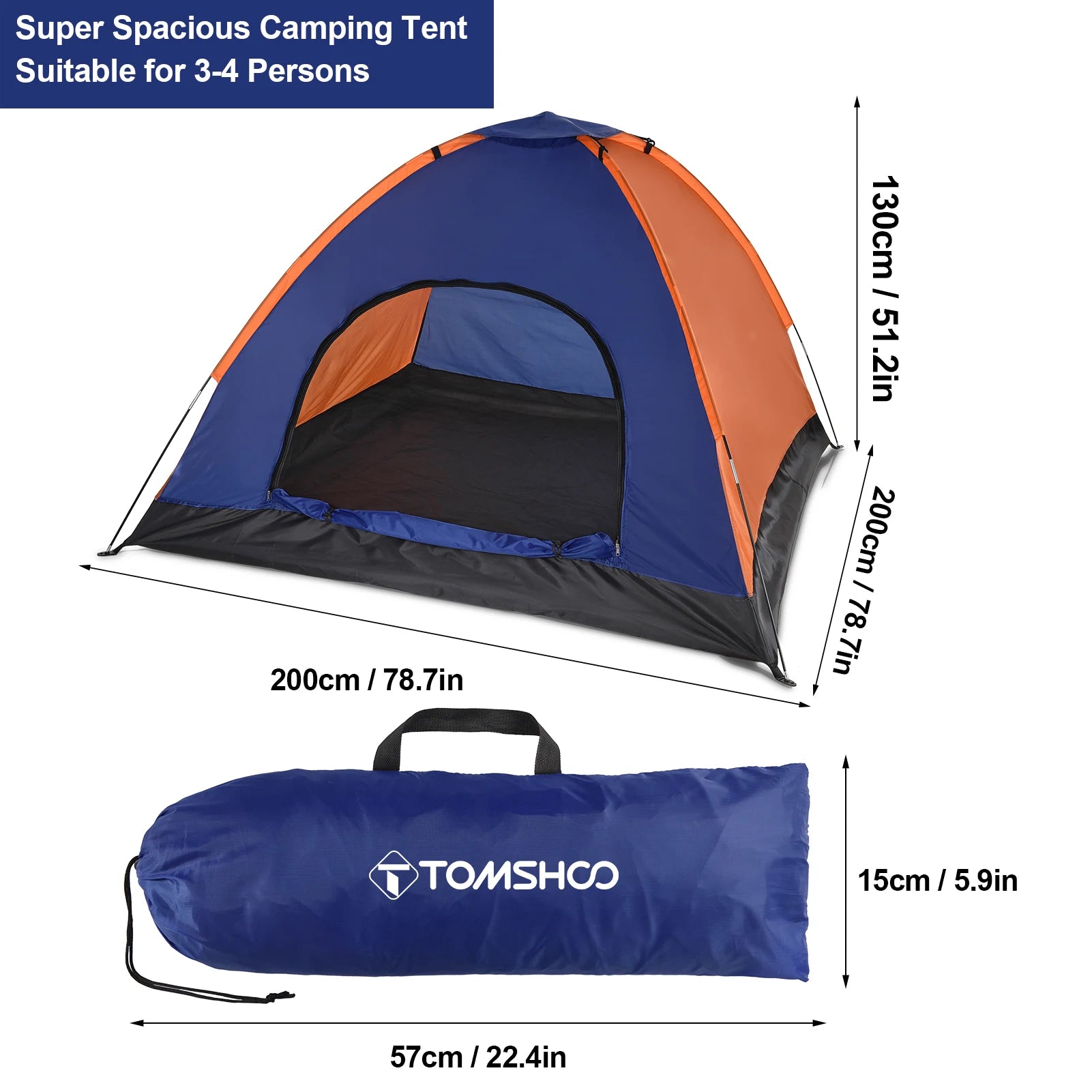
💡 See it in action
How To Waterproof Camping Tents Before Your Trip
Knowing how to waterproof camping tents can dramatically improve storm performance and extend tent lifespan. Waterproofing treatments help restore aging fabric coatings and seal weak points before leaks become major problems during rain-heavy adventures.
- Clean the tent thoroughly and allow it to dry completely.
- Apply seam sealer along stitched areas and floor corners.
- Use waterproof spray designed for outdoor fabrics.
- Inspect the rain fly for worn coatings or pinholes.
- Test the tent with a hose before traveling.
Campers often overlook ground moisture. Using a tarp underneath your tent reduces abrasion and helps prevent water seepage during long storms.
For added protection during extended rain exposure, many outdoor travelers also carry:
Storm Camping Packing Checklist
A waterproof tent alone cannot guarantee a dry camping experience. Smart preparation matters just as much.
- Full rain fly tent
- Extra tent stakes and guy lines
- Waterproof storage bags
- Ground tarp
- Quick-dry clothing
- Backup lighting
- Portable food storage
- Dry sleeping gear
Many rainy-weather campers also keep emergency essentials from Safety, Survival & Emergency close by for unexpected weather shifts.
Common Mistakes That Cause Tent Leaks
Even high-end camping waterproof tents can fail when setup mistakes allow water inside.
Poor Tent Placement
Never pitch tents in low ground where rainwater collects overnight.
Touching Tent Walls
When sleeping bags or gear press against wet walls, moisture transfers inside.
Loose Rain Fly Setup
A sagging rain fly allows water pooling and poor airflow.
Skipping Maintenance
Old seam tape and worn waterproof coatings eventually break down.
A backpacker from Oregon described surviving a weekend storm only because they tightened their rain fly correctly and added an extra tarp barrier before the downpour started.
How Smart Tent Setup Improves Rain Protection
Proper setup techniques can improve rain resistance almost as much as buying a better tent.
- Angle doors away from wind direction
- Use all guy-out points for stability
- Create airflow through vents
- Keep wet gear outside the sleeping area
- Inspect seams before every trip
Campers managing longer adventures often improve comfort with gear from Folding Chairs & Tables and Lighting & Power to create dry, functional campsites during bad weather.
👉 Get ready before your next storm camping trip. Browse durable outdoor essentials in Weather Accessories and dependable shelter gear inside Camping Tents & Shelter.
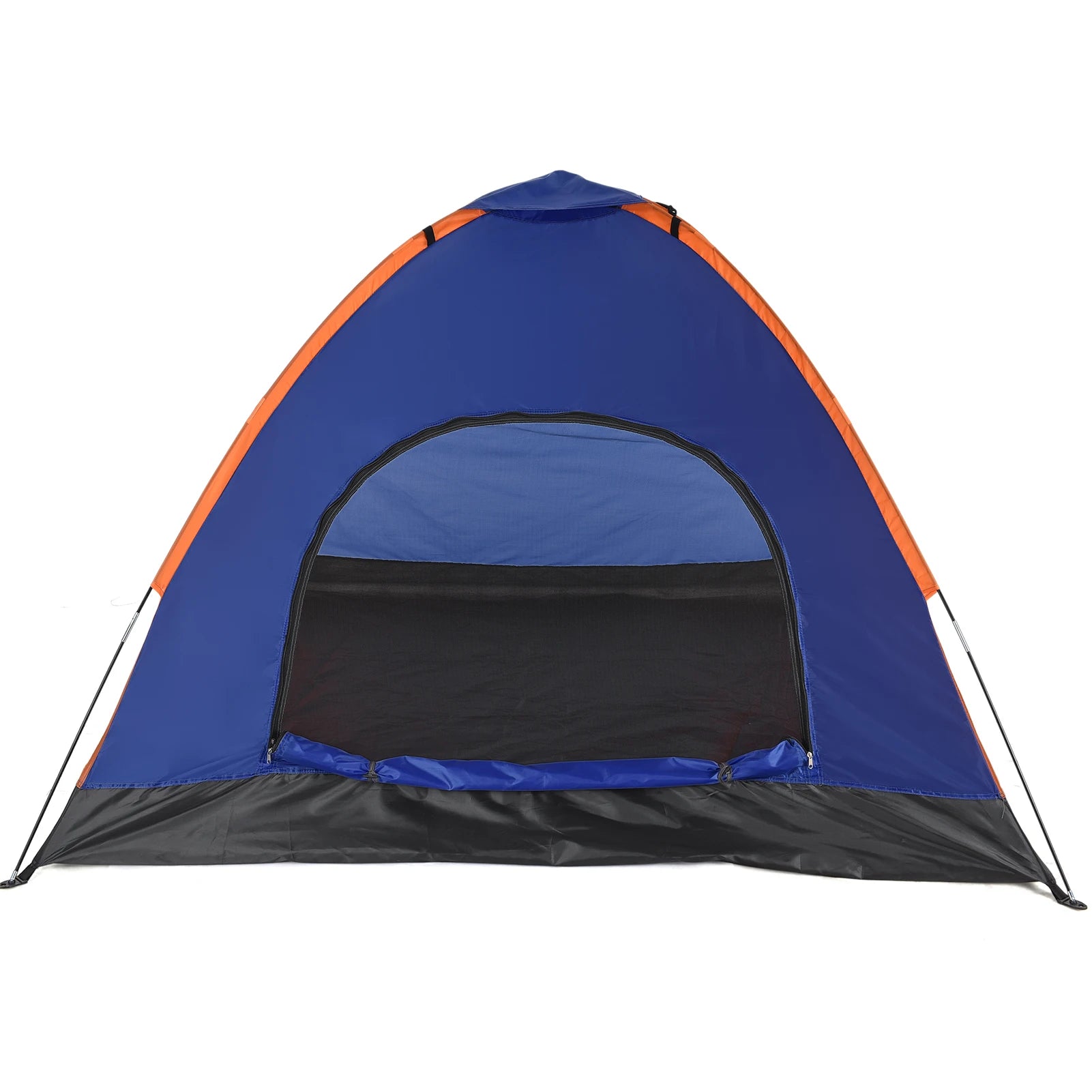
💡 See it in action
Conclusion
Choosing the right camping waterproof tents for heavy rain trips comes down to more than marketing labels. Waterproof ratings, seam sealing, rain fly coverage, airflow, and setup techniques all work together to determine whether your campsite stays dry or becomes miserable during storms.
Campers who prepare properly often enjoy rainy adventures far more than expected. The right shelter setup creates warmer nights, protects expensive gear, and makes unpredictable weather far less stressful.
Whether you prefer compact backpacking shelters or roomy family camping setups, investing in dependable rain protection can completely change your outdoor experience.
Frequently Asked Questions
Do camping waterproof tents stop all leaks?
High-quality waterproof tents significantly reduce leaks, but setup quality, seam maintenance, and ventilation also affect performance. Poor pitching or damaged coatings can still allow water inside.
Why is light rain leaking through tent walls?
Light rain leaking through tent walls usually happens because of worn waterproof coatings, poor ventilation causing condensation, loose rain fly setup, or low waterproof ratings.
How often should I waterproof my camping tent?
Most campers should reapply waterproofing treatments every one to three years depending on usage, storage conditions, and exposure to sun or heavy rain.
Are compact camping tents with rain fly systems good for storms?
Yes. Compact camping tents with full rain fly coverage often perform very well in storms while remaining lightweight and easy to transport.
What waterproof rating is best for heavy rain camping?
For consistent heavy rain, most experienced campers recommend waterproof ratings between 3000mm and 5000mm combined with sealed seams and durable rain fly protection.
Pillar Article: Best Quick Set Up Tents Compared For Stress-Free Camping
Other Related Articles:
- Best Budget Tents For Backpacking That Still Feel Premium
- Easiest Tent To Set Up For Beginners And Weekend Trips
- Best Camping Tent 4 Person Picks For Families In 2026
- Lightweight Two Person Tents Ranked For Easy Backpacking
Explore More:





