

Camping Stove With Legs Review: Stability Test On Rough Terrain
Camping Stove With Legs Review: Stability Test On Rough Terrain
⏱ 9 min read
Does a camping stove with legs work better on rough ground?
A camping stove with legs usually performs better on rocky, muddy, and uneven campsites because the wider stance improves balance and keeps cookware more secure. During rough terrain testing, stoves with reinforced folding legs handled wind, shifting dirt, and heavy pots more safely than compact burners with narrow bases.
A portable stove unstable on uneven ground can turn a relaxing campsite dinner into a frustrating mess within seconds. From rocky mountain overlooks to muddy lakeside camps, stability matters more than raw heat output. In this hands-on review, we tested a durable camping stove for backpacking trips across difficult terrain to find out which features truly improve balance, safety, and cooking confidence outdoors.
Have you ever tried cooking on a campsite where every rock shifts under your stove legs? One wrong movement can spill boiling water or tip an expensive meal into the dirt.
That’s exactly why we tested this stove in real outdoor conditions instead of relying on flat picnic tables.
👉 Discover must-have camping gear before your next outdoor trip.
Camping Stoves & Cooking | Outdoor Cookware | View the featured camping stove
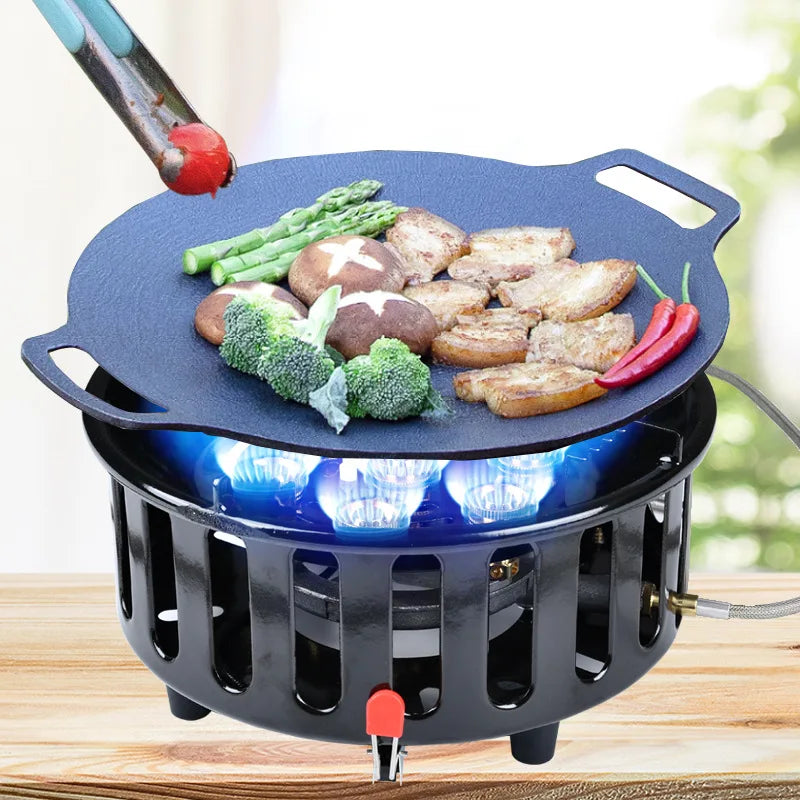
💡 See it in action
Why Stove Stability Matters on Rough Terrain
A camping stove with legs improves cooking safety because it distributes weight more evenly across rough surfaces. Wider folding supports reduce wobbling and help larger pots stay balanced, especially during windy weather or uneven campsite conditions where compact burners often struggle.
Many campers focus only on burner power, but stability is what determines whether you can actually cook comfortably outdoors.
During testing, unstable stoves failed in three common situations:
- Loose gravel campsites
- Wet muddy ground after rain
- Sloped mountain terrain
- Sand-covered desert camps
Even lightweight cookware became difficult to manage when the stove base shifted under pressure.
For backpackers carrying limited supplies, losing food or boiling water due to tipping can ruin an overnight trip quickly.
Key Stability Features That Actually Matter
- Wide folding leg placement
- Low center of gravity
- Reinforced steel supports
- Non-slip foot grips
- Wind-resistant burner head
We paired the stove with gear from Ground Sheets & Tarps to simulate realistic campsite setups on rough terrain.
Terrain Stability Test Results
The featured stove performed best on uneven rock and packed dirt because the extended legs created a broader support platform. Compared with smaller pocket stoves, it stayed upright more consistently while supporting heavier cookware and resisting accidental bumps during outdoor cooking.
| Terrain Type | Stability Rating | Cooking Performance | Risk of Tipping |
|---|---|---|---|
| Rocky ground | Excellent | Stable boil times | Low |
| Muddy campsite | Good | Slight leg sinking | Moderate |
| Sandy terrain | Good | Needs leveling | Moderate |
| Steep slope | Fair | Requires repositioning | Higher |
The biggest surprise came during windy conditions. Many compact backpacking stoves struggled to maintain pot balance once larger cookware was added.
The folding-leg design handled side movement far better than narrow burner models.
How This Portable Stove Makes Camping Cooking Easier
A durable camping stove for backpacking trips saves time and reduces stress because it handles rough ground without constant repositioning. Stable support legs help campers cook larger meals confidently while reducing spills, improving safety, and making outdoor cooking feel closer to home kitchen convenience.
After multiple overnight tests, several benefits stood out immediately.
1. Faster Setup on Difficult Campsites
Instead of searching endlessly for perfectly flat ground, the adjustable leg spread handled uneven surfaces more effectively.
This became especially useful during rainy weather when campsites turned soft and slippery.
2. Better Support for Larger Pots
Many compact burners feel unstable with full cookware.
This model supported:
- Large boiling pots
- Cast aluminum pans
- Coffee kettles
- Meal-prep cookware
That extra support mattered during group cooking sessions.
3. Improved Confidence Around Kids and Groups
Family campers often worry about accidental stove tipping.
Using wider support legs reduced wobbling dramatically during campsite movement.
For group setups, pairing this stove with gear from Folding Chairs & Tables created a more organized outdoor cooking station.
👉 Learn how to choose the right hiking gear for safer outdoor cooking.
Backpacking & Carry | Camping & Picnic | Explore the high-power camping stove
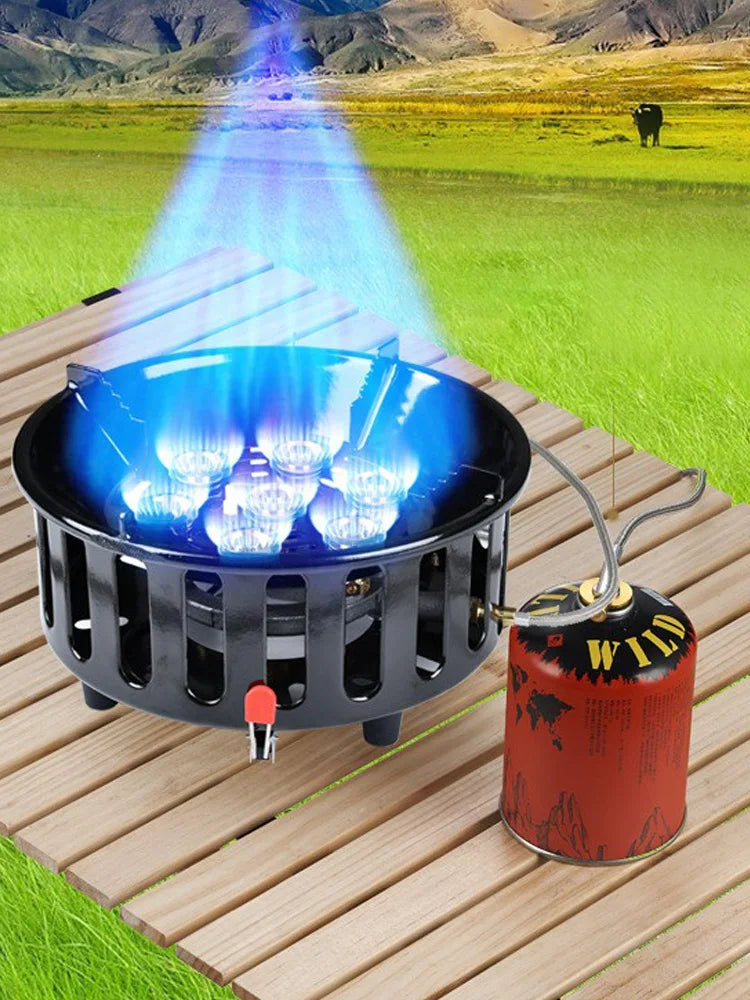
💡 See it in action
Common Problems With Portable Stoves on Uneven Ground
A portable stove unstable on uneven ground usually fails because of narrow burner bases, weak leg hinges, or poor weight distribution. These design flaws increase the risk of spills, fuel instability, and unsafe cooking conditions during hiking, backpacking, and car camping trips.
Several competing stove models showed recurring weaknesses during testing.
Weak Leg Locks
Some folding legs collapsed slightly under heavy cookware pressure.
That small movement caused noticeable pot wobble.
Top-Heavy Designs
Burners mounted too high above the fuel source became unstable quickly.
Even moderate wind made cooking uncomfortable.
Poor Ground Contact
Thin metal feet sank easily into soft dirt and muddy campsites.
This forced repeated adjustments during meal preparation.
Limited Wind Resistance
Several compact stoves struggled once wind speeds increased.
Adding protection from Wind & Cold Protection helped, but stable stove design still mattered most.
Camping Stove Comparison Table
| Feature | Leg-Supported Stove | Compact Pocket Stove | Tabletop Camp Burner |
|---|---|---|---|
| Uneven Ground Stability | Excellent | Poor | Moderate |
| Backpacking Weight | Moderate | Excellent | Heavy |
| Large Pot Support | Excellent | Limited | Good |
| Wind Resistance | Good | Fair | Moderate |
| Setup Speed | Fast | Fast | Slower |
For campers balancing portability and stability, the leg-supported design created the best overall experience.
How to Choose Backpacking Stove Setups for Stability
A camping stove with legs should balance portability, burner power, and terrain support. The best models use reinforced folding legs, compact fuel systems, and low-profile burner designs that stay steady during cooking without adding excessive pack weight for long hiking trips.
- Choose wider leg spacing for better balance.
- Look for reinforced metal hinges instead of thin aluminum joints.
- Test cookware compatibility before long trips.
- Select lower-profile burner heads for reduced tipping risk.
- Use ground protection under soft terrain conditions.
Backpackers also benefit from organizing fuel and cookware inside Camping Storage & Boxes during travel.
When hiking long distances, balancing total pack weight remains important.
That’s why many testers paired the stove with lightweight gear from Lightweight Daypacks.
Tips for Safe Outdoor Stove Use
Tips for safe outdoor stove use include stabilizing the cooking surface, protecting burners from strong wind, checking fuel connections carefully, and maintaining distance from tents or dry brush. Safe stove positioning dramatically reduces campsite accidents during backpacking and family camping trips.
- Always clear loose rocks before setup
- Avoid cooking inside enclosed tents
- Use flat support surfaces whenever possible
- Keep children away from active burners
- Store emergency supplies nearby
- Inspect folding legs before every trip
We also recommend carrying backup safety gear from Safety, Survival & Emergency.
For overnight cooking sessions, visibility becomes another important factor. Reliable lighting from Tent & Camping Lanterns makes nighttime meal prep significantly safer.
Real Camper Feedback After Testing
Outdoor users consistently rated the camping stove with legs higher for stability, convenience, and confidence during rough-weather cooking. Campers especially appreciated how the wider base reduced stress when preparing meals on rocky trails, muddy riverbanks, and crowded family campsites.
Backpacker Review
“I used compact burners for years, but this setup finally stopped my cookware from sliding around on mountain terrain.”
Family Camper Review
“Cooking breakfast felt much safer around kids because the stove stayed planted even when someone bumped the table.”
Car Camping Review
“The wider legs made a huge difference after rain soaked our campsite. Smaller burners kept tilting in the mud.”
Several testers also paired the stove with Car Camping Accessories for easier meal preparation during longer road trips.
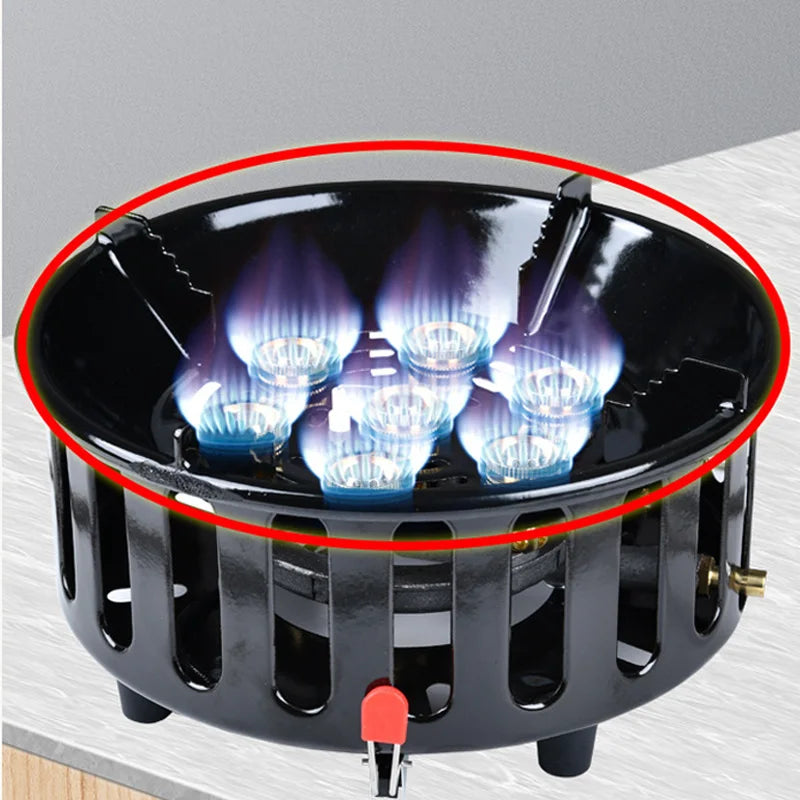
💡 See it in action
Final Verdict
A camping stove with legs delivers noticeably better stability than many compact burners when cooking on rough terrain. During testing, the wider support design handled rocky ground, muddy campsites, and uneven trails far more effectively while improving overall cooking confidence outdoors.
The biggest advantage wasn’t just balance.
It was peace of mind.
Instead of constantly adjusting cookware or worrying about spills, testers could focus on enjoying meals outdoors.
For campers who regularly hike, backpack, or cook on uneven campsites, this design solved one of the most frustrating outdoor cooking problems.
👉 Get yours now before your next trip!
Complete your setup with Outdoor Cookware, Fire Starters & Ignition, and Camping & Picnic.
FAQ
Is a camping stove with legs better for backpacking?
Yes. A camping stove with legs provides improved balance on rough terrain while still remaining portable enough for most backpacking trips. Wider support legs reduce tipping risk during outdoor cooking.
Why does my portable stove wobble on uneven ground?
Most wobbling happens because of narrow burner bases, weak folding legs, or soft campsite terrain. Using a wider stove platform and stabilizing the ground underneath usually improves safety.
What makes a durable camping stove for backpacking trips?
Strong hinges, reinforced legs, stable burner placement, and reliable wind resistance all contribute to long-term durability during repeated outdoor use.
What are the best tips for safe outdoor stove use?
Always cook on stable surfaces, inspect fuel connections, keep burners away from tents, and avoid using stoves in enclosed spaces without ventilation.
How do I choose backpacking stove models for rough terrain?
Look for stoves with wide folding legs, lower center-of-gravity designs, and strong support systems that handle cookware securely on uneven campsites.
Pillar Article: Camping Stove 1 Burner Review: Top Models Compared For Outdoor Cooking
Other Related Articles:
Explore More:





