

Camping Stove Wind Protector Setup Guide For Stable Flames
Camping Stove Wind Protector Setup Guide For Stable Flames
⏱ 8 min read
Does a camping stove wind protector really help?
A camping stove wind protector helps block gusts that cause uneven heat, wasted fuel, and frustrating cooking delays outdoors. By shielding the flame, campers can boil water faster, maintain steady heat, and reduce the risk of camp cooking flames blowing out during windy hikes, beach trips, or mountain campsites.
If you’ve ever struggled to boil water while wind keeps pushing your flame sideways, you already know how frustrating outdoor cooking can become. A camping stove wind protector creates a more controlled cooking setup, helping your meals cook evenly while saving fuel and reducing stress. Whether you’re planning a weekend campsite breakfast or preparing meals during a windy backpacking trip, this guide explains how to set up stable flames quickly and safely.
What gear actually makes camping easier when the weather suddenly changes? For many outdoor cooks, a windproof setup is the difference between a smooth meal and a frustrating night around the campsite.
Camping Stoves & Cooking | Outdoor Cookware | Explore the high-power camping stove
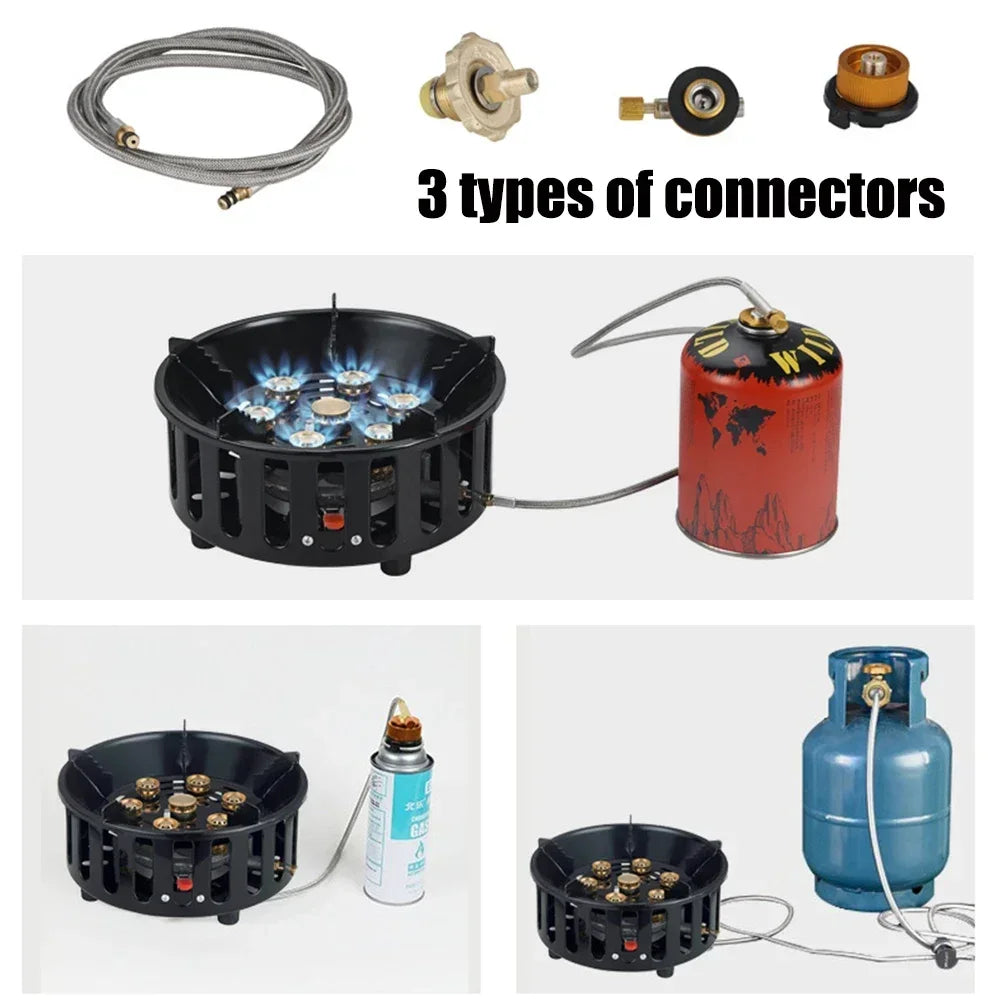
💡 See it in action
Why Wind Causes Outdoor Cooking Problems
A small breeze may not seem serious until it starts affecting your stove flame. Outdoor cooking setups are exposed to constantly changing airflow, especially near lakes, beaches, mountain ridges, and open campgrounds.
When wind reaches your burner directly, several problems appear:
- Flames become unstable and uneven
- Water takes longer to boil
- Fuel consumption increases quickly
- Cooking temperatures fluctuate
- Camp cooking flames keep blowing out unexpectedly
This becomes especially frustrating during cold mornings when campers rely on quick hot meals or coffee. Many portable stove reviews for outdoor cooking mention wind resistance as one of the biggest performance differences between average and reliable camping stoves.
How Wind Impacts Fuel Efficiency
Without protection, wind disperses heat before it reaches your cookware. This means your stove burns longer to achieve the same cooking result.
| Cooking Condition | Fuel Usage | Cooking Speed |
|---|---|---|
| Protected Flame | Lower | Faster |
| Direct Wind Exposure | Higher | Slower |
| Strong Gusts | Very High | Unpredictable |
Campers often discover that adding a wind protector improves overall fuel efficiency during multi-day adventures.
How a Camping Stove Wind Protector Creates Stable Flames
A camping stove wind protector surrounds the burner with a barrier that reduces airflow interference while maintaining safe ventilation. This helps produce a steady flame pattern, more consistent heat, and better control during outdoor cooking in windy conditions.
The best way to cook in wind is not simply turning the flame higher. Instead, it involves controlling airflow around the burner while maintaining enough oxygen for efficient combustion.
Wind protectors help by:
- Reducing direct wind exposure
- Stabilizing flame direction
- Improving burner heat concentration
- Preventing sudden flame extinguishing
- Supporting safer cooking conditions
Experienced campers often combine a windproof butane stove for camping with natural wind barriers like rocks, vehicles, or trees for even greater performance.
Why Windproof Butane Stoves Are Popular
Portable butane stoves remain a favorite for campers because they are lightweight, compact, and easy to ignite. When paired with a camping stove wind protector, they become significantly more dependable during changing weather conditions.
Many outdoor travelers prefer compact setups available through Camping & Picnic and Weather Protection & Environment collections to simplify meal preparation while traveling.
Wind & Cold Protection | Car Camping Accessories | See the powerful camping stove setup
Step-By-Step Camping Stove Wind Protector Setup
Setting up your cooking station properly can dramatically improve outdoor meal preparation. Follow these practical steps to create safer and more stable cooking conditions.
1. Choose a Flat Surface
Always begin with stable ground. Uneven surfaces increase the risk of tipping cookware or shifting fuel canisters.
Ground sheets from Ground Sheets & Tarps can help create a cleaner cooking zone in dirt, gravel, or muddy campsites.
2. Position the Stove Away From Direct Gusts
Look for natural protection near rocks, picnic tables, vehicles, or trees. Avoid setting your stove on exposed ridges or directly in wind tunnels between tents.
3. Place the Wind Protector Around the Burner
The wind shield should wrap around the burner while leaving a small opening for ventilation. Never fully seal the stove because airflow is still necessary for safe combustion.
- Keep ventilation gaps open
- Avoid touching hot cookware
- Maintain safe distance from fuel canisters
- Test flame stability before cooking
4. Adjust Flame Height Carefully
High flames are more vulnerable to wind movement. Moderate flame levels often produce better cooking consistency outdoors.
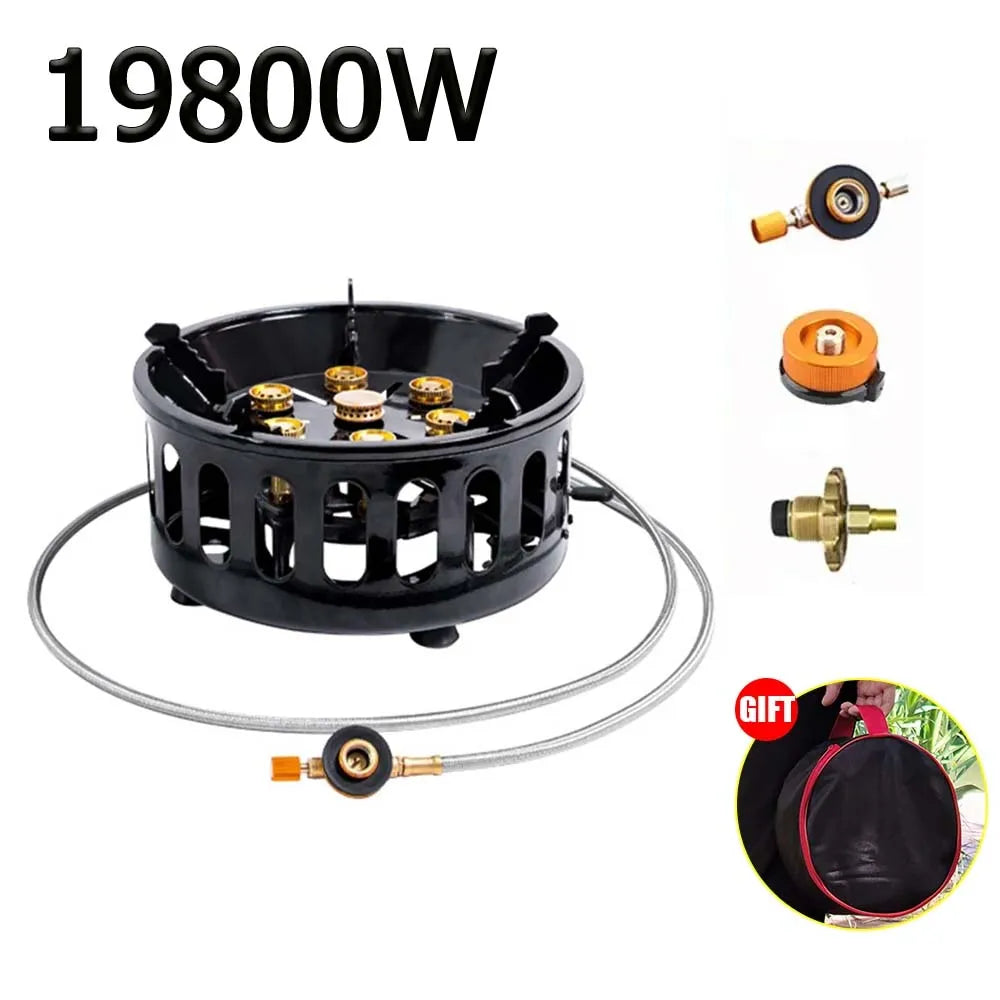
💡 See it in action
5. Use Proper Outdoor Cookware
Wide-bottom cookware helps distribute heat more evenly in outdoor conditions. Compact cookware from Outdoor Cookware collections often performs better with portable camping stoves.
Best Places to Position Your Stove Outdoors
Even the best windproof butane stove for camping performs better when strategically positioned.
| Location | Wind Exposure | Cooking Stability |
|---|---|---|
| Behind Vehicle | Low | Excellent |
| Open Field | High | Poor |
| Tree Line | Moderate | Good |
| Near Tent Wall | Low | Good |
Campers traveling during colder seasons often combine stove wind protection with items from Wind & Cold Protection to create more comfortable outdoor meal stations.
Common Mistakes That Make Flames Blow Out
Many outdoor cooks unknowingly create unstable flame conditions by rushing setup or ignoring environmental factors.
Mistake 1: Cooking on Elevated Surfaces
Picnic benches and unstable folding surfaces may expose the burner to stronger airflow.
Mistake 2: Blocking Ventilation Completely
While protection matters, airflow remains essential. Completely enclosing the flame can create dangerous overheating or inefficient burning.
Mistake 3: Using Oversized Cookware
Large pans may trap heat around the stove body, affecting fuel efficiency and burner stability.
Mistake 4: Ignoring Weather Forecasts
Sudden wind changes happen frequently in mountain and coastal campsites. Smart campers pack weather-ready equipment from Weather Accessories and Safety, Survival & Emergency collections.
Quick Comparison of Windproof Cooking Solutions
Portable stove reviews for outdoor cooking often compare multiple wind management approaches.
| Solution | Best Use | Portability | Wind Resistance |
|---|---|---|---|
| Foldable Wind Shield | Backpacking | Excellent | Good |
| Integrated Windproof Stove | All-purpose camping | Very Good | Excellent |
| Natural Barriers | Car camping | N/A | Moderate |
| Large Cooking Shelters | Group campsites | Limited | Very Good |
Many campers eventually upgrade to more reliable setups after repeated experiences with camp cooking flames blowing out in windy conditions.
How Portable Stoves Make Outdoor Cooking Easier
A dependable stove setup improves more than cooking speed. It also helps campers stay organized, safer, and more relaxed outdoors.
Benefits often mentioned in portable stove reviews for outdoor cooking include:
- Faster breakfast preparation
- More reliable coffee brewing
- Reduced fuel waste
- Improved meal consistency
- Less stress during poor weather
One camper described finally enjoying windy beach camping after switching to a protected stove system because “the flame stopped dancing around every time the ocean breeze picked up.”
Reliable setups also pair well with supportive camping equipment from Folding Chairs & Tables and Camping Storage & Boxes for smoother meal organization.
Shop the high-power camping stove
Extra Camping Gear That Improves Cooking Comfort
Wind protection works best as part of a complete outdoor cooking setup.
Recommended Additions
- Camping Lights & Lanterns for nighttime meal prep
- Food Storage Bags & Containers for organized ingredients
- Collapsible Water Bottles for compact hydration storage
- Portable Power Banks for charging cooking accessories
- Group Picnic Accessories for larger campsites
Simple upgrades often create noticeably more enjoyable camping experiences, especially during extended outdoor trips.
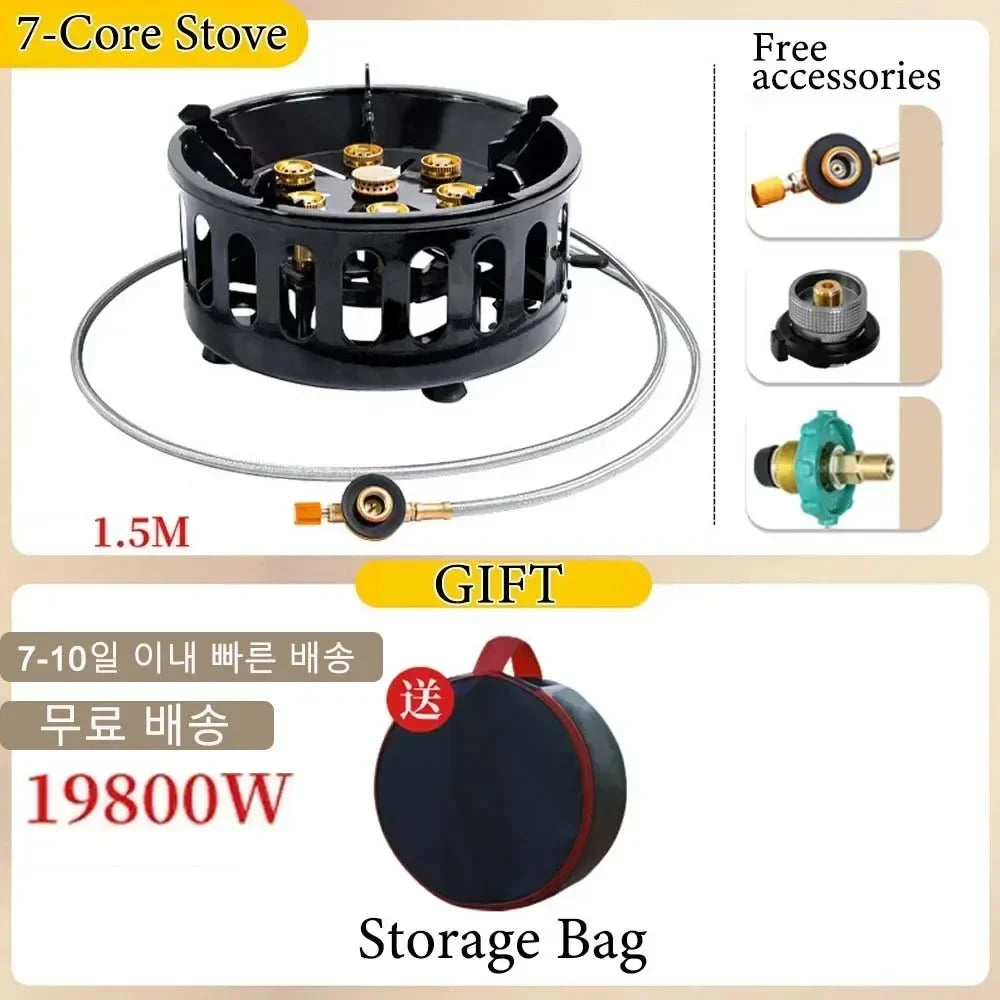
💡 See it in action
Conclusion
A camping stove wind protector may seem like a small accessory, but it can dramatically improve cooking reliability outdoors. From reducing fuel waste to preventing camp cooking flames from blowing out, stable flame control helps campers prepare meals faster and with far less frustration.
Whether you're planning mountain adventures, beach cookouts, or weekend campground breakfasts, combining a reliable stove with proper wind protection creates a safer and more enjoyable outdoor cooking experience.
Camping Stove Wind Protector FAQ
What is the best way to cook in wind while camping?
The best way to cook in wind is to combine a stable stove surface, a camping stove wind protector, and natural wind barriers. Position the stove away from direct gusts while maintaining safe ventilation around the burner.
Why do camp cooking flames keep blowing out?
Camp cooking flames usually blow out because of unstable airflow, excessive flame height, or poor stove positioning. Wind exposure can disrupt fuel combustion and reduce flame stability outdoors.
Are windproof butane stoves for camping worth it?
Yes. Windproof butane stoves for camping generally provide more reliable ignition, better heat consistency, and improved fuel efficiency compared to unprotected burners in windy conditions.
Can I use a camping stove wind protector with any portable stove?
Most portable stoves are compatible with wind protectors, but always follow manufacturer safety guidelines. Ensure there is enough ventilation and avoid enclosing fuel canisters directly.
Pillar Article: How To Use Butane Stove Step-By-Step Camping Guide
Other Related Articles:
- How To Cook While Camping Without Burning Food: Simple Guide
- Stove Portable Camping: How To Use It Safely Outdoors
- Foldable Stove For Camping: How To Set Up In 3 Easy Steps
Explore More:





