

Camp Stove Windscreen: How To Cook In Strong Wind Safely
Camp Stove Windscreen: How To Cook In Strong Wind Safely
⏱ 9 min read
Does a camp stove windscreen really help in strong wind?
A camp stove windscreen helps block gusts that waste fuel, reduce heat output, and cause unstable flames. The right setup improves cooking speed, protects cookware stability, and supports safer outdoor stove use during windy camping trips, backpacking adventures, and cold-weather cooking situations.
Nothing ruins a campsite meal faster than wind blowing out your flame halfway through cooking. Whether you are making coffee at sunrise or boiling water after a long hike, strong gusts can waste fuel, increase cooking time, and create dangerous flare-ups. A reliable camp stove windscreen helps stabilize heat, improve fuel efficiency, and make outdoor cooking safer in unpredictable weather.
👉 Discover must-have camping gear before your next windy adventure.
Camping Stoves & Cooking and Weather Protection & Environment essentials can make outdoor meals faster, safer, and less frustrating.
💡 See it in action
Why Wind Makes Camp Cooking Harder
Have you ever noticed how one strong gust can instantly cool your pan or blow your burner sideways?
Wind affects outdoor cooking in several ways:
- Flames become unstable and uneven
- Fuel burns faster than necessary
- Water takes longer to boil
- Cookware loses heat constantly
- Nearby gear can overheat from redirected flames
Many campers assume their stove is weak when the real problem is poor wind protection. Even the best camping stove for windy weather struggles if exposed directly to crosswinds.
| Wind Condition | Common Cooking Problem | Recommended Fix |
|---|---|---|
| Light breeze | Longer boiling times | Partial windscreen barrier |
| Moderate gusts | Flame flickering | Lower stove profile placement |
| Strong crosswind | Flame blowout | Full windscreen plus natural barriers |
| Cold windy weather | Fuel inefficiency | Insulated cookware and proper shielding |
Campers using gear from Outdoor Cookware collections often notice better heat retention when combined with proper wind protection.
How a Camp Stove Windscreen Improves Safety
A camp stove windscreen creates a controlled cooking zone that reduces fuel waste and protects flames from gusts. Proper positioning improves cooking consistency while lowering the risk of flare-ups, overheated fuel canisters, and accidental burns during windy outdoor cooking conditions.
The best windscreens do more than block air. They also:
- Direct heat toward cookware instead of open air
- Reduce the chances of sudden flame extinguishing
- Help maintain stable cooking temperatures
- Protect nearby gear from accidental heat exposure
- Improve fuel efficiency during long trips
Many backpackers pair windscreens with compact gear from Backpacking & Carry setups to keep cooking systems lightweight and efficient.
A well-designed cooking setup becomes especially important during alpine camping, beach camping, or exposed desert conditions where wind direction changes constantly.
👉 Learn how to choose the right hiking gear for harsh weather cooking.
Explore reliable setups from Camping & Picnic and Wind & Cold Protection collections for safer outdoor meals.
Why Some Windscreens Become Dangerous
Improperly placed windscreens can trap excessive heat around fuel canisters. This increases pressure and creates potential safety hazards.
Safe outdoor stove use means leaving ventilation gaps and avoiding fully enclosed fuel systems. The goal is controlled airflow—not sealed heat buildup.
Natural Wind Barriers That Work Better
Experienced campers often combine a windscreen with natural terrain:
- Large rocks
- Logs
- Snow walls
- Vehicle positioning during car camping
- Low ground depressions
Using environmental cover reduces the amount of direct shielding your stove needs.
Best Way To Cook In Wind Safely
If your camp cooking flames keep blowing out, follow these practical setup steps before lighting your stove.
- Choose stable ground. Uneven surfaces increase spill risk during gusts.
- Position the stove low. Lower setups experience less wind exposure.
- Angle the windscreen properly. Leave small openings for airflow.
- Keep fuel canisters shaded. Avoid trapped radiant heat.
- Use cookware with lids. Heat retention matters more in wind.
- Monitor flame color. Weak yellow flames may indicate airflow issues.
Campers traveling with gear from Car Camping Accessories often use folding tables and larger wind barriers for extra cooking stability.
How To Position Your Windscreen Correctly
The safest setup usually places the windscreen around three sides of the stove while leaving controlled airflow openings.
Avoid wrapping windscreens tightly around gas canisters. Heat buildup can become dangerous surprisingly fast during long cooking sessions.
What Gear Actually Makes Cooking Easier In Wind?
- Wide-base camp stoves
- Integrated windscreen systems
- Heavy-bottom cookware
- Compact ignition tools
- Stable folding prep surfaces
Reliable ignition tools from Fire Starters & Ignition collections also help when repeated relighting becomes necessary during gusty conditions.
💡 See it in action
Dangerous Windscreen Mistakes Campers Make
Many outdoor cooking accidents happen because campers try to block too much wind too aggressively.
| Mistake | Why It Is Risky | Safer Alternative |
|---|---|---|
| Fully enclosing fuel canister | Overheating pressure buildup | Leave ventilation gaps |
| Cooking inside small tents | Carbon monoxide risk | Cook outdoors with shelter nearby |
| Using unstable rocks | Tip-over hazards | Choose level surfaces |
| Ignoring shifting wind direction | Unexpected flare-ups | Reposition setup regularly |
Weather changes quickly during mountain camping and coastal trips. Campers using gear from Ground Sheets & Tarps collections often create safer sheltered cooking zones without enclosing dangerous fumes.
Why Flames Keep Blowing Out Even With A Windscreen
Sometimes the issue is not wind alone.
Other possible causes include:
- Low fuel pressure in cold temperatures
- Dirty burner ports
- Oversized cookware blocking airflow
- Poor stove maintenance
- Incorrect burner height settings
Regular cleaning and proper stove setup improve long-term performance dramatically.
Best Camping Stove Features For Windy Weather
A good stove design matters just as much as the windscreen itself.
Look for these features when upgrading your cooking system:
- Low-profile burner design
- Wide pot supports
- Integrated ignition systems
- Stable fuel connections
- Adjustable flame control
- High heat output for cold weather
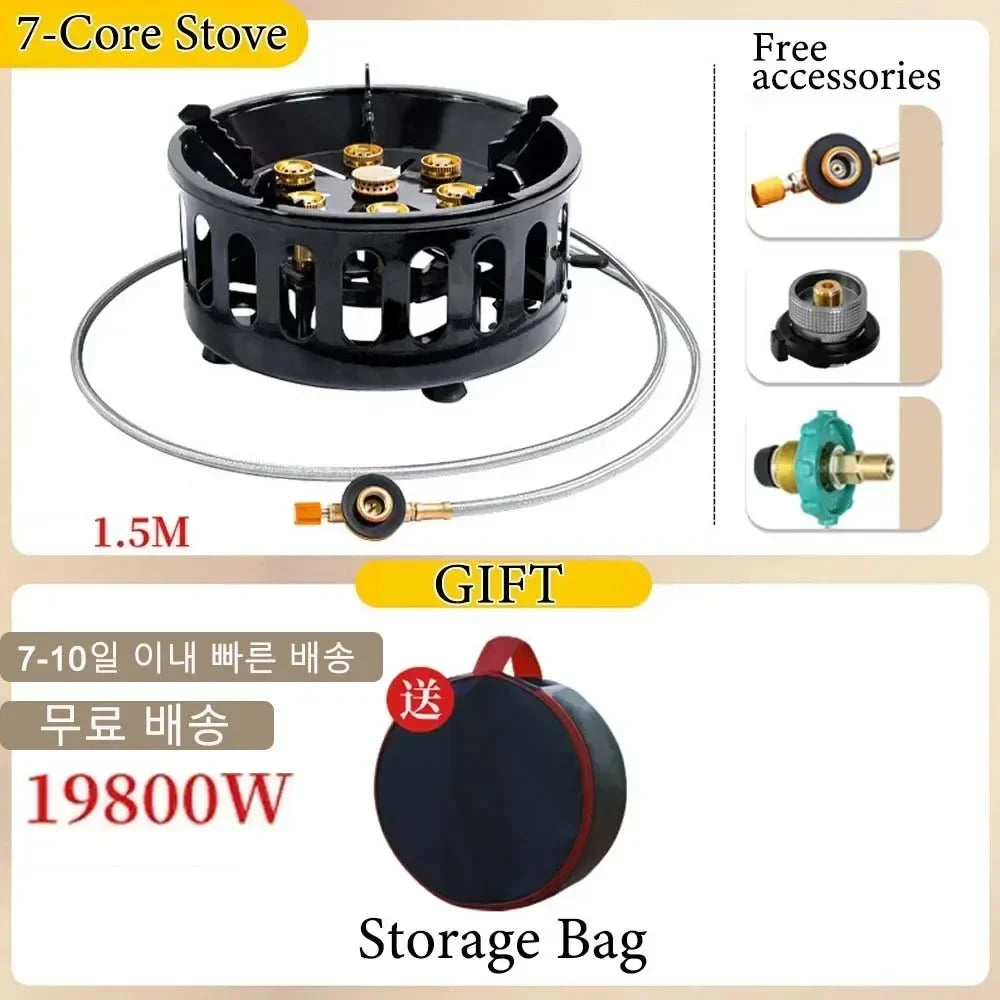
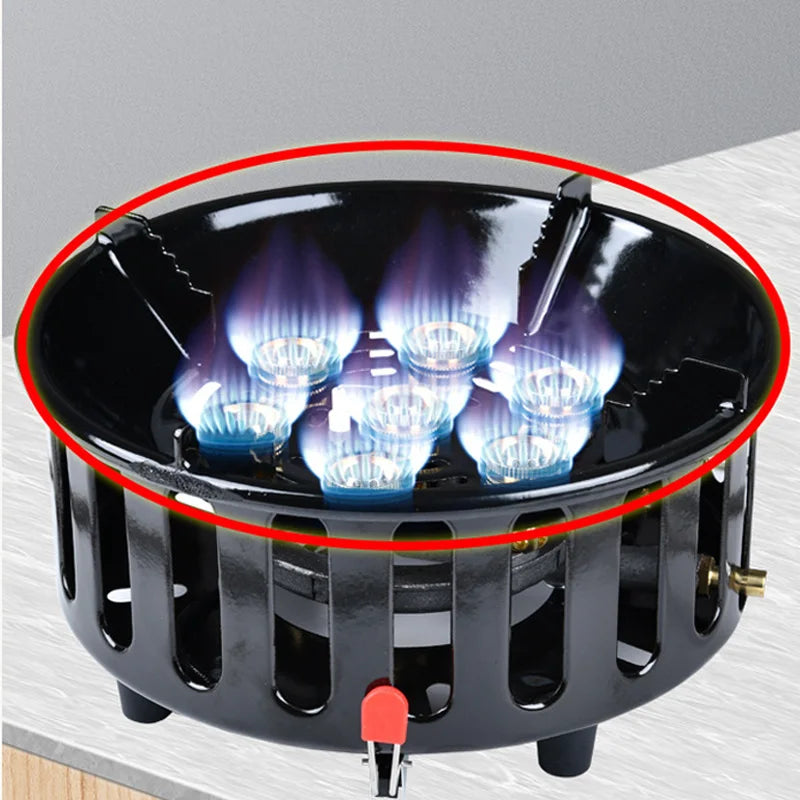
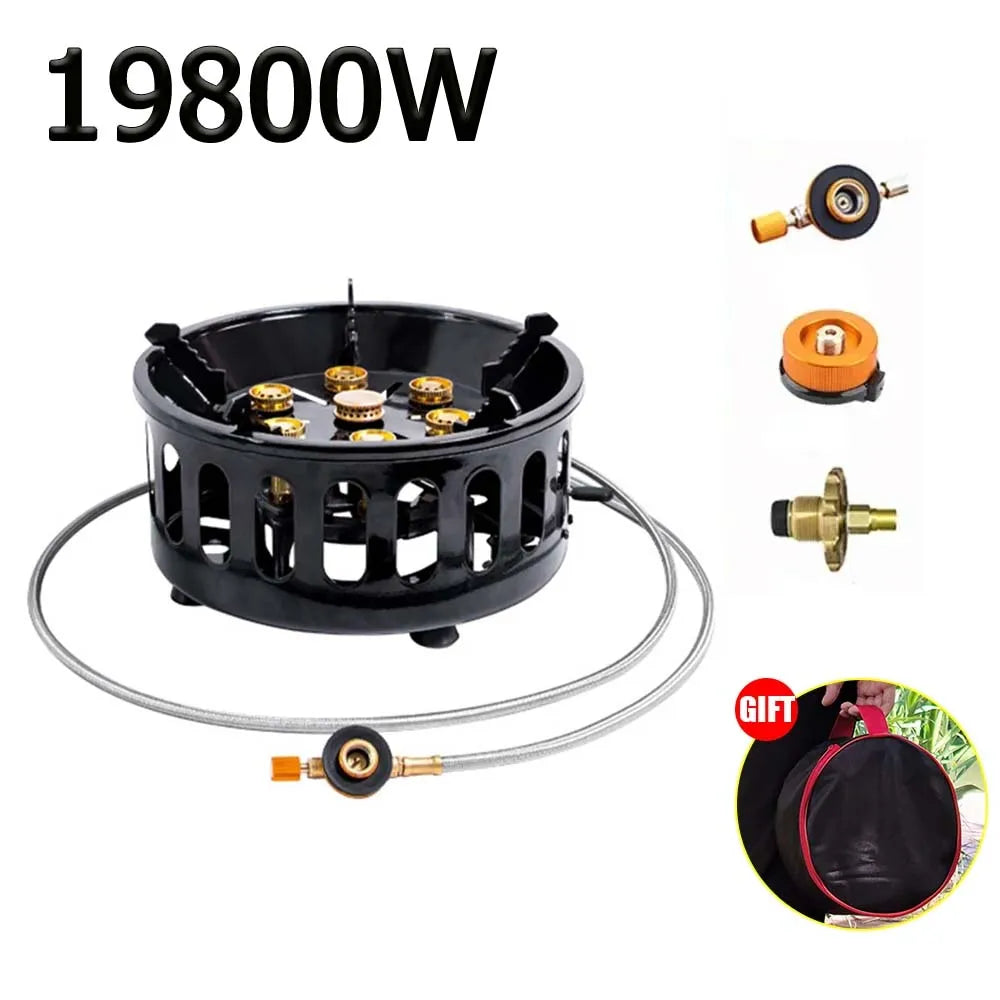
The 19800W Camping Stove High Power Gas Burner is especially useful for campers dealing with strong wind and cold temperatures because the high heat output helps maintain cooking performance during difficult conditions.
Many campers pair high-powered burners with accessories from Folding Chairs & Tables for more organized outdoor cooking stations.
Benefits Backpackers Notice Immediately
- Faster boil times
- Less fuel consumption
- More predictable cooking
- Lower stress during storms
- Safer group meal preparation
“We used to struggle making coffee during coastal camping trips because the flame kept disappearing. After adding a proper windscreen and lowering the stove setup, boiling time improved dramatically.” — Weekend camper from Oregon
“Cold mountain winds used to waste half our fuel canisters. Switching to a high-output burner with better shielding made winter cooking much easier.” — Backpacking couple in Colorado
Essential Windy Weather Cooking Gear Checklist
Cooking safely in harsh weather becomes easier when your setup stays organized.
- Camp stove windscreen
- Compact fuel canisters
- Wind-resistant lighter
- Heat-efficient cookware
- Insulated gloves
- Emergency lighting
- Waterproof storage bags
Helpful companion gear can be found in Waterproof & Dry Bags, Emergency Lighting, and Gloves & Protective Gear collections.
How Campers Fixed Flames That Kept Blowing Out
One common mistake among first-time campers is placing the stove on exposed picnic tables during windy weather.
Experienced outdoor cooks often move their setup lower to the ground and use natural barriers instead. This simple adjustment improves stability immediately.
Campers preparing group meals also benefit from organizing cooking zones separately from sleeping areas. Gear from Camping Storage & Boxes and Food Storage Bags & Containers helps keep fuel, cookware, and food protected from shifting wind and dirt.
👉 Get yours now before your next trip!
Upgrade your windy weather setup with the 19800W Camping Stove High Power Gas Burner and build a safer cooking system using gear from Safety, Survival & Emergency.
💡 See it in action
Cook Faster And Safer During Windy Camping Trips
The best way to cook in wind is combining proper stove placement, smart airflow management, and reliable equipment. A quality camp stove windscreen improves fuel efficiency, protects flames, and helps outdoor meals stay safer even in harsh weather conditions.
Whether you are backpacking through exposed ridges or preparing breakfast during a cold lakeside morning, better wind protection transforms outdoor cooking from frustrating to dependable.
FAQ
Can I fully surround my stove with a windscreen?
No. Fully enclosing gas canisters can trap dangerous heat and increase pressure buildup. Leave ventilation gaps for safe airflow.
What is the best way to cook in wind while backpacking?
Use a low-profile stove setup, combine a partial windscreen with natural barriers, and cook on stable ground away from direct gust exposure.
Why do camp cooking flames keep blowing out?
Strong crosswinds, low fuel pressure, dirty burners, and incorrect windscreen positioning are common causes of unstable flames outdoors.
What makes the best camping stove for windy weather?
Look for high heat output, stable pot supports, low-profile burners, adjustable flame control, and compatibility with safe windscreen systems.
Are windscreens safe during winter camping?
Yes, when used correctly. Proper ventilation and safe canister placement help improve fuel efficiency without creating overheating risks.
Pillar Article: Folding Camping Stove Guide: Choose Setup For Every Trip
Other Related Articles:
Explore More:





