

Best Ultralight Backpacking Sleeping Bag: Features That Boost Warmth
Best Ultralight Backpacking Sleeping Bag: Features That Boost Warmth
Does the Best Ultralight Backpacking Sleeping Bag Improve Comfort in Cold Weather?
The best ultralight backpacking sleeping bag combines low pack weight with advanced insulation, heat retention, and airflow control to help hikers sleep warmer without carrying bulky gear. Modern ultralight sleeping bag backpacking systems now use body-mapped insulation, draft protection, and moisture management to improve overnight recovery in changing backcountry conditions.
⏱ 8 min read
Cold nights in the backcountry can turn a dream hike into a miserable experience fast. Many hikers focus only on shaving ounces, but the real challenge is balancing warmth, comfort, ventilation, and packability. What gear actually makes camping easier when temperatures suddenly drop or humidity spikes overnight?
The best ultralight backpacking sleeping bag is designed to solve those problems using smarter insulation layouts, lightweight shell materials, and efficient heat retention zones. Whether you’re tackling alpine trails, weekend hikes, or minimalist camping adventures, the right sleep system can dramatically improve recovery and energy levels for the next day.
👉 Discover must-have camping gear for lighter, warmer adventures before your next overnight hike.
💡 See it in action
Why Modern Ultralight Sleeping Bags Perform Better
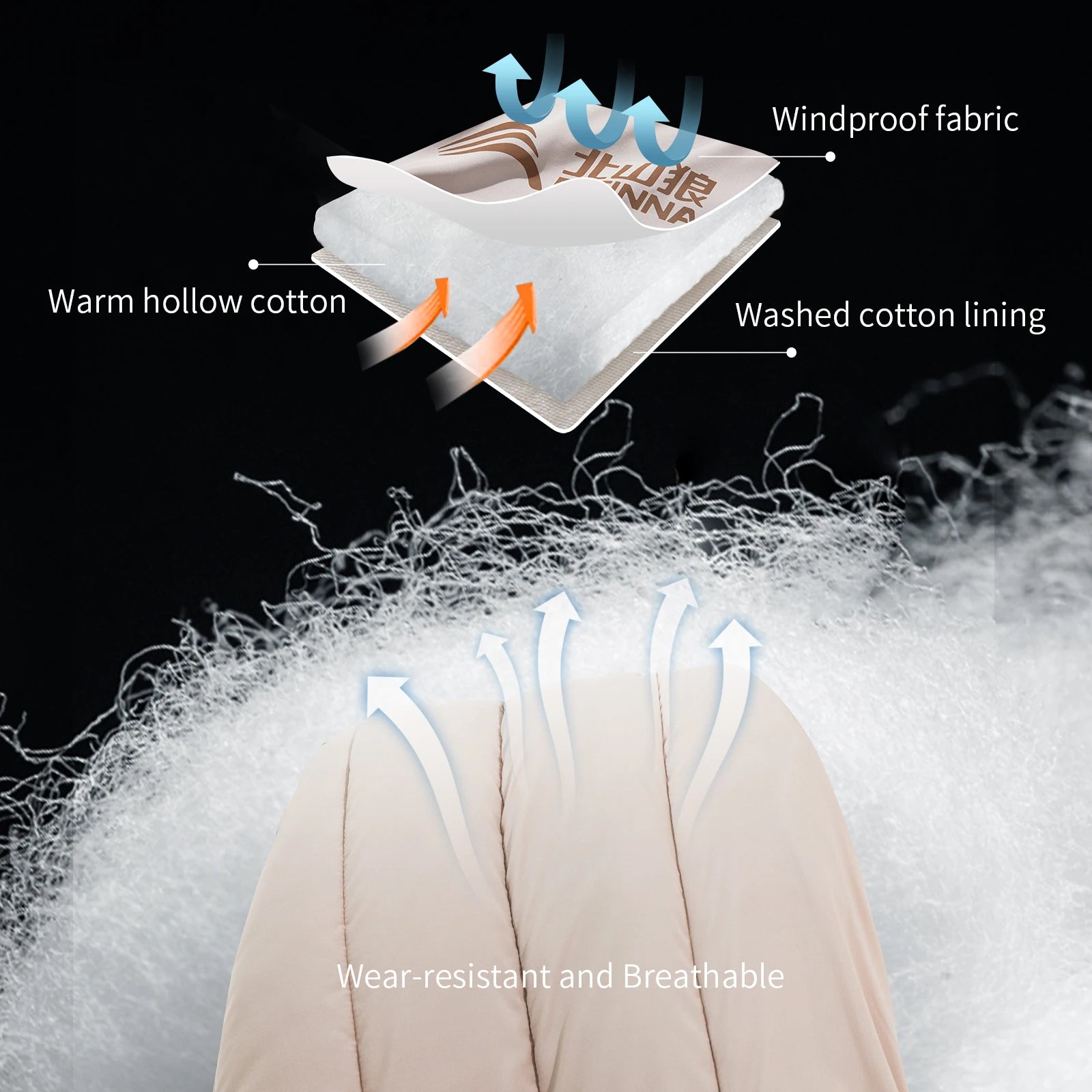
The best ultralight backpacking sleeping bag now delivers impressive warmth-to-weight performance by using advanced insulation placement, improved shell fabrics, and better moisture resistance. Instead of relying on bulk alone, modern designs trap heat efficiently while remaining compact enough for long-distance backpacking and minimalist travel setups.
Older sleeping bags often forced hikers to choose between comfort and weight savings. Today’s ultralight sleeping bag backpacking gear uses:
- Body-mapped insulation zones for targeted warmth
- Hydrophobic down or advanced synthetic fills
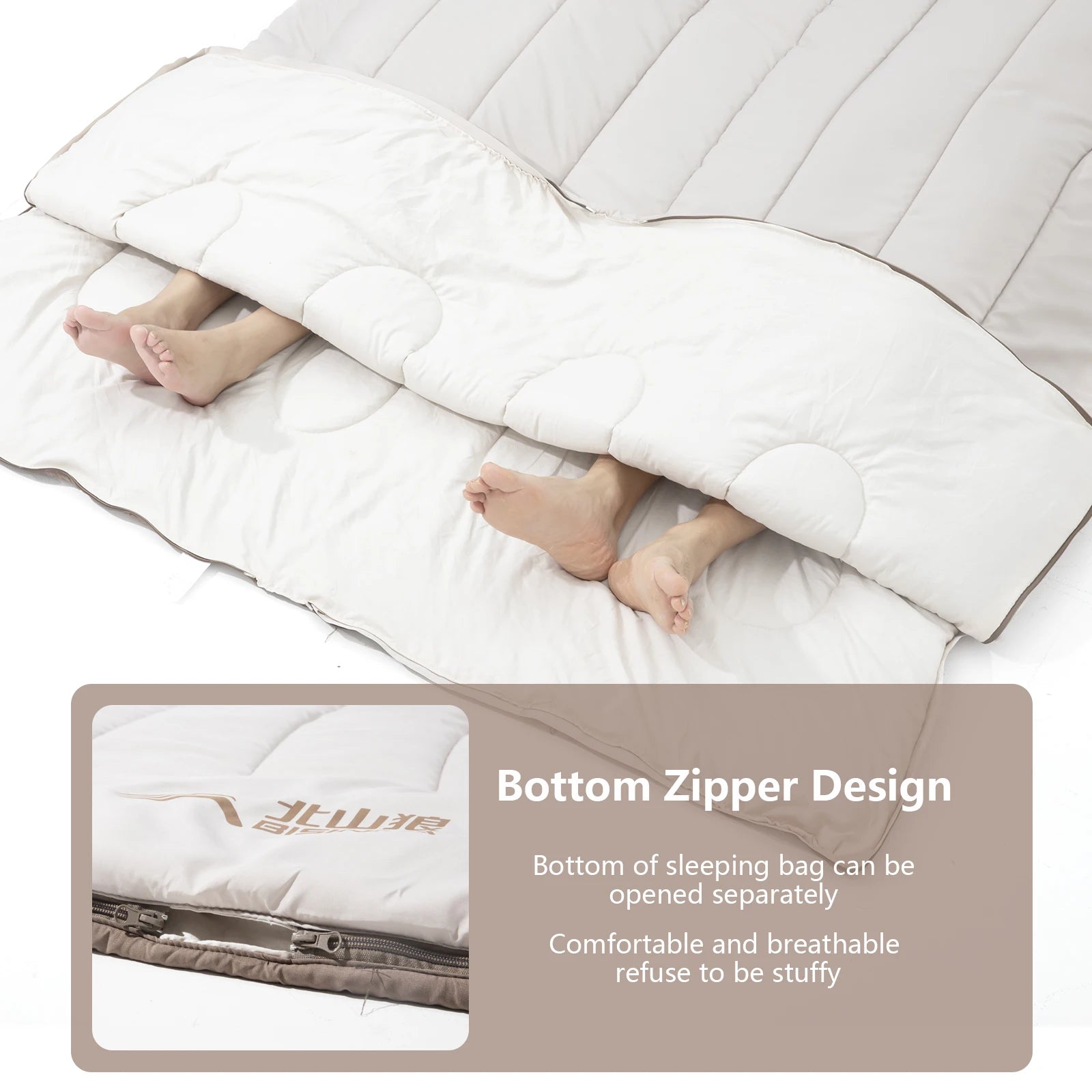
- Heat-retaining draft collars and zipper baffles
- Breathable shell materials that reduce condensation
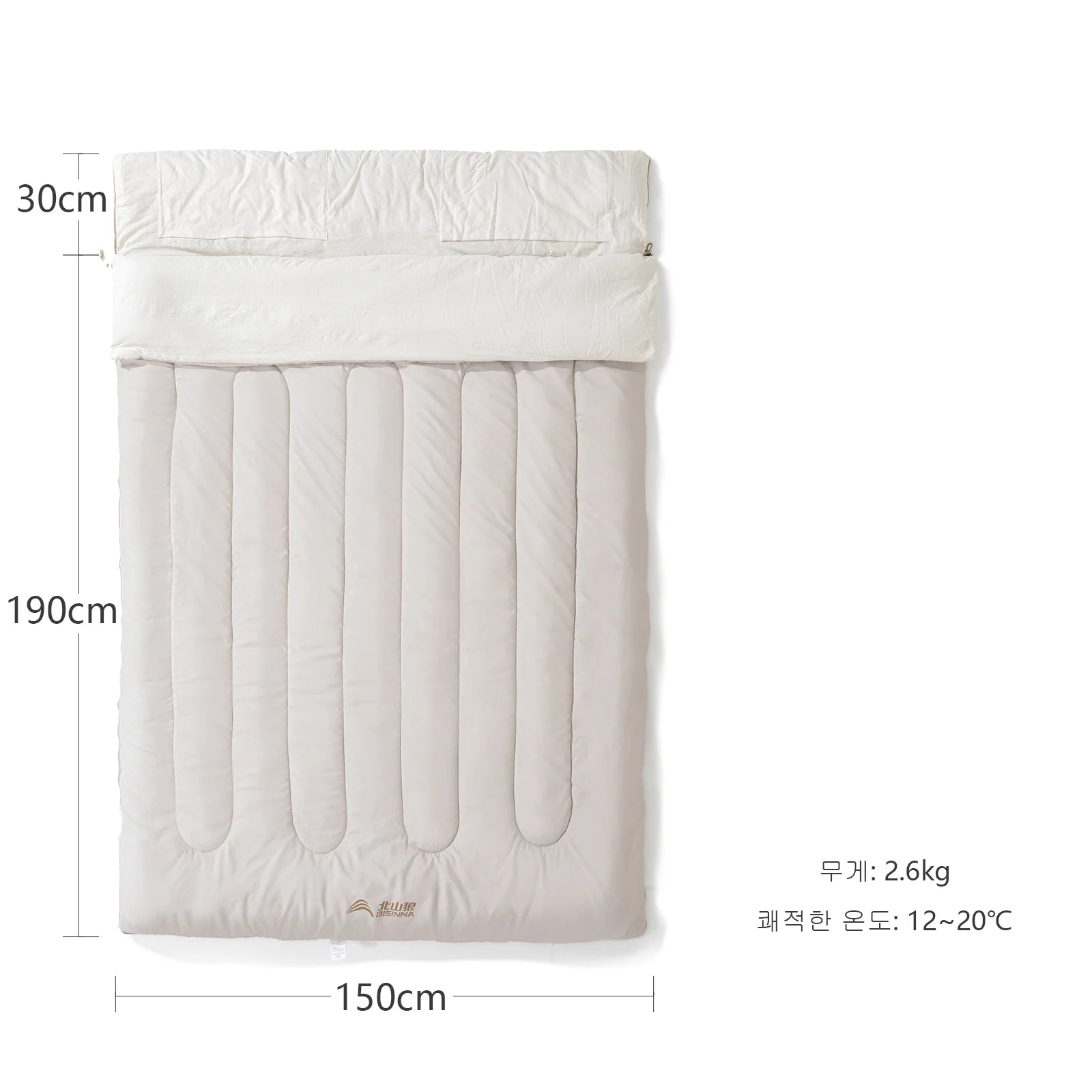
- Compact compression designs for smaller packs
These upgrades matter most during multi-day hikes where sleep quality directly impacts endurance, recovery, and morale.
Why Weight Distribution Matters
Reducing total pack weight helps hikers move faster and conserve energy. A lighter sleeping bag also leaves more room for essentials like:
Many experienced backpackers report that reducing pack strain improves hiking efficiency on steep terrain and lowers fatigue during longer mileage days.
Features That Boost Warmth Without Extra Weight
The biggest advantage of premium ultralight bags is efficient heat retention without unnecessary bulk.
1. Differential Cut Construction
This design keeps insulation fully lofted even when you move inside the bag. Instead of compressing fill material, the outer shell expands independently, maintaining consistent warmth throughout the night.
2. Draft Tubes and Draft Collars
Cold air often enters through zippers and neck openings. Modern draft systems seal these gaps and prevent heat loss in windy conditions.
Combined with proper layering and Wind & Cold Protection, these features help hikers stay comfortable even during sudden temperature drops.
3. Hydrophobic Insulation
Moisture is one of the biggest threats to sleeping bag performance. Hydrophobic down and advanced synthetic fills retain loft even in damp environments.
This is especially valuable for:
- Mountain hikes with condensation buildup
- Humid forest campsites
- Unexpected rain exposure
- Long-distance thru-hikes
4. Zoned Ventilation Systems
One overlooked feature in the best ultralight backpacking sleeping bag designs is strategic ventilation.
Instead of overheating and waking up sweaty, adjustable vents help regulate body temperature throughout changing nighttime conditions.
| Feature | Benefit |
|---|---|
| Footbox ventilation | Reduces heat buildup near feet |
| Dual zipper system | Improves airflow control |
| Breathable shell fabric | Limits condensation accumulation |
| Adjustable hood closure | Improves temperature regulation |
👉 Learn how to choose the right hiking gear for changing weather and overnight comfort.
Packing Lightweight Sleeping Bag Travel Tips
Efficient packing protects insulation performance and saves critical pack space.
- Use compression sacks carefully to avoid long-term insulation damage.
- Keep sleeping bags dry using Waterproof & Dry Bags.
- Store sleeping bags loosely at home to maintain loft.
- Separate wet gear from insulation layers inside your backpack.
- Pack sleeping systems near the center of your backpack for better balance.
Many hikers underestimate how poor packing techniques reduce warmth performance over time.
Pairing ultralight bags with Gear Organizers & Pouches also improves campsite efficiency and prevents unnecessary unpacking during cold weather.
💡 See it in action
How to Stay Warm Camping Sleeping Bag Strategies
The best ultralight backpacking sleeping bag performs even better when combined with smart campsite habits and layering systems.
Use an Insulated Sleeping Pad
Ground heat loss can ruin even premium sleeping bags. Pair your bag with insulated pads from Sleeping Bags & Sleeping Pads to maintain body heat.
Eat Before Sleeping
A warm meal helps your body generate heat naturally overnight. Lightweight cooking systems from Camping Stoves & Cooking make late-night meals easier during colder trips.
Wear Dry Base Layers
Dry clothing prevents evaporative cooling and improves thermal efficiency. Moisture trapped inside sleeping systems quickly reduces warmth.
Protect Against Wind Exposure
Even quality sleeping bags struggle when cold wind enters your shelter. Combine your sleep setup with:
These additions help stabilize interior shelter temperatures and reduce overnight drafts.
How to Reduce Overheating in Sleeping Bag Camping
Many hikers focus only on staying warm, but overheating can be equally disruptive.
Waking up sweaty often leads to moisture buildup, discomfort, and colder temperatures later in the night.
Choose Adjustable Ventilation
Bags with dual zippers and venting footboxes improve airflow without exposing your entire body to cold air.
Avoid Overdressing
Wearing too many layers traps excess heat and moisture. Lightweight thermal layers usually perform better than bulky clothing combinations.
Manage Shelter Condensation
Poor tent airflow creates humidity buildup that affects sleeping bag performance. Use proper ventilation and consider portable lighting systems from Tent & Camping Lanterns for nighttime adjustments.
Stay Hydrated
Dehydration impacts body temperature regulation more than many hikers realize. Carrying efficient hydration gear improves comfort during cold-weather hikes.
Comparison Table: Ultralight Sleeping Bag Features
| Feature | Basic Sleeping Bag | Advanced Ultralight Sleeping Bag |
|---|---|---|
| Weight | Heavier bulk | Compact and lightweight |
| Insulation Efficiency | Standard fill distribution | Body-mapped insulation zones |
| Ventilation | Limited airflow control | Adjustable vent systems |
| Moisture Resistance | Lower performance in humidity | Hydrophobic insulation options |
| Packability | Large storage footprint | Compression-friendly design |
Building a Complete Backpacking Sleep System
The sleeping bag alone is only part of the equation. Smart hikers combine multiple lightweight systems for better recovery and comfort.
Recommended Gear Pairings
- Inflatable Pillows for neck support
- Blankets & Sleeping Comfort for added insulation
- Car Camping Accessories for hybrid travel setups
- Portable Power Banks for cold-weather device charging
- Emergency Lighting for overnight safety
Some backpackers also carry compact recovery tools after long hiking days.
Portable gear from Stretching & Recovery Tools can help reduce stiffness and improve mobility before sleep.
👉 Get yours now before your next trip and upgrade your overnight comfort with lighter, warmer gear.
Real Hiker Feedback
Backpackers consistently mention three benefits when switching to advanced ultralight sleep systems:
- Less shoulder fatigue during long hikes
- Better sleep quality in colder weather
- Faster morning recovery and improved energy
One Colorado trail hiker reported cutting nearly three pounds from their overnight setup while staying warmer during windy alpine conditions.
Another long-distance backpacker shared that improved ventilation finally solved moisture buildup issues during humid summer camping trips.
💡 See it in action
Why the Right Ultralight Sleeping Bag Changes the Entire Camping Experience
The best ultralight backpacking sleeping bag is no longer just about minimizing weight. Today’s designs improve warmth retention, ventilation control, moisture resistance, and overall recovery after demanding outdoor days.
By combining advanced insulation technology with smart packing habits and complete sleep system planning, hikers can stay warmer, recover faster, and enjoy more comfortable nights in unpredictable environments.
Whether you’re planning minimalist thru-hikes, cold-weather camping, or lightweight travel adventures, investing in a better sleeping system can completely transform your outdoor experience.
FAQ
What temperature rating should I choose for an ultralight backpacking sleeping bag?
Select a sleeping bag rated slightly lower than the coldest temperatures you expect during your trip. Many hikers choose bags with extra warmth margins for changing weather conditions.
How do I reduce overheating in sleeping bag camping?
Use adjustable ventilation features, avoid overdressing, and improve tent airflow. Bags with dual zippers and breathable fabrics help regulate body temperature more effectively.
Are ultralight sleeping bags durable enough for long hikes?
Modern ultralight sleeping bags use advanced lightweight materials that balance durability and weight savings. Proper storage and careful packing significantly extend lifespan.
What helps improve warmth without adding extra weight?
Features like draft collars, body-mapped insulation, hydrophobic down, and insulated sleeping pads provide better warmth efficiency without dramatically increasing pack weight.
Pillar Article: Best Lightweight Sleeping Bag For Backpacking: Why It Performs Better
Other Related Articles:
Explore More:





