

Vacuum Packing Luggage: A Complete How-To Guide
Vacuum Packing Luggage: A Complete How-To Guide
Does Vacuum Packing Luggage Save Space?
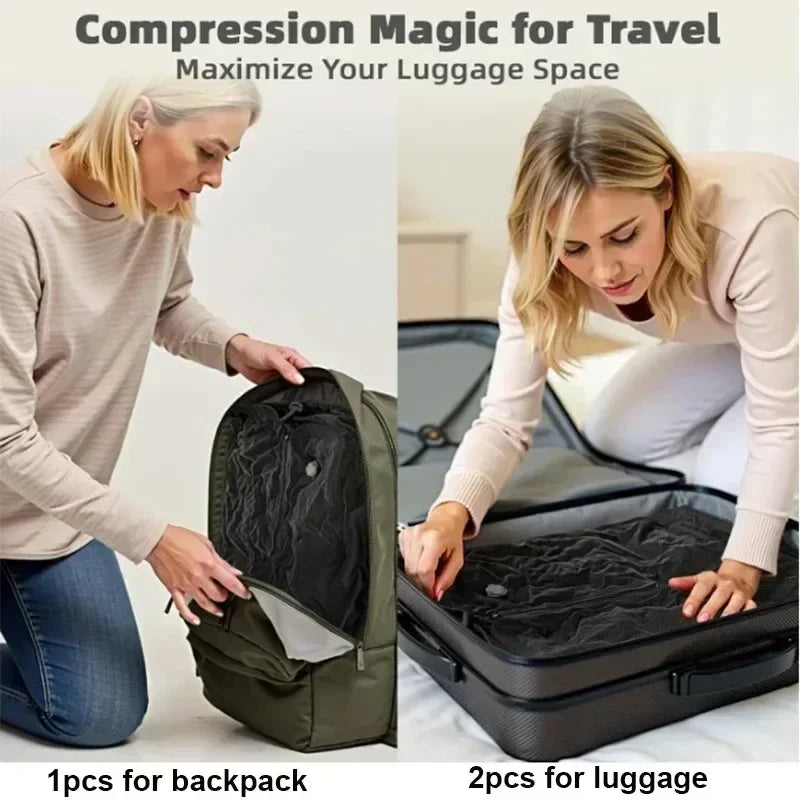
Vacuum packing luggage can reduce clothing volume by up to 60%, making it easier to organize camping gear, protect clothes from moisture, and fit more essentials into smaller bags. Travelers use vacuum storage bags to cut travel clutter, keep gear dry, and simplify packing for road trips, flights, and outdoor adventures.
⏱ 8 min read
Packing for camping trips, long flights, or rugged outdoor adventures often turns into a battle against bulky clothes, wasted luggage space, and messy gear. Vacuum packing luggage offers a practical way to maximize every inch of storage while keeping clothing protected from dirt, moisture, and odors. Whether you're planning a weekend camping trip or an extended road adventure, this guide walks you through smart techniques that make travel easier, lighter, and far more organized.
Have you ever arrived at camp only to discover wrinkled clothes, wet jackets, or gear buried beneath unnecessary items? Vacuum packing solves many of these problems before your trip even begins.
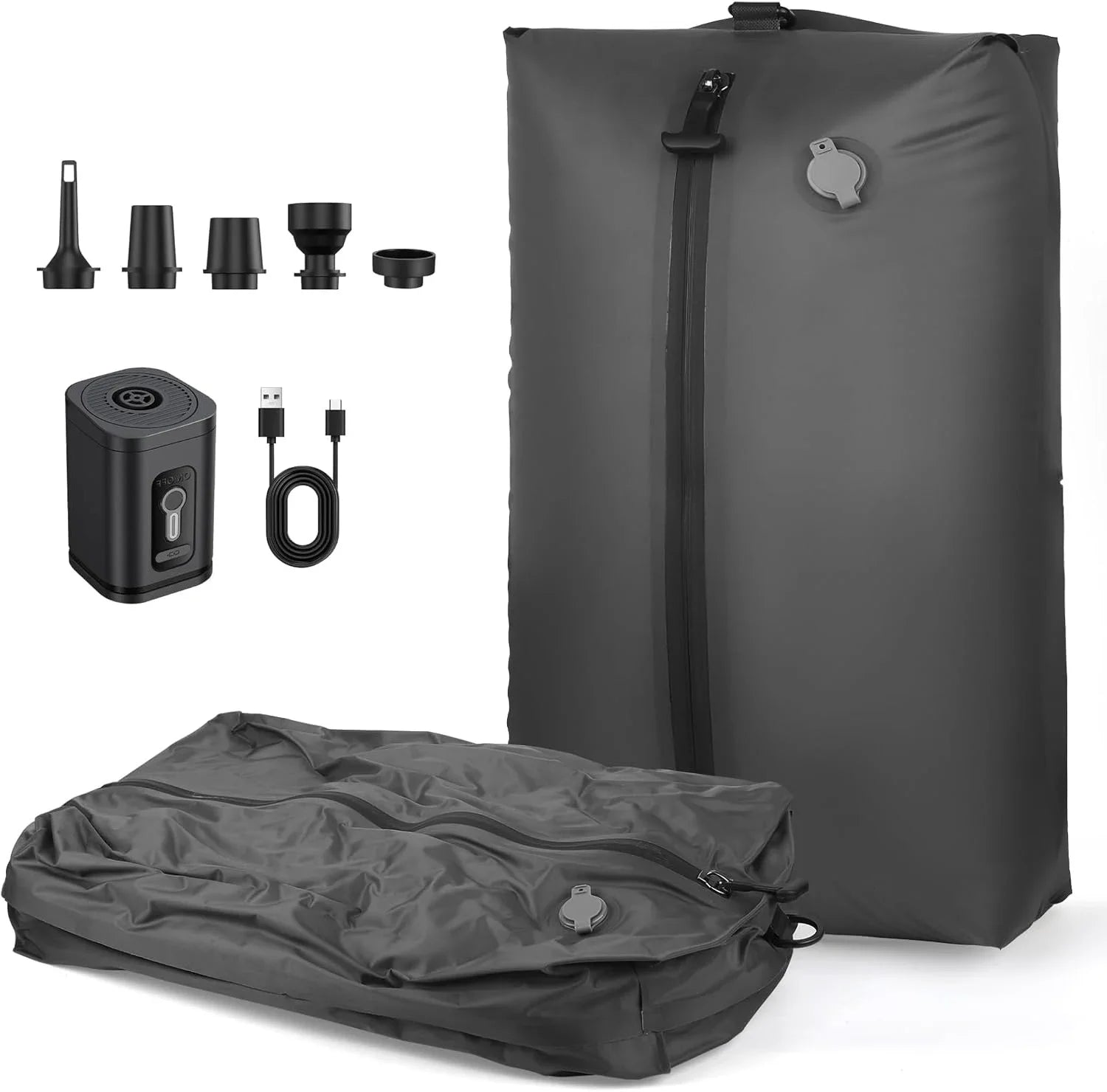
Simplify your next adventure with smart storage solutions like the Vacuum Compression Bag 17L Travel and organize gear more efficiently using Compression & Packing Bags.
💡 See it in action
Why Vacuum Packing Works for Outdoor Travel
Vacuum packing luggage removes trapped air from clothing and soft gear, dramatically reducing bulk while protecting fabrics from moisture, dirt, and odors. For campers and travelers, it creates more room for essentials like cooking gear, sleeping systems, and emergency supplies without increasing bag size.
Traditional packing often leaves empty air pockets between clothes. Vacuum compression eliminates wasted space while helping travelers stay organized during multi-day trips.
Key Benefits of Vacuum Packing Luggage
- Creates extra luggage space for camping essentials
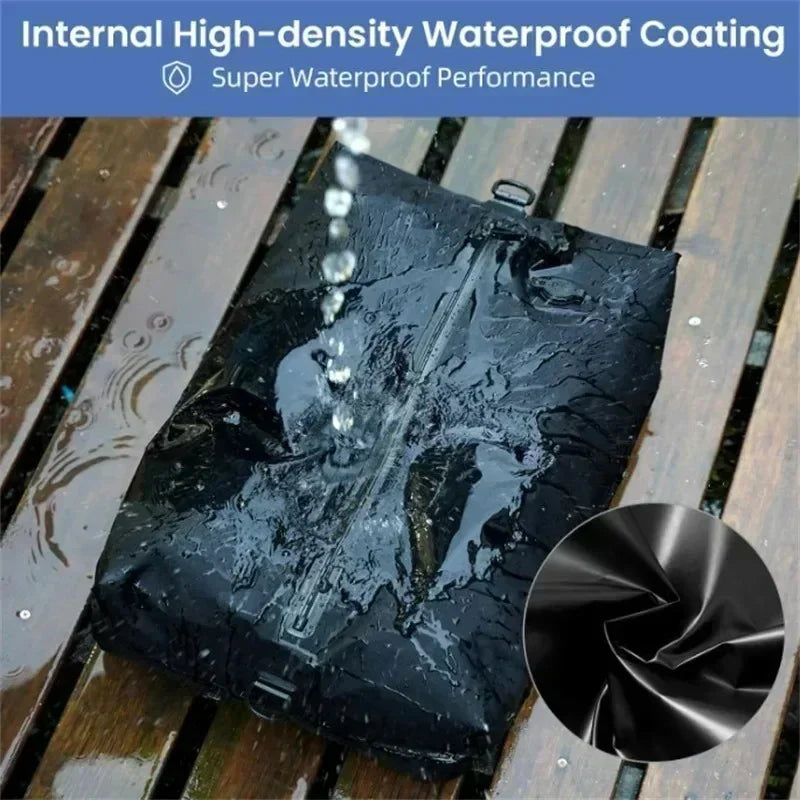
- Protects clothing from rain, mud, and humidity
- Reduces clutter inside backpacks and duffel bags
- Makes unpacking faster at campsites and hotels
- Separates clean and dirty clothing efficiently
| Packing Method | Space Saved | Moisture Protection | Best Use |
|---|---|---|---|
| Traditional Folding | Low | Minimal | Short trips |
| Compression Cubes | Moderate | Basic | Organized travel |
| Vacuum Packing | High | Excellent | Camping & long adventures |
Outdoor travelers often combine vacuum bags with Gear Organizers & Pouches for even faster access to essentials on the road.
How to Vacuum Pack Luggage Step by Step
Vacuum packing luggage works best when clothes are clean, dry, and grouped by category. Rolling garments before sealing helps reduce wrinkles while improving compression. Most travelers can fit nearly twice as much gear into the same luggage space using proper vacuum packing techniques.
-
Sort Clothing by Use
Separate hiking clothes, sleepwear, jackets, and spare layers. This keeps your luggage organized and prevents unnecessary unpacking during the trip. -
Roll Instead of Fold
Rolling clothing minimizes wrinkles and creates tighter compression inside vacuum bags. -
Use Proper Vacuum Compression Bags
Choose durable options like the Vacuum Compression Bag 17L Travel designed for repeated outdoor use. -
Remove Air Gradually
Avoid over-compressing delicate fabrics. Slowly press or vacuum excess air while keeping bag seams flat. -
Organize by Accessibility
Keep weather gear and first-day clothing near the top of your luggage.
Smart Packing Order for Campers
- Bottom layer: sleeping clothes and spare gear
- Middle layer: compressed jackets and sweaters
- Top layer: rain gear and quick-access essentials
- Side pockets: snacks, lights, and emergency items
For even better organization, pair vacuum bags with Camping Storage & Boxes and Backpacking & Carry systems.
Combine vacuum-packed clothing with lightweight travel systems from Lightweight Daypacks and weather-resistant options from Waterproof & Dry Bags for cleaner, faster outdoor organization.
Best Items to Vacuum Pack for Camping Trips
Not everything belongs inside a compression bag. The best results come from packing soft, bulky items that normally consume extra space.
Ideal Items for Vacuum Packing
- Hoodies and fleece jackets
- T-shirts and thermal layers
- Socks and undergarments
- Blankets and compact pillows
- Rain gear and lightweight outerwear
💡 See it in action
Items You Should Avoid Compressing
- Leather jackets
- Down sleeping bags for long-term storage
- Electronics and batteries
- Food containers with sharp edges
Travelers heading into changing weather conditions often store extra layers alongside Rain Ponchos & Capes and Wind & Cold Protection accessories.
Common Vacuum Packing Mistakes to Avoid
Many travelers overfill vacuum bags or compress gear too tightly, which can damage fabrics and make luggage difficult to organize. Leaving a small amount of flexibility inside each bag helps maintain clothing quality while improving accessibility during travel.
Mistakes That Create More Travel Stress
| Mistake | Problem Created | Better Solution |
|---|---|---|
| Overstuffing bags | Broken seals | Use multiple smaller bags |
| Packing damp clothing | Odors and mildew | Dry clothes completely first |
| Compressing daily essentials | Frequent unpacking | Keep essentials accessible |
| Ignoring weight distribution | Uncomfortable carrying | Balance heavy items evenly |
Some campers also combine vacuum-packed clothing with modular systems from Car Organizers & Storage to reduce road trip clutter.
Guide to Organizing Luggage for Camping
Effective luggage organization reduces campsite frustration and helps travelers access gear quickly in changing conditions.
A Practical Camping Packing System
- Clothing Zone: Vacuum-packed layers and sleepwear
- Cooking Zone: Compact tools from Camping Stoves & Cooking
- Safety Zone: Essentials from Safety, Survival & Emergency
- Hydration Zone: Water gear from Hydration & Food
One experienced road camper shared that vacuum packing reduced their trunk clutter enough to fit an extra cooler and emergency gear kit during a week-long mountain trip.
How This Packing Method Improves Travel Comfort
- Less digging through luggage at campsites
- Cleaner separation between dirty and clean clothes
- Faster setup after long drives or flights
- Reduced stress during weather changes
For cold-weather adventures, pairing compact luggage with Blankets & Sleeping Comfort systems keeps overnight gear manageable without sacrificing warmth.
How to Protect Clothing During Outdoor Trips
Outdoor conditions change quickly. Rain, dirt, humidity, and temperature shifts can damage or contaminate packed clothing if luggage is poorly organized.
Simple Ways to Keep Clothes Clean and Dry
- Use vacuum-sealed bags for spare clothing layers
- Separate wet gear immediately after use
- Store electronics away from damp clothing
- Keep emergency dry clothes accessible
Campers traveling through wet conditions often combine vacuum storage with Ground Sheets & Tarps for extra moisture protection.
Nighttime temperatures can also create condensation inside tents and vehicles. Keeping backup clothes sealed helps maintain warmth and comfort throughout the trip.
Upgrade your packing setup with the Vacuum Compression Bag 17L Travel before your next camping adventure and create extra room for gear that actually matters outdoors.
Space-Saving Packing Checklist
- Vacuum compression bags
- Weatherproof outer bag
- Compact flashlight or lantern
- Emergency clothing layer
- Portable power bank
- Water-resistant storage pouch
- Camp cooking essentials
Travelers frequently pair compact luggage setups with Portable Power Banks, Headlamps & Wearable Lights, and Foldable Travel Gear to maximize efficiency during road trips and camping adventures.
💡 See it in action
Why Vacuum Packing Makes Travel Easier
Vacuum packing luggage transforms the way travelers organize camping gear, protect clothing, and reduce unnecessary bulk. From weekend hikes to cross-country road trips, compressed packing systems create more space while helping outdoor essentials stay cleaner, drier, and easier to access.
Instead of struggling with overloaded bags and cluttered trunks, travelers can focus on enjoying the experience itself. A few smart packing adjustments often make the biggest difference once the adventure begins.
Frequently Asked Questions
Is vacuum packing luggage good for camping trips?
Yes. Vacuum packing luggage helps campers reduce bulky clothing volume, organize gear more efficiently, and protect fabrics from moisture and dirt during outdoor travel.
Can vacuum bags damage clothes?
Most everyday travel clothing is safe to compress temporarily. However, delicate fabrics and down-filled items should not remain vacuum-sealed for extended periods.
How much space can vacuum packing save?
Most travelers save between 40% and 60% of luggage space depending on the clothing type and packing method used.
What is the best way to organize luggage for camping?
Group clothing by activity, vacuum-pack bulky items, keep emergency layers accessible, and separate wet gear from dry essentials using storage pouches.
Are vacuum compression bags reusable?
Yes. High-quality compression bags designed for travel can be reused many times when handled carefully and stored properly between trips.
Pillar Article: How To Pack A Small Suitcase Efficiently
Other Related Articles:
- Portable Vacuum Bag For Travel: Easy Packing Tips
- Travel Vacuum Bags Pump: How To Use For Maximum Space
- Vacuum Packing Backpack: Step-By-Step Guide For Travelers
Explore More:





