

Bag Vacuum Travel: How It Compares To Other Compression Bags
Bag Vacuum Travel: How It Compares To Other Compression Bags
⏱ 8 min read
Does bag vacuum travel really save luggage space?
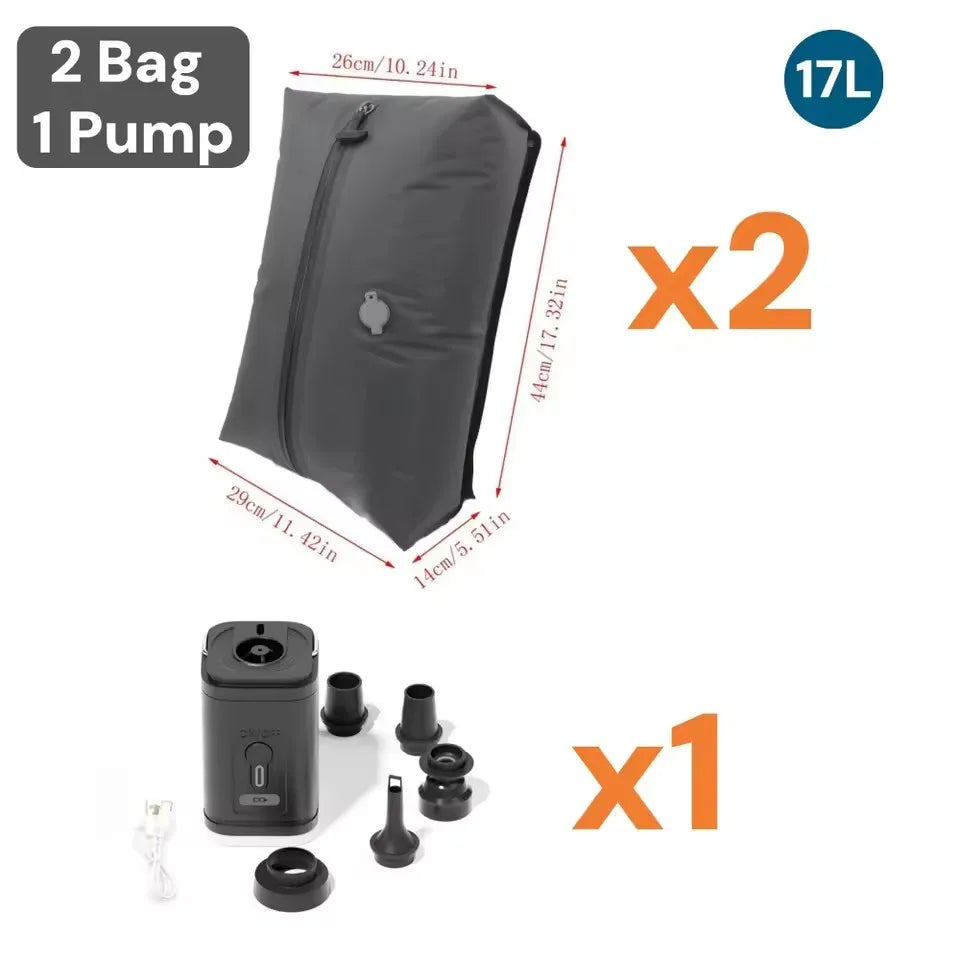
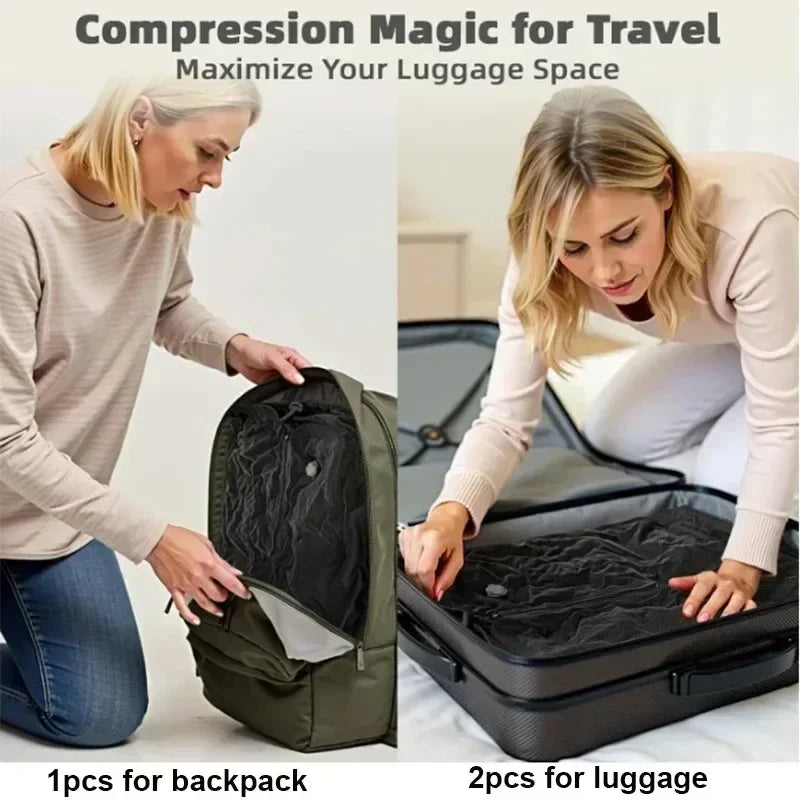
Bag vacuum travel systems can reduce clothing volume by up to 60%, making it easier to fit bulky jackets, sweaters, and travel gear into smaller suitcases. Compared with standard packing cubes or regular compression bags, vacuum storage bags create tighter compression, improve organization, and help travelers avoid overstuffed luggage during road trips, flights, and outdoor adventures.
Bag vacuum travel solutions can completely change how you pack, especially when bulky hoodies, winter layers, or outdoor gear quickly consume luggage space. Whether you travel often for camping, hiking, road trips, or family vacations, choosing the right compression system can help protect your clothes, simplify packing, and reduce travel stress before your next adventure.
Ever struggled to close your suitcase after adding just one extra jacket? Many travelers face the same problem, especially when packing for unpredictable weather, camping trips, or long vacations.
That is why more people now buy space saving travel compression bags before trips. These bags help reduce clutter, organize clothing, and maximize every inch inside carry-on luggage.
👉 Discover smarter travel packing solutions before your next adventure.
💡 See it in action
Why Travelers Are Switching To Bag Vacuum Travel
Bag vacuum travel systems solve one of the biggest travel frustrations: limited luggage space. Instead of stuffing clothes into every corner of a suitcase, travelers can compress items neatly and evenly.
For outdoor travelers carrying jackets, blankets, or layered clothing, compression becomes even more valuable. Many hikers and campers pair vacuum bags with gear from Compression & Packing Bags to keep luggage organized and lightweight.
How Vacuum Compression Works
Vacuum bags remove excess air around clothing. Once sealed, the compressed items occupy far less space compared with regular folding or rolling methods.
- Reduces bulky clothing volume
- Protects clothing from moisture
- Keeps clean and dirty items separated
- Improves suitcase organization
- Helps maximize carry-on capacity
Unlike traditional packing cubes, vacuum systems create tighter compression by removing trapped air entirely.
Vacuum Storage Bag Vs Regular Packing Bags
Bag vacuum travel products stand out because they compress clothing far more effectively than standard packing cubes or zipper compression bags. Travelers comparing vacuum storage bag vs regular packing bags often notice major differences in luggage capacity, wrinkle control, and moisture protection.
| Feature | Vacuum Compression Bags | Regular Packing Bags |
|---|---|---|
| Space Saving | Excellent | Moderate |
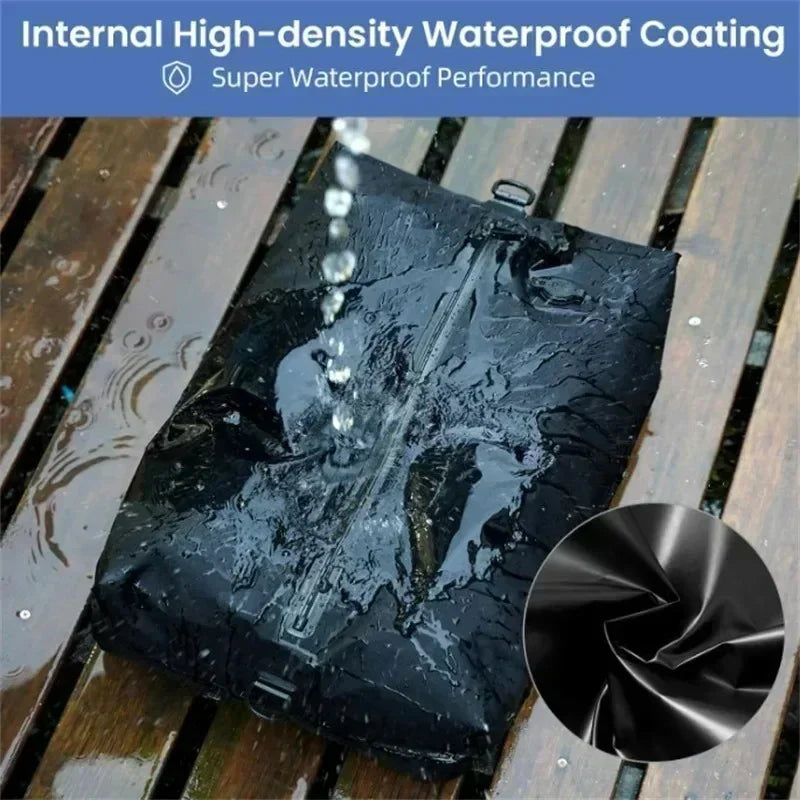
| Moisture Protection | Strong | Limited |
| Compression Power | High | Medium |
| Carry-On Efficiency | Very Effective | Average |
| Bulky Winter Gear | Ideal | Less Effective |
| Ease Of Repacking | Moderate | Easy |
When Regular Packing Bags Still Work Well
Regular compression cubes remain useful for shorter trips or travelers carrying lightweight clothing only. Many people combine them with products from Gear Organizers & Pouches for smaller accessories and electronics.
However, when luggage space becomes critical, vacuum systems usually provide a noticeable advantage.
Why Travelers Prefer Vacuum Compression For Outdoor Trips
Campers and road trippers often carry thick hoodies, blankets, insulated clothing, and weather gear. Vacuum compression allows travelers to fit more into limited cargo areas while keeping clothing protected from dirt and moisture.
Pairing vacuum bags with Waterproof & Dry Bags also creates additional protection during rainy conditions or camping trips.
👉 Learn how smarter packing can simplify every trip.
Step By Step Vacuum Bag Packing Guide
Travelers using bag vacuum travel systems for the first time often see the best results when following a structured packing method.
This step by step vacuum bag packing guide helps maximize space without damaging clothes.
-
Sort Clothing By Type
Separate bulky jackets, sweaters, pants, and lightweight items before packing.
-
Fold Clothes Flat
Neat folding prevents wrinkles and improves compression efficiency.
-
Avoid Overfilling The Bag
Leave enough room near the zipper seal so air can escape evenly.
-
Seal The Bag Carefully
Double-check zipper closures to prevent air leakage during travel.
-
Remove Air Slowly
Compress gradually to avoid excessive stress on clothing fibers.
-
Organize By Destination Or Activity
Many travelers separate camping gear, hiking layers, and casual outfits into different bags.
Travelers often combine vacuum bags with Backpacking & Carry products to improve mobility and organization during outdoor adventures.
Packing Mistakes To Avoid
- Overcompressing delicate fabrics
- Packing damp clothing
- Ignoring seal alignment
- Mixing dirty and clean items together
- Using oversized bags for small luggage
💡 See it in action
Best Travel Situations For Vacuum Compression Bags
Not every traveler packs the same way. The biggest advantage of bag vacuum travel systems is flexibility across multiple travel styles.
Carry-On Only Flights
Carry-on travelers frequently use vacuum compression to fit extra outfits without paying baggage fees.
Winter Travel
Bulky coats and thermal layers compress dramatically, freeing space for shoes and accessories.
Camping And Road Trips
Outdoor travelers often combine vacuum bags with Car Organizers & Storage to reduce clutter during extended road trips.
Family Vacations
Families packing for children can separate outfits by day or activity while saving significant suitcase space.
Backpacking Adventures
Travelers using Lightweight Daypacks appreciate the reduced bulk and better gear organization.
What Real Travelers Say About Vacuum Compression Bags
Many travelers initially worry that vacuum compression bags may damage clothing or become difficult to repack during trips. However, long-term users consistently report better organization and reduced luggage stress.
Traveler Experience: Winter Weekend Trip
A traveler heading to Colorado for a ski weekend managed to fit two jackets, thermal layers, and snow pants into a single carry-on using vacuum compression bags.
Without compression, the traveler previously needed a full-sized checked suitcase.
Traveler Experience: Family Road Trip
A family traveling with children used vacuum bags to separate outfits by day. Parents reported faster unpacking and less mess inside the vehicle.
Traveler Experience: Outdoor Camping
Campers carrying extra blankets and insulated clothing used compression bags alongside Camping Storage & Boxes for cleaner organization at campsites.
| Most Praised Benefits | Why Travelers Like It |
|---|---|
| More Packing Space | Fits extra outfits easily |
| Better Organization | Separates gear neatly |
| Reduced Stress | Simplifies packing process |
| Cleaner Luggage | Protects clothes from spills |
| Outdoor Convenience | Ideal for camping gear |
How To Choose The Right Compression Bag
Choosing the right bag vacuum travel system depends on travel style, luggage size, and clothing type.
Look For Durable Seals
Strong zipper seals help prevent air leaks during long trips.
Choose The Right Size
Smaller bags work best for carry-ons, while larger bags suit road trips and extended travel.
Consider Multi-Use Travel Systems
Many travelers pair vacuum bags with products from Foldable Travel Gear for more efficient luggage setups.
Think About Weather Protection
Outdoor travelers often prioritize moisture-resistant designs for hiking or camping conditions.
Additional protection can come from pairing compression systems with Weather Protection & Environment gear.
Pros And Cons Before You Buy
Bag vacuum travel systems are highly effective for maximizing suitcase space, especially for bulky travel gear and outdoor clothing. While they may take slightly longer to repack during trips, most travelers find the added organization and compression worth the extra effort.
| Pros | Cons |
|---|---|
| Excellent space savings | Requires repacking effort |
| Great for bulky clothes | Some wrinkles may occur |
| Protects from moisture | Cheap bags may leak air |
| Improves organization | Needs careful sealing |
| Ideal for outdoor trips | Not necessary for light packers |
Who Benefits Most?
- Frequent flyers
- Road trip travelers
- Outdoor campers
- Families packing multiple outfits
- Carry-on only travelers
👉 Get organized before your next trip and avoid overpacked luggage.
💡 See it in action
Why Travelers Continue Choosing Vacuum Compression Bags
Travelers continue switching to bag vacuum travel systems because they solve a real problem: limited space. Whether packing for camping, road trips, flights, or family vacations, vacuum compression bags create cleaner organization and help travelers carry more with less stress.
Compared with standard packing cubes or regular compression bags, vacuum systems provide stronger compression and better protection for bulky travel gear.
For travelers tired of sitting on overstuffed suitcases just to close the zipper, vacuum compression offers a smarter and more practical solution.
Frequently Asked Questions
Are vacuum compression bags safe for clothing?
Yes. Most clothing handles vacuum compression well, especially jackets, sweaters, and casual travel wear. Delicate fabrics should be compressed carefully and not stored compressed for extremely long periods.
Do vacuum bags work for carry-on luggage?
Yes. Many travelers use vacuum compression bags specifically to maximize carry-on space and avoid checked baggage fees.
What is the difference between vacuum storage bag vs regular packing bags?
Vacuum storage bags remove trapped air to create tighter compression, while regular packing bags mainly organize clothing without significantly reducing volume.
Can vacuum compression bags help with camping gear?
Absolutely. Campers often compress blankets, jackets, and extra layers to save cargo space and improve campsite organization.
Pillar Article: Luggage Vacuum Bags With Pump: In-Depth Brand Review
Other Related Articles:
Explore More:





