

Polyester Vs Nylon Rope: Which Delivers Better Real Strength?
Polyester vs nylon rope: which delivers better real strength?
Polyester vs nylon rope comes down to stretch, durability, and stability under load. Nylon is stronger and more elastic, absorbing shock better, while polyester resists UV, water, and abrasion for consistent performance. For family safety and outdoor use, the right choice depends on whether you need shock absorption or long-term reliability.
Polyester Vs Nylon Rope: Which Delivers Better Real Strength?
⏱ 7 min read — Choosing between polyester vs nylon rope sounds simple—until you’re relying on it to secure gear, support weight, or keep your family safe outdoors. One wrong choice can stretch too much, weaken over time, or fail when it matters most. So which rope truly holds up under real pressure?
Ever packed for a camping trip and wondered if your gear could actually handle real stress? That uncertainty grows when ropes are involved—whether for setting up shelters, securing loads, or outdoor play.
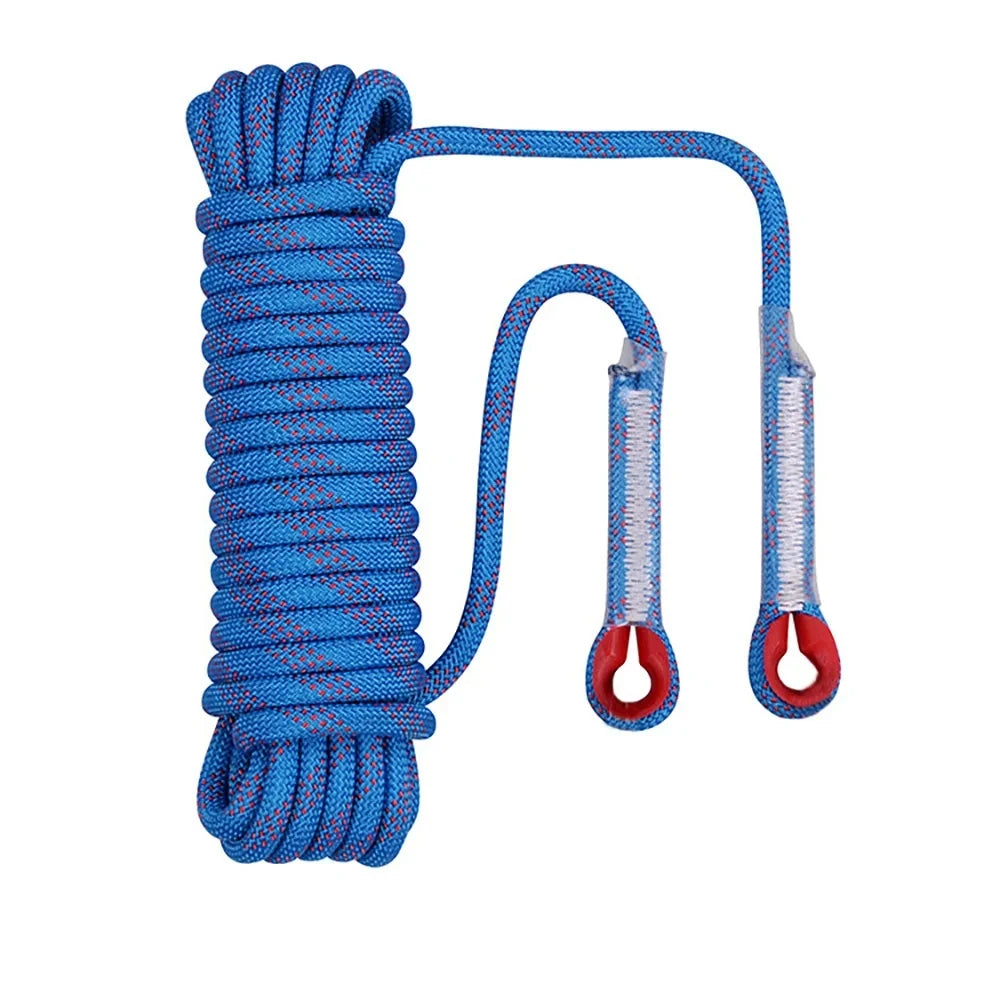
💡 See it in action
Explore reliable essentials from Camping & Picnic and upgrade your outdoor setup with confidence.
Why Rope Choice Matters for Safety and Performance
Not all ropes behave the same under pressure. Some stretch, some resist weather, and others degrade faster than expected.
- Stretch control: Too much stretch can cause instability
- Weather resistance: UV and moisture weaken certain fibers
- Load reliability: Consistent strength prevents sudden failure
- Family safety: Especially important for kids and shared gear
For outdoor families, the difference between a reliable rope and a weak one isn’t theoretical—it shows up in real use.
Polyester vs Nylon Rope: Key Differences Explained
Polyester vs nylon rope differs mainly in elasticity and environmental resistance. Nylon offers higher strength and shock absorption due to its stretch, while polyester provides better durability in sunlight and wet conditions, maintaining stable length and performance over time.
| Feature | Nylon Rope | Polyester Rope |
|---|---|---|
| Strength | Higher tensile strength | Slightly lower |
| Stretch | High (shock absorbing) | Low (stable) |
| UV Resistance | Moderate | Excellent |
| Water Resistance | Absorbs water | Resistant |
| Durability | Good | Very high |
This makes nylon ideal for dynamic loads, while polyester excels in consistent, long-term outdoor use.
Polyester vs Nylon Rope Durability Comparison in Real Conditions
Durability isn’t just about raw strength—it’s about how rope performs after sun exposure, rain, and repeated use.
- Polyester: Maintains integrity after prolonged UV exposure
- Nylon: Can weaken when wet and degrade faster in sunlight
- Abrasion resistance: Polyester handles rough surfaces better
- Shape retention: Polyester stays firm under tension
Families camping near water or in hot climates often notice polyester ropes last longer with fewer surprises.
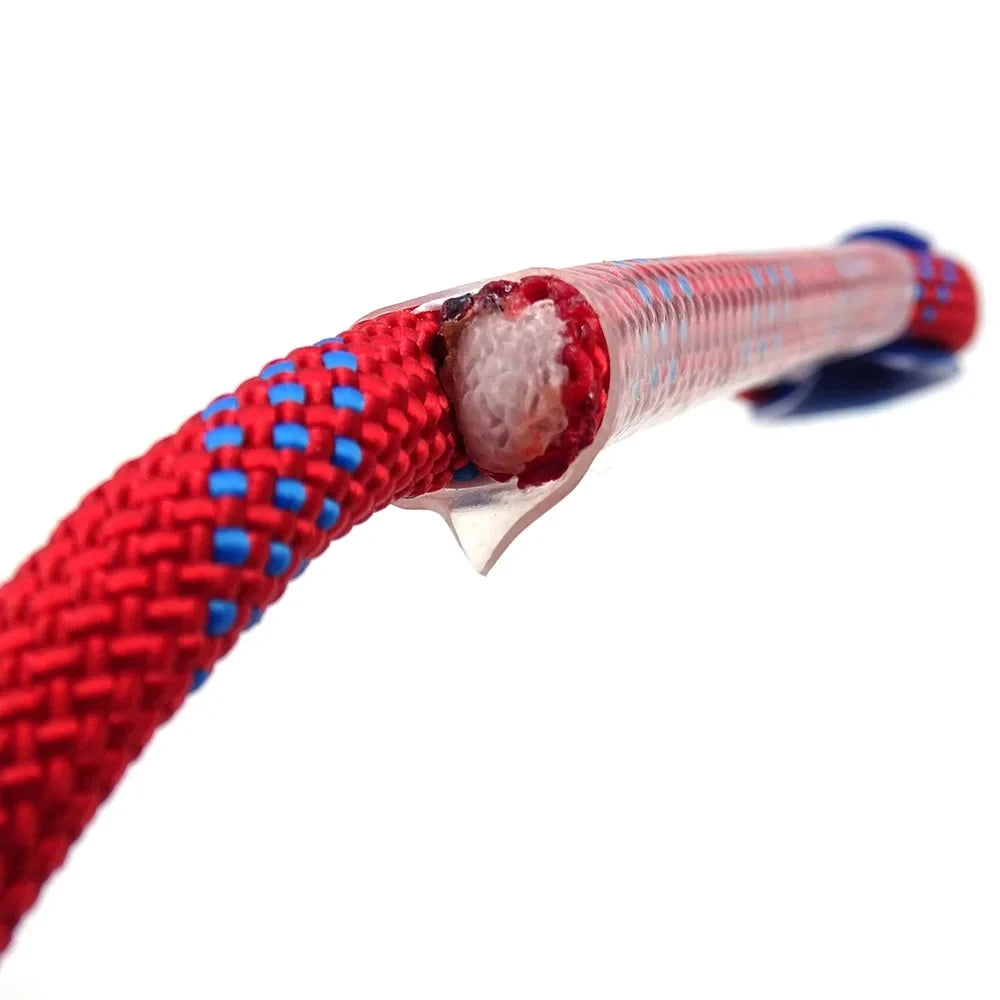
💡 See it in action
Pair your rope with dependable accessories from Hooks, Clips & Carabiners for a safer, more efficient setup.
How to Choose Safe Rope for Families
When safety is the priority, your rope choice should match how it will actually be used—not just specs on paper.
- Identify load type (static vs dynamic)
- Check weather exposure (sun, rain, humidity)
- Choose diameter for grip and strength (10–12mm for general use)
- Inspect material behavior over time
For most family scenarios—tying shelters, securing gear, light climbing—a stable, low-stretch rope reduces risk.
Many outdoor users combine rope with gear from Safety, Survival & Emergency collections to build a complete safety setup.
Preventing Accidents with Weak Climbing Ropes
Weak or worn ropes don’t always show visible damage before failing.
- Fraying edges or fuzzy texture
- Loss of stiffness or unusual softness
- Discoloration from UV exposure
- Inconsistent diameter along the rope
Replacing questionable rope early is far safer than pushing it beyond limits.
Outdoor parents often report fewer incidents after switching to more durable rope types and pairing them with protective gear from Gloves & Protective Gear.
Best Use Cases: When Each Rope Wins
When Nylon Rope Performs Better
- Climbing or dynamic loads
- Situations requiring shock absorption
- Heavy-duty pulling or towing
When Polyester Rope Is the Better Choice
- Outdoor setups exposed to sun and rain
- Camping shelters and tarps
- Family-friendly environments needing stability
Matching rope type to real use prevents frustration and improves safety.
Why a Durable Static Rope Works for Outdoor Family Use
For most families, a durable static rope offers predictable performance with minimal stretch, making it easier to control and safer for general outdoor tasks. It holds knots securely, resists environmental wear, and maintains strength even after repeated use in camping and travel scenarios.
- Stable under load (no sudden stretch)
- Long-lasting in outdoor conditions
- Easy handling for beginners
- Reliable for shelters, tie-downs, and safety lines
If you want a dependable option built for real-world use, explore the 12mm Safety Rope Climbing Emergency—a strong, balanced solution designed for outdoor reliability.
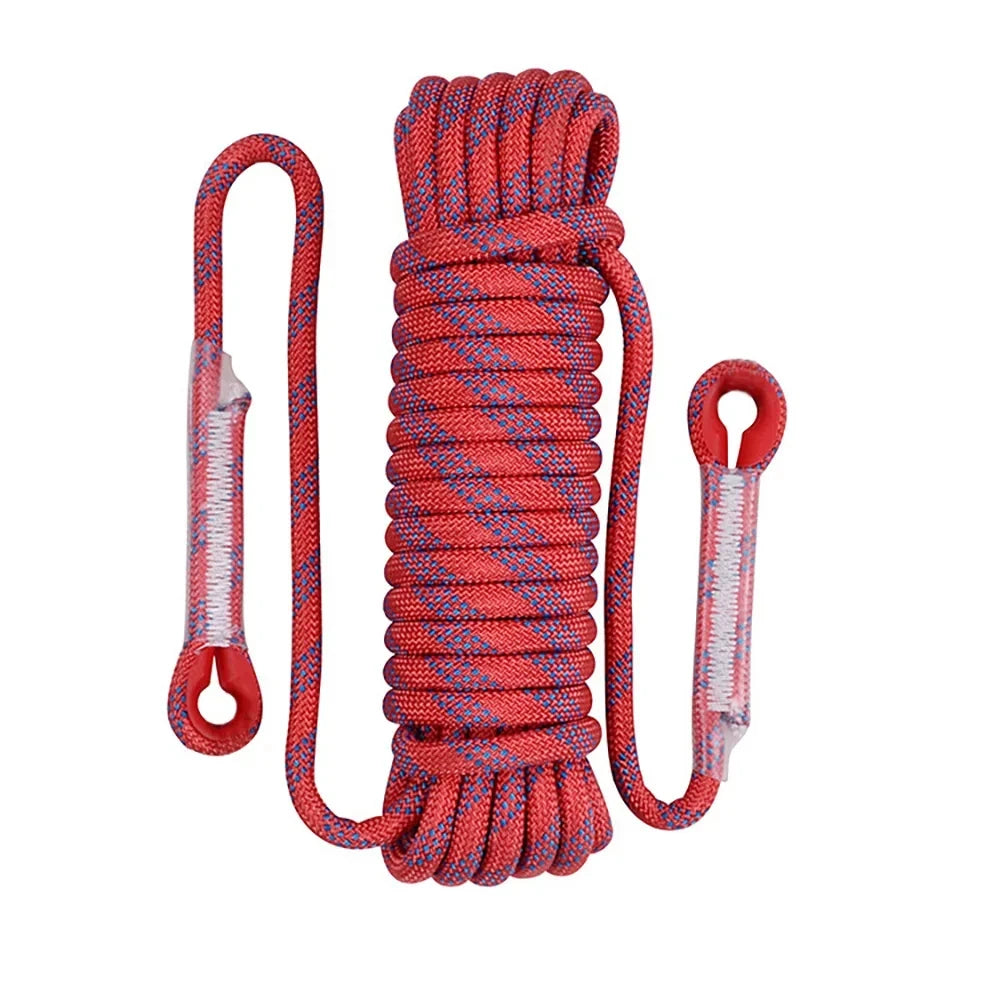
💡 See it in action
Upgrade your setup with a proven rope solution and combine it with essentials from Camping Tents & Shelter for a safer outdoor experience.
Frequently Asked Questions
Is nylon rope stronger than polyester rope?
Yes, nylon rope typically has higher tensile strength and better shock absorption, making it ideal for dynamic loads.
Why do many families prefer polyester rope?
Polyester rope resists UV rays, water, and abrasion better, making it more reliable for long-term outdoor use.
What is the safest rope for general outdoor use?
A static polyester rope is often the safest for families because it offers stability, durability, and consistent performance.
How often should you replace outdoor rope?
Replace rope when you notice fraying, stiffness changes, or UV damage—even if it hasn’t reached its expected lifespan.
Can one rope type handle all situations?
No. Nylon is better for dynamic use, while polyester excels in static, long-term outdoor conditions. Choosing based on use is key.
Pillar Article: Emergency Preparedness Kit Supplies: What Makes Them Truly Reliable
Other Related Articles:
Explore More:





